




Preventive Dentistry and Oral Health
Preventive dentistry maintains oral health through proactive measures.
It includes regular dental check-ups, cleanings, and education about proper oral care.
Furthermore, preventive dentistry helps people avoid cavities, gum disease, and other oral health problems.
These measures can also reduce the need for costly and invasive treatments.
Additionally, fluoride strengthens tooth enamel and increases resistance to decay.
Toothpaste and mouthwash often contain fluoride, and communities may add it to water supplies.
What Is Fluoride?
Fluoride is a mineral found in soil, water, and various foods.
It helps prevent tooth decay by making enamel more resistant to acid attacks.
Fluoride supports stronger teeth and reduces the risk of cavities.
Fluoride Sources
People can obtain fluoride from tap water, seafood, tea, toothpaste, fruits, and vegetables.
These sources provide fluoride through daily eating, drinking, and oral care habits.
However, fluoride levels can vary among different sources.
- Tap water
- Seafood
- Tea
- Toothpaste
- Most fruits and vegetables
Dental Benefits of Fluoride
Fluoride strengthens enamel and helps reduce cavity risk.
It can also reverse early tooth decay.
Additionally, fluoride inhibits harmful bacterial growth in the mouth.
Fluoride Treatments for Higher Risk
Professional fluoride treatments can provide additional protection against cavities.
Children and seniors may benefit when their cavity risk increases.
Dentists can determine whether fluoride treatment suits an individual’s dental needs.
How Fluoride Prevents Tooth Decay
Fluoride prevents tooth decay through topical application and systemic ingestion.
Topical fluoride acts directly on the teeth.
Systemic fluoride enters the body through sources such as water or supplements.
Topical Fluoride Application
Toothpaste and mouthwash apply fluoride directly to the teeth.
Fluoride helps remineralize enamel during topical application.
It also makes enamel more resistant to acids.
Systemic Fluoride Ingestion
Fluoride from water or supplements enters the body through ingestion.
It becomes incorporated into developing teeth.
This process makes developing teeth stronger and less susceptible to decay.
Fluoride Amounts for Dental Health
The appropriate fluoride amount depends on age and individual risk factors.
People need enough fluoride to prevent cavities without excessive consumption.
Excessive fluoride consumption can contribute to fluorosis.
Recommended Fluoride Intake for Children
Children up to six years old should receive 0.05 to 0.07 mg/kg/day.
This range aims to prevent cavities while avoiding fluorosis.
Parents should discuss fluoride intake with a dental professional when concerns arise.
Recommended Fluoride Intake for Older Children and Adults
Adults and children above six years old have different recommended daily amounts.
The recommended amount is 1.5 mg daily for males.
The recommended amount is 1.1 mg daily for females.
Fluoride in Dental Care
Dental professionals use fluoride as part of cavity prevention.
Fluoride can supplement regular oral care routines.
It offers a practical way to support stronger enamel.
Fluoride in Dental Treatments
Professional cleanings may include fluoride for additional cavity protection.
Transform Your Career with Expert Guidance
Get personalized mentorship consulting that’s tailored to your unique path. Our expert advice is actionable and exclusive.
Get StartedDental sealants and varnishes can also include fluoride.
These treatments provide extra protection against tooth decay.
Community Water Fluoridation
Many communities add fluoride to their water supplies.
This approach helps residents receive fluoride through drinking water.
Community fluoridation programs provide fluoride access across participating communities.
Fluoride Supplements
People without access to fluoridated water may need another fluoride source.
A dentist can prescribe fluoride supplements when appropriate.
Individuals should use prescribed supplements according to professional guidance.
Supporting Stronger Teeth With Fluoride
Fluoride strengthens enamel and helps reduce cavities.
Daily oral care can incorporate fluoride through toothpaste and other sources.
Understanding fluoride use helps people support lifelong dental health.
Fluoride’s Role in Preventing Tooth Decay
Fluoride inhibits demineralization and promotes remineralization of tooth enamel.
It strengthens enamel, making it more resistant to acid attacks from bacteria.
As a result, fluoride helps reduce the likelihood of cavities and tooth decay.
Fluoride-Rich Protection for Tooth Enamel
When applied to teeth, fluoride forms a protective, fluoride-rich layer on the enamel surface.
This layer acts as a shield that helps protect enamel from damaging effects.
Therefore, the protective layer reduces the risk of decay and cavities.
Fluoride’s Effect on Oral Bacteria
Fluoride can inhibit the growth of harmful bacteria in the mouth.
By controlling bacterial levels, fluoride helps prevent plaque formation.
Plaque contributes to dental issues, so this effect supports better oral health.
Adding fluoride to an oral care routine can help reduce the likelihood of cavities and decay.
Consult a dentist to determine suitable fluoride products and treatments for individual needs.
Delve into the Subject: Impact of Microbiology on Nigeria's Healthcare
Evidence Supporting Fluoride for Cavity Prevention
- Studies and research support fluoride for cavity prevention.
- Research compares cavity rates in communities with and without fluoridated water.
- Dental associations recommend fluoride as part of preventive care.
Fluoride remains an important tool for preventing cavities.
Research consistently supports its use in preventive dental care.
Moreover, community comparisons provide evidence of fluoride’s cavity prevention benefits.
Communities with fluoridated water report lower cavity rates than communities without fluoridated water.
These comparisons demonstrate fluoride’s value at the community level.
Dental associations also recommend fluoride in toothpaste, mouth rinses, and professional treatments.
The American Dental Association strongly supports fluoride for maintaining oral health and preventing cavities.
Additionally, fluoride helps remineralize enamel after acid exposure.
This process strengthens enamel and helps prevent early tooth damage from progressing.
Fluoride also inhibits harmful bacteria in the mouth.
As a result, it can reduce plaque buildup and lower cavity risk.
Regular fluoride use can therefore reduce the need for extensive cavity treatment.
Explore Further: Medical Rehabilitation Associations in Nigeria
Different Forms of Fluoride in Preventive Dentistry
- Fluoride toothpaste and mouthwash
- Fluoride treatments at the dentist’s office
- Fluoridated water and its impact on oral health
Fluoride plays a crucial role in preventive dentistry by strengthening tooth enamel.
It helps prevent tooth decay and cavities, making it essential for maintaining good oral health.
These options provide several ways to include fluoride in daily dental care.
Fluoride Toothpaste and Mouthwash
Using fluoride toothpaste and mouthwash daily provides consistent protection against acid attacks.
These attacks can lead to tooth decay.
People can easily add these products to their daily oral hygiene routines.
Fluoride Treatments at the Dentist’s Office
Dentists may recommend fluoride treatments during routine check-ups for additional cavity protection.
These treatments apply a higher fluoride concentration directly to the teeth.
They help remineralize enamel and prevent decay.
Fluoridated Water and Its Impact on Oral Health
Many communities have fluoridated water supplies.
Drinking fluoridated water can strengthen teeth and improve resistance to decay.
As a result, fluoridated water supports oral health for children and adults.
Fluoride can support a consistent approach to dental care.
People can receive it through toothpaste, mouthwash, professional treatments, or fluoridated water.
Patients should consult their dentist about the fluoride regimen that fits their needs.
That guidance can help support a healthy, cavity-free smile.
Find Out More: Top Oral and Maxillofacial Surgeons in Nigeria
Fluoride safety concerns often arise from misunderstandings about its preventive dental role.
Small amounts can support dental health while limiting unnecessary exposure.
Understanding fluoride guidance helps people make informed preventive care decisions.
Common Myths About Fluoride Safety
Some people believe fluoride harms health when used appropriately.
Fluoride benefits children and adults by strengthening tooth enamel.
These facts help clarify fluoride’s role in preventive dental care.
- Myth: Fluoride is harmful to your health.
- Fact: Small amounts of fluoride safely help prevent tooth decay.
- Myth: Fluoride benefits only children.
- Fact: Fluoride strengthens tooth enamel at every age.
Possible Effects of Excessive Fluoride Intake
Excessive fluoride intake can affect teeth and bones.
Dental fluorosis can create white spots on developing teeth.
Skeletal fluorosis can affect bones and joints.
- Excessive fluoride intake can cause dental fluorosis.
- Dental fluorosis may produce white spots on the teeth.
- Skeletal fluorosis can affect bones and joints.
- Following fluoride guidelines helps reduce these potential effects.
Recommended Fluoride Guidance by Age
Fluoride recommendations vary according to age and water fluoride levels.
Infants younger than six months generally do not need fluoride supplementation.
Older children may need supplementation when their water contains little fluoride.
- Infants younger than six months generally do not need fluoride supplementation.
- Children aged six months to three years may need supplementation when water fluoride levels are low.
- Children and adults over three years may use water containing 0.7 parts per million fluoride.
- Ask a dentist or healthcare provider about appropriate fluoride amounts.
Age, water fluoride levels, and individual needs can influence fluoride guidance.
A dentist or healthcare provider can offer personalized recommendations.
Following professional guidance supports safe fluoride use in preventive dental care.
Delve into the Subject: Importance of Child Nutrition in Nigeria
Fluoride and Developing Teeth
Fluoride strengthens enamel as children’s teeth develop.
As a result, developing teeth resist decay more effectively.
It also supports remineralization, which can repair early enamel damage.
Early Fluoride Exposure and Cavity Prevention
Early fluoride exposure can reduce children’s risk of developing cavities later in life.
Additionally, fluoride helps shield teeth from acids produced by harmful bacteria.
Therefore, consistent exposure can support stronger protection against decay.
Guidelines for Children’s Fluoride Use
Parents should use fluoride in moderation to help prevent fluorosis from excess intake.
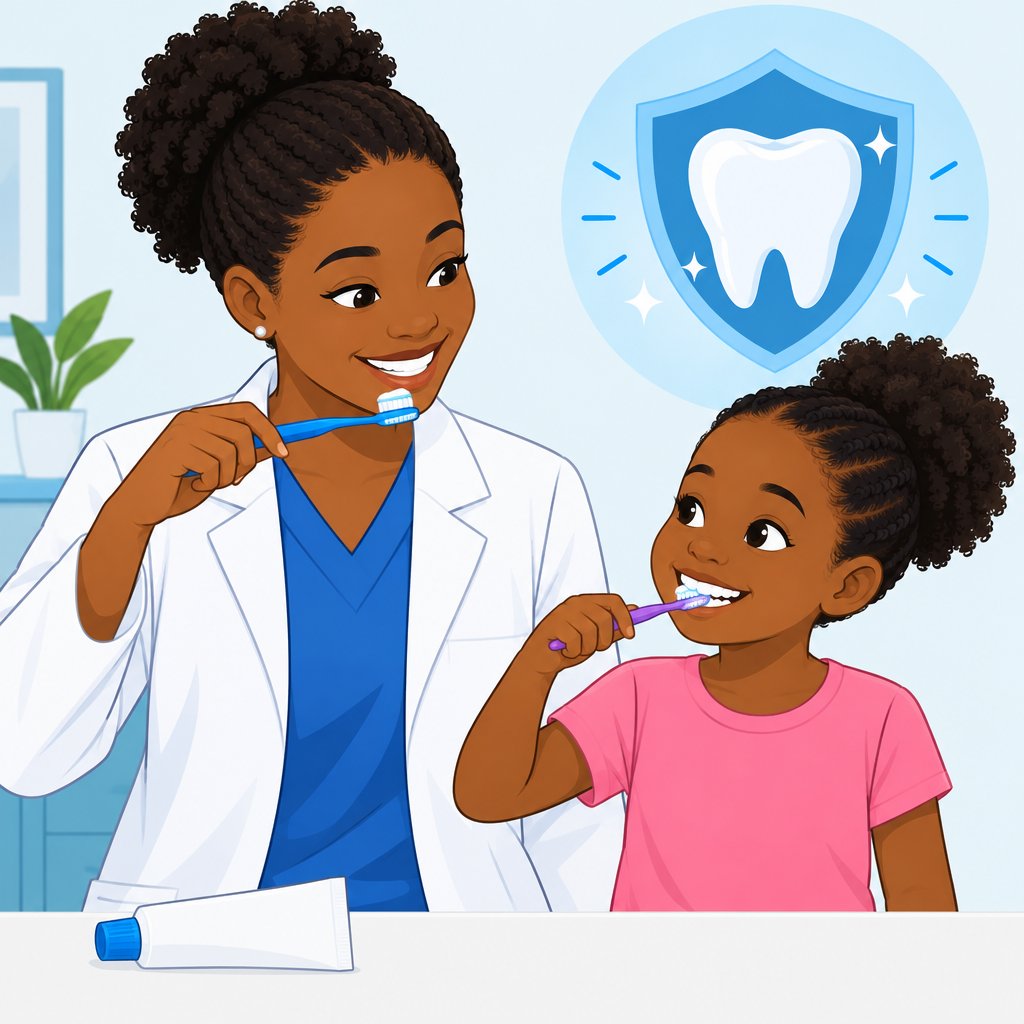
Children should brush with a pea-sized amount of fluoride toothpaste.
They should rinse thoroughly after brushing to avoid swallowing excess fluoride.
Dentists may provide fluoride treatments for children at high risk of cavities.
Parents should ask their child’s dentist about appropriate fluoride exposure.
Fluoride Supports Long Term Dental Health
Fluoride strengthens tooth enamel and supports cavity prevention within a consistent preventive dental care routine.
Therefore, including fluoride in daily oral care can help people maintain strong, healthy teeth over time.
For long term dental health, prioritize fluoride as part of your established oral care regimen.
Additional Resources
Google search results for Role of Fluoride in Preventive Dentistry Medical
Bing search results for Role of Fluoride in Preventive Dentistry Medical


