




Child Nutrition
Child nutrition supports healthy growth and development.
It provides children with dietary support for optimal health.
Families and communities help children receive proper nutrition.
Definition of Child Nutrition
Child nutrition refers to the dietary needs of children.
These needs support children’s health and development.
Proper dietary care helps children achieve optimal health.
Global Importance of Child Nutrition
Proper childhood nutrition supports physical development.
It also contributes to cognitive development and learning.
Additionally, good nutrition strengthens the immune system and helps prevent diseases.
Child Nutrition in Nigeria
Nigeria faces challenges with child malnutrition.
Poverty and food insecurity contribute to these challenges.
Government interventions and community initiatives can improve child nutrition for future generations.
Current Situation of Child Nutrition in Nigeria
Children in Nigeria face a serious nutrition crisis.
Malnutrition affects a significant portion of the country’s child population.
The World Health Organization identifies Nigeria among sub-Saharan Africa’s countries with high child malnutrition rates.
Key Statistics on Child Malnutrition
Chronic malnutrition has caused stunting among more than 37 percent of Nigerian children.
Additionally, nearly 18 percent of children experience wasting, which involves severe weight loss.
More than 10 percent of children remain underweight because their diets lack essential nutrients.
- Over 37 percent of children experience stunting from chronic malnutrition.
- Nearly 18 percent of children suffer from wasting and severe weight loss.
- More than 10 percent of children are underweight because of insufficient nutrients.
- Malnutrition contributes significantly to Nigeria’s high infant mortality rate.
Factors Affecting Child Nutrition
Food insecurity and poverty prevent many families from accessing nutritious food.
Furthermore, limited nutrition education can lead to inadequate childcare and breastfeeding practices.
Unsafe water, poor sanitation, and cultural practices also increase children’s nutrition risks.
- Food insecurity and poverty restrict access to nutritious meals.
- Limited education affects nutrition knowledge and breastfeeding practices.
- Inadequate water and sanitation increase infections and malnutrition risks.
- Early marriage and gender discrimination can affect children’s access to food.
Government Programs Addressing Child Nutrition
The Nigerian government uses national policies and strategies to address child malnutrition.
These efforts involve government agencies, civil society, and private sector partners.
School feeding and coordinated nutrition programs provide targeted support for children.
- The National Policy on Food and Nutrition addresses malnutrition nationwide.
- The National Food and Nutrition Strategy coordinates targeted interventions.
- The National School Feeding Program provides nutritious meals to schoolchildren.
- The Scaling Up Nutrition Movement unites multiple partners against malnutrition.
Physical Growth and Cognitive Development
Malnutrition can restrict physical growth among children in Nigeria.
It may cause stunting and underweight, which can weaken children’s overall health.
Additionally, inadequate nutrition can hinder brain development, learning, concentration, and memory.
Health Consequences of Childhood Malnutrition
Children with malnutrition may face greater vulnerability to illnesses and infections.
A weakened immune system can further disrupt their physical development and well-being.
Childhood malnutrition can also increase later risks of diabetes, hypertension, and cardiovascular problems.
Hormonal and Metabolic Effects
Malnutrition can disrupt hormonal balance during childhood.
These disruptions may affect growth and metabolism over time.
Consequently, hormonal and metabolic problems can affect long-term health and quality of life.
Educational Effects of Malnutrition
Malnourished children may struggle to concentrate because fatigue reduces their energy.
Moreover, impaired memory and problem-solving skills can lower academic performance.
Malnutrition may also contribute to absenteeism and school dropout, limiting future educational opportunities.
Addressing these effects requires stakeholders, policymakers, and communities to prioritize child nutrition.
Such action can support Nigerian children’s health, learning, and future development.
Uncover the Details: Challenges in Biomedical Technology Education Nigeria
Nutrition and Child Well-Being in Nigeria
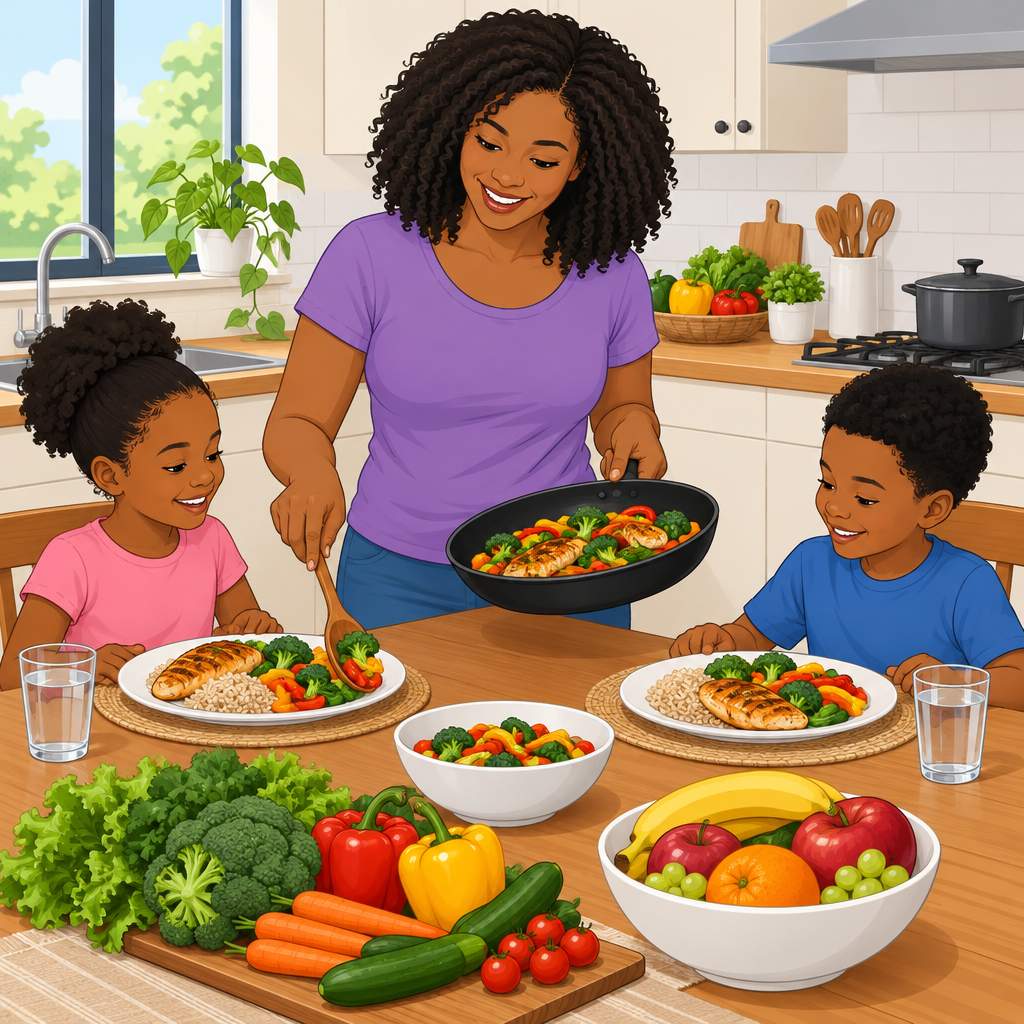
Adequate nutrition helps children maintain health and well-being.
Transform Your Career with Expert Guidance
Get personalized mentorship consulting that’s tailored to your unique path. Our expert advice is actionable and exclusive.
Get StartedIt supplies essential nutrients that support the body’s proper functions.
Furthermore, balanced meals can help prevent malnutrition and related health problems.
Nutrition and Children’s Cognitive Abilities
Good nutrition can improve children’s cognitive abilities and academic performance.
Well-nourished children may focus better and learn more effectively.
Additionally, nutrient-rich foods can support memory, concentration, and problem-solving skills.
Nutrition for Disease Prevention and Healthy Development
Proper nutrition helps prevent diseases and supports children’s healthy development.
A balanced diet can strengthen the immune system and help the body resist illness.
It also supports organ development, bone health, and physical growth.
See Related Content: Gynaecological Health Services in Nigeria
Challenges Affecting Child Nutrition in Nigeria
Several challenges make it difficult to ensure adequate child nutrition in Nigeria.
Food access, cultural practices, poverty, and healthcare limitations can interact.
Therefore, coordinated responses must address these barriers together.
- Many families struggle to provide enough food for their children.
- Limited access to nutritious foods affects many communities, especially rural areas.
- Food insecurity can contribute to undernutrition among children.
- Insufficient food may contribute to malnutrition and poor growth.
Cultural Influences on Child Nutrition
Cultural beliefs can influence how families feed and care for children.
Some traditional practices may limit children’s consumption of essential foods.
Nutrition education can help communities address misconceptions about balanced diets.
- Traditional beliefs may influence children’s nutritional status.
- Some practices discourage foods that support proper growth and development.
- Misinformation can affect dietary choices for children.
- Community education can help address cultural barriers to proper nutrition.
Poverty and Healthcare Barriers
Poverty remains a major factor behind poor nutrition outcomes among children.
Families with limited resources may struggle to buy nutritious foods.
They may also face difficulties accessing essential healthcare services.
- Poverty can restrict families’ ability to purchase nutritious foods.
- Inadequate healthcare resources can worsen nutritional challenges.
- Limited healthcare infrastructure can affect children needing nutritional support.
- Social support programs can help address poverty’s effects on child nutrition.
Coordinated Responses to Nutrition Challenges
Addressing these challenges requires a multifaceted approach.
Improving access to nutritious foods can support better nutrition for children.
Nutrition education and stronger healthcare access can address systemic barriers.
Uncover the Details: Preventing Vision Loss: Tips from Nigerian Ophthalmologists
Several strategies can improve child nutrition in Nigeria.
These approaches can strengthen children’s health and well-being.
Education, breastfeeding, and collaboration provide the main focus.
Education and Awareness for Child Nutrition
Education helps families understand the nutritional needs of children.
Moreover, awareness can encourage healthier eating habits among parents and caregivers.
Schools can also help children learn how to make healthier food choices.
- Educational programs can teach parents and caregivers about healthy eating habits.
- Workshops and seminars can explain children’s nutritional needs and appropriate dietary choices.
- School collaboration can promote nutrition education and healthier food decisions among children.
Breastfeeding and Proper Weaning Practices
Breastfeeding gives infants essential nutrients during their earliest stage of life.
Furthermore, careful weaning helps children transition safely toward solid foods.
Training can help mothers use effective breastfeeding techniques and introduce nutritious foods.
- Breastfeeding supports infants with essential nutrients for growth and development.
- Proper weaning practices help children receive adequate nutrition from solid foods.
- Training sessions can guide mothers on breastfeeding and nutritious weaning foods.
Government, NGO, and Community Collaboration
Government action can establish policies that support child nutrition and healthcare access.
Meanwhile, NGOs can deliver nutrition interventions to vulnerable populations.
Community participation can create sustainable support systems for improving child nutrition.
- The government can implement policies supporting child nutrition and essential healthcare services.
- NGOs can provide nutrition interventions and support for vulnerable populations.
- Communities can develop initiatives that create sustainable nutrition support systems.
By combining these strategies, Nigeria can strengthen efforts to address child nutrition.
Coordinated action can support healthier futures for children across the country.
Delve into the Subject: Choosing ENT Surgery or Alternative Treatments
Investment in Child Nutrition Strengthens Nigeria’s Future
Prioritizing child nutrition can help Nigeria build a healthier and more prosperous future.
Moreover, such investment can support cognitive development and improve health outcomes.
As a result, Nigeria can develop a stronger workforce over time.
Additional Resources
Google search results for Importance of Child Nutrition in Nigeria Medical
Bing search results for Importance of Child Nutrition in Nigeria Medical


