



Introduction
Dental health is crucial.
Advancements in dental technology play a significant role.
These advancements support the importance of modern dental care.
Overview of Dentistry in Nigeria
Dentists in Nigeria diagnose, treat, and prevent oral diseases and disorders.
They also teach patients practical oral hygiene habits.
Through these services, dentists support oral care within Nigeria’s broader healthcare system.
Current State of Dentistry in Nigeria
Nigeria has established more dental schools in recent years.
The number of practicing dentists has also increased.
However, many people, particularly in rural areas, still struggle to access quality dental care.
Challenges Affecting Dental Care
Dental professionals face several barriers while serving patients across the country.
Limited resources can restrict the services that clinics provide.
Financial and geographic obstacles can also prevent people from receiving timely treatment.
- Dental clinics often lack adequate infrastructure and equipment.
- Rural areas experience shortages of skilled dental professionals.
- High treatment costs make dental care unaffordable for many Nigerians.
- Many people remain unaware of oral health’s importance.
- Government support for the dental sector remains inadequate.
Dentists’ Role in Promoting Oral Health
Dentists conduct routine examinations and treat various dental conditions.
They explain proper hygiene practices to patients during care.
Additionally, they work with other healthcare professionals on community oral health concerns.
Greater awareness, government support, and investment could strengthen dental services.
These measures could improve oral health outcomes for Nigerians.
Dental Technology in Nigeria
Dental technology uses equipment and techniques to improve dental care in Nigeria.
Many Nigerian dental practices now incorporate modern tools to support patient care.
These tools assist professionals with diagnosis, treatment, prevention, and communication.
Applications of Dental Technology in Nigeria
Dental technology includes tools and processes that support dental diagnosis, treatment, and disease prevention.
Digital imaging gives professionals detailed information about oral structures.
Meanwhile, CAD/CAM systems help create dental restorations with greater efficiency.
Advantages of Technology in Dentistry
Technology strengthens several important areas of dental practice.
For example, digital systems can improve accuracy during diagnosis and treatment.
Additionally, modern tools can streamline workflows and support clearer communication.
- Three-dimensional imaging supports more accurate and comprehensive diagnoses of dental issues.
- Laser dentistry and digital impressions can make procedures more precise and efficient.
- Modern dental technology can reduce discomfort and pain during procedures.
- Automation and digital tools streamline workflows and help professionals deliver care efficiently.
- Digital technologies support clearer communication among dental teams, specialists, and patients.
Modern Dental Technologies Used in Nigeria
Nigerian dental practices use several modern technologies for diagnosis, treatment, and patient education.
These tools support treatment planning, dental procedures, and restoration production.
Their applications vary according to patient needs and clinical purpose.
- CBCT creates detailed, three-dimensional images of teeth, jaws, and surrounding structures.
- Intraoral cameras capture high-definition mouth images for diagnosis and patient education.
- Lasers support gum contouring, cavity treatment, and soft tissue surgeries.
- CAD/CAM technology creates restorations such as crowns and bridges during one visit.
- Digital scanners create precise three-dimensional tooth models without traditional impressions.
Discover More: Eye Health Myths: Nigerian Ophthalmologists Debunking Misconceptions
Training and Education in Dental Technology
Dentists and dental technologists follow different training paths.
Their education reflects distinct responsibilities in oral healthcare.
Dentists diagnose and treat conditions, while technologists fabricate appliances from dentists’ specifications.
Education Paths for Dental Professionals
Dentists typically earn a Doctor of Dental Surgery or Doctor of Dental Medicine degree.
Accredited dental schools usually provide these programs over four years.
Students combine classroom instruction with practical clinical experience.
Dental technologists receive specialized training in fabricating crowns, bridges, and dentures.
Their programs may range from certificate courses to two-year associate degrees.
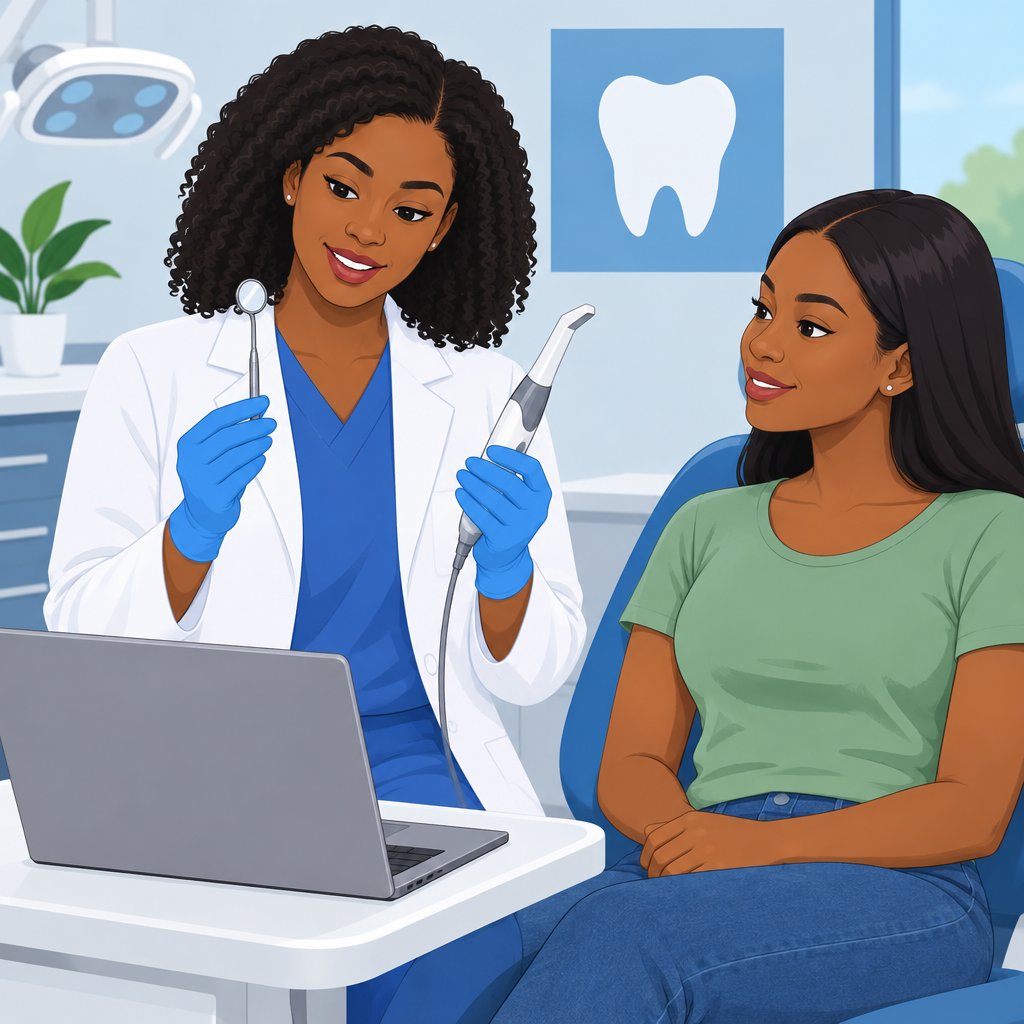
Accredited Dental Technology Institutions in Nigeria
Several Nigerian institutions offer dental technology programs.
The University of Benin, University of Lagos, and Federal University of Technology, Owerri, appear among them.
Transform Your Career with Expert Guidance
Get personalized mentorship consulting that’s tailored to your unique path. Our expert advice is actionable and exclusive.
Get StartedThese programs prepare students for work in dental clinics, laboratories, and other healthcare settings.
Coursework covers dental materials, dental anatomy, laboratory techniques, and digital dentistry.
Continuous Learning and Professional Development
Continuous learning helps technologists remain informed about advancements and trends.
They can participate in continuing education courses and attend professional conferences.
They can also follow industry updates to strengthen their current knowledge.
Professional development expands expertise and may create additional career opportunities.
By maintaining their skills, technologists can produce high-quality dental prostheses for patients.
Uncover the Details: Internship and Residency Programs for Nigerian Vets
Public Awareness and Access to Dental Services
Public awareness campaigns can help Nigerians understand the value of consistent oral hygiene.
They can also explain how regular dental care supports early identification of oral problems.
However, limited facilities and resources continue to restrict access to dental services in many communities.
Importance of Public Awareness Campaigns
First, public education teaches individuals practical habits for maintaining clean and healthy teeth.
Moreover, campaigns encourage people to schedule regular dental check-ups before problems become more serious.
Consequently, timely information can support early detection and prevention of dental conditions.
- Campaigns educate individuals about proper oral hygiene practices.
- They increase awareness about the importance of regular dental check-ups.
- They promote early detection and prevention of dental problems.
Challenges Affecting Access to Dental Services
Many remote communities lack dental clinics with suitable equipment and sufficient resources.
Additionally, treatment costs can prevent low-income individuals from seeking necessary dental care.
Meanwhile, a shortage of skilled professionals limits the services available in underserved areas.
- Remote areas often lack dental infrastructure and essential resources.
- High treatment costs restrict access for many individuals.
- A shortage of skilled dental professionals reduces available services.
Measures for Improving Dental Service Access
Expanding dental infrastructure can bring essential services closer to underserved communities.
Furthermore, training and incentives can encourage skilled professionals to serve remote areas.
Affordable treatment options and public education can help more Nigerians use available dental services.
- Invest in additional dental clinics and upgrade existing facilities.
- Provide training and incentives for professionals serving underserved areas.
- Implement campaigns that explain the importance of dental health.
- Offer affordable or free treatment for low-income individuals.
These measures can strengthen dental healthcare access across Nigeria.
Better infrastructure, professional support, and education can help communities receive quality dental care.
Gain More Insights: Volunteer Opportunities in Nigerian Ophthalmology Sector
Collaboration Between Dentists and Dental Technologists
Dentists diagnose and treat dental conditions.
Dental technologists create prosthetics and appliances that support dental treatment.
Together, they provide coordinated oral healthcare services tailored to patient needs.
Importance of Professional Collaboration
This partnership helps patients receive customized dental solutions.
Moreover, shared expertise supports precise and effective treatments.
Consequently, patients may experience improved treatment outcomes.
Efficient Teamwork and Patient Care
Effective collaboration can streamline treatment processes and strengthen patient care.
Clear communication helps both professions execute treatment plans accurately.
Additionally, dentists and technologists can develop solutions for complex dental cases.
This teamwork supports a seamless treatment experience.
Successful Collaboration in Nigeria
In Nigeria, dentists and dental technologists have collaborated in several settings.
For example, a dental clinic and laboratory in Lagos provide complementary services.
The clinic offers restorative and cosmetic services, while the laboratory fabricates dental prosthetics.
Together, they support treatments ranging from fillings to implant restorations.
Another partnership connects a teaching hospital with a dental technology school.
This arrangement gives dental students practical experience creating prosthetics under professional guidance.
Explore Further: Financial Aid for Medical Students in Nigeria: Options
Integrating Technology with Traditional Dental Care
This comparison shows that dental technology and traditional dentistry can support oral healthcare in Nigeria.
Recent technological advances can make dental treatments more efficient and accessible for patients.
Therefore, individuals should prioritize oral health when choosing suitable dental care options.
Patients can also review current advancements before discussing treatment decisions with dental professionals.
Meanwhile, dental professionals can explain how available technologies support each patient’s care.
Nigeria’s dental sector can continue developing through innovation and thoughtful adaptation.
Both professionals and patients must respond constructively as dental practices change.
Such cooperation can help connect technological benefits with established dental knowledge.
Consequently, coordinated care may support improved oral health outcomes for people across Nigeria.
By exploring suitable options, patients can participate more actively in their dental care.
Continued attention to innovation can create further opportunities for dentistry in Nigeria.
Additional Resources
Google search results for Dental Technology vs. Dentistry in Nigeria Medical
Bing search results for Dental Technology vs. Dentistry in Nigeria Medical


