



Internship and Residency Opportunities for Nigerian Vets
Nigerian vets can advance their education through internship and residency programs.
These programs provide hands-on experience and specialized training across various veterinary fields.
They help veterinarians develop advanced clinical skills, improve patient care, and strengthen critical thinking.
Additionally, participants can connect with experienced professionals across the veterinary industry.
As Nigeria’s veterinary profession evolves, these programs help veterinarians remain competitive.
By joining these programs, Nigerian vets expand their knowledge and follow advances in veterinary medicine.
Overview of Internship Programs
Internship programs support practical learning for Nigerian veterinary students.
They organize training across several veterinary fields.
Through supervised work, students connect classroom knowledge with professional practice.
- These programs provide hands-on experience for Nigerian veterinary students.
- Structured training introduces students to various veterinary fields.
- Students apply classroom knowledge during practical activities.
- They also develop essential skills, including critical thinking and problem-solving.
- Experienced professionals guide students throughout the internship experience.
Benefits of Participating in an Internship Program
Internships help veterinary students strengthen their preparation for professional work.
They also connect students with professionals across the veterinary industry.
Additionally, practical training helps students identify suitable veterinary career options.
- Students gain firsthand experience in veterinary practice.
- They build connections with professionals in the veterinary industry.
- Internships improve clinical skills and expand veterinary knowledge.
- Participation can make a student’s resume more attractive to employers.
- Students explore different areas within the veterinary field.
Requirements for Veterinary Internship Programs
Veterinary internship programs require applicants to meet educational and professional standards.
Applicants also need relevant skills and experience to strengthen their applications.
Some programs assess applicants through written examinations or interviews.
- Applicants must hold a veterinary medicine degree from a recognized university.
- Aspiring veterinarians must hold a valid Veterinary Council of Nigeria practicing license.
- Applicants should demonstrate strong communication, problem-solving, and teamwork skills.
- Previous experience in veterinary clinics or animal shelters can strengthen applications.
- Some programs require applicants to pass written examinations or interviews.
Find Out More: Volunteer Opportunities in Nigerian Ophthalmology Sector
Veterinary Program Application Process
Veterinary applicants should organize their materials before applying to internship or residency programs.
Internship and residency applications follow different requirements, deadlines, and submission procedures.
Applicants can strengthen their submissions by matching their experience with each program’s expectations.
Internship Program Application Process
Applicants should first research veterinary clinics or hospitals offering internship programs.
Because deadlines vary by institution, applicants must track each program’s application dates carefully.
Clinics may accept applications online or in person at designated locations.
- Prepare a resume or curriculum vitae for the application.
- Write a cover letter that explains your interest in the internship.
- Include academic transcripts and letters of recommendation.
- Submit a statement of purpose when the program requires one.
- Follow the clinic’s instructions when submitting application materials.
Tips for a Strong Internship Application
Applicants should study each program’s requirements and expectations before preparing their materials.
They should emphasize relevant coursework, skills, and experiences related to veterinary medicine.
Additionally, applicants should prepare for interviews by practicing thoughtful responses to common questions.
- Tailor each application to the specific internship program.
- Highlight experiences that demonstrate commitment to veterinary learning.
- Personalize the cover letter and statement of purpose.
- Request recommendations from professors, supervisors, or veterinarians.
- Practice explaining your goals and relevant preparation during interviews.
Residency Program Application Process
Veterinarians usually complete an internship before applying for residency programs.
They also typically obtain a license to practice before submitting residency applications.
Residency applicants must monitor deadlines and submit complete materials through the required method.
- Prepare a detailed resume for the residency application.
- Include letters of recommendation and academic transcripts.
- Write a personal statement describing your professional direction.
- Submit case reports or research publications when required.
- Use the program’s online portal or mailing instructions.
Tips for a Strong Residency Application
Residency applicants should present clear evidence of expertise in their chosen veterinary specialty.
Research projects, publications, and presentations can demonstrate commitment to veterinary knowledge.
Applicants should also prepare for interviews by reviewing common questions and specialty topics.
- Emphasize specialized knowledge throughout the application.
- Describe relevant research projects, publications, or presentations.
- Request recommendations from mentors, colleagues, or supervisors.
- Connect your background with each residency program’s goals.
- Demonstrate knowledge and passion during residency interviews.
Discover More: Financial Aid for Medical Students in Nigeria: Options
Residency Training for Nigerian Veterinarians
Internships usually last one year and provide broad clinical exposure.
They help recent graduates transition from classroom learning to professional veterinary practice.
Residents pursue intensive training after completing an internship.
Residency programs usually last three to four years and focus on specific veterinary disciplines.
Residents work under experienced specialists while managing advanced cases and making clinical decisions.
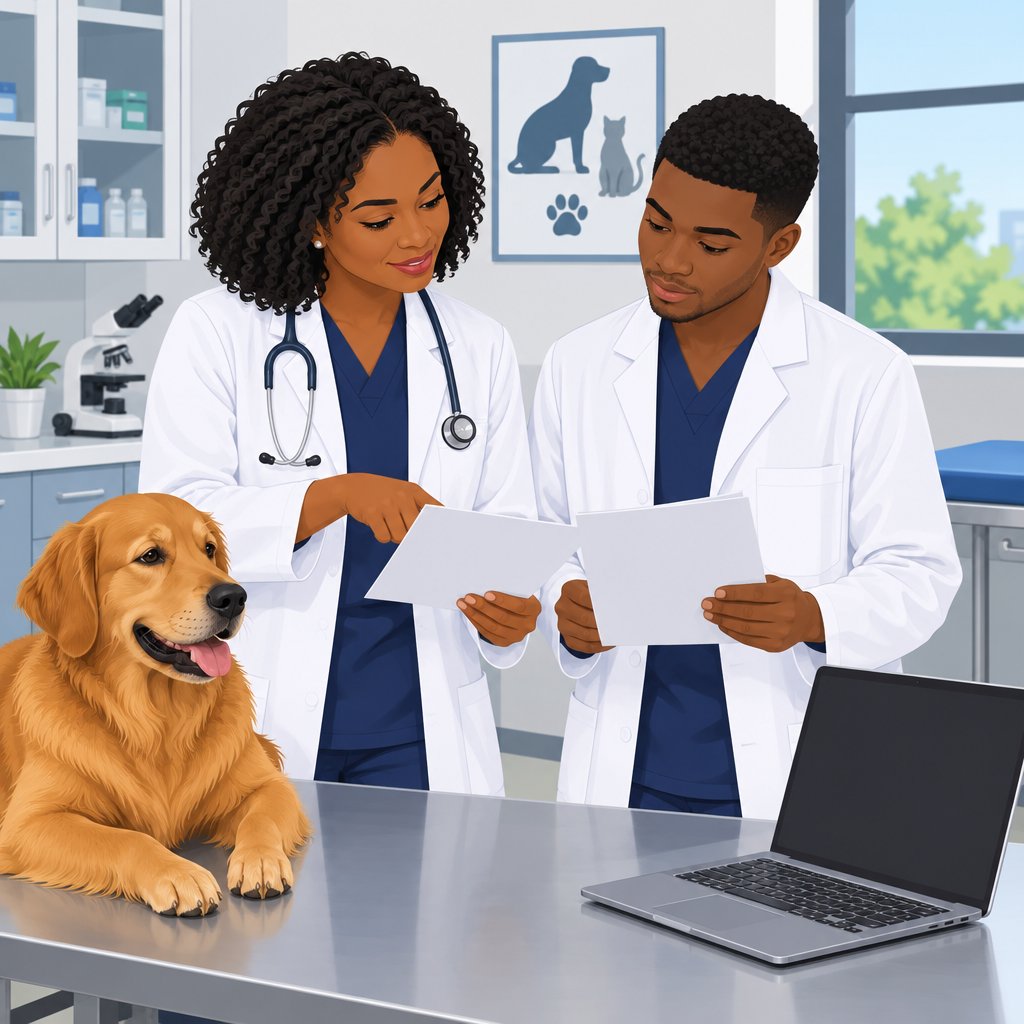
Specialization Opportunities Through Residency Programs
Residency training allows Nigerian veterinarians to develop expertise in a chosen area.
Residents may conduct research, publish papers, attend conferences, and participate in professional discussions.
These activities strengthen clinical knowledge while encouraging critical thinking and problem-solving.
Transform Your Career with Expert Guidance
Get personalized mentorship consulting that’s tailored to your unique path. Our expert advice is actionable and exclusive.
Get Started- Exotic animal medicine offers focused training for veterinarians interested in nontraditional species.
- Cardiology provides advanced preparation for diagnosing and managing heart-related conditions.
- Dermatology develops expertise in diagnosing and treating animal skin conditions.
- Surgery, internal medicine, and oncology provide additional specialist training pathways.
Professional Benefits of Residency Experience
Residents gain greater responsibility as they handle complex cases with guidance from mentors.
This responsibility helps them improve decision-making, problem-solving, and clinical judgment.
Specialization can support stronger career opportunities, higher salaries, and greater professional satisfaction.
Residency programs also help veterinarians build relationships with professionals in their chosen fields.
Residents collaborate on research, attend seminars, and connect with experienced veterinary specialists.
These professional connections can support mentorship, employment opportunities, and continuing education.
Explore Further: Top Anaesthesiology Conferences in Nigeria
Benefits of Residency Programs
Completing a residency program offers numerous advantages for veterinarians.
These programs help veterinarians advance their careers.
They also support deeper expertise in specific veterinary fields.
Career Advancement
Residency programs provide specialized training and practical experience.
This preparation can make veterinarians more marketable to potential employers.
Residency training can also support better job opportunities and higher salaries.
- Residency programs provide veterinarians with specialized training and experience.
- Having residency training can make a veterinarian more marketable to potential employers.
- Residency graduates often gain better job opportunities and higher salaries.
- A residency can open doors to leadership positions within veterinary organizations.
Enhanced Skills and Knowledge
Residency programs allow veterinarians to focus on specific areas of veterinary medicine.
Intensive training and mentorship help residents gain in-depth expertise.
Residents can also work with leading experts and access advanced technologies.
- Residency programs allow veterinarians to focus on a specific veterinary field.
- Through intensive training and mentorship, residents gain in-depth expertise.
- Residents can work with top experts in their chosen fields.
- Residents often access advanced diagnostic and treatment technologies.
Residency training can significantly strengthen a veterinarian’s career prospects.
It can also expand professional expertise in veterinary medicine.
These benefits may support a more fulfilling and successful professional life.
Find Out More: The Future of Optometry Practice in Nigeria
Specialized Areas of Study
Veterinary residency programs offer focused training in several specialized areas.
These areas include surgery, internal medicine, diagnostic imaging, emergency care, and reproductive health.
Together, these specialties help veterinarians develop expertise in animal care.
- Veterinary Surgery: Veterinarians learn advanced techniques for animal surgical procedures.
- Internal Medicine: Veterinarians diagnose and treat diseases in animals.
- Diagnostic Imaging: Veterinarians interpret tests such as X-rays and ultrasounds.
- Emergency and Critical Care: Veterinarians manage emergency situations involving animals.
- Theriogenology: Veterinarians manage reproductive health and breeding in animals.
Choosing the Right Residency Program
Choosing a residency program requires alignment with your career goals and interests.
The right choice can influence your future success in veterinary medicine.
Therefore, applicants should compare each program with their professional goals and personal interests.
- Specialization: A suitable program supports focused training in a specific veterinary field.
- Advanced Knowledge: Residents gain deeper knowledge and expertise in their chosen field.
- Career Growth: Specialized training can support career advancement and higher salaries.
- Networking: Residents connect with professionals and experts in their specialized field.
- Personal Fulfillment: Residents can pursue their interests and passion for veterinary medicine.
Professional Growth Through Advanced Veterinary Training
Internship and residency programs create valuable pathways for Nigerian veterinarians seeking professional growth.
Internships let participants apply theoretical knowledge in practical veterinary settings.
Additionally, participants gain experience while connecting with professionals across the field.
These connections may support future career opportunities.
Residency programs provide focused and intensive training within a chosen area of veterinary medicine.
Consequently, this advanced preparation can expand career options and strengthen job prospects.
Both programs encourage veterinarians to follow new developments in veterinary medicine.
Therefore, participants can improve the care they provide for animals.
These experiences also develop communication, problem-solving, and teamwork skills.
Moreover, practical training helps veterinarians respond more confidently to professional responsibilities.
Aspiring veterinarians should consider these programs as part of their professional development.
By pursuing these opportunities, Nigerian veterinarians can continue learning and expanding their capabilities.
This continued development can support meaningful contributions to veterinary medicine.
Additional Resources
Google search results for Internship and Residency Programs for Nigerian Vets Medical
Bing search results for Internship and Residency Programs for Nigerian Vets Medical


