



Introduction
Eye health is crucial for overall well-being.
However, Nigeria has numerous misconceptions surrounding eye care.
Accurate information from ophthalmologists can help debunk these myths.
Myth: Carrots Improve Eyesight
Eating carrots alone does not miraculously improve eyesight.
Carrots provide Vitamin A, which supports eye health.
However, eating large quantities does not automatically enhance vision.
Nutrients That Support Eye Health
- Omega-3 fatty acids from fish like salmon help maintain retinal health.
- Lutein and zeaxanthin from spinach and kale help protect eyes from harmful blue light.
- Vitamin C from citrus fruits helps reduce the risk of cataracts and macular degeneration.
These nutrients support different aspects of eye health.
Balanced Eating for Eye Health
Ophthalmologists recommend a well-rounded diet to support overall eye health.
This diet includes fruits, vegetables, whole grains, lean proteins, and healthy fats.
Additionally, colorful fruits and vegetables provide a variety of beneficial nutrients.
Therefore, people should choose diverse, nutrient-rich foods instead of relying on carrots alone.
Many people believe that reading in dim light can damage their eyes.
However, this belief confuses temporary discomfort with lasting eye damage.
Understanding the difference helps readers choose comfortable reading conditions.
Effects of Reading in Dim Light
Reading in dim light can make your eyes work harder to focus.
This effort may cause temporary eye strain, fatigue, headaches, or discomfort.
However, dim light does not damage the eyes.
Ophthalmologists’ Advice for Comfortable Reading
Ophthalmologists recommend adequate lighting to reduce unnecessary eye strain.
They also advise readers to reduce glare and rest their eyes regularly.
These simple adjustments can make reading more comfortable.
- Use sufficient light when reading to reduce strain on your eyes.
- Position the light source behind you to limit reflections on the page.
- Choose a glare-reducing lamp for a clearer reading surface.
- Follow the 20-20-20 rule by looking twenty feet away every twenty minutes.
- Keep looking at the distant object for twenty seconds before reading again.
Healthy Reading Habits
Readers can support comfortable vision by combining good lighting with sensible reading habits.
Adjustable brightness allows you to create suitable lighting for different conditions.
Regular eye check-ups can also help monitor eye health and address concerns.
- Use a reading lamp with adjustable brightness for suitable lighting.
- Position your book at a comfortable distance from your eyes.
- Visit an ophthalmologist annually to monitor your eye health.
Reading in dim light may cause temporary strain, but it does not damage your eyes.
Better lighting, reduced glare, and regular breaks can improve reading comfort.
These habits allow you to enjoy reading while supporting good eye health.
Gain More Insights: Internship and Residency Programs for Nigerian Vets
Wearing Glasses Does Not Make Eyes Lazy
Wearing glasses corrects refractive errors instead of weakening the eyes.
Glasses help the eyes focus clearly when natural focusing does not work properly.
Lazy eye, or amblyopia, develops from underlying eye coordination problems, not from wearing glasses.
- Explanation of why this myth is untrue
- Benefits of wearing glasses for vision correction
- Ophthalmologists’ recommendations for proper glasses use
Benefits of Glasses for Vision Correction
Glasses improve visual clarity for people with myopia, hyperopia, or astigmatism.
Corrective lenses can reduce eye strain, headaches, and blurred vision caused by uncorrected refractive errors.
Clearer vision can support safer driving, computer use, reading, and other daily activities.
Properly prescribed glasses improve sight while reducing unnecessary effort during visual tasks.
Ophthalmologists’ Recommendations for Using Glasses
Consult an eye care professional for the correct prescription after a comprehensive eye examination.
Choose frames that fit comfortably and securely to prevent slipping or discomfort.
Clean the lenses according to professional instructions to preserve clarity and prevent scratches.
Wear glasses as advised, especially during activities that require clear vision.
Regular follow-up visits help providers assess vision and adjust prescriptions when necessary.
Following professional guidance supports clearer vision and promotes comfortable eye use.
Transform Your Career with Expert Guidance
Get personalized mentorship consulting that’s tailored to your unique path. Our expert advice is actionable and exclusive.
Get StartedGain More Insights: Volunteer Opportunities in Nigerian Ophthalmology Sector
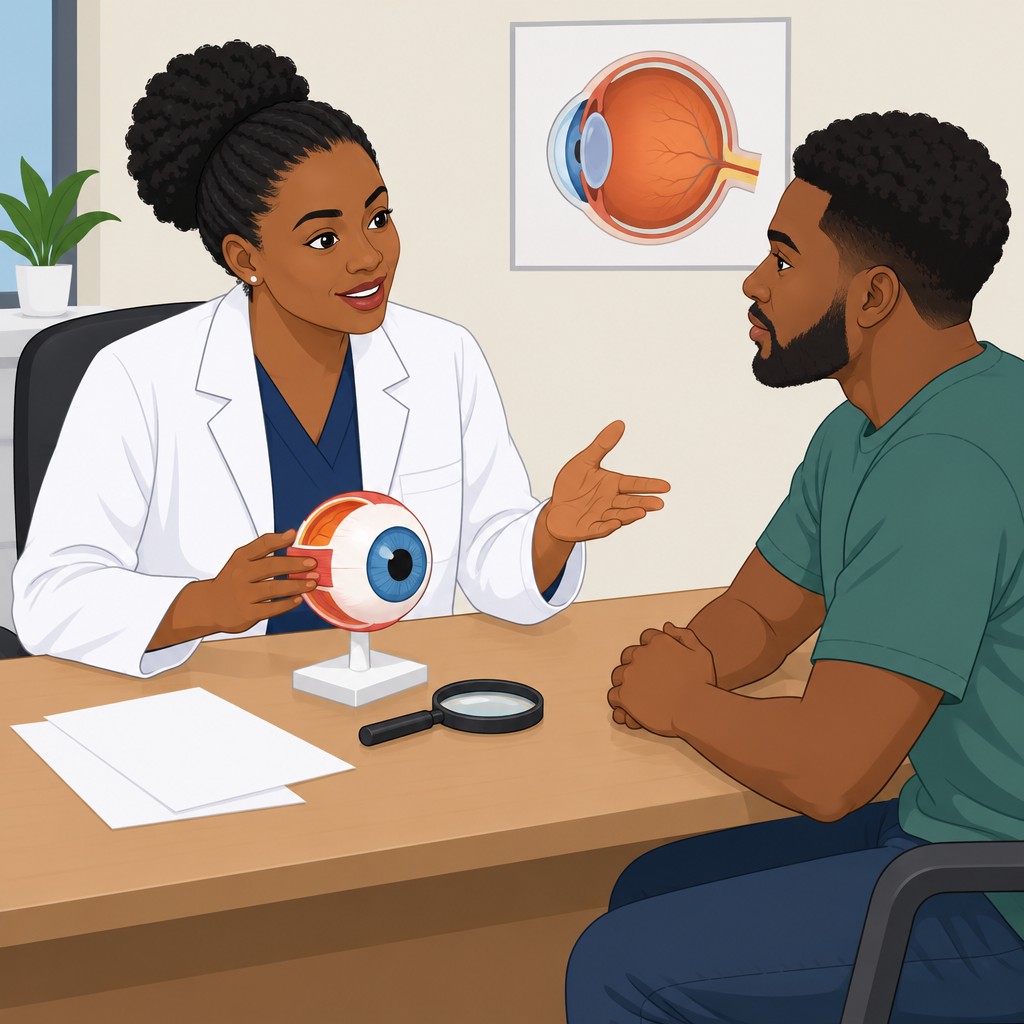
Rubbing Your Eyes Does Not Improve Vision
Many people believe rubbing their eyes improves vision or relieves eye strain.
However, this common misconception can cause more harm than good.
Rubbing can introduce dirt, bacteria, or other particles, causing irritation and possible infections.
Risks Associated With Eye Rubbing
Eye rubbing can scratch the cornea.
It can also increase pressure inside the eye and damage blood vessels.
Chronic rubbing may contribute to keratoconus, which thins and misshapes the cornea.
This condition can affect vision quality.
Additionally, vigorous rubbing may worsen dry eye syndrome or allergies.
Safer Ways to Reduce Eye Strain
Ophthalmologists recommend several alternatives to eye rubbing.
These options can reduce discomfort during prolonged visual tasks.
They can also support comfortable eye use without rubbing.
- Take regular breaks when working on screens or performing tasks requiring prolonged focus.
- Practice eye exercises to strengthen eye muscles and improve focusing ability.
- Use adequate workspace lighting to reduce eye strain and prevent squinting.
- Follow a diet rich in vitamins A, C, and E, plus omega-3 fatty acids.
- Use lubricating eye drops to relieve dryness and discomfort.
Find Out More: Financial Aid for Medical Students in Nigeria: Options
Only Older Adults Need to Worry About Eye Health
Eye health matters at every age because people rely on their eyes for daily activities.
- Infants and Children: Early detection of eye issues can prevent long-term vision problems.
- Teenagers and Adults: Screen time and digital eye strain increasingly affect these age groups.
- Older Adults: Age-related macular degeneration and cataracts commonly affect older individuals.
Therefore, ophthalmologists recommend regular eye check-ups for people of all ages.
An eye care professional can identify problems early and help prevent potential vision loss.
Caring for your eyes remains a lifelong commitment, regardless of age.
Explore Further: Top Anaesthesiology Conferences in Nigeria
Reliable Eye Health Information
Nigerian ophthalmologists have challenged several misconceptions about eye health.
Accurate information helps people make safer decisions about their eyes.
Therefore, people should seek professional advice before following eye care claims.
Screen Use and Eye Health
Staring at screens all day does not automatically cause permanent eye damage.
However, people should discuss eye concerns with qualified ophthalmologists.
Professional guidance can separate temporary discomfort from serious eye conditions.
Professional Eye Care and Public Awareness
Ophthalmologists provide accurate information and appropriate care for eye conditions.
Meanwhile, misinformation can encourage harmful practices and delay proper care.
Sharing reliable guidance can help Nigerians protect their eye health.
Additional Resources
Bing search results for Eye Health Myths: Nigerian Ophthalmologists Debunking Misconceptions Medical


