



Volunteer Opportunities in Nigerian Ophthalmology
Become a volunteer in the Nigerian ophthalmology sector.
Volunteering remains crucial for providing eye care services.
Volunteers gain experience while improving eye health in communities.
Moreover, volunteers provide rewarding free eye care services to underserved populations.
Additionally, volunteers help prevent blindness and promote eye health.
Through volunteering, individuals support community outreach, education, and improved vision.
Current State of Ophthalmology in Nigeria
Nigeria faces significant challenges in providing adequate eye care services to its population.
The country has only one ophthalmologist for approximately one million people.
Urban areas contain most eye care services, while rural communities remain underserved.
- Nigeria has a limited number of ophthalmologists.
- Most eye care services remain concentrated in urban areas.
- Many eye care facilities lack adequate infrastructure and equipment.
Challenges Affecting Eye Care Access
Nigeria has a high prevalence of avoidable blindness.
Cataracts remain one of the leading causes of avoidable blindness in the country.
Rural residents often lack basic services and treatment for common eye conditions.
- Avoidable blindness remains widespread across Nigeria.
- Cataracts contribute significantly to avoidable blindness.
- Healthcare facilities face shortages of optometrists, nurses, and technicians.
Volunteer Support for Nigerian Eye Health
Volunteers can help extend eye care services to remote communities.
They can screen patients for common eye conditions and provide basic treatment.
Additionally, volunteers can refer patients to specialist care when necessary.
- Volunteers can support outreach services in communities with limited access.
- They can assist with screening and basic treatment for common eye conditions.
- Volunteers can support training programs for local healthcare workers.
These efforts can strengthen local capacity and improve eye health across Nigeria.
Types of Volunteer Opportunities
- Medical missions
- Community eye screenings
- Surgical missions
Volunteers in medical missions provide eye care services to underserved communities.
Community eye screenings help volunteers identify and refer patients with eye issues.
Surgical missions allow volunteers to assist with sight-saving surgeries for patients.
Volunteer Roles and Responsibilities
- Medical mission volunteers provide eye care, conduct screenings, and educate patients.
- Community screening volunteers assist with examinations, collect data, and educate patients.
- Surgical mission volunteers assist surgeons, provide postoperative care, and follow up with patients.
These responsibilities vary according to each mission type.
Volunteers support patients before, during, and after eye care services.
They also help deliver education and collect information during community screenings.
Impact of Volunteer Services
- Medical missions support early detection and treatment of eye conditions, helping prevent blindness.
- Community eye screenings increase awareness and encourage regular eye check-ups.
- Surgical missions restore sight, improve quality of life, and empower individuals in need.
Volunteers play a crucial role in improving eye health and raising awareness.
They also help make eye care more accessible to communities in need.
Through these services, volunteers support better eye health and patient outcomes.
See Related Content: Financial Aid for Medical Students in Nigeria: Options
Organizations Supporting Ophthalmology Volunteering in Nigeria
Several reputable organizations in Nigeria provide volunteer opportunities in ophthalmology.
These organizations work to improve eye health and vision care across the country.
They rely on volunteers to support their eye care projects.
Nigerian Optometric Association
- The Nigerian Optometric Association promotes and advances optometry in Nigeria.
- It conducts eye care outreach programs and provides free eye screenings.
- Licensed optometrists and optometry students can volunteer with the association.
The association has organized eye care camps in underserved communities.
These camps provide vision tests and free eyeglasses to people who need them.
Eye Foundation Hospital
- Eye Foundation Hospital aims to provide quality eye care services to Nigerians.
- The hospital offers cataract surgeries, glaucoma treatment, and other eye care services.
- Qualified ophthalmologists and nurses can volunteer for surgical missions.
Hospital volunteers have helped restore sight through successful cataract surgeries.
They have also supported other eye procedures for patients requiring care.
International Agency for the Prevention of Blindness
- IAPB Nigeria works toward eliminating avoidable blindness in the country.
- The organization advocates for eye health policies and promotes eye health education.
- Volunteers with public health or ophthalmology expertise can support its work.
Volunteers have collaborated with IAPB Nigeria on sustainable eye health programs.
Those programs have benefited vulnerable populations through improved eye health support.
Christoffel Blinden Mission Nigeria
- CBM Nigeria works to prevent blindness and improve life for people with disabilities.
- It supports inclusive eye care services and disability-inclusive development projects.
- Volunteers with disability rights or eye care experience can support its programs.
CBM Nigeria volunteers have supported efforts to promote inclusive eye care.
They have also helped empower people with disabilities through organizational projects.
VisionSpring Nigeria
- VisionSpring Nigeria increases access to affordable eyeglasses for low-income individuals.
- The organization provides vision screenings and distributes affordable eyewear.
- Volunteers with public health or social work backgrounds can apply.
VisionSpring Nigeria volunteers have helped improve vision for many Nigerians.
Affordable eyeglasses can improve recipients’ vision and quality of life.
Volunteering in Nigerian ophthalmology can provide a rewarding way to support eye health.
Transform Your Career with Expert Guidance
Get personalized mentorship consulting that’s tailored to your unique path. Our expert advice is actionable and exclusive.
Get StartedBy joining these organizations, volunteers can help reduce avoidable blindness in Nigeria.
Discover More: Top Anaesthesiology Conferences in Nigeria
Volunteer Participation Requirements
- Research organizations seeking volunteers in the Nigerian ophthalmology sector.
- Reach out to these organizations to express your interest in volunteering.
- Submit the required application forms and documents for consideration.
- Complete any necessary training and certifications requested by the organization.
- Commit to the time requirements and schedule established by the organization.
- Ensure you have the resources needed to participate in volunteer activities.
Uncover the Details: The Future of Optometry Practice in Nigeria
Personal Benefits of Volunteering in Ophthalmology
Volunteering in ophthalmology can create meaningful personal experiences.
It allows volunteers to support people who need eye care services.
Additionally, volunteers can develop personally while contributing to better eye health.
- Volunteers experience fulfillment when they help people in need.
- They gain new skills and experiences that support personal growth.
- Furthermore, volunteering helps participants expand their professional and personal networks.
- Volunteer service can provide a stronger sense of purpose and meaning.
- Volunteering can also support improved mental and physical well-being.
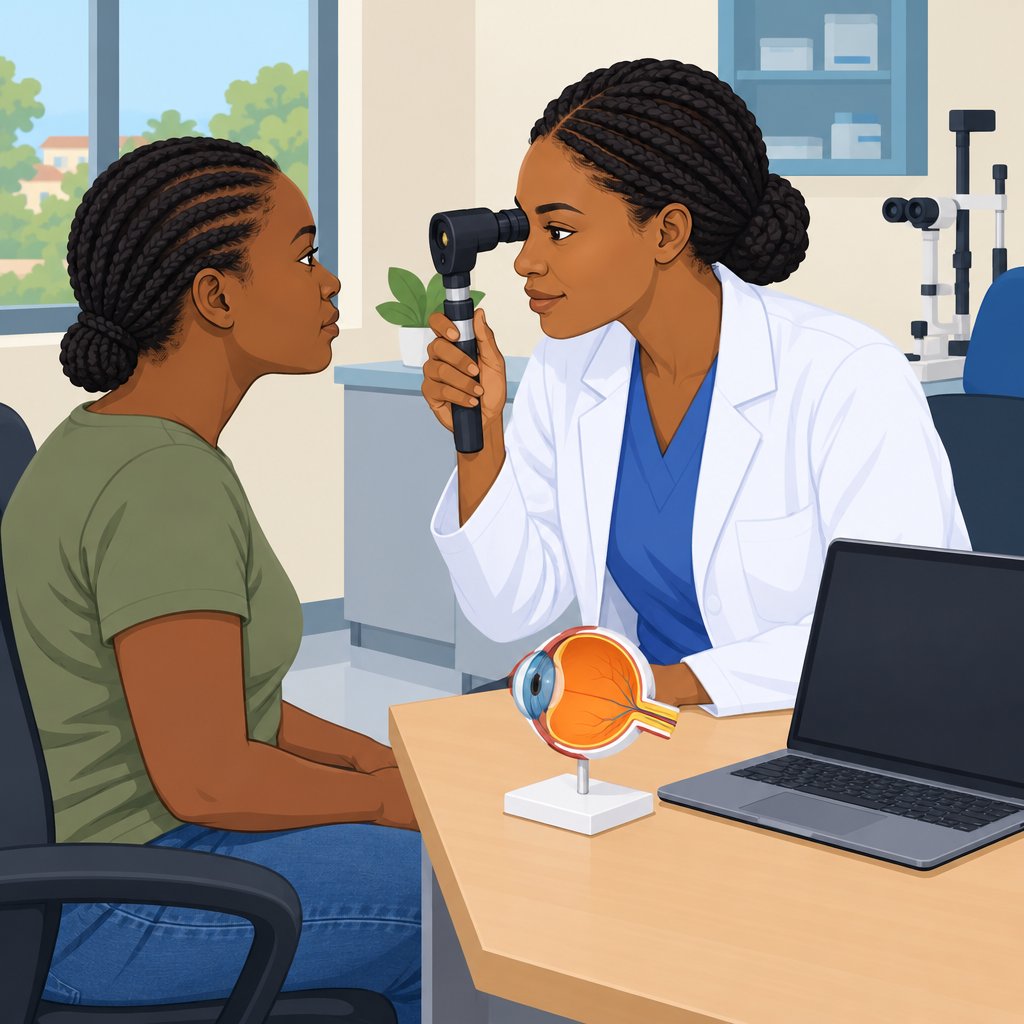
Professional Benefits of Ophthalmology Volunteering
Volunteer work can strengthen professional development within the ophthalmology sector.
Participants can apply their abilities while learning through practical involvement.
Moreover, this experience can help volunteers prepare for future healthcare opportunities.
- Volunteers can develop valuable skills that support their career goals.
- They receive hands-on experience within the ophthalmology sector.
- Volunteer service can reveal new career opportunities in healthcare.
- Participants can connect with professionals and strengthen their career prospects.
- Volunteering can enhance a resume and improve professional marketability.
Volunteer Contributions to Eye Care Access
Volunteers can make eye care services more accessible to people who need support.
They can also strengthen care delivery where essential services remain limited.
Through education and screening, volunteers can help people protect their vision.
- Volunteers provide access to essential eye care services for people in need.
- They help individuals receive quality eye care services that may otherwise remain unavailable.
- Early detection can help prevent further complications from eye conditions.
- Volunteers educate individuals about eye health and preventive care.
- By preserving vision, volunteers can help improve people’s quality of life.
Volunteer Perspectives on Eye Care Service
Volunteers describe personal fulfillment as one benefit of serving in ophthalmology.
They also value the skills, relationships, and awareness they develop through service.
These perspectives show how volunteer work can affect both participants and communities.
- John says, “Volunteering in the ophthalmology sector has given me a sense of purpose and fulfillment.”
- Jane says, “I have gained valuable skills and experiences through my volunteer work in eye care.”
- Michael says, “Making a difference in people’s lives through eye care is truly rewarding.”
- Sarah says, “Volunteering has shown me the importance of eye health and its impact on individuals.”
- David says, “I have found a community of people passionate about improving eye care.”
Discover More: Biomedical Technology in Nigerian Academic Research
Challenges and Considerations for Volunteering
Volunteers may encounter practical challenges while supporting ophthalmology services.
They must also understand local customs and communicate respectfully with community members.
Furthermore, language differences may affect communication in areas where English is not widely spoken.
- Limited equipment and supplies can restrict volunteer activities in the ophthalmology sector.
- Cultural differences require volunteers to understand local norms and practices.
- Language barriers can hinder communication when volunteers work in foreign communities.
Strategies for Overcoming Volunteer Challenges
Volunteers can reduce these difficulties by preparing carefully before their assignments.
They should research the local context and identify practical ways to address resource limitations.
Moreover, cultural orientation and interpretation services can strengthen communication and cooperation.
- Plan ahead by researching the local context and preparing for likely limitations.
- Seek cultural orientation to learn community customs and traditions.
- Use bilingual staff or interpreters to bridge language gaps.
Cultural Sensitivity, Ethics, and Professionalism
Volunteers should respect local customs and values throughout their service.
They must follow ethical standards and maintain professionalism to build credibility and trust.
Most importantly, volunteers should prioritize patient well-being and uphold high standards of care.
By addressing these considerations, volunteers can support collaboration with local communities.
This approach can help volunteers maximize their impact in the Nigerian ophthalmology sector.
The Impact of Volunteer Service on Eye Care
Volunteering in Nigerian ophthalmology offers a unique opportunity to make a difference.
Moreover, volunteers remain critical to this field.
They can significantly affect individuals who need eye care services.
Therefore, readers should consider volunteering to help improve many lives.
Your time and effort can make a meaningful difference in Nigerian ophthalmology.
Additional Resources
Google search results for Volunteer Opportunities in Nigerian Ophthalmology Sector Medical
Bing search results for Volunteer Opportunities in Nigerian Ophthalmology Sector Medical


