



Restorative Dentistry and Rural Access
Restorative dentistry repairs and restores teeth to their original function and appearance.
Furthermore, it supports oral health by addressing cavities, gum disease, and tooth decay.
However, rural Nigeria has limited access because infrastructure and trained professionals remain scarce.
Challenges of Restorative Dentistry in Rural Nigeria
Rural Nigeria faces several barriers to restorative dental care.
These barriers affect timely treatment and leave many oral health needs unmet.
Limited staffing, inadequate equipment, and treatment costs intensify these challenges.
Limited Access to Quality Dental Care
Remote communities often lack consistent access to quality restorative dental care.
Many residents travel long distances to urban centers for dental treatment.
Consequently, travel requirements delay care and allow dental problems to worsen.
These delays create significant barriers for people who need timely restorative services.
Shortage of Dental Professionals
Rural communities have too few skilled dental professionals to meet local needs.
This shortage creates long appointment waits and delays restorative treatment.
Furthermore, many rural clinics lack dental hygienists and essential support staff.
Therefore, healthcare initiatives must attract and retain dental professionals in underserved communities.
Inadequate Dental Facilities and Equipment
Remote areas often lack dental facilities equipped for comprehensive restorative procedures.
Many rural clinics do not possess basic dental tools or necessary technology.
Without dental chairs, X-ray machines, and sterilization tools, providers face serious limitations.
As a result, rural clinics offer fewer services to residents needing restorative care.
High Treatment Costs and Limited Affordability
High treatment costs prevent many rural residents from obtaining restorative dental care.
Expensive procedures leave dental problems untreated and increase unmet oral health needs.
Additionally, limited insurance coverage makes restorative treatments even less affordable.
Consequently, some residents endure dental pain because financial constraints restrict their choices.
Strategies for Improving Rural Dental Services
Improving rural dental care requires coordinated action across staffing, infrastructure, and affordability.
Expanding dental services can reduce travel barriers and support earlier treatment.
Better facilities and equipment can help professionals deliver more effective restorative procedures.
Affordable treatment options can improve oral health outcomes among underserved rural populations.
Oral Health Awareness in Rural Nigeria
Many rural communities have limited knowledge about restorative dentistry and its value for oral health.
Consequently, individuals may not recognize how dental care supports their general well-being.
Clear education can help residents understand the purpose and benefits of restorative treatment.
Preventive Oral Health Practices
Limited oral health education also reduces preventive practices among rural residents.
For example, many individuals may not brush regularly, floss, or attend dental check-ups.
Therefore, community education should encourage consistent daily care and routine professional examinations.
Traditional Beliefs and Dental Care
Traditional beliefs and practices strongly influence attitudes toward dental care in rural Nigeria.
Some communities rely on traditional remedies or healers instead of seeking professional dental treatment.
Respectful education can address misconceptions while encouraging informed decisions about dental care.
Additionally, communities need accessible preventive services that reinforce accurate oral health information.
Delve into the Subject: The Role of Optometrists in Nigeria's Healthcare System
Infrastructure and Logistical Challenges
Rural Nigeria faces infrastructure and logistical barriers that limit restorative dental care for underserved communities.
These obstacles affect patients, practitioners, facilities, and supply systems across remote locations.
Therefore, reliable transport, utilities, and materials remain essential for timely dental treatment.
Transform Your Career with Expert Guidance
Get personalized mentorship consulting that’s tailored to your unique path. Our expert advice is actionable and exclusive.
Get Started- Poor road networks make dental facilities difficult to reach.
- Lack of electricity and clean water affects dental procedures in rural areas.
- Remote locations have limited access to dental materials and supplies.
Road Networks and Access to Dental Facilities
Poor road networks make dental facilities difficult to reach in rural Nigeria.
Many facilities serve communities from urban centers or nearby towns.
Patients may travel long distances on rough, unpaved roads for restorative dental treatment.
Electricity and Clean Water for Dental Procedures
Rural dental practitioners often work without reliable electricity and clean water.
Electricity powers drills and lights needed for restorative dental procedures.
Clean water supports irrigation and sterilization during dental care.
Availability of Dental Materials and Supplies
Remote clinics also face limited access to dental materials and essential supplies.
Transport and supply chain difficulties can delay deliveries to rural dental facilities.
Clinics may charge more when sourcing and transporting supplies to remote locations.
Government agencies, healthcare providers, and NGOs can collaborate to address these barriers.
Delve into the Subject: Mental Health Care for Nigerian Women and Girls
Socioeconomic Factors Influencing Access to Care
- Low incomes in rural communities make restorative dental treatment unaffordable.
- Many residents lack health insurance coverage for dental care.
- Rural households often prioritize basic needs over dental treatment.
Low incomes in rural communities often make restorative dental treatment unaffordable.
Consequently, many residents postpone care until their dental conditions become severe.
These delays can create complications that timely treatment might have prevented.
Moreover, many residents lack health insurance that covers dental care.
Therefore, patients often pay the full treatment cost themselves.
Households frequently prioritize food, shelter, and education over dental treatment.
As a result, many individuals forgo essential care and experience worsening oral health.
Untreated dental problems can also reduce quality of life and general well-being.
Affordable and timely restorative dentistry could help rural residents maintain healthier teeth.
However, socioeconomic barriers continue to restrict access for many rural communities.
Expanding affordable services could reduce the financial burden on patients.
Including dental care within health insurance plans could further improve treatment access.
Addressing these financial barriers would help more residents receive necessary restorative care.
Uncover the Details: Role of Social Media in Nigerian Mental Health
Cultural Barriers to Restorative Dental Care
Rural Nigeria faces cultural challenges that can discourage people from seeking restorative dental care.
These barriers include fear, stigma, distrust, and community expectations about oral health.
Therefore, cultural understanding remains essential when providers encourage residents to consider professional treatment.
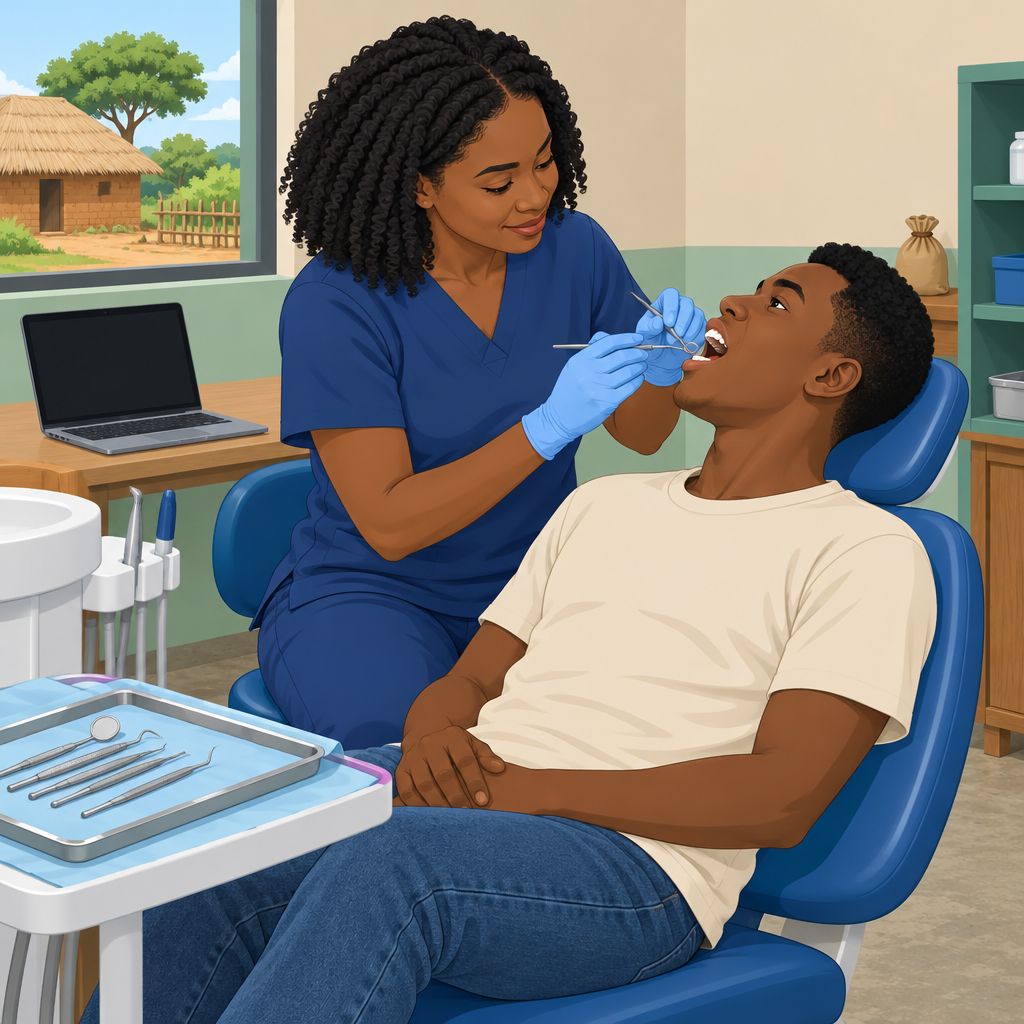
Fear and Stigma Surrounding Dental Visits
Many individuals feel anxious about visiting dentists because they lack confidence in dental procedures.
Furthermore, some communities associate dental treatment with pain, discomfort, and invasive procedures.
These perceptions can cause people to postpone care despite experiencing untreated dental problems.
Consequently, fear and stigma can reduce the use of restorative dentistry services.
Traditional Remedies and Trust in Dental Practices
Many rural communities rely on traditional remedies when they experience oral health problems.
Natural treatments and herbs remain important parts of longstanding community beliefs about oral hygiene.
As a result, some individuals may consider modern dental treatment unnecessary or less effective.
This skepticism can discourage residents from seeking professional restorative dental services.
Cultural Norms Shaping Oral Health Behaviors
Cultural norms strongly influence how rural communities understand and approach dental care.
Some communities give oral health little priority and favor traditional practices over preventive dental care.
In addition, beliefs about beauty and appearance can shape attitudes toward restorative dental treatment.
These expectations may reduce interest in restorative services and deepen oral health disparities.
Building Acceptance of Professional Dental Care
Healthcare providers can address cultural barriers by explaining the benefits of professional dental care.
They can also challenge misconceptions about dental procedures through respectful community communication.
These efforts can encourage greater acceptance of restorative dentistry in underserved rural communities.
Discover More: Medical Microbiology Teaching Methods in Nigeria
Government and NGO Support for Rural Restorative Dentistry
Government agencies and NGOs can improve access to restorative dentistry by directing more funding toward rural oral health programs.
That support can help establish dental clinics and provide equipment for essential dental services.
It can also support training for local healthcare professionals who deliver dental care.
Community Outreach and Oral Health Education
Community outreach can help residents recognize oral health concerns and learn practical preventive measures.
Furthermore, government agencies and NGOs can work with healthcare workers and community leaders.
These partners can organize workshops, seminars, and campaigns that promote regular oral hygiene practices.
Mobile Dental Services Through Local Partnerships
Government agencies and NGOs can partner with local organizations to provide mobile dental services.
These services can reach remote communities that lack convenient access to dental facilities.
Therefore, residents can receive necessary treatments without traveling long distances to urban centers.
Stakeholder Investment in Rural Dental Care
Rural Nigeria still faces major restorative dentistry challenges because communities lack equipment and trained professionals.
Therefore, stakeholders should invest in infrastructure and provide education and resources for rural dental services.
These investments can expand quality dental care and help rural communities prevent future oral health problems.
Additional Resources
Google search results for Restorative Dentistry in Rural Nigeria: Challenges Medical
Bing search results for Restorative Dentistry in Rural Nigeria: Challenges Medical


