



Preventive and Social Medicine
Preventive and social medicine prevents disease and promotes health through community interventions.
Additionally, this field plays a crucial role in healthcare by reducing illness and improving population health.
Career paths include epidemiologists, public health educators, community health workers, and health policy analysts.
Education and Training
- A bachelor’s degree in public health or health sciences typically prepares people for careers in preventive and social medicine.
- Many professionals pursue master’s degrees or higher qualifications in public health or related disciplines.
- Professionals maintain continuous learning and development because public health issues continue evolving.
- Workshops, seminars, and conferences help professionals follow current research and best practices.
- Certifications such as Certified in Public Health or Certified Health Education Specialist can strengthen career prospects.
- Specializations in epidemiology, health policy, or environmental health can expand expertise and advancement opportunities.
Job Opportunities
Preventive and social medicine offers diverse roles that support public health.
These professionals educate communities, connect people with services, and investigate health patterns.
Furthermore, their work promotes healthier behaviors and strengthens access to essential resources.
- Public health educators inform the public about health issues and promote healthy behaviors.
- Community health workers connect communities with healthcare providers, services, and necessary resources.
- Epidemiologists investigate disease causes, track illness patterns, and develop prevention strategies.
Growth and Advancement
Professionals can advance by gaining experience, pursuing further education, and expanding their skills.
Public health educators may become program managers or directors who oversee teams and develop health initiatives.
Community health workers can specialize in maternal and child health or chronic disease management.
They can also coordinate care for vulnerable populations and assume greater responsibility.
Epidemiologists may reach senior positions in research institutions, government agencies, or nonprofit organizations.
In those roles, they lead studies, develop policies, and contribute to global health initiatives.
Organizations Hiring Professionals
Professionals in this field can work for government agencies, international organizations, and nonprofit groups.
These organizations support disease prevention, health research, community programs, and policy development.
Additionally, they provide opportunities to address health needs at national and international levels.
- The Centers for Disease Control and Prevention focuses on preventing and controlling major health threats.
- The World Health Organization addresses international public health issues and monitors global health trends.
- Nonprofit organizations, including the American Public Health Association and Doctors Without Borders, hire public health professionals.
These careers allow professionals to make meaningful contributions to individual and community well-being.
Continuous learning and skill development can help individuals succeed in this dynamic field.
Dedicated professionals can build rewarding careers while supporting stronger public health outcomes.
Find Out More: Youth and Mental Health: Nigeria's Silent Crisis
Skills and Qualities for Public Health Practice
Successful professionals need skills that support effective public health practice.
These qualities help practitioners understand challenges and respond to community needs.
They also strengthen collaboration, decision-making, and health promotion efforts.
- Critical thinking, communication, and problem-solving
- Empathy and cultural competence for diverse populations
- Data analysis for informed decisions
Critical Thinking in Public Health
Critical thinking helps professionals analyze complex health issues.
They evaluate evidence, identify patterns, and develop practical interventions.
Furthermore, thoughtful analysis supports innovative solutions for improving community health.
Communication and Collaboration
Clear communication helps professionals work effectively with diverse populations.
Practitioners explain information accurately and listen carefully to community concerns.
They also collaborate with multidisciplinary teams to address public health challenges.
Problem-Solving for Health Challenges
Public health professionals regularly encounter issues that require flexible solutions.
They design intervention strategies and manage available resources efficiently.
Moreover, they adapt their approaches when health circumstances change.
Empathy and Cultural Competence
Empathy helps professionals build trust with diverse communities.
Cultural competence encourages sensitivity toward different beliefs, practices, and social expectations.
As a result, professionals can provide responsive care and promote health equity.
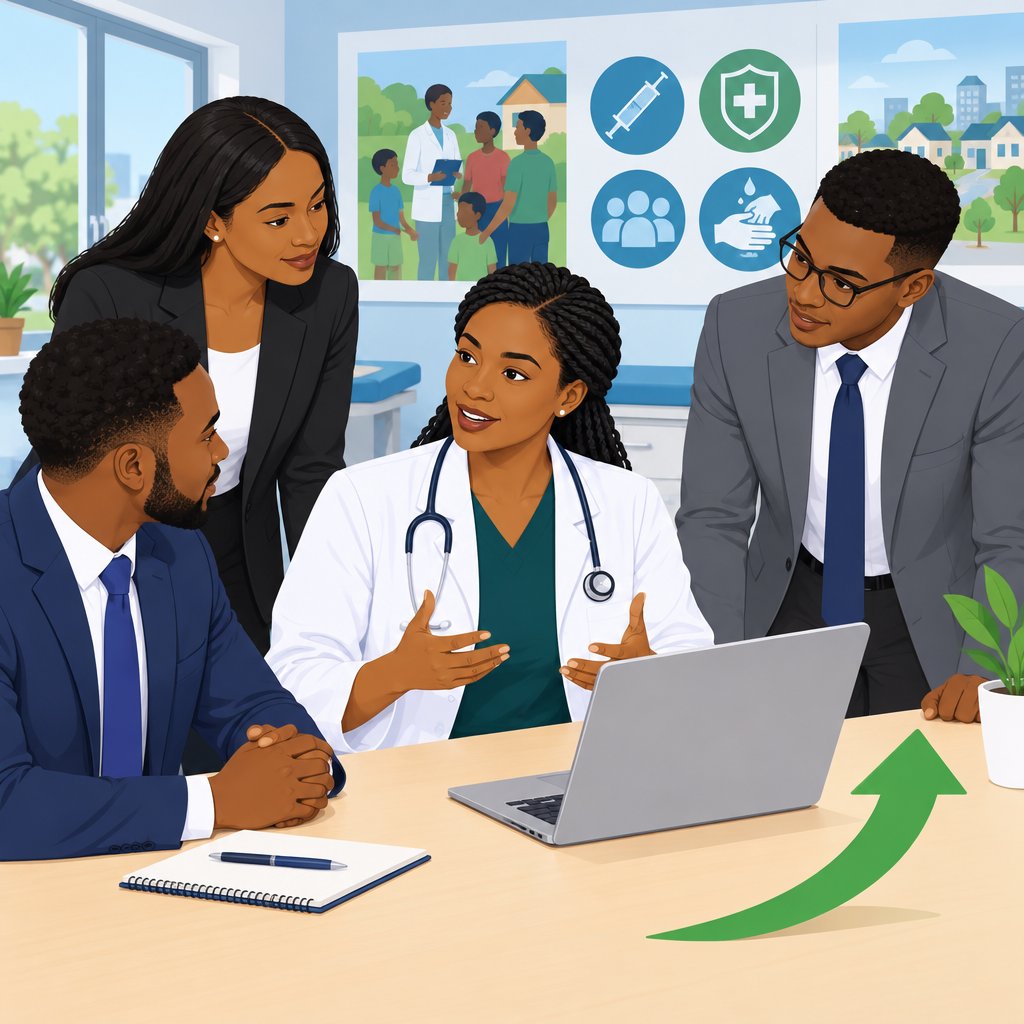
Data Analysis for Informed Decisions
Data analysis helps professionals monitor population health and assess interventions.
They use numerical skills and visualization tools to interpret health information.
These findings guide evidence-based decisions and improve public health planning.
Applying Skills to Community Health
Professionals combine these skills to address public health challenges effectively.
Critical thinking, communication, and problem-solving support coordinated health action.
Empathy, cultural competence, and data analysis help improve community well-being.
Transform Your Career with Expert Guidance
Get personalized mentorship consulting that’s tailored to your unique path. Our expert advice is actionable and exclusive.
Get StartedFind Out More: Overview of Physiotherapy in Nigeria: What to Know
Salary and Benefits
Career decisions in preventive and social medicine also involve compensation and workplace benefits.
These factors help professionals evaluate roles alongside their community impact.
Salary expectations vary according to responsibilities, experience, education, and location.
Average Salary Range
Professionals in this field can expect competitive compensation.
Annual salaries typically range from $50,000 to $150,000.
However, the specific role and organization can influence the final amount.
Additional Benefits and Perks
Beyond base pay, many roles provide valuable employment benefits.
Job stability can support long-term professional planning.
Flexible work hours and advancement opportunities may also accompany these positions.
Additionally, professionals can contribute to community and population well-being.
Factors Influencing Salary
Location affects pay because regional living costs differ.
Experience can also increase earning potential over time.
Furthermore, advanced degrees or certifications may support higher salary levels.
Education and credentials therefore remain important compensation considerations.
These roles can offer financial rewards and personal fulfillment.
Professionals may build meaningful careers while supporting healthier communities.
Consequently, compensation and purpose can combine within this career path.
See Related Content: Dental Fillings: Types and What to Expect
Challenges and Opportunities in Preventive Medicine
- Professionals may face limited resources for community health initiatives.
- Limited public awareness can hinder the adoption of preventive measures.
- Professionals can improve community health and wellness through preventive care.
- Preventive care can reduce pressure on healthcare systems.
- Professionals can advocate for increased funding and resources.
- Education and outreach programs can increase public awareness of prevention benefits.
- Healthcare professionals and community organizations can collaborate to strengthen preventive efforts.
Find Out More: Importance of Oral Hygiene: Tips for Nigerians
Networking and Professional Development
Networking connects professionals in preventive and social medicine.
It supports knowledge sharing and collaboration for better health outcomes.
Professional relationships also help practitioners exchange current information and coordinate initiatives.
Importance of Networking
Networking helps professionals stay updated on research, trends, and effective practices.
It also creates relationships that can support collaborative projects and public health initiatives.
Additionally, professional connections encourage knowledge exchange across the field.
Benefits of Joining Professional Organizations
Professional organizations provide resources, training, and opportunities to connect with peers.
- Organizations such as the American Public Health Association offer resources and networking opportunities.
- Conferences, workshops, and webinars help professionals learn, present research, and connect with experts.
Attending Conferences and Workshops
Conferences and workshops introduce professionals to current research and innovative interventions.
They also provide opportunities to examine effective practices in preventive and social medicine.
- Professionals can learn about research and interventions during these educational events.
- Networking can create collaboration, mentorship, and partnership opportunities with healthcare professionals.
Opportunities for Mentorship
Mentorship gives developing professionals access to guidance, support, and practical advice.
Experienced practitioners can help newcomers understand the complexities of the field.
- Mentors can guide professionals as they develop their skills and expand their networks.
- Collaboration with mentors can help professionals navigate career challenges.
Strengthening Professional Growth
Active participation in professional organizations can strengthen knowledge and professional connections.
Conference attendance can expand skills while introducing professionals to new collaborators.
Seeking mentorship can provide continued support throughout a career in preventive and social medicine.
Preventive and Social Medicine Career Roles
Preventive and social medicine offers several career paths for people interested in improving public health.
Public health educators teach communities about healthy living through workshops, presentations, and educational programs.
Meanwhile, epidemiologists research disease patterns and causes to help prevent future outbreaks.
Public Health Careers That Support Communities
Health policy analysts examine policies and recommend improvements to healthcare systems and access.
Additionally, community health workers connect individuals with resources and encourage wellness within their communities.
These roles allow professionals to support public health through education, research, policy, and community engagement.
Individuals seeking meaningful public health careers can explore preventive and social medicine further.
Researching these career options can clarify how healthcare and social issues intersect.
Additional Resources
Google search results for Career Paths in Preventive and Social Medicine Medical
Bing search results for Career Paths in Preventive and Social Medicine Medical


