



Introduction to Physiotherapy
Physiotherapy uses exercise, massage, and manipulation to promote healing.
Additionally, this healthcare practice helps individuals recover from injuries and illnesses.
In Nigeria, physiotherapy continues gaining recognition for improving population health.
History of Physiotherapy in Nigeria
- Origins of physiotherapy in Nigeria
- Development of physiotherapy education and practice in the country
- Key milestones in the growth of physiotherapy in Nigeria
Physiotherapy in Nigeria has developed alongside the country’s healthcare services.
Its origins trace back to the colonial era, when Western medicine entered Nigeria.
During that period, foreign missionaries and medical professionals mainly provided rehabilitation services.
Early Physiotherapy Practice
These services supported patients with physical disabilities or injuries.
As demand increased, Nigeria needed formal physiotherapy education and professional training.
Consequently, local professionals began receiving structured preparation for physiotherapy practice.
Education and Professional Development
In the mid-twentieth century, Nigeria established its first physiotherapy schools.
These schools trained Nigerian professionals and strengthened physiotherapy services nationwide.
Furthermore, medical schools added physiotherapy to their educational curricula.
Professional Growth and Recognition
Physiotherapy expanded significantly as education and practice developed across Nigeria.
The Nigerian Society of Physiotherapy promoted professional interests and encouraged high practice standards.
Additionally, accredited training programs supported the profession’s continuing advancement.
These developments transformed physiotherapy from a foreign-led service into an established Nigerian healthcare profession.
Role of Physiotherapists in Healthcare
Physiotherapists support healthcare by assessing movement, treating physical problems, and guiding recovery.
In Nigeria, their work addresses patient mobility, function, and independence.
They also help patients prevent injuries through education, exercise, and safer movement practices.
- Physiotherapists manage responsibilities that support patient health and physical function.
- They contribute to rehabilitation and injury prevention across different patient needs.
- They cooperate with healthcare professionals to provide coordinated patient care.
Responsibilities and Duties of Physiotherapists in Nigeria
Nigerian physiotherapists evaluate patients and develop treatment plans for various physical conditions.
They apply therapeutic exercises and treatment methods to improve mobility and physical function.
They monitor progress and modify treatment plans when patients require different support.
- Physiotherapists assess patients’ physical conditions and create individualized treatment plans.
- They use therapeutic exercises and modalities to improve patient mobility.
- They educate patients about proper body mechanics and home exercises.
- They monitor progress and adjust treatment plans when necessary.
- They collaborate with healthcare professionals to support comprehensive patient care.
Rehabilitation and Prevention of Injuries
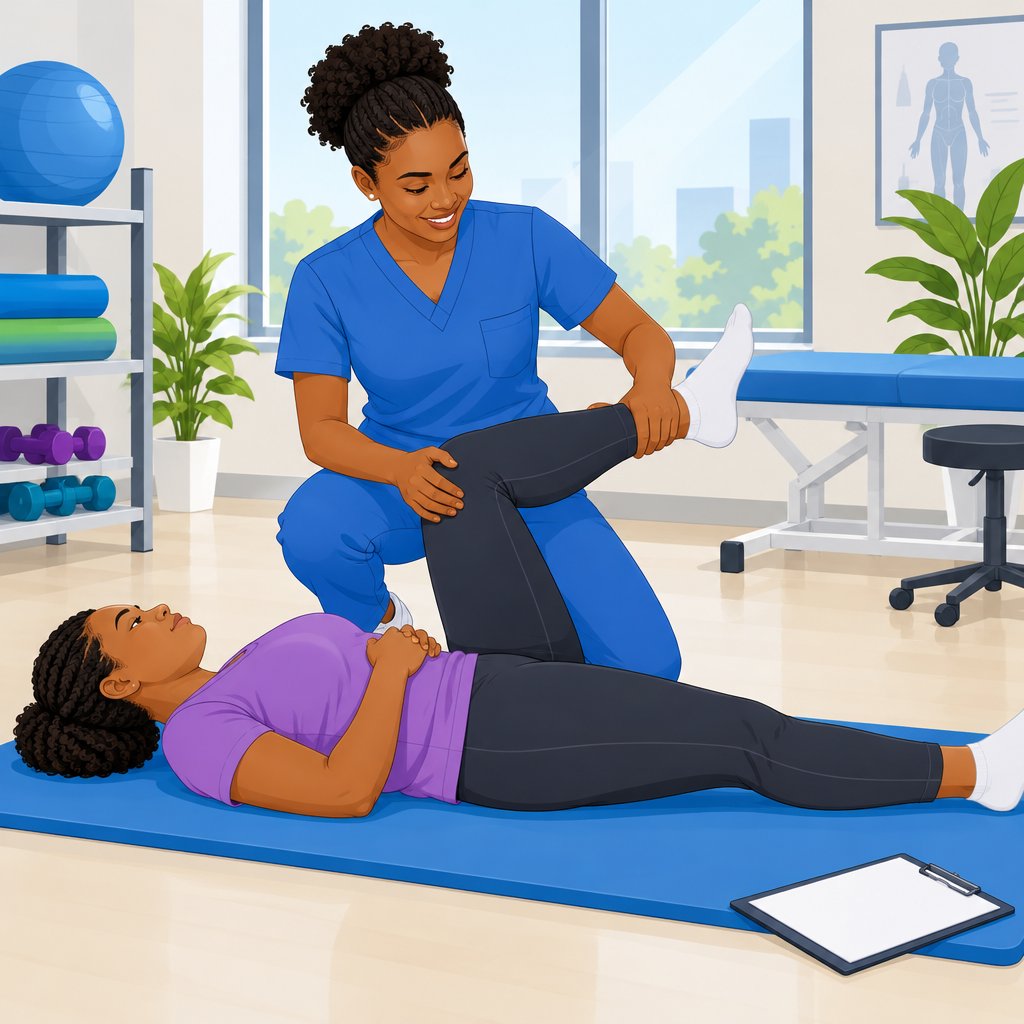
Physiotherapists help patients recover after surgery, accidents, and sports-related injuries.
Their treatment restores mobility, strength, and function while supporting greater independence.
They also teach injury prevention strategies and safer techniques that reduce future risks.
Collaboration with Healthcare Professionals
Physiotherapists work with doctors, nurses, occupational therapists, and other allied health professionals.
This multidisciplinary cooperation helps healthcare teams coordinate patient treatment effectively.
By sharing expertise, physiotherapists support integrated care and improved patient recovery.
Uncover the Details: Dental Fillings: Types and What to Expect
Accredited Institutions Offering Physiotherapy Programs in Nigeria
The listed institutions offer physiotherapy programs in Nigeria.
These universities provide options for students seeking physiotherapy education.
Students can choose among accredited institutions located in different parts of Nigeria.
- University of Lagos
- University of Ibadan
- Obafemi Awolowo University
- University of Nigeria, Enugu Campus
- Bayero University Kano
Curriculum and Requirements for Becoming a Licensed Physiotherapist
Becoming a licensed physiotherapist requires academic study and professional preparation.
Candidates complete a bachelor’s degree in Physiotherapy before pursuing professional requirements.
They also complete an internship, pass national examinations, and register with the relevant board.
- Bachelor’s degree in Physiotherapy
- Internship program
- National examinations for licensing
- Continuing education and training
- Registration with the Medical Rehabilitation Therapists Board of Nigeria
Challenges Faced by Students and Professionals in the Field
Students and professionals encounter several challenges during education and practice.
Limited facilities can restrict access to practical training opportunities.
Meanwhile, funding, public awareness, employment, and license renewal create additional concerns.
- Limited access to practical training facilities
- Inadequate funding for research and development
- Lack of awareness about the role of physiotherapy
- Competition for employment opportunities
- Continuing education requirements for license renewal
Uncover the Details: Importance of Oral Hygiene: Tips for Nigerians
Scope of Practice in Physiotherapy
Physiotherapy practice in Nigeria includes specialized care, treatment techniques, and professional regulation.
Transform Your Career with Expert Guidance
Get personalized mentorship consulting that’s tailored to your unique path. Our expert advice is actionable and exclusive.
Get StartedPhysiotherapists select appropriate interventions according to each patient’s condition and treatment goals.
Their practice supports physical function, mobility, quality of life, safety, and ethical care.
Areas of Specialization in Physiotherapy
Physiotherapists in Nigeria can specialize in orthopedic, pediatric, neurological, sports, and geriatric physiotherapy.
These specialties help physiotherapists focus on specific patient populations and health conditions.
Consequently, specialized practice enables them to provide focused care and treatment.
Treatment Techniques and Modalities
Physiotherapists use various techniques and modalities to improve physical function, mobility, and quality of life.
These approaches include manual therapy, exercise therapy, electrotherapy, hydrotherapy, and acupuncture.
Furthermore, physiotherapists choose techniques according to the patient’s condition and treatment goals.
Regulations and Guidelines for Physiotherapy Practice in Nigeria
The Medical Rehabilitation Therapists Board of Nigeria regulates physiotherapy practice in the country.
Physiotherapists must follow the board’s professional conduct, ethical, and practice standards.
They must also obtain a license before practicing physiotherapy in Nigeria.
Additionally, continuing education and professional development help physiotherapists maintain their licenses.
These activities also help them remain current with accepted practices in physiotherapy.
Compliance with regulations supports safe, effective, and ethical patient care.
See Related Content: Managing Dental Anxiety for Restorative Procedures
Challenges and Opportunities in Physiotherapy
Physiotherapy in Nigeria faces barriers that affect professional development and patient care.
However, the profession also has opportunities to expand its contribution to healthcare.
Addressing current barriers can strengthen services and improve patient care.
- Lack of recognition and appreciation for physiotherapy in Nigeria.
- Limited resources and facilities for practicing physiotherapists.
- Potential for expanding physiotherapy services throughout the country.
Challenges Affecting Physiotherapy Practice
Physiotherapy faces several challenges that hinder professional progress in Nigeria.
One major concern involves limited recognition and appreciation within the healthcare system.
Although physiotherapists provide important services, other healthcare professionals often receive greater recognition.
This imbalance can reduce morale and limit physiotherapists’ contributions to patient care.
Furthermore, many healthcare facilities lack equipment and infrastructure for effective physiotherapy practice.
Consequently, patients may receive care that does not fully meet their rehabilitation needs.
Resource shortages also restrict professional growth and development.
Opportunities for Expanding Physiotherapy Services
Despite these challenges, physiotherapy has considerable opportunities for growth in Nigeria.
Increasing awareness can encourage greater recognition and appreciation of physiotherapy services.
As recognition improves, physiotherapists may experience stronger career prospects and job satisfaction.
Additionally, rising demand for rehabilitation services creates opportunities to expand professional practice.
Chronic diseases and injuries continue to increase the need for qualified physiotherapists.
Therefore, physiotherapists can reach more patients and strengthen their contribution to healthcare.
Addressing resource limitations and improving recognition can support better physiotherapy services.
These improvements can help physiotherapists make a stronger impact on healthcare in Nigeria.
See Related Content: Medical Rehabilitation Equipment Used in Nigeria
Strengthening Physiotherapy in Nigeria
Physiotherapy in Nigeria continues to present opportunities for professional growth and service improvement.
Moreover, raising awareness can strengthen recognition of physiotherapy and its benefits.
Greater recognition can help individuals understand the value physiotherapy offers.
Therefore, stakeholders should support the field through education, resources, and advocacy.
These investments can help advance physiotherapy across the country.
Additional Resources
Google search results for Overview of Physiotherapy in Nigeria: What to Know Medical
Bing search results for Overview of Physiotherapy in Nigeria: What to Know Medical


