



Introduction
Dental fillings are a common procedure for repairing teeth damaged by cavities or decay.
They help restore teeth after damage occurs.
Therefore, fillings support the tooth’s normal function.
Brief Overview of Dental Fillings
First, a dentist removes the decayed portion of the tooth.
Next, the dentist fills the affected area with a suitable material.
This process restores the tooth’s normal function.
Importance of Dental Fillings in Oral Health
Dental fillings help prevent further decay and damage to the tooth.
They also help maintain the tooth’s function.
As a result, fillings support overall oral health.
Types of Dental Fillings
Amalgam, composite, and ceramic fillings use different materials.
They vary in appearance, cost, durability, and treatment requirements.
Each filling type offers distinct benefits and potential drawbacks.
Amalgam Fillings
- Amalgam fillings typically combine silver, mercury, tin, and copper.
- They provide strength and withstand heavy chewing pressure.
- They offer an affordable, durable, and long-lasting filling option.
- However, their silver color makes them noticeable.
- They may also expand or contract when temperatures change.
Composite Fillings
- Composite fillings combine plastic with fine glass particles.
- This mixture creates tooth-colored fillings.
- They blend seamlessly with natural teeth.
- Therefore, they remain popular for visible areas.
- They generally cost more than amalgam fillings.
- The higher cost reflects their materials and placement process.
Ceramic Fillings
- Ceramic fillings are highly biocompatible.
- As a result, the body generally tolerates them well.
- They cost more than many other filling options.
- Placement may require more than one dental visit.
- They remain durable and can last for many years.
- Proper care and maintenance support their longevity.
Procedure for Getting Dental Fillings
Your dentist follows several steps when placing a dental filling.
First, the dentist evaluates your tooth and identifies the treatment needed.
The procedure restores the tooth and helps prevent additional decay.
Initial Consultation with the Dentist
During the consultation, your dentist assesses the condition of your teeth.
The dentist then determines whether a filling suits the affected tooth.
This assessment establishes the next steps for your treatment.
Examination and X-rays
Next, your dentist examines your teeth thoroughly.
The dentist may take X-rays to evaluate the extent of decay.
These steps help the dentist assess the affected area before treatment.
Cleaning and Preparing the Tooth
Before placing the filling, your dentist cleans the affected tooth.
The dentist removes decayed tissue from the tooth.
This preparation creates a clean surface for the filling material.
Placing and Shaping the Filling
After preparing the tooth, your dentist places filling material into the cavity.
The dentist shapes the material to match the tooth’s natural contours.
This step restores the treated area within the tooth.
Polishing and Adjusting the Bite
Finally, your dentist polishes the filling to smooth rough edges.
The dentist also adjusts your bite to support proper alignment.
After treatment, follow your dentist’s instructions to support the filling’s longevity.
Discover More: Importance of Oral Hygiene: Tips for Nigerians
What to Expect During and After the Procedure
Your dentist will discuss anesthesia options before placing the filling.
Local anesthesia commonly numbs the area being treated.
Sedation may help patients who experience dental anxiety.
Anesthesia Options and Pain Management
- Your dentist will discuss anesthesia options before the dental filling procedure.
- Local anesthesia commonly numbs the area being treated.
- Sedation may help patients who experience dental anxiety.
Sensitivity and Discomfort After Filling
- Some sensitivity and discomfort after a filling is normal.
- You may notice sensitivity to hot or cold temperatures, pressure, or biting.
- These symptoms typically subside within a few days.
Care Instructions for the First Few Days
- Avoid hot or cold foods and beverages immediately after the procedure.
- Choose soft foods that feel easy to chew.
- Continue regular oral hygiene, but clean gently around the filled tooth.
Follow-Up Appointments and Monitoring
- Your dentist may schedule a follow-up appointment to check the filling’s placement.
- Attend every follow-up appointment to support proper monitoring.
- During visits, your dentist will assess healing and address concerns.
Supporting a Comfortable Recovery
A dental filling restores a tooth damaged by decay.
Follow your dentist’s instructions to support the filling after treatment.
Share questions or concerns with your dentist for a smoother experience.
Gain More Insights: Managing Dental Anxiety for Restorative Procedures
Potential Risks and Complications of Dental Fillings
Dental fillings can involve several risks and complications.
These concerns may affect comfort, filling stability, and ongoing dental care.
Transform Your Career with Expert Guidance
Get personalized mentorship consulting that’s tailored to your unique path. Our expert advice is actionable and exclusive.
Get StartedTherefore, patients should understand these possibilities and discuss concerns with their dentist.
Allergic Reactions to Filling Materials
Some individuals may experience allergic reactions to certain filling materials.
Patients should tell their dentist about known allergies before treatment.
The dentist can help determine which materials may suit the patient.
Sensitivity to Hot and Cold Foods
Patients may experience sensitivity to hot and cold foods after receiving a filling.
This sensitivity typically decreases over time.
However, patients should inform their dentist if the sensitivity continues.
Infection or Recurring Tooth Decay
In some cases, infection or tooth decay may recur beneath a filling.
Regular dental check-ups can help identify these problems early.
Furthermore, the dentist can address concerns before they become more serious.
Cracks or Fractures in the Filling
Dental fillings may develop cracks or fractures over time.
Teeth grinding and hard foods can contribute to filling damage.
Patients who notice damage should contact their dentist for repair or replacement.
Dental fillings generally provide a safe and common treatment option.
Patients can support filling longevity by staying informed and attending regular dental visits.
These habits also help dentists monitor fillings and address problems promptly.
Delve into the Subject: Medical Rehabilitation Equipment Used in Nigeria
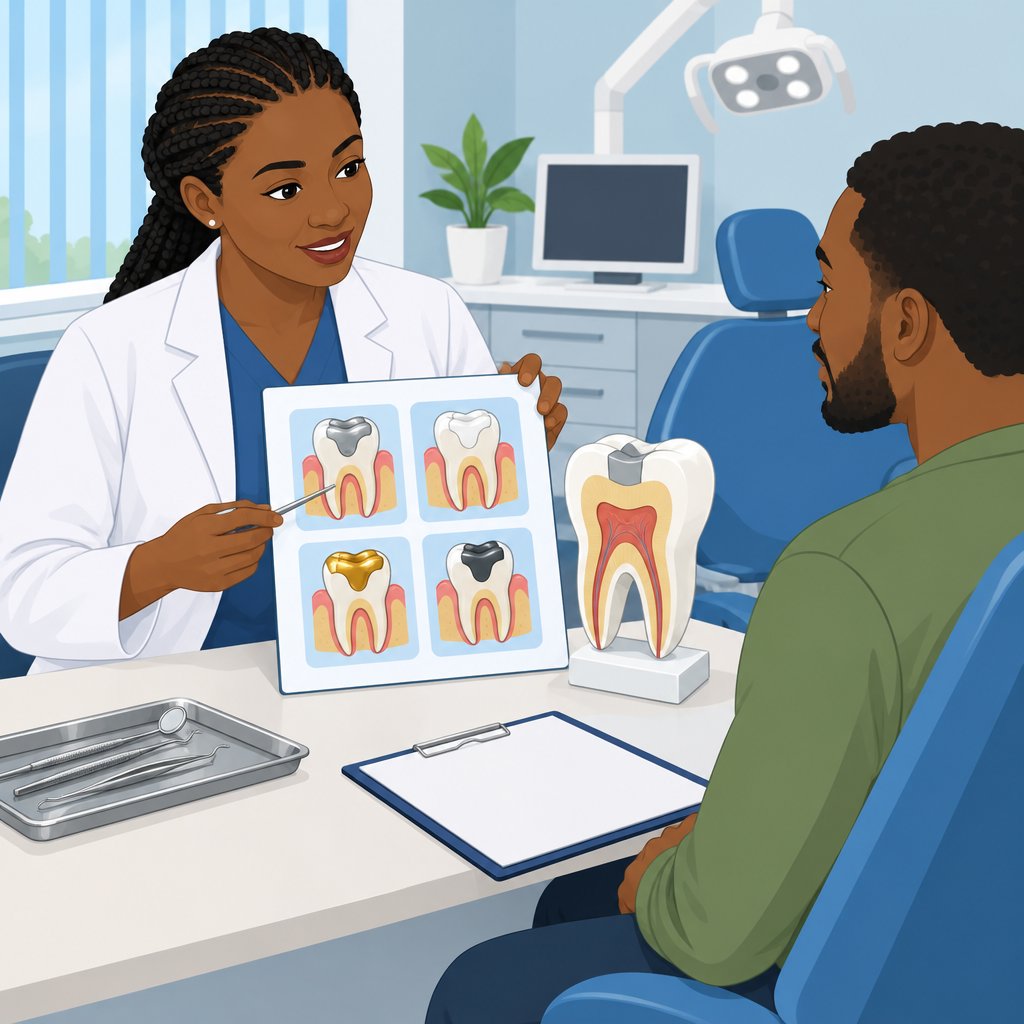
Benefits of Dental Fillings for Tooth Function and Oral Health
Dental fillings restore tooth structure and function after cavities weaken a tooth.
- Restoring tooth structure and function
- Preventing further decay and damage
- Enhancing smile aesthetics
- Improving overall oral health and hygiene
A cavity can weaken a tooth and make chewing or biting difficult.
By filling the cavity, a dentist helps the tooth function properly again.
This treatment also helps protect the tooth from additional damage.
Untreated decay can continue spreading through the tooth.
As decay progresses, it may create more significant dental problems.
A filling stops the decay from advancing through the treated area.
Consequently, fillings help preserve the tooth and may reduce the need for extensive treatment.
Fillings can also improve the appearance of teeth affected by cavities.
Tooth-colored fillings blend with the surrounding tooth structure.
This approach creates a more natural-looking smile.
As a result, restoring visible cavities may support confidence and self-esteem.
Cavities can harbor harmful bacteria when people leave them untreated.
Those bacteria may contribute to additional oral health problems.
Filling cavities restores the tooth and supports consistent oral hygiene.
Therefore, timely fillings can help people maintain healthier mouths.
Learn More: Top Biomedical Technology Research Centers Nigeria
Choosing a Dental Filling Material
Patients can compare amalgam, composite, gold, and ceramic fillings with their dentist.
Each material offers distinct benefits and drawbacks for specific dental needs.
Therefore, professional guidance helps patients select an appropriate option.
Preventive Oral Health Practices
Regular brushing and flossing help patients maintain healthy teeth.
Routine dental check-ups can identify problems before cavities worsen.
These habits may reduce the need for future fillings.
Professional Evaluation and Timely Care
Patients who suspect a cavity should seek professional dental care.
Dentists diagnose cavities and determine whether a filling can address the problem.
Timely treatment can restore tooth function, support appearance, and limit more extensive care.
Value of Addressing Cavities Early
Filling treatment addresses cavities before they require more extensive care.
It can also preserve the tooth’s function and appearance.
Consequently, early care may support better overall oral health.
Additional Resources
Google search results for Dental Fillings: Types and What to Expect Medical
Bing search results for Dental Fillings: Types and What to Expect Medical


