



In Nigeria, healthcare disciplines promote the well-being of individuals and communities.
Nursing Science and other Health Science courses both contribute to quality care and improved health outcomes.
These disciplines prepare professionals to address health needs through different educational and clinical perspectives.
Differences Between Nursing Science and Other Health Science Courses
Nursing Science emphasizes patient care, clinical skills, and communication.
Other Health Science courses may examine broader topics, including public health, epidemiology, and health promotion.
Therefore, Nursing Science focuses closely on individual care, while other courses may address wider health concerns.
Similarities Between Nursing Science and Other Health Science Courses
Both fields value evidence-based practice in healthcare settings.
They also emphasize ethical considerations when professionals make care-related decisions.
Furthermore, interprofessional collaboration connects their contributions within healthcare teams.
Importance of Nursing Science
Nursing Science supports patient care, disease prevention, and health education.
Nurses also advocate for vulnerable populations through their healthcare roles.
Consequently, they help promote health equity and remain at the forefront of healthcare delivery.
Importance of Other Health Science Courses
Other Health Science courses offer a multidisciplinary approach to understanding health and disease.
They equip students with knowledge and skills for addressing complex health challenges.
Additionally, these courses support population-level approaches to health improvement.
Overview of Nursing Science
Nursing science plays a critical role in today’s healthcare landscape.
It supports patient well-being and promotes quality care.
Furthermore, nursing science helps shape effective healthcare delivery.
Foundations of Nursing Science
- Nursing science focuses on the principles and practices of nursing care.
- It combines biological, physical, and behavioral sciences to support holistic care.
- Additionally, nursing science emphasizes evidence-based practice to improve patient outcomes.
Roles and Responsibilities of Nurses
- Nurses serve as key members of the healthcare team.
- They assess patients, monitor conditions, administer medications, and provide treatments.
- They also educate patients and families about health promotion and disease prevention.
Furthermore, nurses collaborate with other healthcare professionals to deliver comprehensive care.
They advocate for patients’ needs and rights throughout the care process.
Through these responsibilities, nurses address diverse patient needs.
Importance of Nursing in Healthcare
- Nursing bridges the gap between patients and healthcare services.
- Nurses often provide patients’ first contact with healthcare services.
- They offer emotional support and compassionate care during healthcare experiences.
Moreover, nurses apply clinical expertise to support better health outcomes.
They educate patients and families about health-related decisions.
Their work can also help reduce healthcare costs.
Nursing science remains a dynamic and evolving field.
It continues to shape the future of healthcare delivery.
Nurses’ dedication and expertise support quality care for all individuals.
Nursing Science and Medicine
Nursing science and medicine both support patient care, recovery, and improved health.
Both disciplines require scientific knowledge, especially in biology and human health.
However, each field prepares professionals for different responsibilities within healthcare settings.
Shared Foundations of Nursing and Medicine
Both nursing and medicine place patients at the center of healthcare practice.
Additionally, professionals in both fields use scientific knowledge to understand health conditions.
They also work in healthcare environments while supporting patients through treatment and recovery.
- Both disciplines focus on patient care and healing.
- Each field requires a strong foundation in science and biology.
- Both professions involve direct work with patients in healthcare settings.
Distinct Approaches to Patient Care
Nursing usually considers patients’ emotional, social, and physical needs together.
Medicine concentrates more strongly on diagnosing illnesses and selecting treatments.
Meanwhile, nurses emphasize hands-on care and patient advocacy during healthcare delivery.
- Nursing uses a holistic approach that addresses emotional and social needs.
- Medicine focuses on diagnosis, treatment, medical procedures, and clinical interventions.
- Nurses provide direct support, while physicians manage diagnoses and specialized interventions.
Coursework and Areas of Study
Nursing courses cover nursing theory, clinical practice, and leadership in healthcare settings.
Students also study anatomy, physiology, and pharmacology to understand bodies and medications.
Medical courses emphasize diagnoses, treatments, procedures, pathology, microbiology, and surgery techniques.
- Nursing coursework develops knowledge of patient care, practice, and healthcare leadership.
- Anatomy and physiology explain how the human body functions.
- Pharmacology examines how medications work within patient care.
Career Paths in Nursing and Medicine
Nursing graduates can work in hospitals, clinics, schools, and community health centers.
Transform Your Career with Expert Guidance
Get personalized mentorship consulting that’s tailored to your unique path. Our expert advice is actionable and exclusive.
Get StartedThey may specialize in pediatrics, geriatrics, or mental health.
Medical professionals can become physicians, surgeons, or specialists in several clinical fields.
- Nurses can pursue roles across hospitals, clinics, schools, and community health centers.
- Nursing specialties include pediatrics, geriatrics, and mental health.
- Medical professionals may specialize in cardiology, oncology, or neurology.
- Physicians and surgeons commonly work in hospitals, private practices, or research institutions.
Both fields offer meaningful opportunities to support patients and contribute to healthcare.
Delve into the Subject: The Future of Radiography in Nigeria: Trends and Predictions
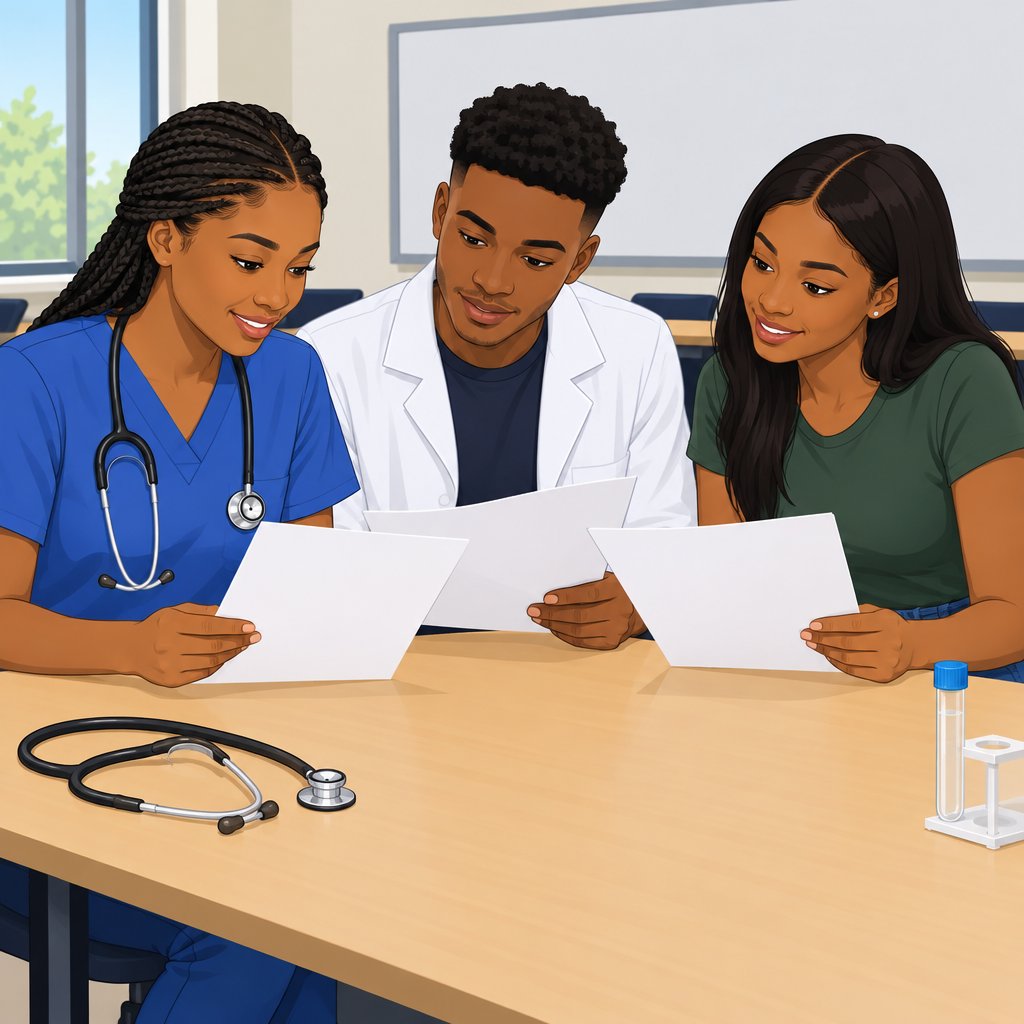
Nursing Science and Pharmacy in Patient Care
Nursing science and pharmacy support patient care through different areas of expertise.
Nurses address broad care needs, while pharmacists focus on safe and effective medication use.
Together, these professionals strengthen healthcare delivery through complementary responsibilities.
Distinct Professional Responsibilities
Nurses provide direct care and monitor patients throughout treatment.
They administer medications and coordinate care with other healthcare professionals.
Pharmacists dispense medications, offer drug information, and assess medication safety.
- Nurses monitor vital signs and administer prescribed medications.
- Nurses coordinate care among patients, families, and healthcare professionals.
- Pharmacists dispense medications and evaluate their safety and effectiveness.
- Pharmacists provide medication information to healthcare providers and patients.
Collaborative Medication Safety
Effective communication helps nurses and pharmacists identify medication-related concerns.
Nurses seek accurate medication information, while pharmacists gain insight into patient responses.
Consequently, teamwork can prevent errors and support patient education.
- Nurses and pharmacists can reduce medication errors through shared communication.
- Both professionals can educate patients about proper medication use.
- Collaboration can improve patient safety and support better health outcomes.
Education and Clinical Skills
Nursing coursework includes anatomy, physiology, pharmacology, medical-surgical nursing, and clinical rotations.
Pharmacy coursework covers pharmaceutical sciences, pharmacotherapy, pharmacokinetics, and clinical pharmacy practice.
Therefore, each curriculum develops knowledge suited to its professional responsibilities.
- Nurses develop critical thinking, communication, and empathy for holistic patient care.
- Pharmacists study drug interactions, dosage calculations, and medication therapy management.
- Pharmacists also develop patient counseling skills for safe medication use.
- Both professions require continued learning as healthcare practices and technologies change.
Nurses and pharmacists must adapt to updated practice guidelines and healthcare technologies.
Their distinct skills support safe, effective, and comprehensive patient care.
Find Out More: Scholarships for Physiology Students in Nigeria
Nursing Science and Public Health: A Comparative Analysis
Nursing science and public health both support better health outcomes.
However, they differ in their approaches, focus areas, and effects on healthcare delivery.
Together, these disciplines address individual and community health needs.
Differences Between Nursing and Public Health Courses
Nursing science focuses on holistic care for individuals.
Public health emphasizes population-level health promotion, disease prevention, and health education.
Therefore, nurses provide direct care, while public health professionals address broader community needs.
- Nursing science provides holistic care through direct patient treatment and support.
- Public health promotes health across populations through prevention and education.
Focus Areas of Nursing Science and Public Health
Nursing science centers on assessment, treatment, and coordinated patient care.
Public health examines population health through several specialized disciplines.
Consequently, each field uses different methods to improve health outcomes.
- Nursing science includes patient assessment, medication administration, and wound care.
- Public health includes epidemiology, biostatistics, and health policy.
- Environmental health and community education also support public health practice.
Impact on Healthcare Delivery in Nigeria
Nurses support healthcare delivery in Nigeria through direct patient care and health education.
Public health professionals address population needs through prevention and coordinated health initiatives.
Both disciplines strengthen healthcare delivery by addressing different levels of health needs.
- Nurses provide direct care, promote health education, and advocate for patients’ rights.
- Public health initiatives include disease surveillance and outbreak response.
- Vaccination campaigns and healthcare infrastructure development support population health.
Collaborative Contributions to Health Outcomes
Nursing science and public health contribute significantly to healthcare improvement.
Their distinct approaches allow professionals to address individual and population health needs.
Through collaboration, healthcare professionals can respond more effectively to health challenges.
You Might Also Like: Public Health Tech Startups Making Waves in Nigeria
Job Opportunities for Nursing Science Graduates
After completing a nursing science program in Nigeria, graduates can pursue diverse roles across the healthcare sector.
Healthcare facilities continue to need qualified nurses, creating stable and rewarding professional opportunities.
These roles allow graduates to support patients, families, and communities in different care environments.
Nursing Careers Available in Nigeria
Graduates can choose roles that match their interests, skills, and professional goals.
These positions exist across hospitals, clinics, community programs, homes, and research settings.
Additionally, specialized training can help nurses develop expertise in particular areas of care.
- Registered nurses can work in hospitals, clinics, and community health centers.
- Midwives provide prenatal, delivery, and postnatal care to women.
- Public health nurses promote and protect community health.
- Occupational health nurses focus on workplace health and safety.
- Home health nurses provide care to patients in their homes.
- Research nurses conduct healthcare studies and clinical trials.
Demand Across Healthcare Settings
Nurses remain in demand across hospitals, primary care centers, community health centers, and specialty clinics.
They provide patient care, manage medical emergencies, and promote health within communities.
Additionally, primary healthcare and preventive medicine continue to increase the need for qualified nurses.
Nurses also collaborate with doctors, pharmacists, and other health professionals to deliver comprehensive care.
Salary and Career Growth Prospects
Nursing professionals can receive competitive salaries that vary by experience, qualifications, and healthcare institution.
The average monthly salary for registered nurses ranges from 50,000 to 150,000 Nigerian naira.
Furthermore, additional education and specialization can support advancement into leadership roles.
Experienced nurses may become nurse managers, nurse educators, or nurse consultants.
Additional certifications can also support work in critical care, pediatrics, mental health, or oncology.
Find Out More: Key Roles of Chemical Pathologists in Nigeria
Challenges Faced by Nursing Science Students
Nursing science students in Nigeria encounter several difficulties during their education.
These difficulties can affect academic performance, practical preparation, and personal well-being.
Several connected factors create demanding learning conditions for these students.
Limited Educational Resources
Many students lack sufficient textbooks, medical equipment, and simulation laboratories.
Consequently, limited resources reduce opportunities for practical learning and make complex concepts harder to understand.
Students may also struggle to meet curriculum demands and prepare adequately for examinations.
- Nursing students often lack textbooks, medical equipment, and simulation laboratories.
- This shortage limits practical learning and makes complex concepts more difficult to understand.
- Without suitable resources, students struggle to follow the curriculum and prepare for examinations.
Inadequate School Infrastructure
Many nursing schools operate with overcrowded classrooms and insufficient facilities.
As a result, students may find it difficult to concentrate during lectures and practical sessions.
Poor infrastructure can also reduce the quality of education and clinical preparation.
- Many nursing schools have overcrowded classrooms and inadequate facilities.
- These conditions make it harder for students to focus and participate actively.
- Insufficient infrastructure can compromise the quality of education and training.
Demanding Academic and Clinical Workload
Nursing students manage demanding theoretical studies alongside practical training.
They must balance assignments, clinical rotations, and examinations within limited time.
This demanding schedule can produce considerable stress, exhaustion, and feelings of being overwhelmed.
- Nursing students handle both theoretical studies and practical training.
- They balance assignments, clinical rotations, and examinations.
- The demanding program can leave students stressed, overwhelmed, and exhausted.
Limited Faculty Guidance
A shortage of qualified nursing educators can limit student guidance and mentorship.
Furthermore, overburdened faculty members may have little time for individual student discussions.
Consequently, students may experience weaker academic support and reduced confidence in their abilities.
- A shortage of qualified educators can reduce guidance and mentorship for students.
- Overburdened faculty members may have limited time for individual student interactions.
- Insufficient support can affect academic performance and student confidence.
Financial Constraints
Many nursing students struggle to pay tuition fees and meet living expenses.
Some students work part-time jobs, which reduces their available study and clinical practice time.
Financial pressure can create additional stress and distract students from their education.
- Many students from low-income backgrounds struggle with tuition and living expenses.
- Some students work part-time jobs to meet their financial needs.
- Financial constraints can reduce study time and affect student focus and performance.
Measures Supporting Nursing Science Students
Institutions can improve student experiences by addressing educational, financial, and personal needs.
Government agencies and private organizations can contribute resources and practical support.
These measures can help students develop stronger academic and professional foundations.
Increased Educational Funding
Government and private institutions should provide more funding for nursing schools.
Additional resources can address shortages of learning materials, equipment, and facilities.
Better funding can create a more suitable environment for nursing education.
- Government and private institutions should allocate more resources to nursing schools.
- Funding can address shortages of materials and facilities.
- Additional support can improve education and create a more suitable learning environment.
Improved School Infrastructure
Renovating and expanding nursing schools can provide students with better learning spaces.
Improved facilities can strengthen practical instruction and support regular student participation.
Better equipment can also help students prepare for their future professional responsibilities.
- Renovation and expansion can provide better facilities for nursing students.
- Improved equipment can strengthen practical training experiences.
- Better facilities can help students prepare for future careers.
Faculty Development Programs
Training programs can strengthen nursing educators’ teaching skills and professional knowledge.
Workshops can help faculty members provide more effective academic guidance.
Stronger faculty preparation can support students’ academic and professional development.
- Training programs should improve educators’ teaching skills and knowledge.
- Workshops can help faculty members guide students more effectively.
- Faculty development can support students’ academic and professional growth.
Scholarships and Financial Aid
Scholarships can assist nursing students who come from disadvantaged backgrounds.
Financial aid can reduce pressure from tuition fees and living expenses.
With fewer financial worries, students can devote more attention to their education.
- Institutions should provide more scholarships for disadvantaged nursing students.
- Financial aid can reduce tuition and living expense burdens.
- Support can help students focus more fully on their studies.
Mental Health Support Services
Counseling services can help nursing students manage stress and anxiety.
Mental health programs can provide support during demanding academic and clinical periods.
Addressing student well-being can support their educational progress and personal development.
- Nursing schools should provide counseling services for students.
- Mental health programs can help students manage stress and anxiety.
- Supporting well-being can strengthen students’ academic success and overall development.
The Contribution of Health Science Education
Nursing science and other health science courses remain vital to healthcare development in Nigeria.
Nursing science equips students with essential skills for direct patient care.
Meanwhile, other health science courses address specialized areas and complement nursing practice.
Together, these disciplines support a more comprehensive healthcare system.
Emphasizing these courses can help improve healthcare delivery.
Nurses support patient recovery and contribute to overall well-being.
Additionally, specialized professionals bring focused expertise to the healthcare landscape.
Readers can explore nursing science or other health science disciplines as career options.
These careers can provide personal fulfillment while serving society.
By choosing these paths, individuals can influence patient lives and healthcare’s future in Nigeria.
Additional Resources
Google search results for Nursing Science vs. Other Health Science Courses Health Sciences
Bing search results for Nursing Science vs. Other Health Science Courses Health Sciences


