



Role of Chemical Pathologists in Nigeria
Understanding healthcare in Nigeria requires recognizing the role of chemical pathologists.
Chemical pathologists hold an important position within the healthcare system.
Their work helps ensure the proper functioning of that system.
Medical Education and Residency Training
Aspiring chemical pathologists in Nigeria must first earn a medical degree.
They typically complete a Bachelor of Medicine and Bachelor of Surgery program.
After earning their medical degree, candidates enter residency training in pathology.
The residency program usually lasts about five years.
During residency, trainees study several pathology subfields.
These areas include clinical pathology, anatomical pathology, and chemical pathology.
Examinations and Professional Skills
Candidates must also pass the examinations required for professional certification.
The West African College of Physicians examination forms part of this process.
Passing this examination supports certification as a chemical pathologist.
Chemical pathologists need strong critical thinking and attention to detail.
They also require effective communication and interpersonal skills.
Additionally, they must understand laboratory technology and quality control.
Knowledge of laboratory regulations and practice guidelines remains important.
Certification and Continuing Professional Development
The Medical and Dental Council of Nigeria requires certification for practice.
Continuous professional development helps chemical pathologists maintain current knowledge.
Attending conferences and workshops can strengthen their expertise and practical skills.
Some practitioners pursue additional certifications or specialized areas of practice.
Others may seek fellowship in professional organizations such as the Nigerian Medical Association.
Academic preparation, clinical training, and specialized skills support career development.
Laboratory Testing Responsibilities
- Chemical pathologists conduct and interpret laboratory tests for patient care.
- For example, they perform blood glucose, lipid profile, liver function, and electrolyte tests.
- They analyze results to identify diabetes, hyperlipidemia, liver disease, and electrolyte imbalances.
- Additionally, they monitor treatment responses and help adjust medications when necessary.
- They also interpret complex results and recommend further diagnostic investigations.
Discover More: Internship Programs in Nigeria's Public Health Tech
Chemical Pathologists and Disease Diagnosis
Chemical pathologists in Nigeria play a crucial role in disease diagnosis.
They help identify various diseases and medical conditions.
Their diagnostic work supports accurate evaluation of patient health.
- They perform laboratory tests on blood, urine, and other body fluids.
- They analyze samples for markers associated with diseases.
- They interpret results to identify abnormalities indicating specific diseases.
- They collaborate with healthcare professionals to compare laboratory findings with clinical symptoms.
- They use advanced technologies and methods to produce accurate, reliable diagnostic results.
How Diagnostic Findings Guide Treatment
These findings help determine the appropriate treatment plan for patients.
They support informed decisions about treatment options.
Additionally, they help clinicians evaluate treatment effectiveness.
- They help physicians select suitable treatment approaches for specific diseases.
- They monitor disease progression and assess treatment effectiveness.
- They provide insights into the underlying causes of diseases.
- They guide personalized treatment strategies for patients.
- They assist with early disease detection and improved patient care.
Delve into the Subject: Introduction to Human Nutrition and Dietetics in Nigeria
Research and Development
Chemical pathologists contribute to medical research and advancements through several important activities.
Their work supports better patient care and scientific progress.
They also help researchers understand diseases and develop improved treatments.
- Collaboration with Researchers: Chemical pathologists collaborate with researchers across disciplines to improve patient care.
- Data Analysis and Interpretation: They analyze and interpret biochemical data to understand disease mechanisms.
- Identifying Biomarkers: They identify biomarkers for early detection, treatment monitoring, and outcome prediction.
- Quality Control and Assurance: They maintain laboratory test accuracy for reliable research and clinical decisions.
Additionally, chemical pathologists in Nigeria have contributed breakthroughs and innovations within medical science.
These contributions support healthcare improvements in Nigeria and influence scientific knowledge beyond the country.
- Development of Diagnostic Tests: Nigerian chemical pathologists have developed diagnostic tests for various diseases.
- Drug Development: They have contributed to projects developing drugs and therapies for different conditions.
- Publication of Research Findings: They have published findings in respected scientific journals.
- Training and Mentorship: They train and mentor future chemical pathologists to sustain research efforts.
These contributions strengthen medical research, support innovation, and improve patient care in Nigeria and beyond.
See Related Content: Continuing Education and Professional Development in Radiography
Patient Care Through Biochemical Expertise
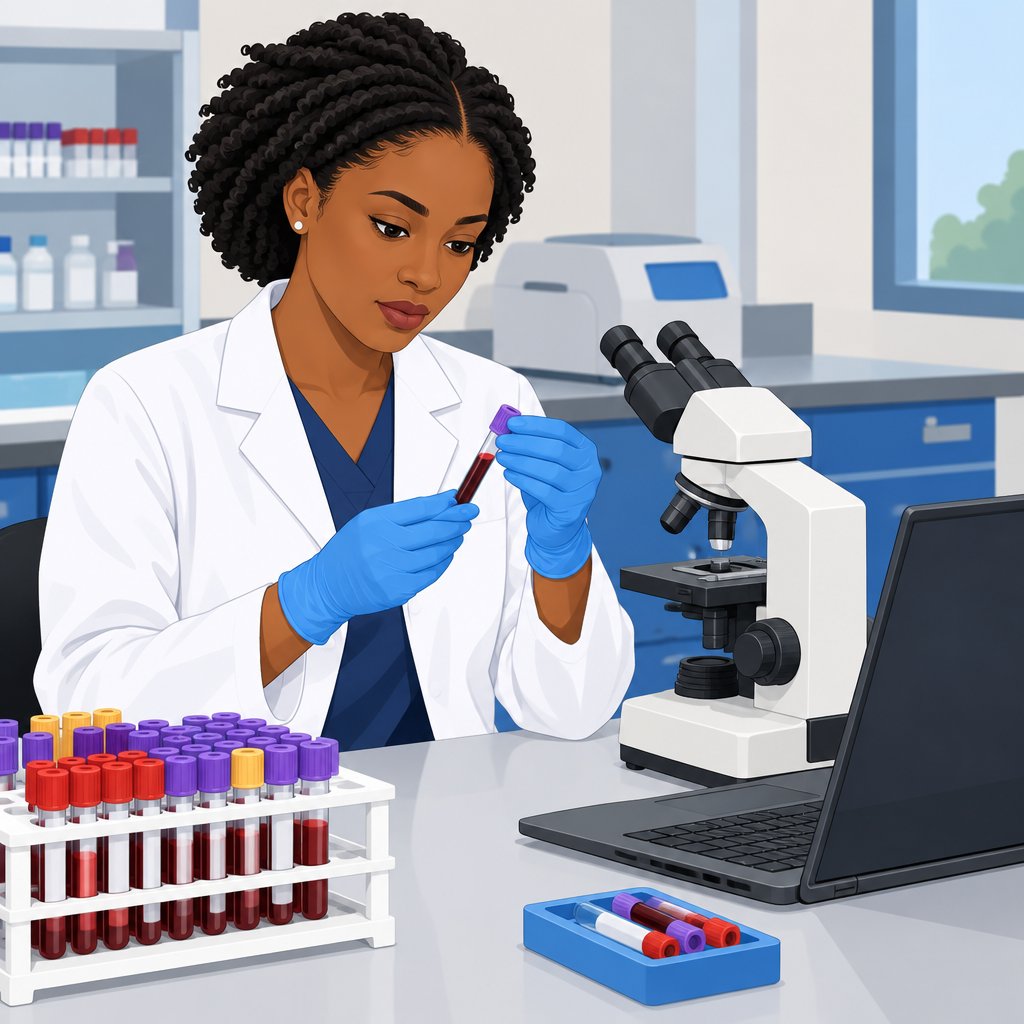
Chemical pathologists support comprehensive patient care.
They interpret laboratory results to guide disease diagnosis and treatment.
By analyzing blood, urine, and other body fluids, they help monitor disease progression.
Transform Your Career with Expert Guidance
Get personalized mentorship consulting that’s tailored to your unique path. Our expert advice is actionable and exclusive.
Get StartedThey collaborate with clinicians to support accurate diagnoses and appropriate patient management.
Their expertise provides valuable insights into biochemical processes underlying different health conditions.
Additionally, they identify metabolic disorders and monitor patients’ responses to treatment.
Consequently, they help patients achieve optimal health outcomes through personalized treatment plans.
They work closely with physicians, pharmacists, and other healthcare professionals.
Through shared findings and recommendations, they support a multidisciplinary approach to patient care.
They also participate in discussions about the best care decisions for individual patients.
Gain More Insights: Key Roles in Nigeria's Public Health Technology Sector
Quality Assurance in Chemical Pathology
Quality assurance remains crucial in chemical pathology.
It ensures accurate and reliable test results for diagnostic decisions.
Therefore, chemical pathologists maintain high quality standards throughout laboratory processes.
These measures uphold trust in diagnostic reports among patients and healthcare providers.
- Chemical pathologists follow strict protocols to ensure accurate and reliable test results.
- They participate in external quality assessment schemes to compare performance against national and international standards.
- Regularly, they calibrate and validate equipment to guarantee precise test results.
- They also conduct proficiency testing to assess laboratory staff competency.
- Additionally, they follow standardized procedures for sample collection, handling, and storage.
- These procedures help prevent errors and contamination during laboratory testing.
- Furthermore, staff maintain records and documentation to track and audit laboratory processes.
Chemical pathologists strengthen public health initiatives in Nigeria through specialized expertise.
Their contributions support disease prevention, surveillance, and control.
Impact on Public Health
- They provide accurate diagnostic services that support public health decisions.
- Additionally, they help detect diseases early through laboratory investigations and monitoring.
- Their analyses reveal risk factors and trends across various health conditions.
- Furthermore, they assess how effectively public health interventions achieve their intended goals.
Role in Disease Prevention
- Chemical pathologists help develop screening programs that support early disease detection.
- They also identify high-risk populations and support appropriate preventive measures.
- Moreover, they analyze data to estimate disease prevalence and incidence within communities.
- These findings inform policymakers as they develop disease prevention strategies.
Role in Disease Surveillance
- They monitor disease patterns to identify outbreaks and emerging health threats.
- In addition, they collaborate with public health agencies to track infectious diseases.
- Chemical pathologists analyze laboratory data to identify disease clusters and changing trends.
- This monitoring strengthens early warning systems for potential public health emergencies.
Role in Disease Control
- Chemical pathologists provide evidence-based recommendations for disease control measures.
- They work with healthcare professionals to implement disease management strategies.
- Furthermore, they conduct research to develop diagnostic tests and treatment options.
- Their expertise supports guidelines for preventing and controlling diseases in Nigeria.
Chemical pathologists provide essential expertise for public health initiatives in Nigeria.
Their work supports prevention, surveillance, control, and improved population health outcomes.
Impact of Chemical Pathology on Nigerian Healthcare
Chemical pathologists provide essential diagnostic information that supports patient care throughout Nigeria.
They interpret laboratory tests, advise clinicians about treatment, and maintain quality control.
Consequently, their work helps detect disease early, monitor treatment, and prevent complications.
Additionally, they support public health through research, improved testing methods, and professional education.
These responsibilities strengthen healthcare delivery and promote better patient well-being.
Additional Resources
Google search results for Key Roles of Chemical Pathologists in Nigeria Health Sciences
Bing search results for Key Roles of Chemical Pathologists in Nigeria Health Sciences


