




Vision Protection in Nigeria
Vision supports many daily tasks.
Vision loss can significantly affect quality of life.
Nigerian ophthalmologists offer practical guidance for protecting eye health.
Regular Eye Examinations
Schedule routine eye examinations to monitor your vision.
These check-ups can identify problems before they become advanced.
Early detection often makes vision problems easier to manage.
A Nutrient Rich Diet
Choose foods that provide vitamins and nutrients for eye health.
Leafy greens, fish, and citrus fruits support a healthy diet.
Regularly including these foods can help maintain your eyes.
Protection from Sunlight
Wear sunglasses outdoors to protect your eyes from ultraviolet rays.
Choose sunglasses that provide UV protection.
This habit helps shield your eyes from harmful sunlight.
Healthy Eye Hygiene
Wash your hands before touching your eyes.
Avoid rubbing your eyes excessively.
These practices can help prevent eye infections.
Stopping Smoking
Smoking increases the risk of eye diseases.
Some of these diseases can cause vision loss.
Quitting smoking therefore supports better eye health.
Regular Physical Activity
Exercise regularly to support your general health.
Physical activity can improve blood circulation to the eyes.
Maintaining circulation can help protect overall eye health.
Balanced Screen Use
Limit screen time to reduce eye strain.
Follow the 20-20-20 rule during screen use.
Take frequent breaks to give your eyes needed rest.
Awareness of Family Eye History
Learn about eye conditions affecting your family.
Some eye conditions have a genetic component.
Knowing your history can help guide preventive measures.
Management of Chronic Conditions
Manage chronic health conditions carefully.
Diabetes and hypertension can affect your eyes.
Effective management supports ongoing protection against vision problems.
Consistent Protection for Eye Health
Apply these recommendations as part of your regular health routine.
Proactive care can help prevent vision loss.
Protecting your eyes supports eye health for years to come.
Regular Eye Exams and Early Detection
Regular eye exams help ophthalmologists assess eye health before noticeable problems develop.
These visits support earlier treatment and can reduce the risk of serious complications.
Adults should generally have examinations at least once every two years.
What Comprehensive Eye Exams Reveal
An ophthalmologist checks visual acuity and examines the overall health of your eyes.
These evaluations can reveal conditions that produce few or no early symptoms.
Therefore, testing can identify concerns before vision changes become obvious.
Conditions Detected Through Eye Examinations
Glaucoma can damage vision gradually and may cause blindness without timely management.
Transform Your Career with Expert Guidance
Get personalized mentorship consulting that’s tailored to your unique path. Our expert advice is actionable and exclusive.
Get StartedEarly detection allows treatment to begin before irreversible damage occurs.
Examinations can also identify cataracts, which cloud the eye’s lens and blur vision.
Cataract surgery has a strong record of restoring clear vision when treatment becomes necessary.
Macular degeneration affects the retina’s central area and can progressively impair detailed vision.
Although no cure exists, early intervention and lifestyle changes may slow its progression.
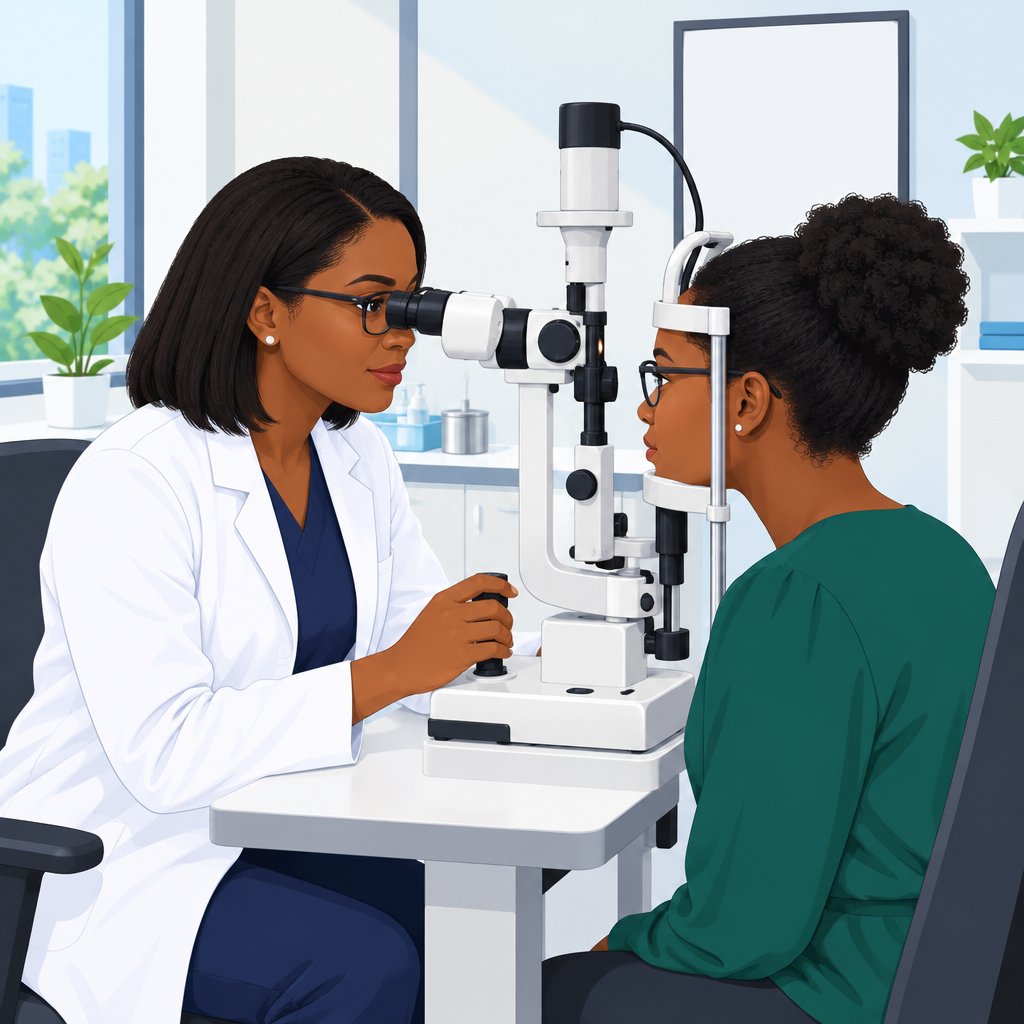
Protecting Vision Through Timely Care
People with existing eye conditions or risk factors may need more frequent examinations.
An eye care provider can recommend an examination schedule suited to individual needs.
Scheduling care before symptoms appear supports informed decisions and helps preserve vision.
Healthy Lifestyle Choices
A healthy lifestyle helps people maintain good eye health.
It involves deliberate choices that support overall well-being and vision.
Therefore, healthy habits can help protect vision over time.
- Choose habits that support overall well-being and eye health.
- Eat balanced meals containing important nutrients.
- Avoid smoking to reduce risks linked to vision loss.
- Limit excessive alcohol consumption to support eye health.
Benefits of a Balanced Diet
A balanced diet supplies nutrients that help the eyes function properly.
Vitamin A supports vision, particularly in low-light conditions.
It also helps prevent night blindness and other vision-related problems.
Vitamin C acts as an antioxidant that supports eye health.
It can help reduce the risk of cataracts and macular degeneration.
Vitamin E protects the eyes from oxidative damage.
That damage can contribute to vision loss over time.
Effects of Smoking and Excessive Alcohol Consumption
Smoking can damage vision and increase the risk of several eye conditions.
It is linked to age-related macular degeneration, cataracts, and optic nerve damage.
Moreover, smoking can worsen existing eye conditions and contribute to further vision loss.
Excessive alcohol consumption can also negatively affect vision.
It can cause nutritional deficiencies that affect eye health.
Additionally, excessive alcohol consumption can increase the risk of cataracts.
Healthy choices can protect vision and reduce the risk of vision loss over time.
You Might Also Like: Choosing ENT Surgery or Alternative Treatments
Proper Eye Protection
Protective eyewear helps prevent vision loss during activities that could harm the eyes.
Wear suitable protection during sports or when handling hazardous materials.
- Sunglasses protect your eyes from harmful UV rays that can cause vision problems over time.
- Choose protection that matches each activity.
- Safety goggles support eye protection during construction work.
- Polarized sunglasses suit outdoor activities.
Therefore, proper protection reduces injury risks and supports long-term eye health.
Discover More: Radiography Equipment and Technology in Nigeria
Managing Chronic Conditions for Eye Health
Diabetes and hypertension can affect eye health when people do not manage them effectively.
Therefore, consistent care helps reduce risks associated with these chronic conditions.
Regular monitoring also helps people identify changes that may affect vision.
- Diabetes and hypertension can influence eye health.
- Effective management can help prevent vision loss.
- Regular monitoring supports ongoing eye health.
Regular Check-ups: Schedule regular check-ups with your healthcare provider.
These visits can identify health changes that may affect your vision.
Follow Treatment Plans: Follow your healthcare provider’s treatment plan carefully.
The plan may include medication, lifestyle changes, or other interventions.
Monitor Blood Sugar and Blood Pressure: Check your blood sugar and blood pressure regularly.
Keeping these levels within a healthy range can help protect your vision.
Maintain a Healthy Diet: Eat a balanced diet to help manage diabetes and hypertension.
Include foods rich in vitamins and minerals that support eye health.
Stay Active: Engage in regular physical activity to support chronic condition management.
Aim for at least 30 minutes of exercise on most days each week.
Avoid Smoking and Excessive Alcohol: Avoid smoking and limit excessive alcohol consumption.
These choices can help protect your eyes from the effects of chronic conditions.
Get Enough Sleep: Aim for 7-9 hours of quality sleep each night.
Adequate sleep supports overall health and chronic condition management.
Manage Stress: Use meditation, yoga, or deep breathing to reduce stress.
Managing stress can help limit its effects on diabetes and hypertension.
By managing chronic conditions effectively, you can help reduce the risk of vision loss.
Apply these practices consistently to support your eye health and preserve your vision.
Gain More Insights: Top Universities Offering Ophthalmology in Nigeria
Avoiding Eye Strain
Eye strain affects many people, especially when screens remain part of daily life.
Moreover, extended screen use and poor lighting can create discomfort and dryness.
These conditions may also contribute to vision problems over time.
Effects of Screen Time and Poor Lighting
- Prolonged screen use can cause digital eye strain, also called computer vision syndrome.
- This condition may cause headaches, blurred vision, and neck pain.
- Additionally, overly bright or dim lighting can place extra stress on the eyes.
Ways to Reduce Eye Strain
- Take frequent breaks to rest your eyes during screen use.
- Follow the 20-20-20 rule by looking 20 feet away every 20 minutes.
- Look at the distant object for at least 20 seconds before returning to your screen.
Also, adjust your screen settings to reduce glare and improve contrast.
Set the brightness at a level that feels comfortable for your eyes.
Proper Screen Ergonomics
- Keep your screen at eye level to limit neck and eye strain.
- Position the screen about an arm’s length away from your eyes.
- Avoid sitting either too close or too far from the screen.
These adjustments can support a more comfortable workspace.
By using these practices daily, you can reduce eye strain and support good eye health.
Delve into the Subject: Understanding Anatomy Curriculum in Nigeria
Proper Contact Lens Care
Proper contact lens hygiene helps prevent eye infections.
Daily cleaning supports lens cleanliness.
Correct storage and replacement practices help protect eye health.
- Clean Your Lenses Daily: Use recommended contact lens solution to clean your lenses every day.
- Store Them Properly: Store your contact lenses in a clean case with fresh solution.
- Avoid Water Contact: Never wash your lenses with water or swim while wearing them.
- Replace On Time: Follow your eye doctor’s instructions for replacing your contact lenses.
Risks of Improper Contact Lens Care
Improper contact lens care can create serious eye risks.
Bacteria and debris can build up on lenses.
Therefore, careful lens maintenance supports eye health.
- Eye Infections: Bacteria and debris buildup can cause painful and dangerous eye infections.
- Corneal Ulcers: Improper care can cause corneal ulcers and lead to vision loss.
- Corneal Neovascularization: A lack of oxygen can cause new blood vessel growth in the cornea.
Your eyes are precious, so proper lens care helps maintain eye health and prevent vision loss.
Recognizing Early Warning Signs
Early detection of eye problems can help prevent vision loss.
Recognizing warning signs allows people to seek timely professional care.
Prompt attention can help protect eyesight and support long-term eye health.
- Blurred vision may signal a potential eye problem.
- Eye pain should not be ignored or dismissed as temporary discomfort.
- Redness can indicate an issue that requires professional assessment.
- Sensitivity to light may accompany certain eye problems.
When Professional Eye Care Becomes Necessary
Persistent symptoms require attention from an eye care specialist.
Worsening symptoms also indicate that professional evaluation should not be delayed.
Eye care specialists can assess symptoms and determine whether treatment is necessary.
Benefits of Early Intervention
Early intervention addresses eye problems before they become more serious.
Timely treatment may help preserve eyesight and maintain good eye health.
Delaying care can lead to complications and permanent vision loss in some cases.
Monitoring Eye Health with Professional Checkups
Comprehensive eye exams can detect potential issues before symptoms progress.
People with a family history of eye diseases may need particular attention.
Other risk factors can also make regular professional monitoring important.
Vision-Supporting Daily Choices
Nigerian ophthalmologists recommend practical actions that support lasting eye health.
For instance, eat antioxidant-rich foods as part of a healthy diet.
Also, quit smoking to support your efforts to protect vision.
Manage chronic conditions, such as diabetes, to support your eye health.
By acting consistently, you can support healthy vision and reduce the risk of vision loss.
Additional Resources
Google search results for Preventing Vision Loss: Tips from Nigerian Ophthalmologists Medical
Bing search results for Preventing Vision Loss: Tips from Nigerian Ophthalmologists Medical


