



Introduction
Surgery in Nigeria faces serious challenges.
These challenges include limited equipment and a shortage of trained professionals.
Moreover, discussing the future can help improve healthcare outcomes in Nigeria.
Expanding Surgical Care Across Nigeria
In Nigeria, many people need better access to surgical care.
Telemedicine and tele-surgery can connect patients with healthcare providers across distance.
These approaches may reduce travel and waiting barriers for some patients.
Barriers to Surgical Services
Remote communities often lack skilled surgeons and suitable healthcare facilities.
Consequently, patients may wait longer before receiving necessary surgical treatment.
Many facilities also lack infrastructure and equipment for complex procedures.
This limitation can make consistent, high-quality care difficult to provide.
Financial constraints further prevent many Nigerians from affording surgery and postoperative care.
Therefore, cost remains another barrier to timely treatment.
Digital Innovations in Surgical Care
Telemedicine lets patients receive consultations remotely.
Healthcare providers can discuss diagnoses and treatment recommendations without requiring every patient to travel.
Tele-surgery uses telecommunications and robotic-assisted technology to support operations in distant locations.
These tools can connect urban specialists with patients in underserved rural areas.
Together, these approaches can improve efficiency, reduce costs, and strengthen care delivery.
Benefits of Wider Surgical Access
Surgical care treats emergencies such as trauma and infections.
It also addresses chronic conditions, including cancer and heart conditions.
Timely treatment can prevent complications, disabilities, and deaths.
Broader access can improve health outcomes and reduce the disease burden.
Patients may also experience a better quality of life.
Investment in surgical care can reduce healthcare costs and increase productivity.
These gains can support wider development in Nigeria.
Advancements in Robotic Surgery
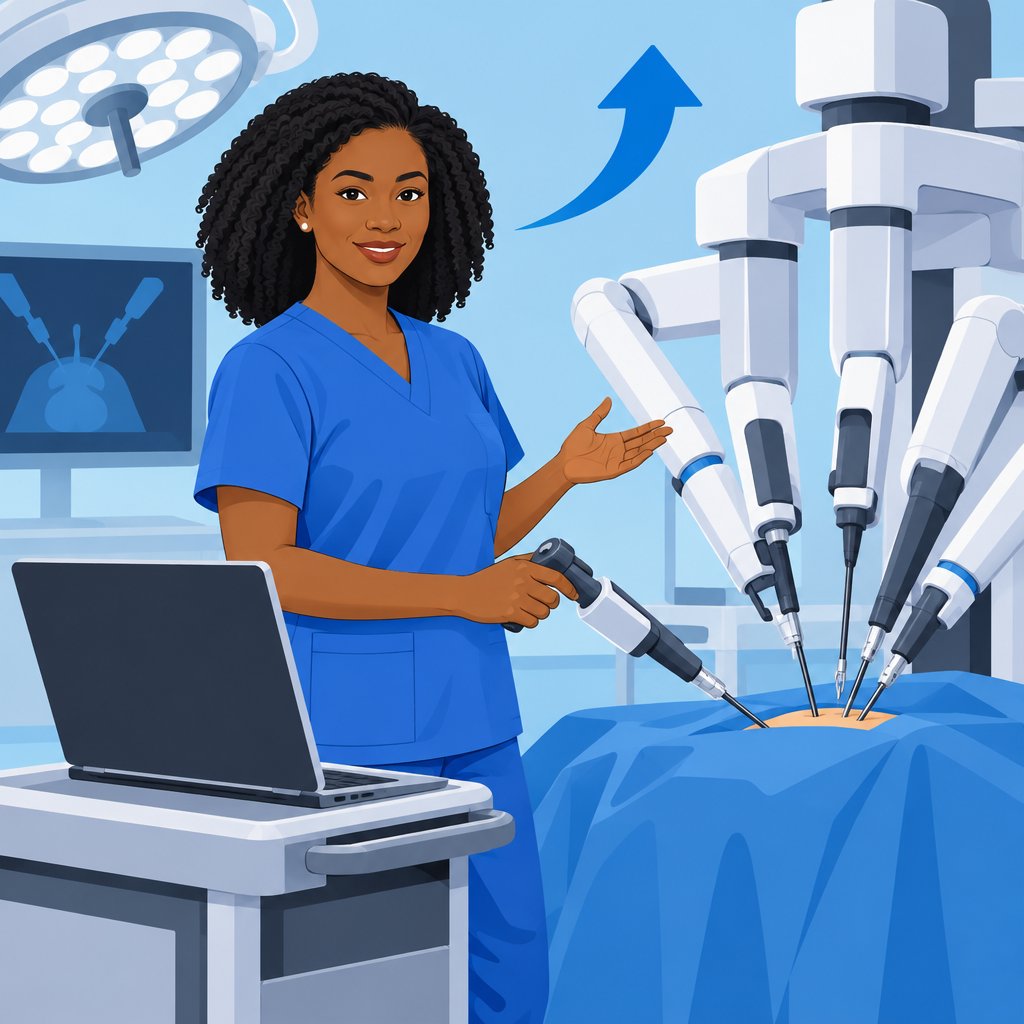
Robotic surgery technology has transformed surgical practice.
It creates new possibilities for minimally invasive procedures with greater precision and control.
- Overview of robotic surgery technology: Robotic surgery uses robotic systems to assist surgeons during complex procedures with enhanced dexterity and visualization.
- Current status in Nigeria: Robotic surgery remains in its early stages within Nigeria.
- Only a few Nigerian hospitals currently have robotic systems for surgical procedures.
- Potential benefits: Robotic surgery can shorten hospital stays, reduce pain, and lower infection risks.
- Patients may also experience faster recovery times after robotic procedures.
- Challenges: High costs, limited rural access, and specialized training create barriers to effective adoption.
You Might Also Like: Non-Surgical Restorative Dentistry Options
Training and Education in Surgery
Surgery requires continuous training and education to support safe and successful procedures.
Surgeons need current techniques, technologies, and best practices to provide high-quality patient care.
Training also strengthens surgical skills, expands knowledge, and supports professional development.
Importance of Continuous Training for Surgeons
Continuous training helps surgeons improve surgical outcomes.
It keeps them informed about advancements in medical science and changing surgical practices.
Furthermore, ongoing education supports personal growth and helps surgeons serve patients effectively.
Current Surgical Training Programs in Nigeria
Nigeria offers surgical training through teaching hospitals, medical colleges, and specialty training centers.
These programs prepare surgeons to perform complex surgical procedures.
They combine theoretical coursework, practical training, and clinical rotations in hospitals and other healthcare settings.
They cover specialties such as general, orthopedic, cardiothoracic, neurosurgical, and plastic surgery.
Innovations in Surgical Education and Training
Technology has changed surgical education and training methods.
Simulation-based training lets surgeons practice procedures before treating actual patients.
This approach can improve skills, confidence, and decision-making in controlled settings.
Transform Your Career with Expert Guidance
Get personalized mentorship consulting that’s tailored to your unique path. Our expert advice is actionable and exclusive.
Get StartedVirtual reality simulations recreate real-life surgical scenarios for immersive practice.
Online learning platforms provide flexible access to lectures, resources, and interactive modules.
They also help surgeons continue education and collaborate with healthcare professionals globally.
Strengthening Surgical Care Through Education
Quality educational resources can support a skilled and competent surgical workforce in Nigeria.
Continuous learning can help surgeons deliver advanced surgical care to Nigerian patients.
Innovation in training methods can strengthen the future of surgery in Nigeria.
See Related Content: Oral Hygiene Products for Nigerian Kids
Addressing Healthcare Disparities
Healthcare disparities create differences in service access and health outcomes among populations.
In Nigeria, these disparities particularly affect surgical care between urban and rural communities.
Urban centers contain most surgical facilities, while rural communities often have limited access.
Consequently, rural populations may experience poorer health outcomes.
Disparities in Urban and Rural Surgical Access
Rural patients often travel long distances to reach surgical facilities.
These journeys can delay timely care.
Furthermore, rural communities often lack specialized surgical providers.
Therefore, limited facilities and specialist shortages deepen unequal surgical access.
Strategies for Reducing Surgical Healthcare Disparities
Several strategies can improve surgical access for underserved rural populations.
- Investing in rural healthcare infrastructure can expand access to surgical services.
- Training rural healthcare providers can improve the quality of available surgical care.
- Telemedicine and mobile clinics can connect rural patients with urban specialists.
Government and Non-Profit Roles in Healthcare Equity
The government can promote equitable surgical access through focused policies and programs.
It can fund rural infrastructure projects and provide incentives for underserved-area providers.
Non-profit organizations can support underserved populations through outreach and financial assistance.
They can also advocate for policies that advance healthcare equity.
Collaboration among government agencies, non-profit organizations, and healthcare providers can strengthen surgical access.
These efforts can help Nigeria provide quality surgical services to all populations.
Find Out More: Key Figures in Nigerian Orthopaedic Technology
Collaboration and Partnerships
Collaboration supports the advancement of surgical practices in Nigeria.
Healthcare providers can share knowledge, resources, and expertise through effective partnerships.
These efforts can improve patient outcomes and strengthen surgical care.
Importance of Collaboration Between Healthcare Providers and Institutions
Healthcare providers and institutions can address common challenges by working together.
They can combine financial and human resources to support healthcare services.
Furthermore, shared experience can improve care, efficiency, and surgical innovation.
- Collaboration pools financial and human resources to address common healthcare challenges.
- Healthcare providers share experiences and best practices to improve patient care.
- Joint efforts streamline processes and make healthcare delivery more efficient.
- Partnerships encourage innovation and support new surgical techniques and technologies.
Successful Partnerships Improving Surgical Care in Nigeria
Several initiatives demonstrate how partnerships can strengthen surgical care in Nigeria.
These collaborations support professional training, direct care, and facility improvements.
They also help extend surgical services to underserved and remote communities.
- The Surgical Society of Nigeria partners with medical institutions to provide surgical training and education.
- Doctors Without Borders works with local hospitals to provide surgical care in underserved communities.
- Public-private partnerships upgrade surgical facilities and improve access in remote areas.
International Collaborations Advancing Surgical Practices
International collaborations can introduce new perspectives and expertise to Nigerian surgery.
They can connect Nigerian healthcare professionals with training and knowledge from medical centers abroad.
They can also support policy development, research, and better understanding of surgical conditions.
- Partnerships with medical centers abroad can support knowledge transfer and professional training.
- The World Health Organization can support policies and guidelines for surgical care.
- Research collaborations with foreign universities can examine surgical conditions prevalent in Nigeria.
Local and international partnerships can shape the future of surgery in Nigeria.
Healthcare providers can drive innovation and improve patient outcomes through coordinated efforts.
These partnerships can help ensure access to quality surgical care for Nigerians.
Delve into the Subject: Challenges Facing Anatomy Students in Nigeria
Future Directions for Surgery in Nigeria
Surgery in Nigeria is entering a future shaped by important trends and innovations.
These developments continue to influence the country’s healthcare landscape.
Stakeholders must support these advancements to improve surgical care for all Nigerians.
Key Trends Shaping Surgical Care
Current surgical trends in Nigeria emphasize technology, training, and infrastructure.
These areas remain important foundations for stronger healthcare services.
Together, these advancements could transform healthcare delivery across the country.
Stakeholder Support for Surgical Progress
Government officials, healthcare providers, and researchers all have important roles.
They can support the future of surgery through investment in technology and training.
Such investment can help expand access to high-quality surgical care for Nigerians.
Research and Innovation in Surgical Care
Ongoing research remains crucial for improving surgical care in Nigeria.
Innovation helps healthcare professionals respond to the country’s healthcare challenges.
Medical advancements can support better outcomes for patients.
Additional Resources
Google search results for The Future of Surgery in Nigeria: Trends and Innovations Medical
Bing search results for The Future of Surgery in Nigeria: Trends and Innovations Medical


