



Introduction:
Oral hygiene is crucial for kids to prevent dental issues.
Nigerian kids often face tooth decay and gum problems due to poor oral care habits.
It is vital to use appropriate oral hygiene products tailored to Nigerian kids’ needs.
Importance of Oral Hygiene for Kids
Proper oral hygiene supports children’s health and development.
Consistent care helps children build healthy habits that can last throughout life.
Good oral care also supports healthy teeth, gums, speech, and jaw growth.
Why Oral Hygiene Supports Children’s Health
Daily oral care helps prevent infections and diseases that can affect children’s health.
It also supports proper speech development and healthy jaw growth.
Furthermore, healthy teeth and gums can strengthen children’s confidence.
- Oral hygiene helps prevent infections and diseases.
- It supports proper speech development and jaw growth.
- It helps prevent tooth decay, cavities, and gum disease.
- Healthy teeth can boost children’s self-esteem and confidence.
How Poor Oral Hygiene Affects Children’s Development
Poor oral hygiene increases the risk of cavities, toothaches, and gum infections.
These problems may make eating and speaking more difficult for children.
Frequent dental issues can also interfere with children’s school performance.
- Poor oral care increases the risk of cavities and toothaches.
- Gum infections may cause additional discomfort and health concerns.
- Dental problems can make eating and speaking more difficult.
- Frequent dental issues may affect school performance.
- Untreated problems can require expensive dental treatments later.
Benefits of Building Good Oral Hygiene Habits Early
Teaching oral care early helps children develop lifelong habits.
Regular care can reduce the need for extensive dental treatments later.
As a result, children can enjoy healthier teeth, gums, smiles, and daily well-being.
- Early guidance encourages lifelong care for teeth and gums.
- Good habits can help prevent extensive dental treatments later.
- Consistent care supports healthy teeth and gums.
- A healthy smile can improve children’s well-being and quality of life.
Common Oral Hygiene Issues in Nigerian Kids
Several oral hygiene problems affect Nigerian children.
These concerns can influence comfort, health, and confidence.
Recognizing these problems helps families and caregivers respond early.
Prevalent Oral Health Problems
Tooth decay affects many children and can begin at a young age.
Gum disease, including gingivitis, can develop when children practice poor oral hygiene.
Mouth sores and infections may result from bacterial growth inside the mouth.
- Many children experience tooth decay and cavities at a young age.
- Poor oral hygiene can contribute to gum disease, including gingivitis.
- Bacterial growth can contribute to mouth sores and infections.
- Misaligned or crowded teeth may affect oral health and overall well-being.
Children may experience different problems at the same time.
Some conditions can affect daily comfort and confidence.
Early recognition gives caregivers an opportunity to address concerns.
Factors Contributing to These Issues
Diet strongly influences children’s oral health.
Daily routines also shape how effectively children protect their teeth and gums.
Access to information and dental services can affect preventive care.
- Sugary snacks and drinks can contribute to tooth decay.
- Irregular brushing and flossing can lead to dental problems.
- Limited awareness can prevent parents and children from practicing proper oral care.
- Inadequate access to dental services can reduce preventive care opportunities.
These factors can combine to create continuing oral health challenges.
Families can support healthier routines by learning about proper oral care.
Regular preventive attention can help address problems before they worsen.
Addressing Children’s Oral Health Needs
Early intervention can help prevent long-term oral health complications.
Consistent care can help children maintain healthier smiles and stronger teeth.
Caregivers can encourage children to practice oral hygiene regularly.
- Early intervention can help prevent long-term oral health complications.
- Oral hygiene routines can encourage lifelong habits.
- Preventive care can improve children’s quality of life and confidence.
- Appropriate oral hygiene products can support children’s dental care needs.
Uncover the Details: Key Figures in Nigerian Orthopaedic Technology
Essential Oral Hygiene Products for Children
Parents should choose oral hygiene products that support Nigerian children’s dental health.
These items can help children clean their teeth and gums consistently.
Age-appropriate products also make daily care easier and more comfortable.
- Choose children’s toothpaste with lower fluoride content and a fun flavor.
- Select a soft-bristled toothbrush with a small head for easier cleaning.
- Use dental floss to clean between teeth where toothbrushes cannot reach.
Choosing Age-Appropriate Oral Hygiene Products
Children have different dental needs from adults.
Children’s toothpaste contains less fluoride because swallowing too much fluoride can harm children.
Transform Your Career with Expert Guidance
Get personalized mentorship consulting that’s tailored to your unique path. Our expert advice is actionable and exclusive.
Get StartedSmall toothbrush heads help children reach all areas of their mouths.
Furthermore, early guidance helps children develop habits that support long-term oral care.
Recommended Brands for Nigerian Children
Several reputable brands provide products designed for children’s oral care.
Parents can consider each child’s needs and preferences when selecting products.
Fun flavors, colors, and themes may encourage children to use these products regularly.
- Colgate Kids Toothpaste offers children’s toothpaste with fun flavor options.
- Oral-B Kids Toothbrushes include designs created specifically for children.
- Johnson & Johnson Reach Dental Floss provides gentle flossing support for children.
Learn More: Challenges Facing Anatomy Students in Nigeria
Proper Oral Hygiene Habits for Kids
Children need consistent oral hygiene habits to support healthy teeth and gums.
Parents can guide children through brushing, flossing, and daily mouth care.
Additionally, enjoyable routines can encourage children to practice oral hygiene consistently.
- Establish a routine of brushing teeth twice a day for kids.
- Teach kids the importance of proper brushing and flossing techniques.
- Make oral hygiene fun and engaging to encourage kids.
Daily Oral Hygiene Routine for Children
Children should brush their teeth twice daily, once in the morning and once before bed.
Use a pea-sized amount of fluoride toothpaste during each brushing session.
Encourage children to brush for two minutes and reach every area, including their back teeth.
Proper Brushing and Flossing Techniques
Proper techniques help children remove plaque and food particles effectively.
Show children how to brush gently using circular motions across their teeth.
Also, teach children to floss between their teeth where brushing may miss debris.
Fun Ways to Encourage Oral Hygiene
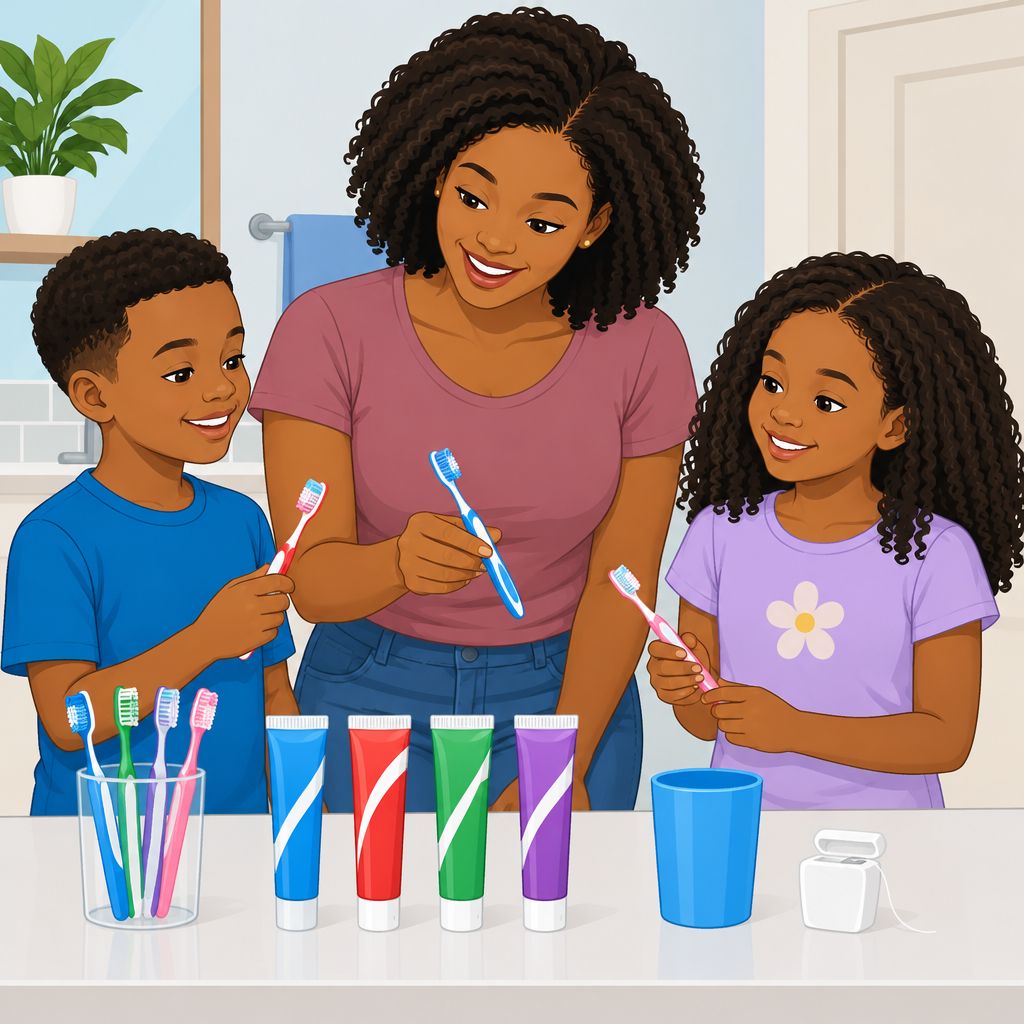
Parents can make oral hygiene more enjoyable with colorful and appealing products.
Music, songs, and personal choices can make brushing feel more interactive.
Furthermore, rewards and parental example can reinforce consistent daily habits.
- Choose colorful toothbrushes and fun-flavored toothpaste to make brushing more enjoyable.
- Play music or sing a song while children brush their teeth.
- Let children choose favorite character toothbrushes or flavored floss.
- Create a sticker chart or reward system for consistent oral hygiene habits.
- Brush your teeth alongside children to demonstrate the importance of oral hygiene.
By guiding daily care, parents help children develop habits that support healthy smiles.
Consistent practice also helps children understand the importance of caring for their teeth and gums.
Starting early can encourage children to maintain oral hygiene throughout life.
Find Out More: Physiotherapy for Women's Health: Nigerian Focus
Limited Availability of Quality Oral Hygiene Products
Some regions in Nigeria lack access to quality oral hygiene products for children.
Limited availability can prevent parents from providing consistent oral care.
Consequently, children in these regions may lack basic dental products.
Affordability Concerns for Nigerian Families
Many Nigerian families struggle with the high cost of oral hygiene products.
Some households may prioritize other essential needs over dental care items.
Therefore, product costs can create barriers to maintaining good oral health.
Because of financial constraints, some families may use traditional methods instead.
Practical Support for Families
Government subsidies or oral care programs could improve access to necessary products.
Additionally, NGOs and charitable organizations could provide free or discounted dental supplies.
Parents could also learn safe, affordable approaches to supporting daily oral care.
Promoting local dental product manufacturers could help reduce import costs.
Shared Responsibility for Children’s Oral Care
Improving access to oral hygiene products remains essential for Nigerian children.
Greater availability and affordability can help families provide consistent oral care.
Government agencies, NGOs, and communities must collaborate to address these challenges.
Learn More: Overview of Dental Therapy in Nigeria
Cultural and societal factors influence oral hygiene habits among Nigerian children.
Understanding these influences helps communities promote positive oral health behaviors.
Effective strategies should respect different cultural backgrounds and social contexts.
Cultural Beliefs and Practices
Traditional beliefs may prioritize other aspects of health over oral hygiene.
Some communities may not prioritize preventive dental care.
Families may use traditional remedies for tooth pain or decay.
- Traditional beliefs may prioritize other aspects of health over oral hygiene.
- Some communities may not prioritize preventive dental care.
- Families may use traditional remedies for tooth pain or decay.
- Oral health education may not remain readily available or accessible.
- Some people believe baby teeth do not matter because they eventually fall out.
Societal Influences on Oral Health Behaviors
Social conditions can shape how children and families manage oral hygiene.
Access, awareness, diet, and social expectations can influence daily oral health choices.
Addressing these influences can help families seek appropriate dental support.
- Many families lack access to affordable dental care services.
- Limited awareness can reduce attention to regular oral hygiene.
- Sugary snacks and drinks commonly appear in children’s diets.
- Peer pressure and social norms can influence children’s oral health habits.
- Some communities associate dental visits or professional help with stigma.
Strategies for Promoting Positive Oral Hygiene Practices
Community-based education can make oral hygiene guidance more relevant and accessible.
Families, schools, and religious institutions can reinforce positive oral health messages.
Affordable services can also help children receive needed dental check-ups and treatments.
- Collaborate with local communities to provide oral health education.
- Use local languages and cultural norms in educational materials.
- Provide affordable or free dental check-ups and treatments.
- Engage families through interactive oral health workshops or discussions.
- Partner with schools or religious institutions to promote oral hygiene.
Addressing cultural and societal factors can support better oral health outcomes for Nigerian children.
Programs should incorporate the diverse cultural backgrounds and social contexts of participating communities.
Importance of Regular Dental Check-ups for Kids
Regular dental check-ups help Nigerian children maintain healthy teeth and gums.
These visits can identify dental concerns before they become more difficult to manage.
They also help children develop positive attitudes toward dental care and routine oral hygiene.
Benefits of Dental Visits for Children’s Oral Health
Dental visits allow professionals to examine children’s teeth, gums, jaws, and overall oral development.
Furthermore, dentists can recommend suitable preventive care according to each child’s needs.
Early guidance can help families respond promptly when oral health concerns appear.
- Regular examinations can reveal cavities, gum disease, and tooth misalignments early.
- Dentists may provide fluoride applications, dental sealants, and professional cleanings.
- Appointments create opportunities to discuss brushing, flossing, and helpful dietary habits.
- Dental professionals can monitor changes in children’s teeth and jaw development.
How Dentists Educate Children and Parents
Dentists show children and parents how daily oral care supports healthy teeth and gums.
They can explain dental procedures clearly and respond to questions during appointments.
As a result, families can make informed choices about brushing, flossing, and dental care.
- Dentists explain why children should brush and floss regularly.
- They may provide demonstrations, educational materials, and practical oral care advice.
- They answer questions about hygiene routines, treatments, and possible dental problems.
- They encourage healthy habits that support children’s oral health and well-being.
Recommended Timing for Children’s Dental Check-ups
Children should begin dental care early so professionals can observe their developing teeth.
Regular appointments also help dentists adjust care when children’s oral health needs change.
Families should seek prompt attention whenever a child experiences sudden pain or injury.
- A child’s first dental visit should occur by the first birthday or after the first tooth appears.
- Most children should receive routine dental examinations and cleanings every six months.
- Dentists may schedule additional visits for braces, cavities, or other concerns.
- Toothaches, injuries, and sudden pain require immediate dental attention.
Supporting Lifelong Oral Health for Nigerian Children
Providing Nigerian kids with proper oral hygiene products remains crucial.
Regular brushing, flossing, and dental check-ups support their oral health.
Therefore, parents and caregivers must prioritize daily oral hygiene to help prevent dental issues.
They should seek suitable products and resources for healthy, strong teeth.
Good childhood habits can support healthy smiles throughout life.
Additional Resources
Google search results for Oral Hygiene Products for Nigerian Kids Medical
Bing search results for Oral Hygiene Products for Nigerian Kids Medical


