



Introduction
Anatomy studies the structure of the human body.
Furthermore, medicine relies on anatomy to understand diseases and treatments.
However, anatomy students in Nigeria face challenges distinct from those in other countries.
Lack of Proper Laboratory Facilities
Anatomy education in Nigeria faces significant shortages of proper laboratory facilities.
These limitations affect students’ learning experiences and their understanding of anatomy concepts.
Consequently, students struggle to connect theoretical knowledge with practical anatomy.
- Insufficient and Outdated Equipment: Many anatomy laboratories lack modern equipment and rely on outdated tools.
- These tools may not provide accurate results or clarify complex anatomical concepts effectively.
- Impact on Students’ Learning: Limited facilities restrict hands-on experience and practical anatomy training.
- Practical training helps students reinforce theoretical knowledge and develop deeper subject understanding.
- Examples of Lacking Equipment: Laboratories may lack microscopes, anatomical models, dissecting tools, and preservation chemicals.
- They may also lack digital imaging systems for experiments, dissections, and anatomical research.
Shortage of Qualified Anatomy Teachers
Nigeria has a limited number of qualified anatomy teachers.
Many institutions therefore struggle to provide experienced and knowledgeable instruction in anatomy.
This shortage can prevent students from receiving the guidance required for comprehensive anatomical understanding.
- Students may struggle to understand complex anatomical concepts without sufficient expert instruction.
- Limited teaching support can also affect students’ ability to excel in their studies.
- Institutions need strategic measures to strengthen anatomy teaching and improve student learning.
Several practical measures can help institutions address this shortage.
- Institutions should recruit more qualified anatomy teachers to fill gaps in their teaching faculties.
- Professional development can strengthen existing teachers’ anatomy knowledge and instructional skills.
- Encouraging specialization can improve teaching quality across different areas of anatomy.
- Partnerships with external experts can provide additional knowledge and support for anatomy education.
These measures can improve the educational experience of anatomy students in Nigeria.
Stronger teaching support can help students understand anatomy more effectively.
Better instruction can also prepare students for successful careers in anatomy-related fields.
Learn More: Physiotherapy for Women's Health: Nigerian Focus
Limited Access to Cadavers for Anatomy Dissection
Several factors limit cadaver availability for anatomy students in Nigeria.
Cultural beliefs and religious considerations can influence decisions about donating human remains.
Additionally, Nigeria lacks enough donation programs to support anatomy education.
- Scarcity of Cadavers Available for Anatomy Dissections
Consequently, students receive fewer opportunities to conduct practical dissections.
This shortage limits their direct exposure to human anatomical structures.
- Hindrance to Students’ Practical Learning Experience
Cadaver dissection helps students examine intricate human structures directly.
It also allows them to develop essential dissection skills through repeated practice.
Without enough cadavers, however, students may struggle to understand important anatomical concepts.
- Alternative Methods for Learning Anatomy Without Access to Cadavers
Nevertheless, virtual dissection software can supplement classroom instruction.
Anatomical models and interactive multimedia resources can also strengthen students’ understanding.
Furthermore, some anatomy departments partner with medical schools or hospitals.
These partnerships allow students to observe professionals conducting cadaver dissections.
Students can therefore learn from experienced professionals and observe real anatomical structures.
Additionally, hands-on workshops provide opportunities to practise dissection techniques.
Some practical sessions use animal specimens when human cadavers remain unavailable.
Although animal specimens cannot fully replace human cadavers, they provide useful practical experience.
These approaches help students develop skills and deepen their understanding of human anatomy.
Explore Further: Overview of Dental Therapy in Nigeria
High Workload and Academic Pressure
Anatomy students face demanding curricula and memorize vast amounts of information daily.
They study the structure and function of the human body in considerable detail.
This workload requires long hours in laboratories and libraries for studying, dissection, and memorizing complex anatomical terms.
Effects on Mental Health
Long study hours and academic stress can harm students’ mental health.
Pressure to perform well and fear of failure can cause anxiety, depression, and burnout.
Students may also experience fatigue, headaches, and insomnia.
Strategies for Managing Academic Pressure
Students should prioritize their mental well-being and seek help when feeling overwhelmed.
Exercise, meditation, and time with friends can help reduce academic pressure.
Transform Your Career with Expert Guidance
Get personalized mentorship consulting that’s tailored to your unique path. Our expert advice is actionable and exclusive.
Get StartedProfessors, counselors, and mental health professionals can help students manage academic stress.
- Create a study schedule and assign specific time slots to different subjects.
- Divide study sessions into manageable periods to prevent cognitive overload.
- Maintain a balanced diet, adequate sleep, and regular physical activity.
- Ask peers, professors, or academic advisors for assistance when necessary.
- Join study groups or online forums to discuss difficult topics and share knowledge.
- Take regular breaks and practice mindfulness or relaxation techniques during study sessions.
- Enjoy hobbies and activities that promote relaxation and personal well-being.
- Set realistic goals and divide long-term objectives into achievable milestones.
- Celebrate progress and reward yourself after reaching each milestone.
Explore Further: Regulations Governing Dental Therapy in Nigeria
Lack of Support and Mentorship
Anatomy students in Nigeria often face limited support and mentorship within educational institutions.
Without proper guidance, many students struggle to navigate their academic journey.
Consequently, students may feel isolated, confused, and overwhelmed by their coursework.
Absence of Mentorship and Support Systems
Many anatomy students manage demanding academic responsibilities without consistent guidance.
Moreover, limited support can make students feel uncertain about their academic progress.
As a result, students may struggle to manage coursework and remain confident in their abilities.
- Many anatomy students struggle to navigate their academic journey without proper guidance.
- The absence of mentorship often creates feelings of isolation and confusion among students.
- Without support systems, students may feel overwhelmed by their coursework demands.
Importance of Mentorship
Mentorship helps anatomy students approach their academic pursuits with greater direction.
Experienced mentors can offer valuable insights that clarify academic expectations and challenges.
Furthermore, regular guidance can help students build confidence, set goals, and maintain motivation.
- Mentorship plays an important role in helping students succeed academically.
- Experienced mentors can provide valuable insights and practical academic advice.
- Mentorship helps students build confidence, establish goals, and stay motivated.
Ways to Provide Better Support
Institutions can strengthen student support by creating structured mentorship opportunities.
They can also provide practical sessions that address common academic and personal challenges.
Additionally, inclusive environments can encourage students to seek help when they need it.
- Institutions can pair students with faculty members or senior students through mentorship programs.
- Workshops on study skills, time management, and stress management can support students.
- Supportive and inclusive environments can make students more comfortable seeking help.
Institutions can promote academic success by combining mentorship programs with accessible support services.
Gain More Insights: Child Health Insurance Options in Nigeria
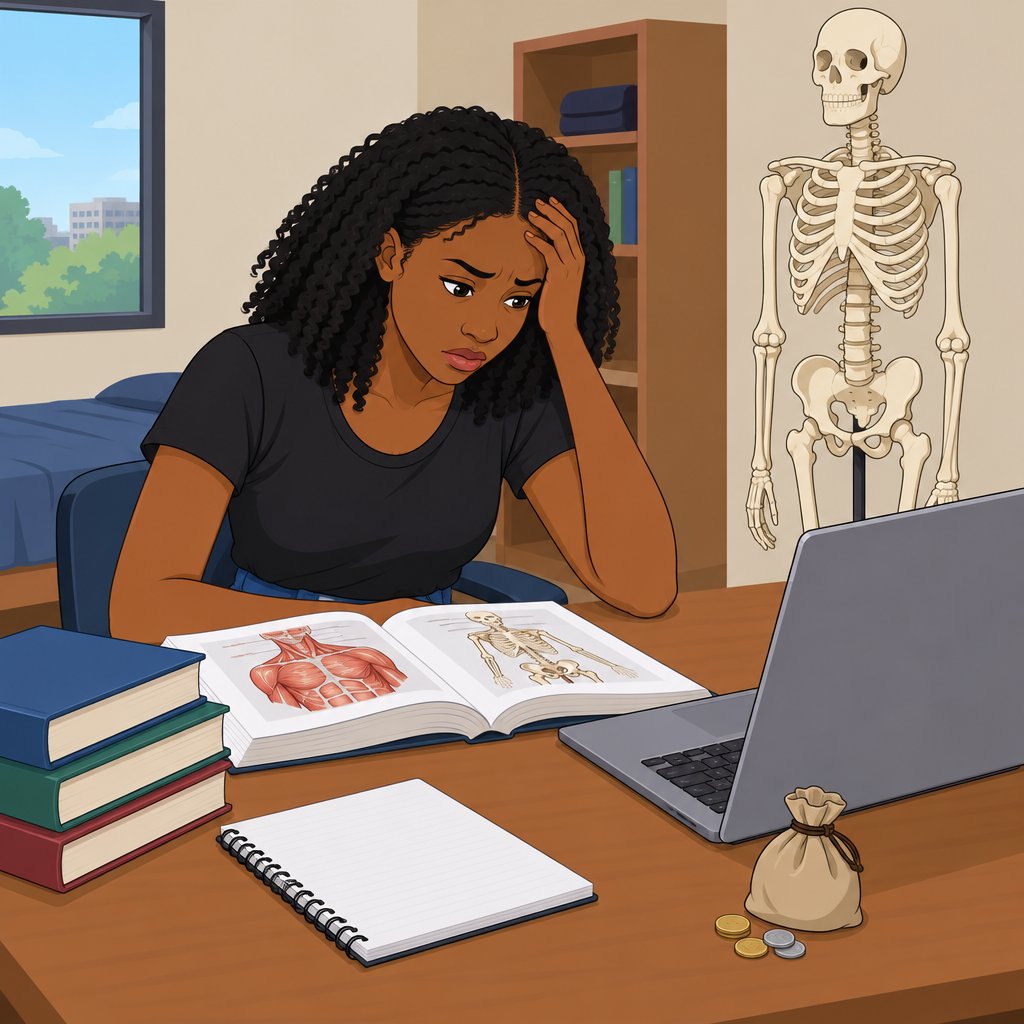
Limited Career Opportunities
Anatomy students in Nigeria face limited career opportunities after graduation.
Consequently, many graduates struggle to secure employment directly related to anatomy.
Furthermore, available positions remain limited across research institutions, hospitals, and educational settings.
- Anatomy students often struggle to find suitable employment after graduation.
- The job market remains highly competitive for anatomy graduates.
- Research institutions, hospitals, and educational settings offer limited positions.
Strategies for Improving Career Prospects
Students can take proactive steps to improve their employment prospects.
For example, additional education can strengthen their qualifications and expand their options.
Meanwhile, practical experience, professional connections, and transferable skills can support career development.
Further Education
Pursuing a master’s degree can help anatomy students develop advanced knowledge.
Alternatively, students may pursue doctoral study in a related field.
Advanced qualifications can improve their competitiveness within the available job market.
Practical Experience
Internships allow students to apply classroom knowledge in practical settings.
Similarly, volunteering can help students develop relevant workplace experience.
Research opportunities can also strengthen their applications and professional confidence.
Professional Networks
Networking connects students with professionals working in anatomy and related fields.
These connections may reveal employment opportunities that students might otherwise miss.
Additionally, professional relationships can provide valuable insights into industry expectations.
Transferable Skills
Students should strengthen their communication skills alongside their anatomy knowledge.
Critical thinking can help graduates approach workplace challenges effectively.
Problem-solving abilities also remain valuable across different employment settings.
Awareness of Industry Trends
Students should monitor recent developments within the anatomy field.
Staying informed helps graduates understand changing expectations within the profession.
Therefore, continued awareness can help students remain competitive when seeking employment.
Gender Discrimination Among Female Anatomy Students
Female anatomy students in Nigeria often face gender discrimination during their academic journey.
Gender biases can limit their opportunities, performance, and advancement in anatomy.
Therefore, institutions must address discrimination to create inclusive and equitable learning environments.
The Issue of Gender Discrimination
Female anatomy students frequently encounter discrimination in academic and professional settings.
Although gender equality has advanced, attitudes and biases still hinder women’s progress in anatomy.
These challenges can affect students’ confidence, motivation, and professional development.
How Gender Biases Affect Opportunities for Female Students
Gender biases can significantly influence the opportunities available to female anatomy students.
These biases may appear through unequal access, limited representation, or discriminatory treatment.
Consequently, female students may experience reduced confidence and motivation.
- Female students may receive fewer resources and opportunities than their male counterparts.
- Women remain underrepresented in anatomy leadership and decision-making positions.
- Academic and professional discrimination can reduce female students’ confidence and motivation.
Strategies to Address and Overcome Gender Discrimination
Educational institutions need coordinated strategies to address gender discrimination in anatomy education.
Students, educators, policymakers, and stakeholders can support these efforts through collaboration.
Furthermore, inclusive practices can help female students advance academically and professionally.
- Institutions should implement gender-sensitive policies that promote equal opportunities for female anatomy students.
- Mentorship programs can help female students navigate challenges and advance their careers.
- Awareness campaigns can challenge stereotypes and biases that perpetuate gender discrimination.
- Inclusive research and curricula should recognize female perspectives and contributions.
- Support networks can foster belonging and empowerment among female anatomy students.
These strategies can help anatomy education become more equitable and supportive in Nigeria.
As a result, female students can pursue their academic goals within a more inclusive environment.
Educational Challenges in Nigerian Anatomy Training
Anatomy students in Nigeria face significant challenges that affect their education and professional preparation.
Shortages of resources, inadequate infrastructure, and limited qualified faculty weaken anatomy education.
These obstacles hinder students’ access to effective training and reduce the quality of their learning experiences.
Therefore, Nigeria needs urgent education reforms that directly address these persistent difficulties.
Reforms and Student Resilience
The government must increase education funding, especially for anatomy programs.
Additional resources can give students the tools and facilities required for successful study.
Furthermore, institutions should strengthen training conditions so students can develop their academic abilities.
Despite these difficulties, anatomy students should remain resilient and passionate about their field.
With perseverance and determination, they can overcome obstacles and pursue academic and professional success.
Although the challenges remain daunting, necessary reforms can create hope for improvement.
Students should continue striving for excellence while pursuing their passion for anatomy.
Additional Resources
Google search results for Challenges Facing Anatomy Students in Nigeria Medical
Bing search results for Challenges Facing Anatomy Students in Nigeria Medical


