




Introduction
A brief overview of the importance of early rehabilitation intervention in Nigeria cannot be understated.
Early rehabilitation intervention refers to the timely and appropriate support provided to individuals with disabilities.
This early intervention can have a significant impact on the development and quality of life of these individuals.
Statistics on Disability in Nigeria
In Nigeria, disability affects a significant portion of the population.
Prevalence of Disabilities in Nigeria
- According to the World Health Organization, about 15% of the global population lives with some form of disability.
- In Nigeria, approximately 25 million people have a form of disability.
- The most common types of disabilities in Nigeria include physical, visual, hearing, and intellectual disabilities.
Challenges in Resources and Support for People with Disabilities
- Despite the high disability rate in Nigeria, resources and support for affected individuals remain limited.
- Many individuals with disabilities encounter barriers to education, healthcare, employment, and essential services.
- Lack of infrastructure and accessibility further worsens the difficulties faced by individuals with disabilities.
The Role of Early Rehabilitation Intervention
- Early rehabilitation intervention is vital for improving outcomes for people with disabilities in Nigeria.
- This intervention promotes independence, social inclusion, and better quality of life.
- Timely rehabilitation services help individuals develop skills, mobility, and confidence to live fulfilling lives.
Addressing challenges for individuals with disabilities in Nigeria requires a holistic approach.
Early rehabilitation intervention is a key component of this approach.
Providing timely and targeted support empowers people with disabilities to thrive.
Empowered individuals can contribute meaningfully to society.
Benefits of Early Rehabilitation Intervention
Early rehabilitation intervention plays a crucial role in the overall well-being of individuals with disabilities in Nigeria.
There are several benefits associated with providing early rehabilitation services to this population.
- Improved Physical and Cognitive Outcomes
- Individuals with disabilities who receive early rehabilitation intervention experience improved physical and cognitive outcomes.
- Through targeted therapies and interventions, these individuals can enhance their motor skills, communication abilities, and cognitive functions.
- Increased Independence
- Early rehabilitation intervention promotes increased independence among individuals with disabilities.
- By addressing physical and cognitive challenges early on, these individuals can gain the skills and confidence to perform daily activities on their own.
- Enhanced Quality of Life
- Individuals with disabilities who receive early rehabilitation intervention often report a higher quality of life.
- By improving their physical and cognitive abilities, these individuals can participate more fully in social activities, education, and work opportunities.
- Cost-Effectiveness in the Long Term
- Providing early rehabilitation intervention can lead to cost savings in the long term.
- By addressing disabilities early on, the need for long-term care and support services may be reduced, resulting in financial benefits for individuals, families, and the healthcare system as a whole.
Early rehabilitation intervention in Nigeria is instrumental in improving the outcomes and quality of life for individuals with disabilities.
Recognizing the benefits of early intervention and prioritizing access to these services will create a more inclusive and supportive society for all.
Find Out More: Common Rehabilitation Techniques Used in Nigeria
Challenges in Accessing Early Rehabilitation Intervention
- Lack of awareness about the importance of early intervention
- Limited funding and resources for rehabilitation services in Nigeria
- Cultural beliefs and stigmas surrounding disabilities that hinder access to services
Lack of Awareness
One of the major challenges in accessing early rehabilitation intervention in Nigeria is the lack of awareness about its importance.
Many individuals and families may not realize the benefits of early intervention for disabilities.
Without proper education and information, parents may not seek out early rehabilitation services for their children.
This leads to delays in treatment and support.
It is crucial to increase awareness through community outreach programs, healthcare providers, and educational institutions.
These efforts emphasize the significance of early intervention in improving outcomes for individuals with disabilities.
Limited Funding and Resources
Another significant barrier to accessing early rehabilitation intervention in Nigeria is the limited funding and resources allocated to rehabilitation services.
Due to competing priorities in healthcare and social services, rehabilitation programs often receive inadequate funding.
This results in a shortage of trained professionals, equipment, and facilities.
This scarcity of resources can lead to long waiting lists and reduced quality of care.
It also limits access to essential therapies for individuals in need of early rehabilitation intervention.
Cultural Beliefs and Stigmas Surrounding Disabilities
Cultural beliefs and stigmas surrounding disabilities also play a role in hindering access to early rehabilitation intervention in Nigeria.
These beliefs contribute to discrimination, isolation, and exclusion of individuals with disabilities.
This prevents many from seeking or receiving the necessary support and services.
Addressing these cultural barriers requires a multi-faceted approach.
This approach includes advocacy, awareness campaigns, and community engagement to promote inclusivity and acceptance.
It aims to improve access to early rehabilitation intervention for all individuals.
Find Out More: Choosing a Pediatric Dentist in Nigeria
Success Stories
- Gabriel, a young man from Lagos, was involved in a car accident that left him with a spinal cord injury.
- Thanks to early rehabilitation intervention at a local hospital, Gabriel regained mobility and independence.
- He is now back to work and has even started a support group for individuals with similar injuries.
Impact of Early Intervention
- Early intervention not only restored Gabriel’s physical abilities but also boosted his mental well-being.
- It gave him a renewed sense of purpose and hope for the future, which he had initially lost after the accident.
- Gabriel’s success story is a testament to the transformative power of timely rehabilitation interventions.
Significance of Early Intervention in Rehabilitation
- Gabriel’s case underscores the critical role of early intervention in maximizing individual potential.
- Without timely rehabilitation, Gabriel might have faced long-term disability and dependency.
- Early rehabilitation interventions pave the way for individuals to reclaim their lives and pursue new opportunities.
Success stories of individuals like Gabriel highlight the significance of early rehabilitation intervention in Nigeria.
These stories demonstrate how timely interventions can restore physical function and empower individuals.
They help people lead fulfilling and productive lives by providing the care and support needed.
Emphasizing early intervention ensures more people reach their full potential through proper rehabilitation.
Learn More: Challenges in Nigerian Anaesthesiology Practice
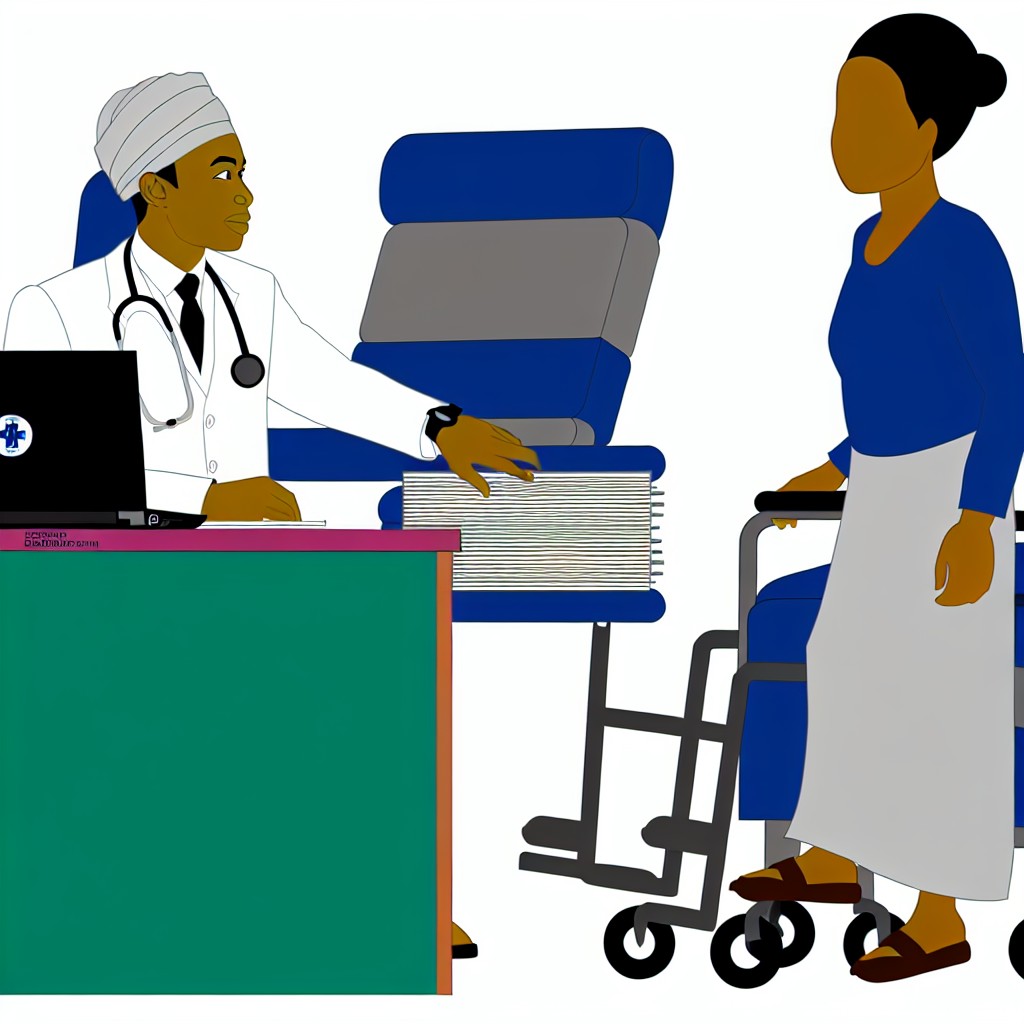
Government and Non-Governmental Efforts
Overview of government initiatives aimed at improving access to rehabilitation services in Nigeria.
Role of non-governmental organizations in providing support and resources for individuals with disabilities.
Importance of collaboration between government and NGOs to expand access to early rehabilitation intervention.
Government Initiatives
The Nigerian government has recognized the importance of early rehabilitation intervention for individuals with disabilities.
Transform Your Career with Expert Guidance
Get personalized mentorship consulting that’s tailored to your unique path. Our expert advice is actionable and exclusive.
Get StartedIn response to this, they have implemented various initiatives aimed at improving access to rehabilitation services across the country.
One of the key government initiatives is the establishment of specialized rehabilitation centers in different regions of Nigeria.
These centers provide comprehensive rehabilitation services to individuals with disabilities.
The services include physical therapy, occupational therapy, and speech therapy.
In addition to setting up rehabilitation centers, the government has also invested in training healthcare professionals in the field of rehabilitation.
By equipping healthcare professionals with the necessary skills and knowledge, the government ensures that individuals with disabilities receive high-quality care and support.
Role of Non-Governmental Organizations
Non-governmental organizations (NGOs) play a crucial role in providing support and resources for individuals with disabilities in Nigeria.
These organizations often fill the gaps left by government initiatives, offering specialized services to those in need.
NGOs working in the field of rehabilitation provide a wide range of services, including counseling, vocational training, and assistive device distribution.
These services help individuals with disabilities lead more independent and fulfilling lives.
Furthermore, NGOs collaborate with local communities to raise awareness about disability issues and promote inclusivity.
By engaging with community members, NGOs help reduce stigma and discrimination against individuals with disabilities.
This effort creates a more inclusive society.
Collaboration to Expand Access to Rehabilitation
Collaboration between the government and NGOs is essential to expand access to early rehabilitation intervention in Nigeria.
By working together, these entities can leverage their respective strengths and resources to reach more individuals in need.
Government initiatives can benefit from the expertise and innovative approaches of NGOs.
Meanwhile, NGOs can access government funding and support to scale their programs.
This collaboration ensures a more holistic and sustainable approach to improving rehabilitation services in the country.
Government initiatives and the efforts of non-governmental organizations are crucial in improving access to early rehabilitation intervention in Nigeria.
By collaborating and working together, these entities can make a significant impact on the lives of individuals with disabilities.
This ensures they receive the support and care they deserve.
See Related Content: History of Medical Microbiology in Nigeria
Importance of Early Rehabilitation Intervention in Nigeria
Early rehabilitation intervention in Nigeria is crucial for individuals with disabilities.
It provides them with the necessary support to improve their quality of life.
As we have discussed, early intervention can help individuals with disabilities to enhance their independence.
It also helps them improve their functional abilities.
It is essential to increase awareness, funding, and support for individuals with disabilities in Nigeria.
This ensures they have access to early rehabilitation services.
By emphasizing the potential benefits of early intervention, we can positively impact their lives.
This approach promotes inclusivity in society.
Let us all work together to advocate for the rights of individuals with disabilities.
We must ensure they receive the care and support needed to thrive.
Additional Resources
Cost and cost-effectiveness analysis of a bundled intervention to …


