




Introduction
Rehabilitation plays a crucial role in healthcare in Nigeria.
It helps individuals recover from various physical and mental health conditions.
The process involves a range of techniques and therapies.
These aim to restore function and improve quality of life.
Physical Therapy
- Physical therapy plays a crucial role in rehabilitation.
- It focuses on restoring movement and function.
- Common physical therapy techniques used in Nigeria include therapeutic exercises.
- These exercises improve strength and flexibility.
- Manual therapy, such as massage and joint mobilization, is also utilized.
- This therapy helps reduce pain and enhance mobility.
- Modalities like heat and ice therapy are commonly employed.
- They help manage pain and inflammation in patients.
- Physical therapy helps patients regain strength, mobility, and function after injury or surgery.
- It also improves overall quality of life by promoting independence.
- Patients have a reduced risk of future injuries due to therapy.
- Personalized treatment plans address specific needs and goals.
- Physical therapists tailor care for each patient.
- Education on proper body mechanics and posture is often provided.
- This education helps prevent re-injury and enhances long-term outcomes.
- Physical therapy sessions may include cardiovascular conditioning.
- This conditioning improves endurance and overall fitness levels.
- Regular monitoring and adjustments ensure optimal progress and recovery.
Occupational Therapy
Occupational therapy focuses on helping individuals regain independence in daily activities.
It plays a crucial role in rehabilitation by addressing physical, cognitive, and emotional challenges.
These challenges may impact a person’s ability to perform daily tasks.
- Activities of Daily Living Training
- Adaptive Equipment
- Ergonomic Assessments
One common technique in occupational therapy is training activities of daily living, also called ADL.
These tasks include dressing, grooming, bathing, and eating.
Occupational therapists help patients improve their ability to perform these tasks independently.
Another important aspect of occupational therapy in Nigeria is the use of adaptive equipment.
This includes devices that assist individuals in performing daily activities.
For example, a person with mobility issues may benefit from a walker or wheelchair.
Occupational therapists also conduct ergonomic assessments to evaluate workplace or home environments.
They identify potential safety hazards or ergonomic risks.
By addressing these issues, therapists create safe and comfortable environments.
This enables patients to engage in daily activities without difficulties.
Occupational therapy significantly helps patients improve independence and quality of life.
It addresses physical and cognitive challenges effectively.
Therapists provide adaptive equipment and conduct ergonomic assessments.
This empowerment allows individuals to participate in daily activities with confidence and ease.
Discover More: Choosing a Pediatric Dentist in Nigeria
Speech Therapy
- Speech therapy is crucial in rehabilitating individuals with speech and language disorders.
- Common speech therapy techniques in Nigeria include articulation exercises.
- Language therapy and voice therapy are also common techniques used.
Speech therapy helps patients improve communication skills.
It enhances overall quality of life for those affected.
Discover More: Challenges in Nigerian Anaesthesiology Practice
Cognitive Rehabilitation and Its Benefits
Cognitive rehabilitation involves restoring cognitive functions lost due to injury or illness.
The process helps individuals with cognitive impairments improve thinking, learning, and memory.
It also enhances problem-solving skills essential for daily living.
Common techniques used in Nigeria include memory exercises, problem-solving tasks, and cognitive behavioral therapy.
- Memory exercises focus on improving short-term memory through activities like remembering sequences of numbers or words.
- Problem-solving tasks challenge individuals to think critically and find solutions to complex scenarios.
- Cognitive behavioral therapy identifies and changes negative thought patterns and behaviors affecting cognitive function.
These techniques stimulate neural pathways, improving focus, attention, and concentration.
Decision-making skills improve as individuals learn to weigh options logically and make informed choices.
Cognitive rehabilitation also restores confidence and independence.
Ultimately, it enhances overall quality of life and mental well-being.
See Related Content: History of Medical Microbiology in Nigeria
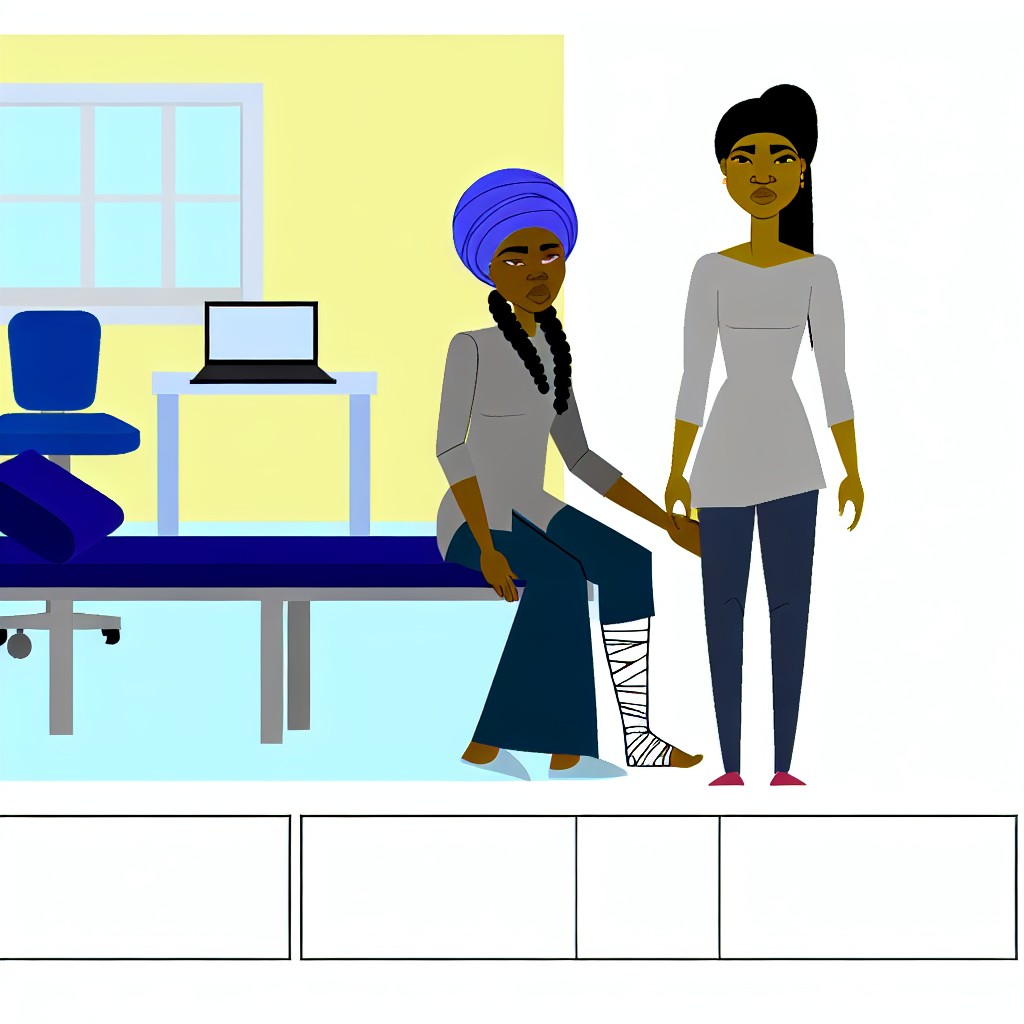
Group Therapy
Group therapy involves multiple individuals undergoing rehabilitation together.
This approach provides social support to participants.
It also enhances communication skills effectively.
Moreover, group therapy promotes peer learning among members.
Common group therapy techniques in Nigeria include the following.
- Support groups: where individuals share experiences and provide emotional support.
- Psychoeducational groups: focus on educating participants about their condition and coping strategies.
- Cognitive-behavioral therapy groups: aim to change negative patterns of thinking and behavior.
Find Out More: The Evolving Medical Disciplines Shaping Nigeria’s Health Sector
Transform Your Career with Expert Guidance
Get personalized mentorship consulting that’s tailored to your unique path. Our expert advice is actionable and exclusive.
Get StartedRole of Rehabilitation Techniques in Improving Quality of Life
Rehabilitation techniques in Nigeria play a crucial role in helping individuals recover.
They improve individuals’ quality of life significantly.
The key rehabilitation methods include physical therapy, occupational therapy, and speech therapy.
These therapies support various health conditions effectively.
Rehabilitation enhances mobility, independence, and overall well-being.
It equips individuals with tools and strategies to regain function.
These enable them to participate in daily activities more effectively.
Exploring different rehabilitation options in Nigeria is important.
This helps find the most suitable approach for individual needs.
Seeking rehabilitation services provides personalized care and ongoing support.
Rehabilitation empowers individuals to overcome physical and cognitive challenges.
It enables them to lead fulfilling and productive lives.
Encouraging loved ones to pursue rehabilitation can make a significant difference.
This positive action improves overall well-being and speeds recovery.
Additional Resources
Application of a Simple, Cost-Effective Surgical Obturator Technique …
Post-operative Management in Uncomplicated Caesarean Delivery …


