



Applied Biology
Applied biology applies biological principles to real-world problems.
It uses biological knowledge to develop solutions across various industries.
Additionally, applied biology addresses practical challenges through biological approaches.
Importance of Applied Biology
Applied biology plays a crucial role in several important sectors.
These sectors include healthcare, agriculture, environmental conservation, and biotechnology.
Moreover, professionals address issues ranging from disease prevention to sustainable agriculture.
Increasing Demand for Professionals
Demand for applied biology graduates continues to grow.
Rapid biotechnology advancements, environmental concerns, and healthcare needs drive this increasing demand.
Consequently, employers seek skilled individuals who apply biological concepts to complex problems.
Career Opportunities for Applied Biology Graduates
Applied biology graduates can choose careers that match their interests, scientific skills, and preferred working environments.
Their opportunities span research, consulting, sales, quality assurance, and biotechnology.
These roles support work in healthcare, environmental management, manufacturing, and related industries.
Diverse Career Paths for Applied Biology Graduates
Graduates can apply their biological knowledge across several professional roles.
Some positions emphasize research, while others focus on products, regulations, or customer relationships.
Career choices often reflect each graduate’s interests, abilities, and professional goals.
- Biomedical researchers conduct studies that support new drugs, treatments, or medical technologies.
- Environmental consultants advise businesses about environmental regulations and responsible practices.
- Pharmaceutical sales representatives promote pharmaceutical products to healthcare providers.
- Quality assurance specialists verify that food and pharmaceutical products meet regulatory standards.
- Biotechnologists use biological systems to create products such as medicines and biofuels.
Industries That Employ Applied Biology Graduates
Many industries depend on biological research, scientific analysis, and regulatory knowledge.
Graduates may find opportunities in private companies, agencies, healthcare organizations, and manufacturing businesses.
Industry needs vary, but employers commonly seek graduates who understand biological processes and quality requirements.
- The pharmaceutical industry offers roles in drug development, clinical trials, and quality control.
- Biotechnology companies support work involving genetic engineering, agriculture, and environmental sustainability.
- Environmental agencies conduct research involving conservation, pollution control, and ecosystem health.
- The healthcare sector includes opportunities in hospitals, clinics, and public health organizations.
- The food and beverage industry needs specialists who support safety, quality, and regulatory compliance.
Growth and Advancement in Applied Biology Careers
Applied biology careers can develop as graduates gain experience and strengthen their professional abilities.
Ongoing learning helps professionals follow advances in biology and related fields.
Specialization, networking, and professional development can support progression into leadership positions.
- Continuous learning helps professionals remain informed about developments in biology and related fields.
- Specialization allows graduates to build expertise in a focused area of biology.
- Workshops, conferences, and training programs can strengthen professional skills and knowledge.
- Networking helps professionals build relationships and explore new career opportunities.
- Experienced professionals may progress into managerial or leadership roles.
Research and Development
Applied biology graduates play a crucial role in research and development within various industries.
They conduct experiments, analyze data, and contribute to innovative solutions.
- Contribution in R&D: Applied biology graduates combine biological knowledge with technical skills during research projects.
- Importance of Innovation: Innovation drives advancements in biotechnology, pharmaceuticals, and environmental conservation.
- Organizations Hiring Graduates: Pfizer, Merck, and DuPont recruit graduates for research positions.
- These positions support drug development, agriculture, and sustainability efforts.
Furthermore, applied biology graduates support the success of research and development departments.
They understand biological principles and apply them to solve real-world problems.
Explore Further: Top Nigerian Universities for Applied Chemistry
Environmental Conservation and Sustainability
Applied biology graduates support environmental conservation and sustainability through biological expertise.
Their work helps protect natural systems for future generations.
They address environmental challenges through research, restoration, and practical solutions.
Contribution to Environmental Conservation
They examine ecosystems to understand biodiversity threats.
This knowledge helps them design conservation strategies and guide restoration projects.
They also evaluate human effects and recommend ways to reduce environmental damage.
- Applied biology graduates can research ecosystems to identify biodiversity threats and develop conservation strategies.
- They can restore degraded wetlands or forests to strengthen biodiversity and ecological resilience.
- By studying human impacts, they can propose solutions that limit environmental degradation.
Opportunities in Government Agencies, Nonprofits, and Corporations
Environmental agencies employ these professionals to create and apply protection policies.
Nonprofits use their expertise for research, advocacy, and environmental campaigns.
Corporations need them to support regulatory compliance and sustainable operations.
- Government agencies hire applied biology professionals to develop and implement environmental protection policies.
- Nonprofit organizations rely on them for research and advocacy campaigns supporting environmental causes.
- Corporations seek their expertise to meet environmental regulations and sustainability requirements.
Impact on Protecting the Environment
Applied biology professionals connect scientific findings with environmental action.
Their research supports informed decisions about ecosystem protection.
They also encourage practices that balance human activities with ecological needs.
- They help preserve endangered species and their habitats through research and conservation.
- They study pollution and climate change effects to inform protection policies.
- They promote practices that reduce environmental impact and support biodiversity.
These varied roles allow applied biology graduates to support conservation across multiple sectors.
Their expertise remains valuable for protecting ecosystems and promoting long term sustainability.
Transform Your Career with Expert Guidance
Get personalized mentorship consulting that’s tailored to your unique path. Our expert advice is actionable and exclusive.
Get StartedSee Related Content: Applied Biology and Biotechnology Innovations in Nigeria
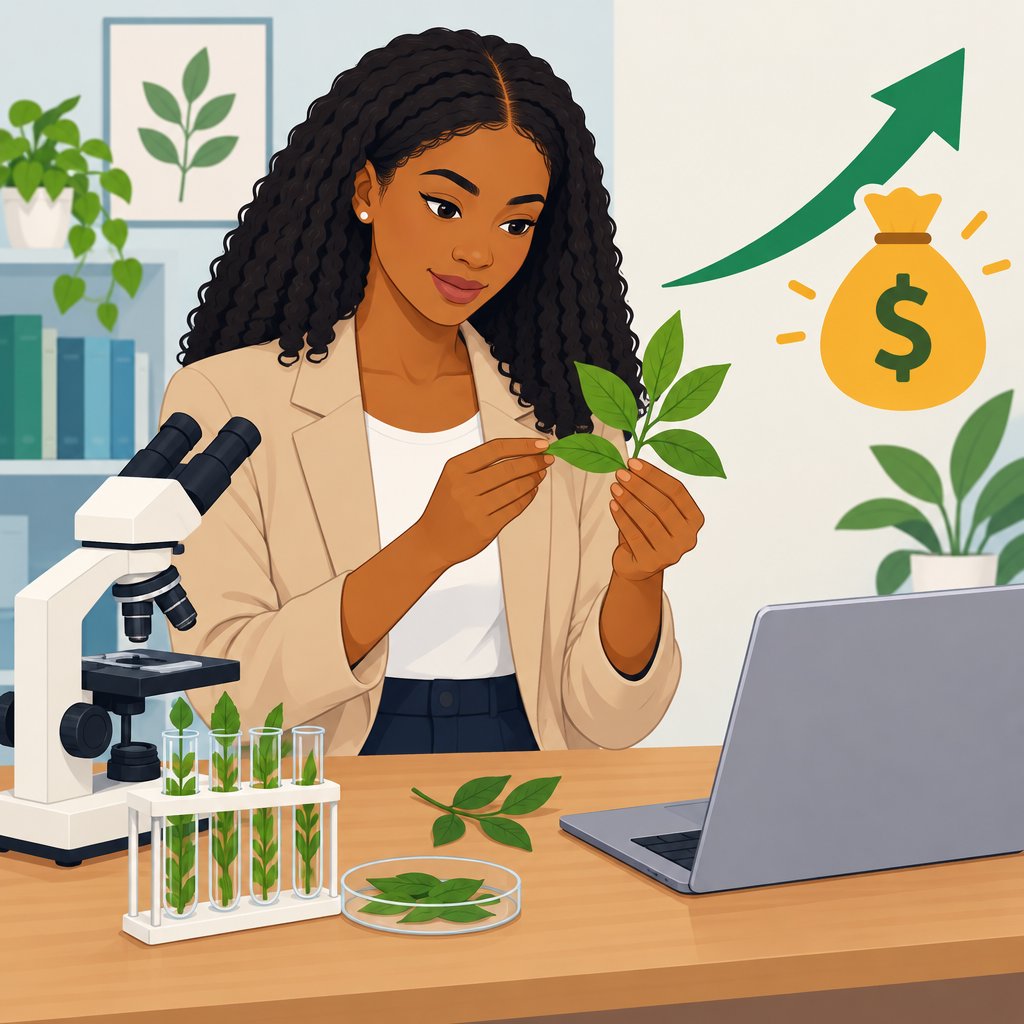
Applied Biology in Healthcare and Pharmaceuticals
Applied biology graduates support innovation, research, and quality assurance across healthcare and pharmaceutical settings.
Their biological knowledge helps teams develop medicines, treatments, diagnostic tools, and other healthcare solutions.
They also apply research methods and analytical skills to understand biological systems and processes.
These contributions can improve healthcare practices and support better patient outcomes.
Biotechnology and Pharmaceutical Pathways
Biotechnology companies employ graduates to develop products and investigate genetic engineering techniques.
These professionals may analyze biological samples and support advances in agricultural biotechnology.
Pharmaceutical teams use their expertise during drug development, clinical trials, quality control, and regulatory activities.
- Biotechnologists study genetic engineering, develop biotechnological products, and analyze biological samples in laboratories.
- Geneticists examine inherited traits, genetic disorders, and DNA variations linked to health and disease.
- Research scientists design experiments, analyze data, and publish findings about biology and healthcare.
- Pharmacologists study drug effects, evaluate safety, and assess medication effectiveness in biological systems.
- Pharmaceutical scientists develop drug formulations, perform quality tests, and follow regulatory standards.
Healthcare Research and Public Health
Healthcare research organizations engage graduates in studies involving diseases, patient outcomes, and public health initiatives.
They investigate health patterns, evaluate treatments, and contribute evidence for improved healthcare practices.
Public health work also involves community education, health surveys, and policies that promote well-being.
- Clinical research associates coordinate trials, monitor activities, and collect patient outcome data.
- Epidemiologists investigate disease patterns, analyze risk factors, and develop prevention strategies.
- Medical researchers study diseases, test treatments, and advance medical knowledge.
- Public health specialists design education programs, survey community needs, and support health policies.
Professional Responsibilities Across Life Sciences
Each role combines biological understanding with specialized responsibilities in research, development, testing, or public health.
Laboratory positions emphasize experimentation, sample analysis, product development, and scientific reporting.
Healthcare-focused positions emphasize ethical research, patient outcomes, disease prevention, and community well-being.
These responsibilities allow graduates to contribute across biotechnology, pharmaceuticals, and healthcare research.
Gain More Insights: Success Stories in Nigerian Applied Microbiology
Agricultural and Food Industry
Applied biology graduates find many career opportunities in the agricultural and food industry.
They use biology and related sciences to support food security and sustainability.
Moreover, their work connects scientific knowledge with practical needs across food and farming systems.
- Food Production: Graduates can support food production through quality control, research, and new food product development.
- Agriculture Research: They can conduct agricultural research to improve crop yields, disease resistance, and sustainability.
- Crop Management: Additionally, graduates can manage crops while promoting sustainable farming practices and efficient resource use.
These professionals can contribute significantly to global food security.
By applying their skills, they can address food shortages, climate change, and environmental degradation.
Uncover the Details: Sustainable Practices in Nigerian Boat Building
Career Direction and Social Contribution
Applied biology graduates can pursue diverse careers, including research science and environmental consulting.
These options offer varied paths within the field.
Graduates should choose careers that reflect their passions and interests.
This alignment can help them find fulfillment and make meaningful contributions.
Furthermore, readers can compare growth opportunities and potential social impact across applied biology careers.
That process can reveal roles matching their skills and supporting positive contributions to society.
Additional Resources
Google search results for Career Opportunities for Applied Biology Graduates Sciences
Bing search results for Career Opportunities for Applied Biology Graduates Sciences


