




Cancer Diagnosis Challenges in Nigeria
Cancer diagnosis presents a significant challenge in Nigeria.
Limited resources and infrastructure make accurate diagnosis more difficult.
Therefore, accurate diagnosis helps determine the best treatment plan for cancer patients.
Anatomical Pathology provides essential information for cancer diagnosis and treatment decisions.
Anatomical Pathology and Disease Study
Anatomical Pathology studies tissues and organs to identify diseases, including cancer.
This field examines physical changes within tissues and organs.
Its findings support accurate identification of disease processes.
- Anatomical Pathology involves studying tissues and organs to diagnose diseases, including cancer.
Role of Anatomical Pathologists in Cancer Diagnosis
Anatomical Pathologists identify cancer types and stages through microscopic tissue analysis.
They examine tissue samples obtained from biopsies to identify cancer cells and their characteristics.
Additionally, pathologists collaborate with oncologists and surgeons to support personalized treatment planning.
- Anatomical Pathologists identify cancer types and stages through microscopic analysis.
- They interpret biopsy samples to determine cancer cell presence and characteristics.
- Pathologists work with oncologists and surgeons to develop personalized treatment plans.
Importance of Tissue Biopsies in Cancer Diagnosis
Tissue biopsies confirm cancer and help determine its type and aggressiveness.
They also reveal molecular markers that can guide targeted therapies.
Moreover, advanced analysis can identify molecular alterations driving cancer growth.
- Tissue biopsies confirm cancer and help determine its type and aggressiveness.
- Biopsies provide molecular information that guides targeted therapies.
- Pathologists use advanced techniques to identify alterations driving cancer growth.
Together, these findings support accurate and personalized cancer treatment strategies in Nigeria.
Challenges in Cancer Diagnosis in Nigeria
Anatomical pathology supports cancer diagnosis in Nigeria.
However, several challenges affect timely and accurate diagnostic services.
These challenges can influence cancer detection and treatment outcomes.
Limited Access to Quality Healthcare Facilities
Limited resources hinder access to quality healthcare facilities.
Inadequate infrastructure can also delay cancer diagnosis.
Consequently, healthcare providers may struggle to deliver timely diagnostic services.
Shortage of Specialized Pathologists
Nigeria has a limited number of pathologists specializing in cancer diagnosis.
This shortage can delay the identification of cancer types.
Patients may therefore wait longer for accurate diagnostic information.
Delayed Diagnosis and Advanced Cancer Stages
Diagnostic delays can lead to cancer detection at advanced stages.
Advanced cancer stages can affect treatment outcomes.
Healthcare challenges therefore make timely diagnosis especially important.
Strengthening Anatomical Pathology Services
Strengthening anatomical pathology can support timely and accurate cancer diagnoses.
Greater support can help address diagnostic delays and specialist shortages.
Improved services can contribute to better cancer treatment outcomes in Nigeria.
Find Out More: Costs of ENT Surgeries in Nigeria: A Detailed Guide
Importance of Anatomical Pathology in Cancer Diagnosis
In Nigeria, anatomical pathology supports accurate cancer diagnosis and informed treatment decisions.
Anatomical pathologists examine tissue samples under microscopes to identify the cancer type.
This classification gives oncologists information for developing personalized treatment plans.
Additionally, tissue examination helps pathologists determine how far the cancer has spread.
That staging information helps predict prognosis and guide treatment decisions.
Consequently, oncologists can recommend surgery, chemotherapy, radiation therapy, or combined treatment.
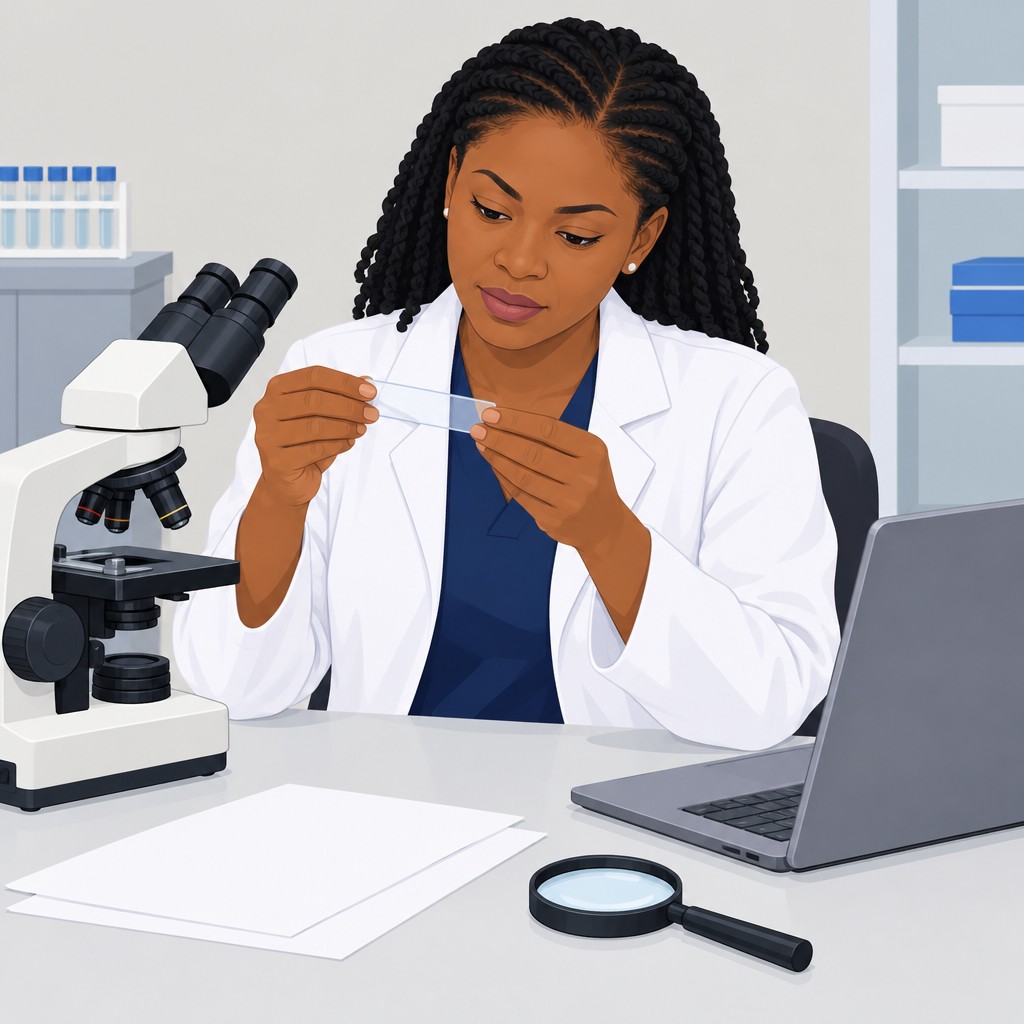
Treatment Monitoring and Recurrence Detection
Anatomical pathology also supports treatment monitoring.
Pathologists help assess treatment response during follow-up care.
Furthermore, follow-up examinations can identify signs of cancer recurrence.
Healthcare teams can then adapt treatment plans when necessary.
Transform Your Career with Expert Guidance
Get personalized mentorship consulting that’s tailored to your unique path. Our expert advice is actionable and exclusive.
Get StartedPatients should work closely with their healthcare teams throughout their cancer journey.
Uncover the Details: Role of Fluoride in Preventive Dentistry
Role of Anatomical Pathology in Treatment Planning
Anatomical Pathology provides essential information for cancer treatment planning.
Healthcare professionals use these findings to make informed treatment decisions.
Moreover, pathology findings help professionals tailor treatment to each patient’s needs.
-
Anatomical Pathology provides information about tumor aggressiveness.
Pathologists examine cellular characteristics, growth patterns, and metastatic potential.
-
Anatomical Pathology helps predict patient outcomes.
Pathologists analyze tumor characteristics to estimate likely patient outcomes.
-
Anatomical Pathology monitors treatment effectiveness through follow-up biopsies.
These biopsies assess tumor responses and support treatment adjustments when necessary.
Delve into the Subject: Impact of Microbiology on Nigeria's Healthcare
Collaboration with Oncologists and Surgeons
Collaboration supports coordinated cancer diagnosis and treatment.
Anatomical Pathologists work closely with oncologists and surgeons throughout patient care.
Their findings help healthcare professionals make informed decisions for each patient.
- Multidisciplinary approach in cancer care.
- Communication among pathologists, oncologists, and surgeons.
- Role of Anatomical Pathologists in tumor boards.
Importance of Multidisciplinary Cancer Care
Multidisciplinary teams bring together pathologists, oncologists, surgeons, and other specialists.
Each professional contributes expertise that supports comprehensive cancer care.
Therefore, the team can develop care plans suited to each patient’s needs.
Communication Among Cancer Specialists
Clear communication helps specialists coordinate cancer diagnosis and treatment.
Pathologists provide detailed reports about examined tissue samples.
Consequently, oncologists and surgeons can select appropriate treatment approaches.
Role of Anatomical Pathologists in Tumor Boards
Anatomical Pathologists contribute essential expertise during tumor board discussions.
These multidisciplinary meetings address complex cancer cases and treatment planning.
Pathologists explain disease characteristics and support decisions about suitable treatment options.
Through teamwork, these specialists coordinate diagnosis, treatment, and patient support.
This collaboration helps cancer patients receive coordinated care throughout their treatment journey.
Delve into the Subject: Medical Rehabilitation Associations in Nigeria
Strengthening Cancer Diagnosis in Nigeria
Anatomical Pathology plays a crucial role in Nigerian cancer diagnosis by providing accurate results.
Training more pathologists is essential to meet the growing demand for cancer diagnosis.
Nigeria also needs better access to cancer diagnosis and treatment to address the rising cancer burden effectively.
Additional Resources
Google search results for Role of Anatomical Pathology in Nigerian Cancer Diagnosis Medical
Bing search results for Role of Anatomical Pathology in Nigerian Cancer Diagnosis Medical


