




Introduction to Geological Field Trips
Field trips help geology students apply theoretical knowledge in practical settings.
Nigeria offers diverse geological features for students to examine directly.
These experiences connect classroom learning with observations of rocks, minerals, and landforms.
Practical Value of Field Experiences
Field trips provide hands-on experience with rocks, minerals, and landforms in natural environments.
Students observe geological materials where they occur.
Consequently, direct observation strengthens their understanding of geological concepts.
Nigeria’s Geological Diversity
Nigeria includes varied geological formations and environments.
These include the Jos Plateau, the Rift Valley, and Niger Delta mangrove swamps.
Each setting presents different geological features for students to study.
Mineral Deposits of the Jos Plateau
The Jos Plateau is known for its rich mineral deposits.
These deposits include tin, columbite, and tantalite.
Students can examine how mineral resources characterize this geological region.
Tectonic Features of the Rift Valley
The Rift Valley showcases fault lines, volcanic activity, and other tectonic processes.
Students can observe features created by these geological processes.
These features demonstrate how tectonic activity shapes the landscape.
Mangrove Swamps of the Niger Delta
The Niger Delta contains extensive mangrove swamps and a unique ecosystem.
Students can study sedimentology within this coastal environment.
They can also examine coastal processes affecting the mangrove swamps.
Locations for Geological Field Learning
Geology students can visit the Jos Plateau for practical geological observations.
They can also explore Aso Rock in Abuja and Ibeno Beach in Akwa Ibom State.
These locations provide practical learning experiences across diverse geological settings.
Geological Features at Obudu Mountain Resort
Obudu Mountain Resort in Cross River State, Nigeria, contains varied geological features for direct observation.
Its caves, waterfalls, and rock formations reveal different effects of geological processes.
These features connect surface landscapes with underground formations and mineral deposits.
- Students can explore caves to examine underground rock formations and mineral deposits.
- Waterfalls descending the slopes demonstrate erosion and its effects on the landscape.
- Distinct rock formations reflect geological processes that shaped the mountain over time.
Sedimentary Rocks and Soil Profiles
The resort also supports study of sedimentary rocks and soil profiles in a natural setting.
Examining sedimentary layers helps students interpret regional geological history and past environmental conditions.
Soil profiles show how formation and composition relate to geology and surrounding ecosystems.
This setting lets students apply classroom knowledge through direct geological observation.
Aso Rock as a Geological Study Site
Aso Rock in Abuja offers geology students a significant site for observing Nigerian geological features.
Located in Nigeria’s capital, the landmark also holds important political and cultural significance.
The monolith rises above Abuja and represents strength and resilience for the Nigerian people.
- Aso Rock rises approximately 400 meters above the surrounding city and landscape.
- Students can examine its igneous rocks, including granites, porphyries, and gabbros.
- These rocks reveal geological information and help students identify different rock types and formations.
By studying Aso Rock, students can explore processes that shaped the Nigerian landscape over millions of years.
Furthermore, careful observation helps students examine tectonic forces and volcanic activity associated with its formation.
Students can also observe how weathering and erosion gradually affect exposed rock formations.
These observations demonstrate how geological processes continually transform natural landscapes.
Consequently, Aso Rock combines geological value with cultural importance for students conducting field investigations.
Gain More Insights: Impact of Bioinformatics on Healthcare in Nigeria
Tin Mining Sites in Jos, Plateau State
Tin mining in Jos, Plateau State, offers geology students historical and geological learning opportunities.
Students can examine remnants of Nigeria’s once-thriving tin industry.
They can also connect mineral resources with regional economic development and environmental change.
Transform Your Career with Expert Guidance
Get personalized mentorship consulting that’s tailored to your unique path. Our expert advice is actionable and exclusive.
Get Started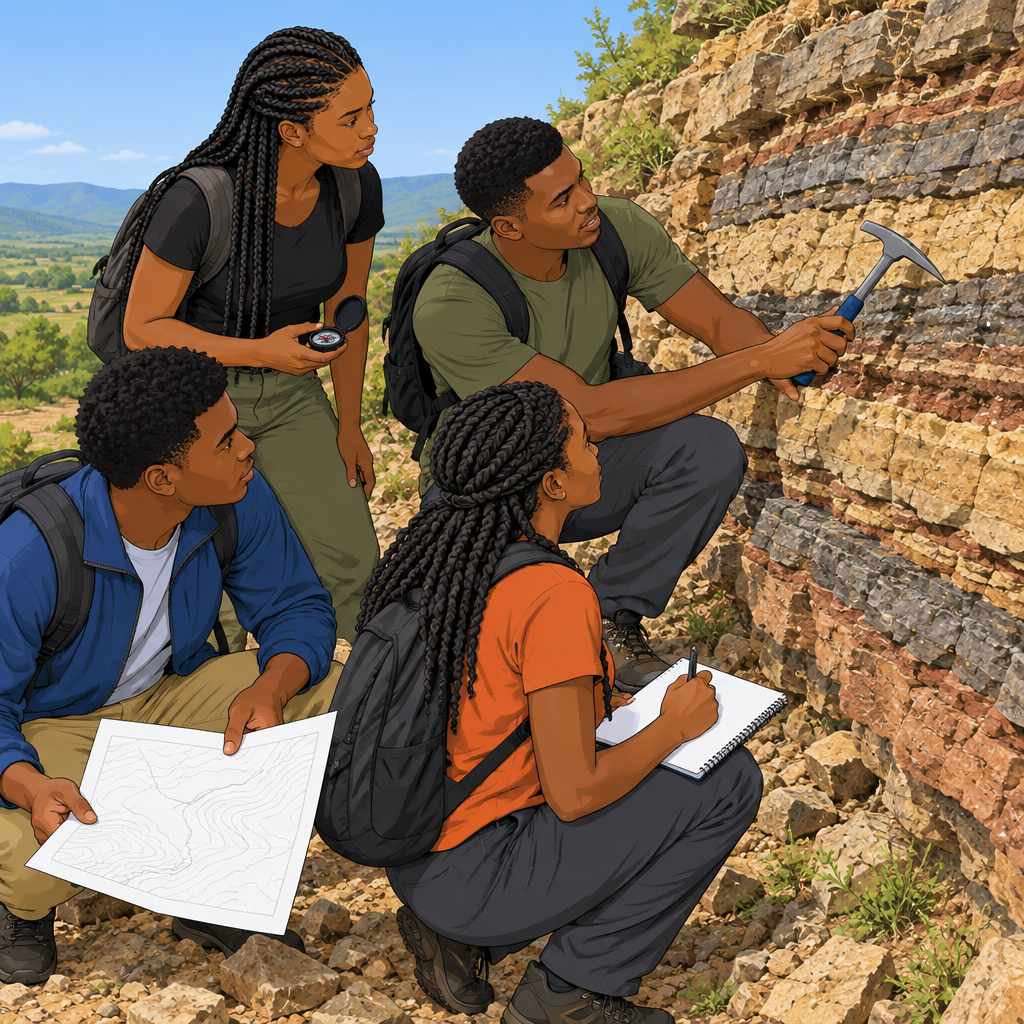
Historical Importance of Tin Mining
Students can visit tin mining sites in Jos to examine remnants of Nigeria’s tin industry.
Furthermore, they can learn how tin mining supported the region’s economic development.
They can also study how mining affected local communities and the environment.
- Students can visit the tin mining sites in Jos to see the remnants of Nigeria’s once-thriving tin industry.
- They can learn about how tin mining played a crucial role in the economic development of the region.
- Understanding the impact of tin mining on local communities and the environment provides a valuable lesson.
Geological Formation of Tin Ores
Geology students can study tin ore formation in Jos to deepen their knowledge of mineral deposits.
Moreover, exploring the region’s geological features can help students identify different types of tin ores.
Hands-on identification and analysis can strengthen practical skills in mineral exploration.
- Geology students can study the geological formation of tin ores in Jos to deepen their knowledge of mineral deposits.
- Exploring the unique geological features of the region can help students identify different types of tin ores.
- Hands-on experience in identifying and analyzing tin ores can enhance students’ practical skills in mineral exploration.
Visiting tin mining sites in Jos offers geology students valuable historical and geological learning experiences.
Explore Further: How to Balance Applied Botany Studies and Life
Ososo Hills in Edo State
Ososo Hills in Edo State feature hilly terrain and exposed rocky outcrops.
These hills hold geological significance because they display varied rock types and formations.
Students can observe and analyze the area’s different rocks directly.
Moreover, the hills let students examine geological processes that shaped the landscape.
Igneous, sedimentary, and metamorphic rocks create a diverse learning experience for geology students.
Students can investigate rock layers to understand the region’s geological history.
Additionally, the rugged terrain reveals erosion and weathering processes.
By studying landforms and structures, students can interpret tectonic forces that influenced the area.
Therefore, Ososo Hills function as a natural laboratory for applying geology knowledge.
The site offers geology students abundant opportunities for hands-on exploration.
Discover More: Major Ecological Challenges Facing Nigeria Today
Erin Ijesha Waterfalls, Osun State
Located in Osun State, Erin Ijesha Waterfalls offers geology students a valuable field trip location.
The site lets students connect geological concepts with direct landscape observations.
Moreover, its waterfalls and surrounding rocks illustrate geological change over time.
Formation of the Waterfalls
The waterfalls formed through erosion and weathering over millions of years.
Consequently, cascading water demonstrates how erosion shapes the surrounding landscape.
- Geological processes such as erosion and weathering created the waterfalls over millions of years.
- Students can observe cascading water and examine erosion’s effects on the landscape.
Rock Formations Surrounding the Waterfalls
The surrounding rock formations provide hands-on opportunities for studying different rock types.
Additionally, students can observe layers of sedimentary rocks in the area.
These observations help students understand how rocks formed and transformed over time.
- Students can explore surrounding rock formations while studying different rock types.
- They can observe sedimentary rock layers and examine their formation over time.
See Related Content: Understanding Ecology: Basics and Importance in Nigeria
Ikogosi Warm Spring, Ekiti State
Ikogosi Warm Spring lies in Ekiti State and attracts geology students from across Nigeria.
The spring sits within a serene environment that supports educational field trips.
Its warm water creates a distinctive natural feature for visitors and students.
Geothermal Activity at the Spring
Geothermal activity beneath the Earth’s surface produces the warm spring.
Warm water emerges naturally from the ground and forms an inviting pool.
The water remains noticeably warmer than the surrounding environment.
Geology Student Learning Opportunities
The site allows geology students to examine thermal features directly.
Students can also study nearby rock formations and their relationship with geothermal activity.
These observations help students understand geological processes that shaped the surrounding landscape.
- Students can observe warm water bubbling from the ground and record the spring’s characteristics.
- They can examine nearby rocks to identify different rock types and geothermal influences.
- They can conduct water quality tests to study the spring’s chemical composition.
- They can assess how the spring affects the surrounding environment.
- The site demonstrates geothermal energy and introduces students to this renewable energy source.
A visit to Ikogosi Warm Spring gives geology students practical exposure to geothermal activity in Nigeria.
Ngwo Pine Forest, Enugu State
- The forest contains distinctive geological formations.
- Its geological history supports the study of varied rock types.
Ngwo Pine Forest in Enugu State offers geology students a distinctive setting for field study.
Towering pine trees create a scenic environment for exploring exposed geological features.
The site combines rock observations with opportunities to examine soils and erosion patterns.
Unique Geological Formations
Large rock outcrops rise through the forest vegetation.
These exposures reveal rock types and structures shaped by natural processes over long periods.
Students can examine how the formations contrast with the surrounding greenery.
The outcrops provide direct observations for field-based geological learning.
Geological History and Study Opportunities
Ancient geological processes shaped the landscape around Ngwo Pine Forest.
Volcanic activity and tectonic movements influenced the area’s geological development.
Consequently, students can observe igneous, sedimentary, and metamorphic rocks.
Fieldwork also supports analysis of soil composition and erosion patterns.
These observations help students relate geological processes to environmental factors.
The experience can deepen students’ understanding of Earth’s processes and landscape formation.
Expanding Geological Learning Through Field Experiences
Nigeria offers geology students many field trip locations, including Zuma Rock in Abuja and Osun-Osogbo Sacred Grove.
These destinations provide opportunities to explore the country’s geological wonders.
Therefore, schools and institutions should organize educational field trips to these locations.
Such visits can strengthen students’ learning and appreciation of Nigeria’s geological diversity.
Moreover, field experiences extend learning beyond textbooks and classroom lectures.
Students can observe the intricate beauty of Nigerian geology directly.
Field trips also spark curiosity and strengthen students’ environmental awareness.
Consequently, hands-on learning can inspire future geologists and conservationists.
These professionals may help protect and preserve Nigeria’s natural heritage.
By embracing these opportunities, schools can enrich educational journeys and deepen geological understanding.
These experiences reveal a national geological heritage that deserves careful study and responsible conservation.
Additional Resources
Google search results for Field Trip Locations for Geology Students in Nigeria Sciences
Bing search results for Field Trip Locations for Geology Students in Nigeria Sciences


