




Balancing applied botany studies with personal life supports overall well-being.
Therefore, students should balance academic pursuits with personal responsibilities and relaxation.
Tips for Balancing Applied Botany Studies and Life
-
Prioritize Your Tasks: Create a schedule and prioritize tasks for effective time management.
Identify tasks that need immediate attention and postpone less urgent responsibilities.
-
Create a Study Routine: Establish a study routine that includes time for personal activities.
Then, follow the routine to support studying, relaxation, and personal responsibilities.
-
Take Breaks: Take regular breaks during study sessions to help prevent burnout.
Use those breaks for activities that help you relax and recharge.
-
Stay Organized: Keep study materials organized to reduce wasted time.
Additionally, maintain a clutter-free study space to improve focus and productivity.
-
Communicate Your Needs: Tell friends, family, and professors about your schedule and boundaries.
Clear communication helps manage expectations and prevent conflicts.
-
Maintain a Healthy Lifestyle: Support your health through nutritious meals, exercise, and sufficient sleep.
Consequently, a healthy body and mind can support academic performance and well-being.
-
Seek Support When Needed: Speak with a counselor or mentor when responsibilities feel overwhelming.
Moreover, conversations with others can provide guidance and support during difficult times.
With suitable strategies, students can balance applied botany studies with personal life.
These practices help manage academic responsibilities while supporting personal well-being.
Finally, caring for yourself remains essential for success in studies and life.
Understanding Priorities
Identifying priorities in your studies and personal life helps you manage responsibilities.
It also helps you allocate time efficiently and focus on what truly matters.
Clear priorities help you make thoughtful choices about your available time.
- Identifying priorities in studies and personal life supports better time allocation.
- Priorities help you focus your attention on the responsibilities that matter most.
The Importance of Identifying Priorities
Prioritizing tasks directs your effort toward meaningful goals.
Breaking larger responsibilities into manageable chunks can make your workload clearer.
This approach can reduce feelings of being overwhelmed while you complete important work.
- Prioritizing tasks helps you work toward your goals effectively.
- Breaking tasks into manageable chunks can help you avoid feeling overwhelmed.
Effective Methods for Prioritizing Tasks
A clear task list gives you a practical starting point for organizing responsibilities.
Time slots then connect each responsibility with its priority level.
Regular reviews help you respond when circumstances change.
- Make a to-do list and categorize tasks by urgency and importance.
- Allocate time slots according to each task’s priority level.
- Complete high-priority tasks before addressing less urgent responsibilities.
- Adjust your priorities when changing circumstances require flexibility.
- Review and update your priorities regularly to stay aligned with your goals.
Time Management
- Utilize a planner or digital calendar to organize tasks.
- Set priorities and allocate specific time slots for studying and personal activities.
- Avoid procrastination by breaking down tasks into smaller, manageable chunks.
Efficient Strategies for Managing Time
- Identify peak productivity hours and schedule challenging tasks during that time.
- Delegate responsibilities whenever possible to lighten the workload.
- Use time-blocking techniques to focus on one task at a time.
- Take breaks to avoid burnout and maintain focus throughout the day.
Consistent Scheduling for Academic and Personal Commitments
- Establish a routine that includes study time, recreation, and self-care.
- Include buffer time in your schedule to account for unexpected events or delays.
- Review and adjust your schedule regularly to ensure it remains realistic and achievable.
- Communicate your schedule to friends and family to enlist their support and respect for your time commitments.
Delve into the Subject: Major Ecological Challenges Facing Nigeria Today
Self-Care and Wellness for Applied Botany Students
As an applied botany student, prioritize self-care to maintain well-being while managing academic studies and personal life.
Self-care supports academic success and contributes to lasting happiness.
Therefore, recognize your physical and emotional needs before stress develops into burnout.
Why Self-Care Matters
Taking care of yourself helps you sustain energy and attention during demanding academic periods.
Also, listening to your body and mind can help you address needs before burnout occurs.
Although responsibilities require attention, self-care remains a necessary investment in your future well-being.
- Recognize self-care as an essential part of academic success and personal happiness.
- Listen to your body and mind, then address physical and emotional needs promptly.
- Remember that self-care supports your future well-being rather than reflecting selfishness.
Relaxation Techniques for Stress Management
Relaxation techniques can reduce stress and help you maintain focus during your studies.
For example, mindfulness and meditation create opportunities to calm your thoughts.
Meanwhile, movement and enjoyable interests can release tension and refresh your attention.
- Practice mindfulness and meditation to reduce stress and improve focus.
- Use yoga or nature walks to stay active and relieve tension.
- Reserve time for hobbies that bring you joy and relaxation outside your studies.
Healthy Habits for Busy Schedules
Healthy habits help your body and brain meet the demands of academic work.
In addition, consistent routines make rest, nourishment, and hydration easier to maintain.
Consequently, small daily choices can support your energy and overall well-being.
- Follow a consistent sleep schedule to rest and restore your energy.
- Choose nutritious meals and snacks to fuel your body and brain.
- Drink water throughout the day to support cognitive function and well-being.
By practicing self-care, you can strengthen your study routine and reduce stress.
These habits can also help you cultivate greater balance and fulfillment as an applied botany student.
Gain More Insights: Understanding Ecology: Basics and Importance in Nigeria
Seeking Support
Applied botany students may face demanding coursework, research projects, and extracurricular activities.
These responsibilities can make personal balance difficult.
Therefore, seeking support can help students manage emotional and academic challenges.
- Students should reach out to family, friends, or mentors when they feel overwhelmed.
- Professional help can provide valuable support when students face serious difficulties.
Family and Friends
Family and friends can provide emotional support during demanding academic periods.
They may offer a listening ear, encouragement, and a sense of normalcy.
Sharing struggles with loved ones can lighten burdens and provide useful perspective.
Mentors
Mentors within the botany department or institution can offer valuable guidance.
They can discuss academic concerns and career questions based on their experiences.
Additionally, their advice can help students navigate challenges with greater clarity.
Professional Help
If stress, anxiety, or mental health concerns feel overwhelming, consider professional help.
Transform Your Career with Expert Guidance
Get personalized mentorship consulting that’s tailored to your unique path. Our expert advice is actionable and exclusive.
Get StartedCounselors, mental health professionals, and therapists can provide support and coping resources.
Seeking help when needed supports well-being during applied botany studies.
A strong support system can help students manage challenges throughout their studies.
Students should prioritize their well-being while pursuing academic and personal goals.
Explore Further: Prominent Nigerian Ecology Conferences and Events
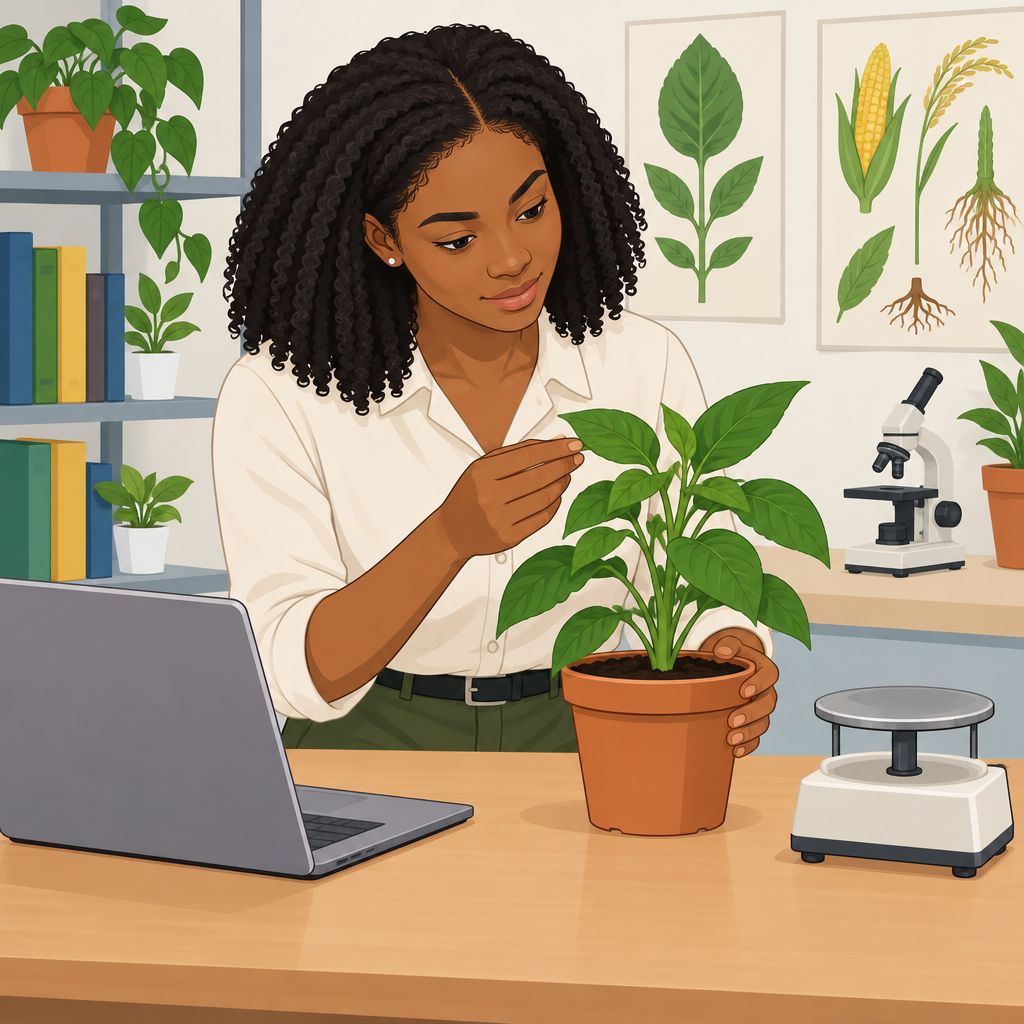
Setting Boundaries for a Healthier Balance
Setting boundaries supports a healthy balance between work and personal life.
Without clear limits, you may feel overwhelmed by competing responsibilities.
Strong boundaries reduce the pressure to manage everything at once.
Benefits of Clear Boundaries
Boundaries prevent burnout by limiting how much you take on at one time.
They also improve productivity because clear limits reduce distractions during focused work.
Additionally, boundaries support mental health by creating space for rest and personal care.
Practical Ways to Establish Boundaries
Begin by explaining your limits and communicating the priorities that require your attention.
Next, organize your commitments so academic, social, and personal activities receive dedicated time.
Finally, protect your limits consistently when additional responsibilities or invitations arise.
- Tell others what you can manage and which priorities need your attention.
- Set dedicated periods for academic work, social activities, and personal time.
- Decline tasks or invitations when they conflict with your existing priorities.
- Choose specific times to avoid emails and work-related technology.
- Use exercise or hobbies to restore your physical and mental energy.
Find Out More: Innovative Research in Nigeria's Environmental Biology
Flexibility and Adaptability in Applied Botany Studies
Applied botany students often balance demanding academic responsibilities with personal commitments.
Unexpected changes can disrupt carefully arranged plans and create additional pressure.
Flexibility and adaptability help students respond constructively while maintaining progress toward meaningful goals.
Benefits of Flexible Planning
Flexibility allows students to modify routines when circumstances change.
Adaptability helps them respond to new challenges without abandoning important responsibilities.
Together, these skills support thoughtful decisions, steady progress, and resilience during demanding periods.
- Maintain an organized schedule that includes academic tasks and personal commitments.
- Communicate openly with professors, peers, and family members when circumstances affect your plans.
- Build reasonable study routines that leave room for relaxation and social activities.
- Take regular breaks during study sessions to protect your focus and energy.
- Ask academic advisors, counselors, or tutors for assistance when challenges become difficult to manage.
- Recognize small achievements and maintain a constructive attitude during setbacks.
Adjusting Plans During Unexpected Circumstances
Unexpected circumstances require students to reassess their academic and personal responsibilities.
A revised plan can protect essential commitments while reducing unnecessary pressure.
Students should adjust expectations when completing every planned task becomes unrealistic.
Remain Calm and Evaluate the Situation
First, remain calm and examine how the unexpected event affects your responsibilities.
Then, identify which tasks require immediate attention and which tasks can wait.
This assessment creates a clearer basis for practical adjustments.
Use Support and Creative Solutions
Trusted friends, family members, and mentors can offer useful perspective during difficult situations.
Alternative approaches may help you address responsibilities when your original plan no longer works.
Creative thinking can reveal manageable options without sacrificing essential academic or personal needs.
Learn from Changed Circumstances
Each unexpected situation can reveal which planning habits need improvement.
Reflect on your response and identify adjustments that may help you later.
Remain open to changing your plans as new information becomes available.
By practicing flexibility, applied botany students can manage change with greater confidence and determination.
Maintaining Long-Term Balance in Applied Botany Studies
Applied botany students can sustain academic progress while enjoying a fulfilling personal life.
Therefore, students should protect their well-being by responding thoughtfully to competing demands.
Moreover, regular breaks, organization, and clear communication can support a healthier daily experience.
Students can also contact professors and peers when responsibilities become difficult to manage.
With consistent effort, students can pursue academic excellence without sacrificing personal fulfillment.
Applying these practices can help students create a sustainable balance between study and personal life.
Additional Resources
Google search results for How to Balance Applied Botany Studies and Life Sciences
Bing search results for How to Balance Applied Botany Studies and Life Sciences


