




Introduction
Ecology studies how organisms interact with one another and their environment.
Understanding ecology in Nigeria supports biodiversity and natural resource conservation.
It also helps assess human impacts on ecosystems and promote sustainable development.
Ecology and Its Main Branches
Ecology examines relationships among organisms and their surroundings.
It also explains how species interactions shape ecosystems.
Researchers organize this field into population, community, and ecosystem ecology.
- Ecology is the scientific study of interactions between organisms and their environment.
- Its major branches include population ecology, community ecology, and ecosystem ecology.
Population Ecology
Population ecology examines groups belonging to one species.
It considers birth rates, death rates, and migration patterns.
These measures reveal whether populations grow, decline, and remain viable.
Community Ecology
Community ecology studies interactions among different species within a habitat.
Species compete for resources, form symbiotic relationships, and influence one another’s survival.
These interactions help ecologists understand how communities function.
Ecosystem Ecology
Ecosystem ecology studies living organisms and their physical environment together.
It follows energy and nutrient movement across different trophic levels.
It also examines material cycles and feedback loops that regulate ecosystem processes.
Ecological Research in Nigeria
Nigeria contains diverse ecosystems, including tropical rainforests and arid savannahs.
Ecologists study these environments to support conservation and land management decisions.
Their findings can guide policies that protect natural resources while supporting sustainable development.
Ecology and Environmental Management
Ecological research shows how human activities affect natural systems.
It helps policymakers and conservationists evaluate environmental pressures and possible responses.
This approach supports decisions that balance economic development with environmental protection.
Basic Concepts in Ecology
These concepts help ecologists describe how organisms use resources and occupy environments.
They also clarify how species diversity and interactions influence ecosystem stability.
Furthermore, they support careful assessment of conservation needs in Nigeria.
Key Terms in Ecology
Habitat, niche, and biodiversity describe important aspects of ecological organization.
Each term helps researchers examine relationships between organisms and their surroundings.
Together, these concepts reveal how ecosystems support different forms of life.
- A habitat provides the specific environment where an organism lives and obtains resources.
- A niche describes an organism’s role and position within its environment.
- Biodiversity measures the variety and abundance of species within an area.
Ecological Relationships
Species interactions shape the structure and dynamics of ecological communities.
Some interactions limit access to resources, while others improve survival or reproduction.
Consequently, these relationships influence how organisms persist within changing environments.
- Competition occurs when species seek the same limited resources, such as food or territory.
- Symbiosis describes a close, long-term interaction between different species.
- Mutualistic, parasitic, and commensal interactions represent forms of symbiosis.
Ecological Conservation in Nigeria
These concepts guide conservation efforts and sustainable development in Nigeria.
Protecting habitats helps preserve the resources that organisms need to survive.
Managing biodiversity and ecological relationships can protect Nigeria’s natural heritage for future generations.
Therefore, ecological knowledge encourages more harmonious coexistence between humans and nature.
Explore Further: Prominent Nigerian Ecology Conferences and Events
Importance of Ecology in Nigeria
Ecology guides environmental decisions in Nigeria.
It connects conservation efforts with sustainable development and responsible resource use.
These principles help communities protect ecosystems while addressing environmental pressures.
Impact of Human Activities on the Environment
Human activities such as deforestation, urbanization, and industrialization cause environmental degradation.
These activities contribute to soil erosion, air pollution, and water contamination.
Transform Your Career with Expert Guidance
Get personalized mentorship consulting that’s tailored to your unique path. Our expert advice is actionable and exclusive.
Get StartedConsequently, they harm ecosystems and threaten environmental quality.
Ecological knowledge helps communities reduce these effects and promote sustainable practices.
Conservation of Natural Resources
Ecology supports the conservation of forests, water bodies, and wildlife.
In Nigeria, resource exploitation for economic gain has caused depletion and biodiversity loss.
Ecological studies guide efforts to manage natural resources responsibly.
Therefore, conservation can preserve resources for future generations.
Biodiversity Conservation and Sustainable Development
Nigeria contains diverse plant and animal species, including many endemic species.
Ecology explains how species depend on their habitats and interact with one another.
This understanding supports biodiversity conservation and protects important ecological relationships.
Furthermore, biodiversity protection can support sustainable development for people and the environment.
Ecology strengthens Nigeria’s environmental conservation efforts and sustainable development goals.
It helps decision-makers address human impacts, conserve resources, and protect biodiversity.
Applying ecological principles can create a more harmonious relationship between Nigerians and their environment.
Explore Further: Innovative Research in Nigeria's Environmental Biology
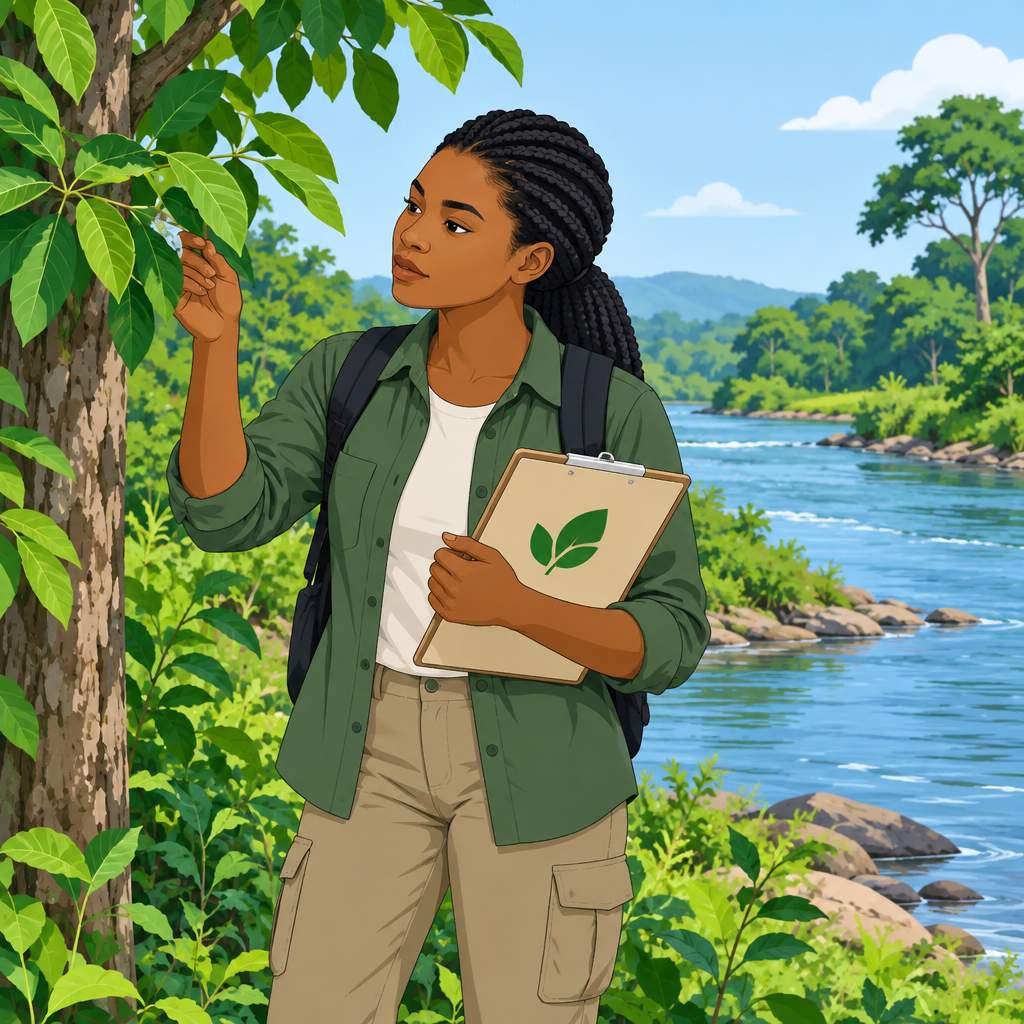
Challenges Facing Ecology in Nigeria
Nigeria faces several ecological challenges that threaten natural habitats and ecosystems.
These challenges affect forests, water bodies, air quality, and biodiversity.
Urgent action can help protect Nigeria’s ecosystems and wildlife.
Deforestation and Habitat Destruction
Deforestation destroys natural habitats and weakens ecosystems across Nigeria.
Agricultural, industrial, and urban development activities clear large areas of forest.
Consequently, forest loss reduces biodiversity and threatens ecological stability.
Pollution of Water Bodies and Air
Human activities pollute Nigeria’s water bodies and air.
Industrial discharge, improper waste disposal, and vehicle emissions contribute to this pollution.
As a result, pollution harms aquatic life and affects human health.
Loss of Biodiversity
Nigeria continues to lose biodiversity as many plant and animal species face extinction.
Habitat destruction, pollution, poaching, and climate change place these species at risk.
Therefore, protecting unique ecosystems and wildlife requires urgent action.
Delve into the Subject: Funding Opportunities for Ecology Research in Nigeria
Ecological Initiatives in Nigeria
Ecological initiatives protect Nigeria’s natural resources and biodiversity.
Government agencies and NGOs support conservation, education, and ecosystem restoration.
These efforts also promote sustainable development and protect ecosystems for future generations.
Government and Community Conservation Efforts
The Nigerian government protects natural habitats through national parks and reserves.
Meanwhile, nonprofit organizations preserve biodiversity through dedicated conservation programs.
International partnerships support sustainable land use and environmental protection projects.
- The Nigerian government has established national parks and reserves to protect natural habitats.
- The Nigerian Conservation Foundation works to preserve biodiversity.
- International collaborations help fund sustainable land use and protection projects.
- Community-based initiatives empower residents to manage environmental protection locally.
Environmental Education and Public Awareness
Environmental education helps people understand the importance of ecological conservation.
Schools teach environmental topics to develop eco-consciousness among students.
Community training encourages sustainable practices and responsible waste management.
- Environmental education programs raise awareness about ecological conservation.
- Schools integrate environmental topics into their curricula.
- Workshops and seminars teach sustainable practices and waste management.
- Media campaigns promote environmental stewardship and conservation policies.
Restoring Ecosystems and Biodiversity
Restoration projects help damaged ecosystems recover their ecological functions.
Reforestation provides wildlife habitat while improving degraded landscapes.
Wetland and marine restoration efforts strengthen biodiversity and support healthier ecosystems.
- Reforestation efforts have rejuvenated degraded lands and restored wildlife habitat.
- Wetland restoration has improved water quality and increased species diversity.
- Community conservation projects have supported endangered species recovery.
- Marine protected areas have revived fish populations and improved coral reef health.
Continued Support for Ecological Protection
Nigeria’s ecological initiatives require continued support from government agencies, organizations, and communities.
Public awareness can strengthen participation in conservation and sustainable development.
Protecting ecosystems today can preserve natural resources for future generations.
Delve into the Subject: Student Research Grants in Nigerian Biology
Role of Individuals in Promoting Ecology
Individuals can promote ecological protection through practical choices and community involvement.
Sustainable living practices: Individuals can use renewable energy and reduce water and energy consumption.
They can also minimize waste generation through careful daily choices.
Moreover, local initiatives give residents direct ways to protect their surroundings.
Supporting local initiatives for environmental protection: Individuals can join community clean-up events and tree planting activities.
They can also participate in wildlife conservation programs to help protect the environment.
Furthermore, citizens can advocate for policies that promote ecological balance.
Advocacy for policies that promote ecological balance: Individuals can support policies protecting natural habitats and regulating pollution.
They can also encourage sustainable agricultural practices through informed advocacy.
Active individual participation supports a healthy environment for present and future generations.
Ecological Understanding Supports Nigeria’s Sustainable Future
Ecological understanding helps Nigeria maintain ecosystem balance, preserve biodiversity, and support sustainable development.
By studying interactions between organisms and environments, people can make informed decisions about natural resources.
Moreover, conservation efforts safeguard Nigeria’s unique flora and fauna for future generations.
Shared Responsibility for Environmental Conservation
Every individual has a role in preserving the environment for future generations.
By adopting eco-friendly practices, people can support conservation initiatives and spread environmental awareness.
Together, people can protect the country’s ecological heritage and promote a sustainable future for living organisms.
Additional Resources
Google search results for Understanding Ecology: Basics and Importance in Nigeria Sciences
Bing search results for Understanding Ecology: Basics and Importance in Nigeria Sciences


