




Introduction
Gynaecological health services in Nigeria address women’s reproductive health needs.
These services play a crucial role in supporting women’s overall well-being.
Therefore, prioritizing women’s health can strengthen empowerment and improve health outcomes.
Gynaecological Health Services in Nigeria
Nigeria faces challenges in providing comprehensive gynaecological health services.
Limited resources and inadequate infrastructure restrict the availability of quality care.
Additionally, shortages of skilled healthcare professionals contribute to poor health outcomes.
Importance of Prioritizing Women’s Health
Prioritizing women’s health can improve maternal and child health outcomes.
It can also reduce maternal mortality rates and support reproductive health decisions.
Moreover, investing in gynaecological services can advance gender equality and overall development.
Barriers to Accessing Gynaecological Care
Women in Nigeria face several barriers when accessing gynaecological care.
Cultural barriers, limited education, and financial constraints can delay treatment.
Consequently, these obstacles can cause adverse health consequences for women.
Addressing these barriers requires improved access to appropriate gynaecological health services.
Availability of Gynaecological Health Services in Nigeria
Nigeria provides gynaecological services through public and private healthcare facilities.
Public facilities include government hospitals, primary health centres, and teaching hospitals.
They offer antenatal care, family planning, cancer screening, and treatment for gynaecological conditions.
Private facilities include hospitals, clinics, and specialist gynaecological centres.
They often emphasize personalized care and greater privacy.
Together, these options give women different pathways to gynaecological support.
Specialized Gynaecological Clinics and Hospitals
Nigeria also has specialized facilities focused on women’s gynaecological health.
For example, Reddington Hospital in Lagos provides minimally invasive surgery and fertility treatment.
The Bridge Clinic in Abuja specializes in reproductive services, including IVF and genetic testing.
Challenges Affecting Rural Access
However, women in rural areas often struggle to reach quality gynaecological care.
Remote communities may lack nearby facilities, requiring long travel for diagnosis and treatment.
Furthermore, rural areas face shortages of skilled healthcare professionals.
These shortages can delay appropriate treatment and create serious health consequences.
Government and healthcare organizations need to expand quality services across the country.
Common Gynaecological Health Issues in Nigeria
Fibroids commonly affect women in Nigeria.
They can cause heavy menstrual bleeding and pelvic pain.
Cervical cancer often remains undetected until it reaches advanced stages.
Infertility concerns many Nigerian women.
Infections and hormonal imbalances can contribute to infertility.
Importance of Early Detection and Treatment
Early detection can improve treatment outcomes for gynaecological health issues.
Regular screenings can identify cervical cancer at more treatable stages.
Timely intervention can prevent complications.
It can also improve quality of life for affected women.
Cultural Beliefs and Stigma Surrounding Gynaecological Health
Cultural beliefs and taboos can discourage women from seeking gynaecological care.
They may also limit open discussions about health concerns.
Furthermore, infertility stigma can cause social isolation and emotional distress.
Addressing cultural barriers can improve access to gynaecological care.
Transform Your Career with Expert Guidance
Get personalized mentorship consulting that’s tailored to your unique path. Our expert advice is actionable and exclusive.
Get StartedOpen dialogue can also support better understanding of women’s health concerns.
Discover More: Preventing Vision Loss: Tips from Nigerian Ophthalmologists
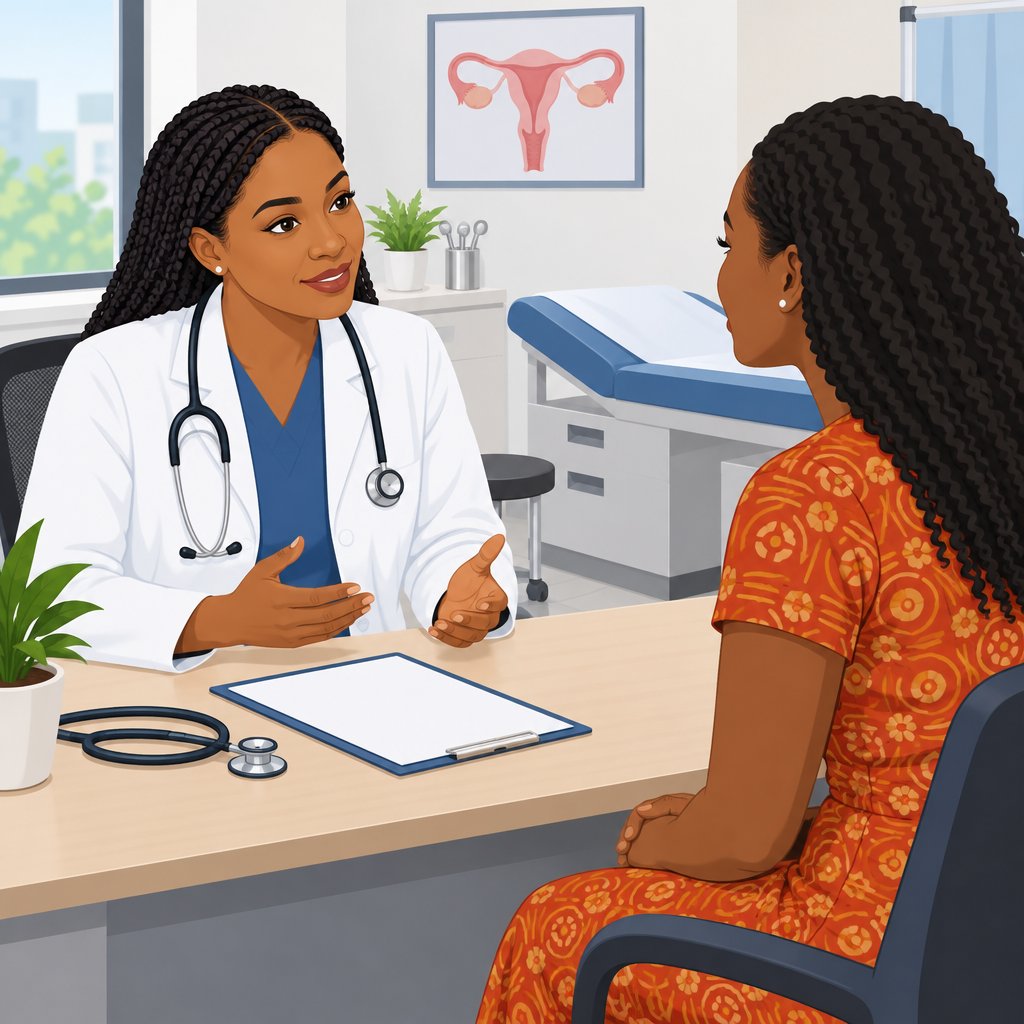
Quality of Gynaecological Health Services in Nigeria
Nigeria has a significant number of trained gynaecological health professionals and specialists.
These professionals undergo rigorous training to provide high-quality care and treatment for women.
Their expertise supports accurate diagnosis and effective management of gynaecological conditions.
Medical Equipment and Technology
Investing in medical equipment and technology strengthens gynaecological health services in Nigeria.
Modern equipment supports early detection, accurate diagnosis, and effective treatment of gynaecological issues.
Consequently, state-of-the-art equipment can help facilities improve care and patient outcomes.
Challenges in Maintaining Quality Standards
However, Nigeria still faces challenges in maintaining quality standards.
Insufficient funding and resources often hinder healthcare facilities from implementing best practices.
Additionally, weak infrastructure, limited training opportunities, and too few skilled professionals create further obstacles.
Priorities for Improving Care
Addressing funding issues can help improve the quality of gynaecological health services.
Enhancing infrastructure can also help healthcare facilities deliver more effective care.
Furthermore, ongoing training can strengthen professional skills and support better services for women.
Find Out More: Choosing ENT Surgery or Alternative Treatments
Affordability of Gynaecological Health Services in Nigeria
Gynaecological services remain financially challenging for many women in Nigeria.
Women may need to fund consultations, diagnostic tests, medicines, and procedures themselves.
Consequently, limited financial resources can prevent women from obtaining necessary care.
Out-of-Pocket Expenses for Gynaecological Services
Patients often pay directly for consultations and other gynaecological services.
These expenses may include examinations, laboratory tests, medications, and medical procedures.
As costs accumulate, many households struggle to manage essential healthcare payments.
Health Insurance Coverage for Gynaecological Care
Health insurance coverage for gynaecological care remains limited in Nigeria.
Many women lack insurance plans that adequately address their gynaecological needs.
Therefore, uninsured patients frequently depend on personal funds when seeking treatment.
Effects of Healthcare Costs on Access to Care
High service costs can delay or prevent women from seeking professional medical care.
Financial barriers may also encourage women to manage health concerns without medical supervision.
Furthermore, delayed treatment can increase risks for women who need timely attention.
- Women in rural areas may face additional challenges because healthcare facilities remain difficult to reach.
- Some women choose self-medication or traditional healing because formal healthcare costs seem unaffordable.
- Financial pressure can cause women to skip important screenings and routine check-ups.
- Low-income women may delay medical assistance, allowing health conditions to worsen.
Policymakers and healthcare providers must improve the affordability of gynaecological services.
Improved affordability could help more women obtain essential care and protect their well-being.
Discover More: Radiography Equipment and Technology in Nigeria
Access to Reproductive Health Services in Nigeria
Access to reproductive health services affects women’s health and quality of life across Nigeria.
Many women encounter barriers when seeking essential reproductive health services.
These barriers can create serious consequences for women’s health and well-being.
Importance of Comprehensive Reproductive Health Services
Comprehensive reproductive health services support women’s health and well-being in Nigeria.
They include family planning, maternal care, and essential health screenings.
These services address preventive needs and treatment needs across women’s reproductive lives.
Family Planning and Maternal Health Care
Family planning services help women make informed reproductive health decisions.
Access to contraception and counseling gives women greater control over reproductive choices.
Prenatal care, safe delivery options, and postnatal support promote healthier outcomes for mothers and newborns.
Challenges Affecting Women’s Reproductive Health
Women face limited facilities, inadequate funding, cultural barriers, and insufficient awareness.
Stigma can also discourage women from seeking necessary care and support.
Limited resources and infrastructure further restrict access in many parts of Nigeria.
Strengthening Reproductive Health Access
Improving education and awareness can help women understand available reproductive health services.
Addressing cultural and social barriers can encourage more women to seek appropriate care.
Expanding comprehensive services can improve reproductive health outcomes across Nigeria.
Delve into the Subject: Top Universities Offering Ophthalmology in Nigeria
Strengthening Gynaecological Health Services in Nigeria
Gynaecological health services remain vital for women across Nigeria.
Regular check-ups and screenings can identify potential issues early and support better health outcomes.
However, many women still face barriers when they seek these services.
Therefore, Nigeria needs stronger infrastructure and more healthcare providers trained in gynaecological care.
Women also need greater awareness of the importance of seeking care.
Looking ahead, every woman in Nigeria should have access to quality gynaecological services.
Communities can support this goal by advocating for change and prioritising women’s health.
People can support local health campaigns and share information about regular check-ups.
They can also advocate for policies that improve access to essential care.
Together, these actions can help women receive the care they need.
Additional Resources
Google search results for Gynaecological Health Services in Nigeria Medical
Bing search results for Gynaecological Health Services in Nigeria Medical


