



Mental Health Awareness in Nigeria
Mental health issues affect Nigeria, while awareness and support remain limited.
Cultural stigma largely contributes to these challenges.
Meanwhile, social media platforms help spread mental health awareness across Nigeria.
They also provide support as internet access expands throughout the country.
Social Media Campaigns for Mental Health Awareness
Social media campaigns have raised awareness of mental health issues in Nigeria.
They have also highlighted the importance of protecting mental well-being.
Meanwhile, initiatives on Twitter, Facebook, and Instagram have encouraged public discussion.
- Nigeria Mental Health Awareness Campaign: This campaign used hashtags to encourage mental health conversations and reduce stigma.
- #BreakTheSilence: This campaign encouraged people to discuss mental health concerns and seek help.
These campaigns have started conversations about mental health.
They have also encouraged individuals to seek appropriate support.
Reaching Wider Audiences Through Social Media
Social media platforms can reach diverse audiences across Nigeria.
With more than 80 million internet users, Nigeria has a broad digital audience.
Therefore, organizations can share mental health information with many people.
- Accessibility: Social media platforms remain accessible across age groups and socio-economic backgrounds.
- Engagement: Users can like, share, comment on, and discuss mental health content.
- Support: Individuals can connect with support groups, resources, and mental health professionals.
Consequently, social media can help organizations provide useful mental health information.
It can also connect people with support when they need mental health resources.
Support Groups and Online Communities
Online communities connect people who face similar mental health challenges.
These spaces help individuals find understanding, belonging, and encouragement from peers.
Furthermore, social media makes peer support more accessible to people seeking connection.
- Exploring how social media connects people with similar mental health challenges.
- Highlighting how online support groups reduce isolation and mental health stigma.
- Discussing how online peer support benefits people who share their experiences.
Connecting People Through Shared Challenges
Social media platforms help individuals connect with others who understand similar mental health struggles.
By joining relevant groups, people can discuss challenges with peers who share comparable experiences.
As a result, these connections can create belonging and emotional understanding.
Reducing Isolation and Stigma Online
Online support groups give people a safe space to discuss mental health experiences openly.
Members can communicate without fearing judgment or discrimination from others.
Additionally, supportive interactions can reduce isolation and challenge harmful mental health stigma.
Sharing Experiences and Receiving Peer Support
People can share personal stories and feel heard by supportive online peers.
Peers may offer insights and coping strategies based on their own experiences.
This mutual encouragement can support individuals throughout their recovery journeys.
Community Support and Personal Recovery
Online communities help people connect, seek support, and exchange personal experiences.
These platforms can provide understanding, community, and encouragement for people facing mental health challenges.
Consequently, peer connections online can positively influence individual mental well-being.
Learn More: Medical Microbiology Teaching Methods in Nigeria
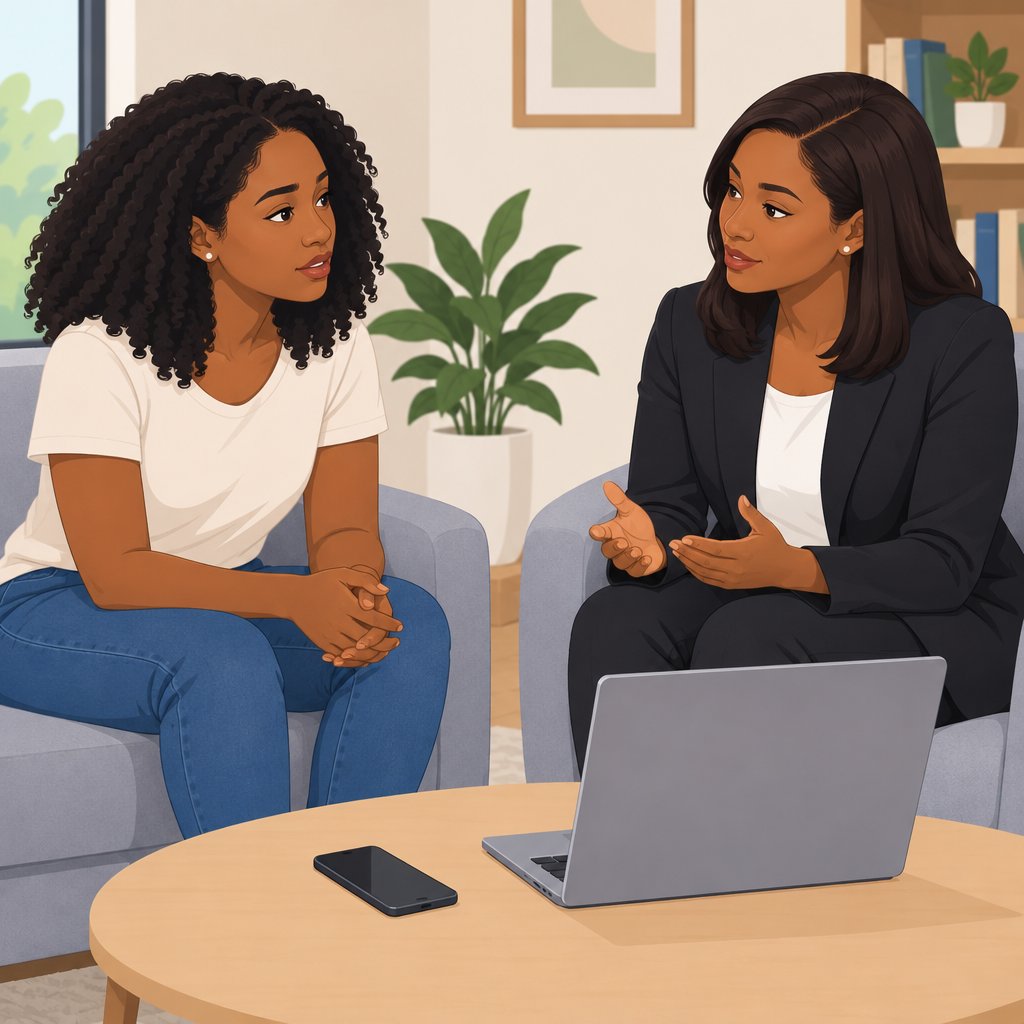
Social Media and Mental Health Stereotypes
- Social platforms challenge harmful stereotypes about mental health in Nigeria.
- Individuals can share personal experiences, helping audiences question misconceptions.
- These narratives also educate the public about mental health concerns.
Personal Voices and Shared Experiences
- People affected can speak publicly about their mental health challenges.
- By sharing experiences, they may find others with similar struggles.
- Consequently, personal expression can reduce isolation linked to stigma.
Shifting Public Attitudes Toward Mental Health
- Social platforms can influence public attitudes toward mental health.
- Moreover, shared information and stories can encourage informed discussions.
- As understanding grows, communities may approach mental health with less judgment.
Explore Further: Impact of Parasitology on Nigerian Communities
Mental Health Education and Resources
Social media provides mental health education and resources to people across Nigeria.
Furthermore, widespread platform use helps professionals reach larger audiences with relevant information.
These platforms also make mental health information easier to find outside traditional services.
- Highlight social media’s role in providing mental health education and resources to Nigerians.
- Discuss how mental health professionals share information and management tips through social media.
- Explore how social media platforms improve access to mental health resources.
How Mental Health Professionals Use Social Media
Mental health professionals increasingly use social media to share practical information with Nigerian audiences.
They publish guidance about mental health concerns and offer tips for managing daily challenges.
Moreover, professionals can connect directly with people seeking information or support.
Accessing Mental Health Resources Through Social Media
Social media has improved access to mental health resources in Nigeria.
People without traditional services can find information, support groups, and helplines online.
Consequently, social media broadens access to mental health support across the country.
Transform Your Career with Expert Guidance
Get personalized mentorship consulting that’s tailored to your unique path. Our expert advice is actionable and exclusive.
Get StartedThese platforms strengthen mental health education by connecting people with useful resources.
They also help professionals share guidance with individuals who may need assistance.
Explore Further: Professional Certification for Dental Technologists Nigeria
Social Media and Mental Health Support Services in Nigeria
Social media now influences how people in Nigeria locate and approach mental health support services.
It can connect service providers with people who might otherwise struggle to identify available assistance.
However, digital access does not replace careful evaluation of the support received.
Expanded Availability of Support Services
Organizations and professionals can use Facebook and Twitter to announce their services.
These platforms can help users identify contact details, service descriptions, and possible routes to assistance.
Consequently, providers can present support options where many people already communicate.
- Organizations use social media to promote mental health support services.
- Users can find information about available assistance through digital platforms.
- Professionals can share service details with people seeking mental health support.
- Social media can make service information easier to locate within communities.
Online Counseling Services and Helplines
Online counseling services and helplines give people additional ways to request professional assistance.
Through messaging, video calls, and chats, users can communicate with support providers remotely.
This approach can reduce the need to visit a physical location before requesting help.
- People can seek support through private messages and chat features.
- Video calls allow professionals and users to communicate remotely.
- Online services can offer convenient access to counseling and helplines.
- Digital contact may feel safer for people concerned about social judgment.
Challenges of Social Media Based Support
Despite its reach, social media does not guarantee reliable or suitable mental health support.
Limited regulation can make it difficult for users to assess the quality of online services.
Therefore, users should recognize that complex concerns may require more personalized care.
- Unqualified individuals may present themselves as mental health professionals online.
- Misinformation can spread when platforms lack effective quality controls.
- Online support may not address every person’s individual mental health needs.
- People with complex concerns may need care beyond social media interactions.
Uncover the Details: How Anatomical Pathology Impacts Nigerian Public Health
Risks and Challenges of Social Media on Mental Health
Social media can influence mental health in harmful ways.
Users may encounter harassment, false information, and unrealistic portrayals of daily life.
These experiences can affect emotional well-being and confidence.
- Cyberbullying can cause anxiety, depression, and feelings of isolation.
- Misinformation can create confusion and negatively affect mental well-being.
- Comparison culture can fuel inadequacy and low self-esteem through idealized online lifestyles.
Strategies for a Healthy Relationship with Social Media
Users can protect their mental well-being by managing their social media habits.
Clear boundaries can reduce overuse and create more time for offline activities.
Mindful choices can also encourage more positive online experiences.
- Set screen time limits and follow them consistently.
- Take regular digital detox breaks to prioritize real-life interactions.
- Follow accounts that promote positivity and well-being.
Digital Literacy and Self-Regulation
Digital literacy helps users evaluate social media content more carefully.
Self-regulation helps people maintain balance between online and offline activities.
Support can help users manage social media’s effects on their mental well-being.
- Develop critical thinking skills to identify credible information and misinformation.
- Monitor social media habits and adjust usage when necessary.
- Seek mental health professionals or support groups when social media feels overwhelming.
Social media has raised mental health awareness and provided support across Nigeria.
Its widespread reach creates opportunities to strengthen positive mental health outcomes.
By sharing stories, resources, and information, these platforms can normalize mental health conversations.
They can also help reduce the stigma surrounding mental health.
Additionally, continued advocacy can encourage more open discussions on social media.
Users and advocates can engage in respectful conversations through these platforms.
Safe online spaces can support people who need help or mental health resources.
Together, these efforts can build a supportive digital community for mental health.
Additional Resources
Google search results for Role of Social Media in Nigerian Mental Health Medical
Bing search results for Role of Social Media in Nigerian Mental Health Medical


