



Introduction to Biomedical Technology
Biomedical technologists play a crucial role in healthcare settings.
They use their skills and knowledge to support the proper functioning of medical equipment and devices.
Therefore, their work helps healthcare facilities maintain essential equipment for patient care.
Role of Biomedical Technologists in Nigerian Hospitals
In Nigerian hospitals, biomedical technologists maintain and repair various medical equipment.
This equipment includes X-ray machines, ultrasound devices, and laboratory instruments.
Consequently, they help ensure that these devices function accurately and efficiently.
Accurate equipment supports diagnosis and treatment for patients.
Additionally, these technologists train healthcare staff to use and maintain medical equipment properly.
Such training helps maximize equipment lifespan and performance.
Moreover, they collaborate with medical professionals to match equipment with hospital and patient needs.
Because medical technology advances rapidly, they keep up with new developments.
They also help implement these developments to support improved patient care.
Thus, their work supports the smooth and efficient operation of medical equipment in Nigerian hospitals.
Education and Training
Before pursuing biomedical technology careers in Nigeria, individuals must meet specific education and training requirements.
These requirements help candidates develop the knowledge and practical abilities needed for their professional responsibilities.
Academic study, practical training, and certification each support readiness for work in healthcare settings.
Requirements for Becoming a Biomedical Technologist in Nigeria
First, aspiring biomedical technologists must earn a bachelor’s degree in biomedical engineering or a related field.
This degree provides a foundation in biomedical technology principles.
Candidates must also complete an internship or practical training program in a hospital or healthcare facility.
That experience lets candidates apply theoretical knowledge and develop practical skills.
Additionally, applicants must pass a certification examination administered by the Medical Laboratory Science Council of Nigeria.
The council uses this examination as part of the certification process.
Specialized Training and Certifications
After earning the required qualifications, biomedical technologists may pursue specialized training.
They can focus on a specific area of biomedical technology.
Possible topics include medical imaging technology and clinical laboratory equipment maintenance.
Other training options include biomedical equipment repair.
These options help technologists strengthen their skills and expand their technical knowledge.
Professional certifications can further validate expertise and competency within a chosen specialization.
Such credentials also demonstrate commitment to professional growth and development.
Continuous Education and Technology Updates
Biomedical technologists need continuous education to follow advancements in healthcare technology and equipment.
Professional development courses, workshops, and seminars can expand their knowledge base.
These activities also help technologists improve their skills and adapt to industry changes.
Technology updates allow professionals to use new tools and techniques effectively.
Those tools can support patient care, diagnostic accuracy, and treatment outcomes.
Continuous learning therefore helps technologists provide high-quality healthcare services.
It also enables them to contribute to advances in medical science.
Responsibilities in Nigerian Hospitals
Biomedical technologists support the reliable operation of medical facilities.
They maintain equipment, verify accuracy, and assist healthcare professionals with technical concerns.
Additionally, their work supports effective healthcare delivery and patient safety.
- Maintenance and repair of medical equipment
- Calibration and testing of equipment
- Technical support for healthcare professionals
Maintenance and Repair of Medical Equipment
Biomedical technologists conduct routine checks to keep medical equipment functioning correctly.
Transform Your Career with Expert Guidance
Get personalized mentorship consulting that’s tailored to your unique path. Our expert advice is actionable and exclusive.
Get StartedThey identify malfunctions and perform necessary repairs to reduce equipment downtime.
Furthermore, they troubleshoot imaging equipment, laboratory machines, monitoring systems, and surgical instruments.
Calibration and Testing of Equipment
Biomedical technologists calibrate medical equipment to maintain accurate and reliable performance.
They verify that devices operate within specified parameters and adjust them when necessary.
Therefore, proper calibration supports accurate diagnoses, treatment delivery, and patient monitoring.
Technical Support for Healthcare Professionals
Biomedical technologists guide doctors, nurses, and other staff members in using medical equipment.
They troubleshoot technical problems that arise during procedures and explain equipment functions.
Through collaboration, they help healthcare teams use medical technologies safely and effectively.
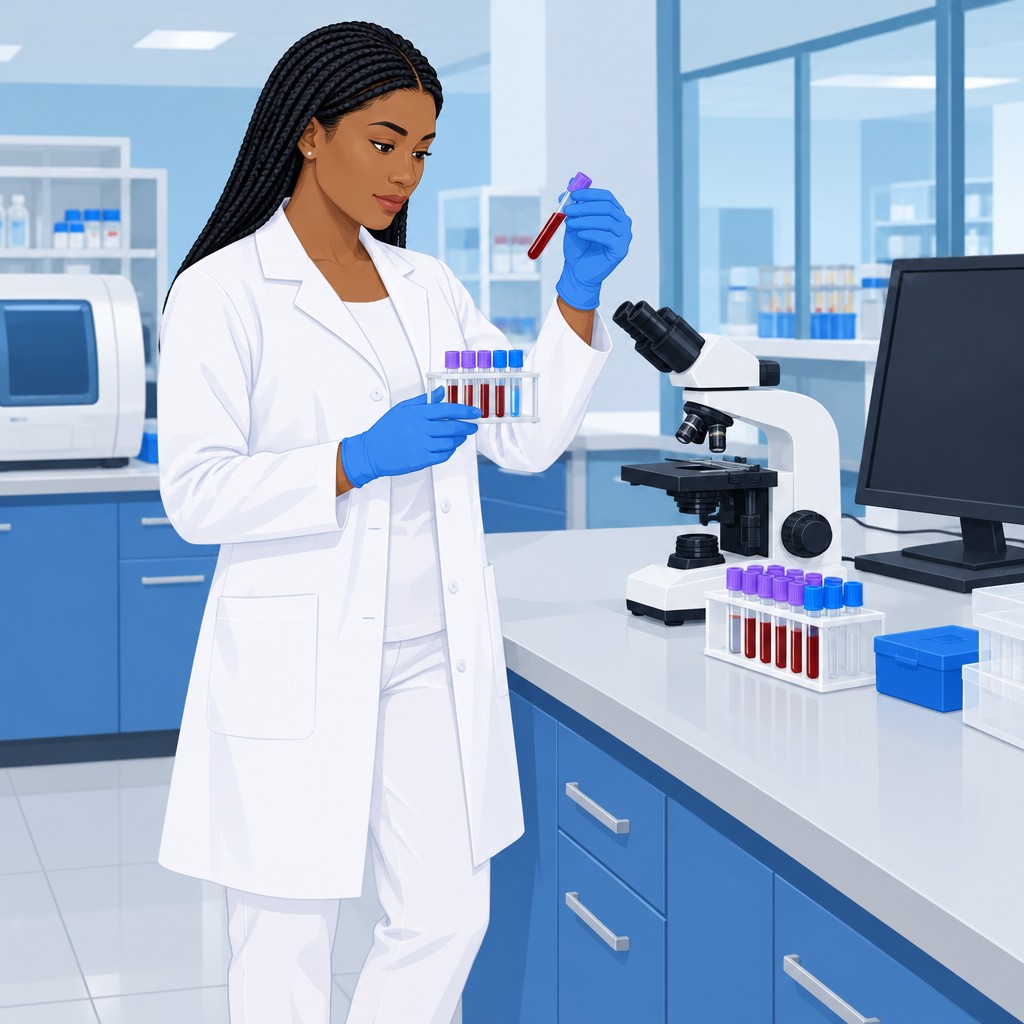
Contribution to Hospital Operations
These responsibilities support the delivery of quality healthcare services.
They also help medical facilities operate efficiently and maintain dependable equipment.
Consequently, biomedical technologists contribute significantly to patient care and hospital effectiveness.
Delve into the Subject: Physiotherapy Equipment: Nigerian Clinics Essentials
Impact on Patient Care
- Ensuring equipment functions properly for accurate diagnosis and treatment.
- Improving efficiency in healthcare delivery.
- Enhancing patient safety through reliable equipment.
Biomedical technologists directly influence patient care in Nigerian hospitals.
They help ensure medical equipment operates properly during diagnosis and treatment.
Properly functioning equipment helps healthcare providers assess patients accurately.
Consequently, accurate assessments support appropriate treatment decisions.
Biomedical technologists also improve healthcare efficiency through timely equipment maintenance and repairs.
This support helps healthcare providers deliver prompt care to patients.
Faster diagnosis and treatment can contribute to better patient outcomes.
Additionally, reliable equipment strengthens patient safety during procedures, tests, and treatments.
Malfunctioning equipment can create risks, while proper maintenance supports safer patient care.
Through these responsibilities, biomedical technologists strengthen the quality of care across medical specialties.
Gain More Insights: Preparing for Your ENT Surgery in Nigeria
Challenges Faced by Biomedical Technologists
- Limited resources and funding for equipment maintenance
- Shortage of skilled biomedical technologists
- Struggles with outdated equipment and limited technological advancements
Biomedical technologists in Nigerian hospitals encounter challenges that limit their ability to work effectively.
These difficulties affect equipment reliability, staff capacity, and access to modern healthcare technology.
Addressing these barriers can strengthen healthcare delivery and support safer hospital operations.
Limited Funding for Equipment Maintenance
Limited funding often prevents hospitals from scheduling regular maintenance for essential medical equipment.
Budget constraints also force hospitals to balance maintenance needs against competing priorities.
As a result, equipment breakdowns can compromise patient care and safety.
Shortage of Skilled Biomedical Technologists
Furthermore, Nigerian hospitals may lack enough skilled biomedical technologists to meet facility demands.
This shortage can result from limited training opportunities, educational resources, and workforce planning.
Consequently, existing staff may experience increased pressure while managing available resources.
Outdated Equipment and Limited Technological Advancement
Many hospitals continue using outdated medical devices that may not meet current care standards.
Such equipment can hinder accurate and timely diagnostics for patients.
Additionally, limited access to advanced technologies can restrict professional growth for biomedical technologists.
Strengthening Biomedical Technology Support
Hospitals can respond by increasing funding for equipment maintenance and expanding relevant training programs.
Moreover, technological improvements can help technologists perform their duties more effectively.
These measures can support reliable equipment, stronger healthcare delivery, and sustained professional development.
Gain More Insights: Overview of Dentistry and Dental Surgery in Nigeria
Collaborations with the Healthcare Team
- Working closely with doctors, nurses, and other staff members
- Communicating and coordinating to meet healthcare needs
- Promoting teamwork to provide quality patient care
Biomedical technologists collaborate closely with healthcare teams in Nigerian hospitals.
They work with doctors, nurses, and other staff members to support healthcare needs.
This cooperation helps staff address patient requirements more effectively.
Moreover, technologists maintain and calibrate medical equipment for accurate diagnostic and treatment results.
Clear communication allows them to understand the specific needs of patients.
They also provide suitable technological solutions for those needs.
Technologists explain complex technical information in language that nontechnical staff can understand.
They coordinate with healthcare professionals when equipment requires attention or technical support.
Through teamwork, healthcare professionals help ensure that medical devices function properly.
Reliable devices support accurate diagnosis and appropriate patient treatment.
Additionally, effective collaboration strengthens hospital operations and contributes to quality patient care.
Biomedical technologists therefore use communication and teamwork to support successful patient outcomes.
Uncover the Details: Common Eye Conditions Treated by Nigerian Optometrists
Innovations and Future Trends
Biomedical technologists support technological progress in Nigerian hospitals.
They help hospitals adopt equipment and systems that strengthen healthcare services.
These developments can improve efficiency, communication, and patient care.
- Integration of new technologies in medical equipment
- Implementation of electronic health records and telemedicine
- Potential impact of artificial intelligence in healthcare settings
Integration of New Technologies in Medical Equipment
Biomedical technologists integrate advanced technologies into medical equipment used in Nigerian hospitals.
They keep devices updated with current technological developments.
Consequently, advanced monitors, imaging tools, and surgical equipment can support improved patient care.
Implementation of Electronic Health Records and Telemedicine
Biomedical technologists help Nigerian hospitals implement electronic health records and telemedicine systems.
They manage and maintain these systems for reliable communication between providers and patients.
As a result, healthcare services can become more efficient and accurate.
Potential Impact of Artificial Intelligence in Healthcare Settings
Artificial intelligence could significantly influence healthcare operations.
Biomedical technologists can help incorporate AI into hospital systems.
AI can analyze medical data, identify patterns, and support diagnosis and treatment planning.
Furthermore, these capabilities may encourage more personalized and efficient patient care.
Strengthening Healthcare Delivery in Nigeria
Biomedical technologists help Nigerian hospitals keep medical equipment and devices functioning properly.
Through their expertise and dedication, they improve patient outcomes and strengthen healthcare quality.
Healthcare systems should recognize this profession and continue supporting its growth.
Continued investment in biomedical technology can enhance healthcare delivery in Nigeria.
This support helps hospitals provide patients with high-quality medical services.
Additional Resources
Google search results for Role of Biomedical Technologists in Nigerian Hospitals Medical
Bing search results for Role of Biomedical Technologists in Nigerian Hospitals Medical


