



Anaesthesia plays a crucial role during medical procedures in Nigerian clinics.
It helps patients avoid pain during surgery and other medical interventions.
Clinics use several types of anaesthesia.
These include general, regional, and local anaesthesia.
Overview of Anaesthesia Administration
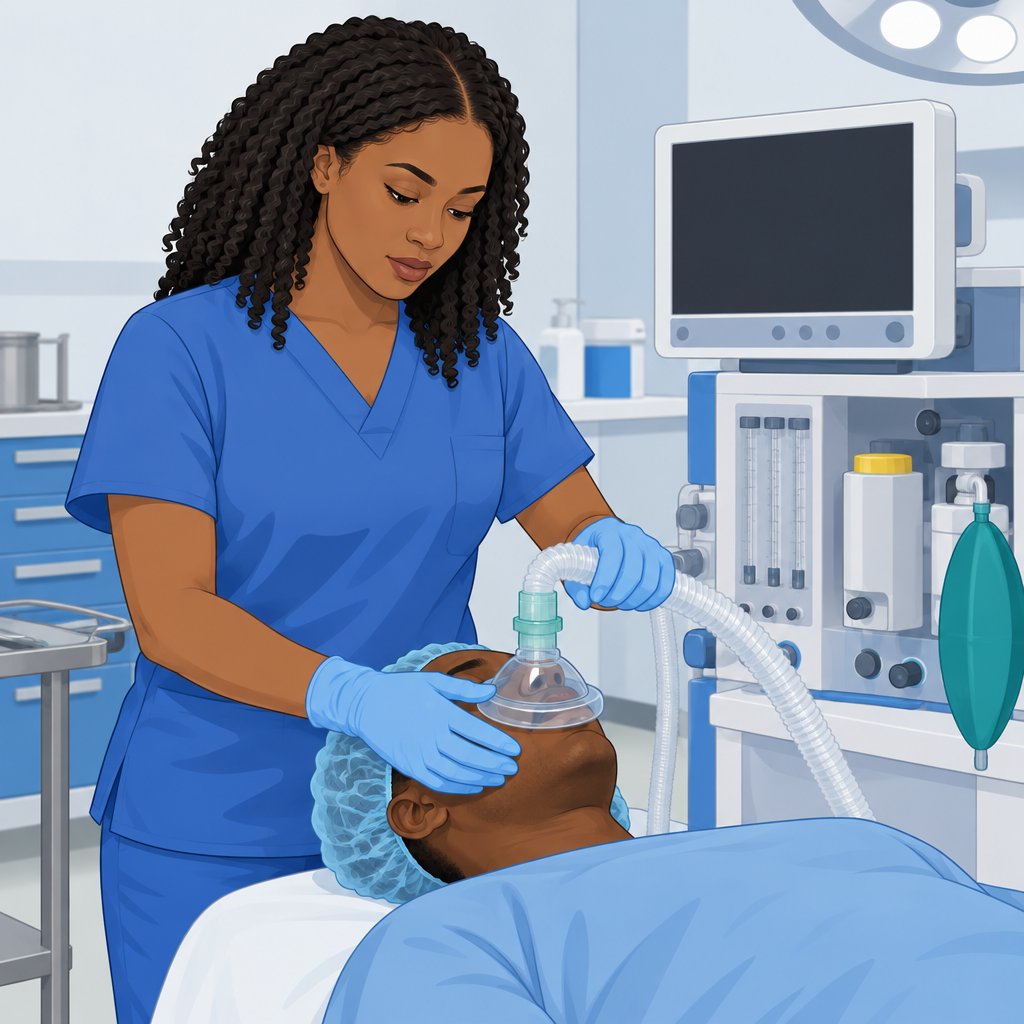
Anaesthesia administration involves carefully providing sedation before medical procedures.
- It helps patients avoid pain or discomfort during surgery or other treatments.
- Additionally, healthcare professionals adjust the process to support patient safety.
Patient Assessment and Anaesthesia Administration
Patients first undergo an evaluation to identify the required type and amount of anaesthesia.
- Anaesthesiologists then administer the anaesthetic through inhalation or injection.
- Meanwhile, continuous vital-sign monitoring supports the patient’s safety throughout the procedure.
Responsibilities of Anaesthesiologists
Anaesthesiologists are specialized doctors who administer anaesthesia during medical procedures.
- They monitor patients throughout the procedure to support their well-being.
- They determine the correct dosage according to each patient’s needs.
- Furthermore, they manage complications that may arise during administration.
Importance of Dosage and Monitoring
Proper dosage helps prevent harmful under-sedation or over-sedation.
- Continuous monitoring tracks vital signs, including heart rate and oxygen levels.
- This monitoring helps healthcare professionals maintain patient safety during the procedure.
- Finally, immediate intervention can prevent adverse reactions and other complications.
Types of Anaesthesia Used in Nigerian Clinics
Clinics choose anaesthesia according to the procedure and the patient’s needs.
Local anaesthesia keeps patients conscious during minor procedures.
Regional and general anaesthesia support broader or more complex surgical needs.
- Local anaesthesia numbs the treatment site through direct injection.
- Regional anaesthesia blocks pain across a larger body area near a nerve cluster.
- General anaesthesia makes patients completely unconscious during complex surgeries.
Criteria for Choosing Anaesthesia
Clinicians assess the procedure before selecting an anaesthesia method.
They also consider the patient’s health and suitability for each option.
Additionally, the patient’s preference can influence the final choice.
- The procedure’s complexity helps determine whether local, regional, or general anaesthesia suits the patient.
- The patient’s health may make regional or local anaesthesia more suitable than general anaesthesia.
- The patient’s comfort level and previous experiences can affect the preferred anaesthesia method.
Advancements in Anaesthesia Technology
Nigerian clinics continue to use technology during anaesthesia care.
Ultrasound can guide regional procedures and help clinicians target nerves precisely.
Enhanced monitors track vital signs, while newer delivery systems support steady dosing.
- Ultrasound guidance helps clinicians target nerves precisely during regional anaesthesia procedures.
- Enhanced monitoring devices track heart rate, blood pressure, and oxygen levels continuously.
- Innovative delivery systems use slow-release formulations to provide steady anaesthetic doses.
You Might Also Like: Importance of Physiotherapy in Nigerian Sports
Challenges in Anaesthesia Administration in Nigeria
- Limited resources and infrastructure challenge anaesthesiologists in Nigerian clinics.
- Training and certification support safe, effective anaesthesia administration.
- Safety concerns include inadequate monitoring, medication shortages, and power outages.
Addressing Limited Resources and Infrastructure
- Many Nigerian clinics lack essential equipment and supplies for anaesthesia administration.
- Medication, monitoring device, and backup power shortages can threaten patient safety.
- Government support and organizational partnerships may improve access to necessary resources.
Importance of Training and Certification
- Proper training and certification help anaesthesiologists provide high-quality patient care.
- Continuous education keeps professionals informed about current anaesthesia practices.
- International collaboration can provide training resources and professional support in Nigeria.
Safety Concerns in Anaesthesia Administration
- Inadequate monitoring equipment can cause complications during procedures and postoperative care.
- Essential medication shortages may delay treatment or limit effective anaesthesia management.
- Power outages can interrupt anaesthesia administration and endanger patient safety.
Healthcare professionals, policymakers, and organizations must collaborate to improve resources, training, and patient safety.
Learn More: Impact of Biomedical Technology on Nigerian Medicine
Patient Preparation for Anaesthesia
- Patients undergo pre-operative steps before clinicians administer anaesthesia.
- Clinicians assess patients and review their medical histories.
- Healthcare professionals consider the needs of vulnerable patient populations.
Before administering anaesthesia in Nigerian clinics, healthcare professionals prepare patients through several safety-focused steps.
These steps help reduce risks and complications during anaesthesia administration.
First, clinicians assess each patient to determine the most suitable anaesthesia.
During this assessment, clinicians evaluate overall health and identify conditions that may affect anaesthesia.
Next, clinicians review the patient’s medical history for relevant details.
This review covers allergies, previous surgeries, medications, and chronic illnesses.
These details can influence how the patient responds to anaesthesia.
Additionally, clinicians apply special considerations to vulnerable groups, including elderly and pediatric patients.
Elderly patients may have age-related health issues requiring careful monitoring and customized techniques.
Similarly, pediatric patients have distinct physiological and psychological needs.
Therefore, specialized care supports safer anaesthesia preparation for these patients.
Thorough preparation supports the safety and success of anaesthesia administration in Nigerian clinics.
You Might Also Like: Medical Rehabilitation Outreach Programs Nigeria
Monitoring During Surgery
During surgery, patients in Nigerian clinics receive close monitoring for safety and comfort.
Healthcare professionals continuously check vital parameters and regulate them when necessary.
These checks help staff identify and address potential complications promptly.
- ECG machines monitor heart rate and rhythm.
- Staff measure blood pressure regularly to maintain stability.
- Pulse oximeters monitor oxygen saturation levels.
- Healthcare professionals check temperature to prevent hypothermia.
- Staff observe respiratory rate to assess ventilation.
Post-Anaesthesia Care Protocols
After surgery, patients remain under close observation in the recovery room.
Care teams continue monitoring vital signs to detect abnormalities quickly.
They also provide treatment according to each patient’s needs.
- Staff observe patients closely in the recovery room after surgery.
- Healthcare professionals continuously monitor vital signs for abnormalities.
- Care teams provide pain management to support patient comfort.
- Staff administer fluids and medications according to patient needs.
- Healthcare professionals provide wound care for surgical incisions.
Importance of Monitoring and Follow-Up Care
Adequate monitoring helps healthcare professionals detect complications early.
Transform Your Career with Expert Guidance
Get personalized mentorship consulting that’s tailored to your unique path. Our expert advice is actionable and exclusive.
Get StartedEarly detection allows staff to intervene immediately and prevent adverse events.
Proper follow-up care supports recovery and improves patient outcomes.
- Monitoring supports early detection of complications.
- Immediate intervention can prevent adverse events.
- Follow-up care promotes a smoother recovery process.
- Continuous monitoring reduces postoperative complication risks.
- Attentive post-anaesthesia care improves patient outcomes.
Monitoring and recovery after anaesthesia remain essential parts of patient care in Nigerian clinics.
Healthcare professionals support patient safety by following protocols and providing consistent follow-up care.
Find Out More: Overview of Medical Microbiology in Nigeria
Safe Anaesthesia Practices Support Medical Procedures
Nigerian clinics follow standard guidelines when administering anaesthesia to protect patients.
Additionally, proper anaesthesiologist training and modern equipment support safe administration.
Clinics should prioritize anaesthesia administration to support successful medical procedures.
Before treatment, patients should learn about anaesthesia risks and benefits.
This information helps patients make informed treatment decisions.
Furthermore, staying informed about anaesthesia practices can improve patients’ healthcare experiences.
Patients should seek more information about anaesthesia practices before treatment.
Additional Resources
Google search results for How Anaesthesia is Administered in Nigerian Clinics Medical
Bing search results for How Anaesthesia is Administered in Nigerian Clinics Medical


