



Introduction
Biomedical technology encompasses tools and techniques used in the medical field to improve patient care.
Advancements in technology have created innovative diagnostic tools, treatment methods, and surgical procedures.
Technology enhances accuracy, efficiency, and patient outcomes throughout healthcare.
History of Biomedical Technology in Nigeria
Biomedical technology in Nigeria developed alongside modern medicine during the early twentieth century.
Missionaries and colonial administrators introduced Western medicine during the colonial era.
Medical schools and hospitals established the foundation for biomedical technology in Nigeria.
- Evolution of Biomedical Technology
- Key Milestones and Innovations
- Technology and Healthcare Improvement
Over time, Nigeria introduced diagnostic technologies, including ultrasound machines, X-ray machines, and CT scanners.
Telemedicine and electronic health records later changed healthcare delivery across the country.
Medical devices improved diagnostic accuracy, procedural efficiency, and patient care.
Health information systems also supported patient management and healthcare coordination.
Current State of Biomedical Technology in Nigeria
Nigeria currently combines advanced medical technologies with persistent healthcare delivery challenges.
Many healthcare facilities lack essential equipment, supplies, infrastructure, and technical resources.
The country also faces shortages of skilled biomedical engineers and technicians.
- Infrastructure and Resource Challenges
- Opportunities for Growth and Development
- Potential for Homegrown Solutions
Limited infrastructure prevents some facilities from delivering consistent, quality healthcare services.
Government and private sector investment could strengthen infrastructure and expand technology access.
Research and innovation could help Nigeria develop solutions for its unique healthcare needs.
Future Directions for Biomedical Technology in Nigeria
Biomedical technology in Nigeria has substantial potential for future healthcare transformation.
Effective investments and supportive policies could strengthen healthcare delivery and patient outcomes.
Digital health tools, artificial intelligence, and precision medicine could expand healthcare capabilities.
These technologies could also support greater health equity across the population.
Current State of Biomedical Technology in Nigeria
Biomedical technology has made significant progress within Nigerian healthcare.
Healthcare facilities use various technologies to support diagnosis, treatment, monitoring, and data management.
However, several challenges continue to limit widespread implementation and utilization.
Current Biomedical Technologies
Nigerian healthcare providers use several technologies to improve healthcare delivery.
These tools support clinical decisions, patient monitoring, medical imaging, and healthcare data management.
Consequently, healthcare professionals can provide more efficient services to patients.
- Electronic Health Records
- Telemedicine
- Medical Imaging Technologies, including MRI and CT scans
- Biomedical Devices, including pacemakers and insulin pumps
These technologies have changed how Nigerian healthcare providers deliver services.
Challenges Affecting Technology Adoption
Nigerian healthcare facilities face barriers that restrict biomedical technology adoption.
Limited infrastructure and high implementation costs make advanced technologies difficult to deploy.
Furthermore, inadequate professional training and security concerns create additional limitations.
- Lack of Proper Infrastructure
- High Cost of Technology Implementation
- Inadequate Training for Healthcare Professionals
- Security and Privacy Concerns
These challenges prevent many facilities from using biomedical technologies widely.
Areas of Healthcare Impact
Biomedical technology improves several aspects of healthcare delivery in Nigeria.
Healthcare professionals use these tools to strengthen diagnosis, patient care, monitoring, and information management.
As a result, patients can receive more efficient services and improved outcomes.
- Improved Diagnostics
- Enhanced Patient Care and Outcomes
- Remote Monitoring of Patients
- Efficient Management of Healthcare Data
These applications contribute to better patient outcomes and greater efficiency in healthcare delivery.
Gain More Insights: Medical Rehabilitation Outreach Programs Nigeria
Improving Diagnosis and Treatment
Biomedical technology has significantly improved the accuracy and speed of medical diagnosis in Nigeria.
Advances in medical equipment and technological tools have transformed healthcare delivery.
These developments help healthcare providers diagnose conditions more effectively and efficiently.
- MRI, CT scans, and ultrasound produce detailed images of organs, tissues, and internal structures.
- These images help professionals detect abnormalities and make accurate diagnoses.
- Laboratory automation systems automate sample handling, testing, and result analysis.
- These systems improve diagnostic speed and accuracy.
- Faster, more reliable results support timely healthcare decisions.
- Point-of-care devices enable rapid testing at bedsides and in remote locations.
- These devices support immediate diagnosis and treatment decisions during emergencies.
Personalized Treatment and Surgical Care
Biomedical technology also supports personalized treatment plans for patients in Nigeria.
Transform Your Career with Expert Guidance
Get personalized mentorship consulting that’s tailored to your unique path. Our expert advice is actionable and exclusive.
Get StartedPrecision medicine and personalized healthcare approaches tailor care to individual needs.
Providers can consider genetic makeup, lifestyle, and medical history when developing treatment strategies.
- Genetic testing and sequencing identify markers and mutations that may influence medication responses.
- Providers can use this information to customize more effective treatment plans.
- Telemedicine platforms connect patients with healthcare providers remotely.
- Video consultations and remote monitoring support individualized care regardless of location.
- Robotic surgery systems provide greater precision, control, and dexterity during operations.
- These systems support minimally invasive surgeries with reduced risks.
- Minimally invasive procedures can shorten recovery times and improve patient outcomes.
These technologies improve the accuracy, speed, and personalization of healthcare services.
They also support better patient outcomes and continued advancement within Nigeria’s healthcare system.
Learn More: Overview of Medical Microbiology in Nigeria
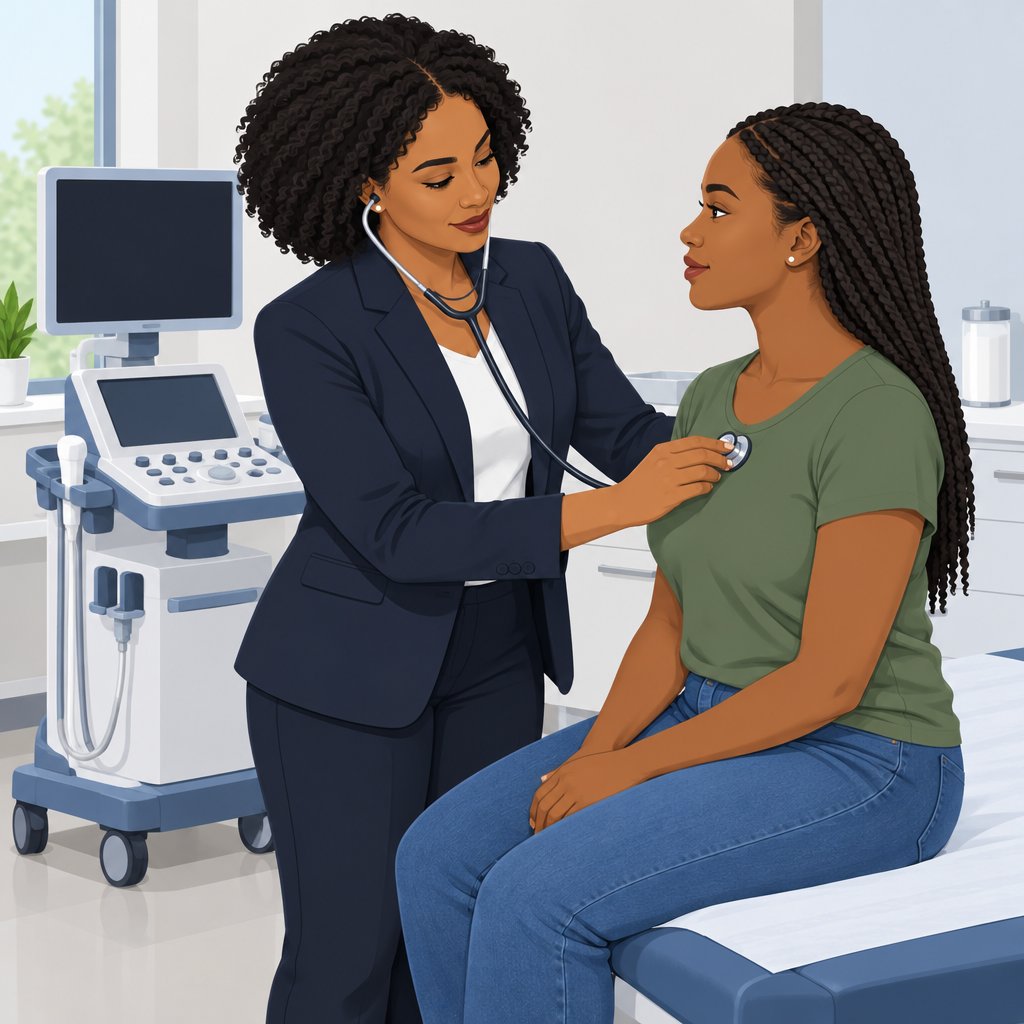
Enhancing Healthcare Delivery
Technology has revolutionized healthcare delivery in Nigeria in numerous ways.
Digital health solutions have significantly improved access to medical services, especially in rural areas with limited healthcare facilities.
Patients can now consult healthcare providers remotely, reducing the need for hospital visits.
- Telemedicine enables doctors to diagnose and treat patients without in-person consultations.
- Remote monitoring devices allow healthcare providers to track patients’ vital signs and health indicators from a distance.
- Mobile health applications give patients medical information, appointment scheduling, and medication reminders.
- Electronic health records streamline patient documentation and improve communication between healthcare professionals.
Digital health solutions have transformed patient care and health outcomes.
Healthcare providers can collaborate more effectively, improving coordination for patients.
Consequently, personalized treatment plans can improve health outcomes and reduce hospital readmission rates.
- Technology improves diagnostic accuracy and speed, supporting earlier disease detection.
- Remote consultations reduce patient waiting times and make healthcare services more efficient.
- Health information systems improve data analysis and support evidence-based healthcare decisions.
- Telemedicine and mobile applications strengthen patient engagement and treatment adherence.
Biomedical technology has transformed Nigerian medicine, particularly by enhancing healthcare delivery.
Telemedicine and digital health solutions improve medical access, patient care, and health outcomes.
Ongoing technological advancements can further improve Nigeria’s healthcare landscape.
Gain More Insights: Innovative Teaching Methods for Anatomy in Nigeria
Biomedical Technology in Healthcare Training
Biomedical technology plays a crucial role in training and developing healthcare professionals in Nigeria.
It offers innovative tools and methods that enhance learning and skill development for medical practitioners.
Additionally, technology supports continuing education through accessible digital resources.
- Continuing education: Biomedical technology provides access to online courses, webinars, and virtual simulations.
- These resources help healthcare professionals stay updated with the latest medical practices and advancements.
- Skill enhancement: Technology develops practical skills through virtual reality training programs.
- Medical students can practice surgical procedures in simulated environments before treating real patients.
- Training applications: Virtual reality simulators train surgeons to perform complex procedures, including laparoscopic surgeries.
- These simulators create realistic environments where surgeons can practice and improve their skills.
Consequently, these tools improve medical education and strengthen professional skills in Nigeria.
Gain More Insights: How to Start a Private Medical Practice in Nigeria
Research and Innovation
- Biomedical technology has revolutionized research and innovation in Nigerian medicine.
- Moreover, technology companies and healthcare institutions have developed cutting-edge medical advancements together.
- This collaboration has produced new treatments, diagnostic tools, and medical devices.
- Furthermore, researchers use sophisticated equipment and data analysis tools for groundbreaking studies.
- Consequently, medical professionals diagnose diseases more accurately and efficiently, improving patient outcomes.
Potential for Further Advancements
- Technology integration offers immense potential for further healthcare breakthroughs.
- Meanwhile, artificial intelligence and machine learning analyze large datasets and predict disease outcomes.
- Telemedicine solutions are expanding healthcare access, especially across remote Nigerian communities.
- Additionally, 3D printing produces customized prosthetics and implants more effectively.
- Finally, genomic sequencing helps researchers personalize treatments according to individual genetic makeup.
Patient Care and Medical Access
Biomedical technology has transformed Nigerian medicine by improving diagnosis, treatment, and patient care.
Healthcare providers now use advanced tools and equipment to support more accurate diagnoses and better treatment outcomes.
Moreover, telemedicine and remote monitoring help rural patients receive care without travelling long distances to urban centers.
These technologies can extend medical services beyond major urban centers.
Research and Chronic Disease Management
Biomedical technology also supports research and development in Nigerian medicine.
Researchers use these advances to pursue treatments and therapies for diseases affecting the Nigerian population.
Furthermore, technology helps providers manage the growing prevalence of chronic diseases in Nigeria.
Remote monitoring and personalized treatment plans can support ongoing care for these conditions.
Future Technology Priorities
Continued investment in biomedical technology remains essential for further healthcare progress in Nigeria.
Policymakers, healthcare providers, and other stakeholders should prioritize adopting new medical technologies.
Such commitment can help Nigerians access high-quality care through stronger healthcare delivery.
Additional Resources
Google search results for Impact of Biomedical Technology on Nigerian Medicine Medical
Bing search results for Impact of Biomedical Technology on Nigerian Medicine Medical


