




Anaesthesiologists in Surgical Care
Anaesthesiologists manage pain and monitor vital signs during surgical procedures.
They administer anaesthesia to keep patients comfortable and safe throughout surgery.
Without their expertise, pain and related risks would make surgery impossible.
They determine the appropriate anaesthesia type and dosage for each patient.
During surgery, they constantly monitor heart rate, blood pressure, and oxygen levels.
If complications arise, they respond quickly and effectively to protect patient safety.
After surgery, they monitor patients in the recovery room until patients regain consciousness.
Additionally, they provide care before and after surgery, beyond the operating room.
Thus, anaesthesiologists form an essential part of the surgical team.
They help ensure each procedure’s success and safety.
Educational Background of Anaesthesiologists in Nigeria
Anaesthesiology education in Nigeria combines medical studies, supervised training, and professional assessment.
Furthermore, doctors can pursue advanced education through specialist programs and continuing medical education.
Research and international partnerships also support professional development in this field.
Requirements for Becoming an Anaesthesiologist
Candidates begin with a bachelor’s degree in medicine or a related field.
They must also complete medical school before entering specialist training.
Afterward, residency training and licensing examinations support their professional qualification.
- A bachelor’s degree in medicine or a related field is required.
- Students must complete medical school.
- Residents complete training in anaesthesiology.
- Candidates must pass the required licensing examinations.
Training Programs Available in Nigeria
Nigeria offers specialist training through established postgraduate medical institutions.
University teaching hospitals also provide residency programs for aspiring anaesthesiologists.
Additionally, workshops and workplace training can strengthen practical professional development.
- The National Postgraduate Medical College of Nigeria offers postgraduate training.
- The West African College of Surgeons provides another training pathway.
- University teaching hospitals offer anaesthesiology residency programs.
- On-the-job training and workshops provide additional learning opportunities.
Additional Certification and Specialization
Qualified anaesthesiologists can pursue additional certification in focused areas.
For example, fellowship programs may address pain management or critical care.
Meanwhile, continuing medical education helps specialists remain updated with current practices.
- Fellowship programs can support specialization in pain management.
- Fellowship programs can also focus on critical care.
- Continuing medical education helps doctors maintain current knowledge.
Research Opportunities in Anaesthesiology
Research allows anaesthesiologists to investigate questions within their professional field.
They can publish findings in medical journals to contribute to shared knowledge.
Moreover, international collaboration can expand research opportunities and professional connections.
- Anaesthesiologists can conduct research in anaesthesiology.
- They can publish research papers in medical journals.
- They can collaborate with international organizations on research projects.
International Collaborations and Partnerships
International activities can expose anaesthesiologists to additional training experiences.
They may attend conferences and workshops in other countries.
They can also work with foreign hospitals and global experts on education and research.
- Professionals can participate in conferences abroad.
- They can attend international workshops for further learning.
- Exchange programs can provide experience with foreign hospitals.
- Global experts can support training and research initiatives.
Responsibilities of Anaesthesiologists in Nigerian Hospitals
Administering anaesthesia
Anaesthesiologists administer anaesthesia before surgical procedures.
They select suitable anaesthesia types and dosages according to each patient’s history and planned surgery.
Monitoring patients during surgery
During surgery, anaesthesiologists continuously monitor heart rate, blood pressure, and oxygen levels.
They identify changes or complications and respond promptly to protect patient safety and comfort.
Managing postoperative pain
After surgery, anaesthesiologists develop personalized plans to manage postoperative pain.
These plans may include medicines, nerve blocks, or other pain relief techniques.
Providing preoperative consultations
Before surgery, anaesthesiologists discuss medical histories, existing conditions, allergies, and current medicines with patients.
This information helps them design safer anaesthesia plans and reduce potential complications.
Transform Your Career with Expert Guidance
Get personalized mentorship consulting that’s tailored to your unique path. Our expert advice is actionable and exclusive.
Get StartedResponding to emergencies
When emergencies occur during surgery, anaesthesiologists act quickly to stabilize patients.
They may perform emergency procedures, including intubation or cardiopulmonary resuscitation.
Collaborating with surgical teams
Anaesthesiologists coordinate patient care with surgeons, nurses, and other healthcare professionals.
They communicate important information and support coordinated treatment before, during, and after surgery.
Conducting research and continuing education
Anaesthesiologists advance their field through research and ongoing professional education.
They may participate in clinical trials, publish scientific papers, and attend professional conferences.
These activities help them remain informed about anaesthesia techniques, medicines, and safety protocols.
Advocating for patient safety
Anaesthesiologists promote safety and quality throughout patient care.
They follow strict protocols and guidelines to reduce errors, infections, and other complications.
Training future anaesthesiologists
Experienced anaesthesiologists train and mentor medical students, residents, and fellows.
They share knowledge, practical skills, and professional experience with developing healthcare professionals.
This guidance helps prepare skilled and compassionate anaesthesiologists for future patient care.
Through these responsibilities, anaesthesiologists support safe, comfortable, and coordinated surgical care in Nigerian hospitals.
Find Out More: Mental Health First Aid: Tips for Nigerians
Challenges Faced by Anaesthesiologists in Nigerian Hospitals
Anaesthesiologists in Nigerian hospitals face several challenges that can affect safe and effective patient care.
These difficulties involve resources, staffing, training, and institutional support.
Healthcare facilities and policymakers must address these barriers to help anaesthesiologists work effectively and safely.
Limited Resources and Equipment
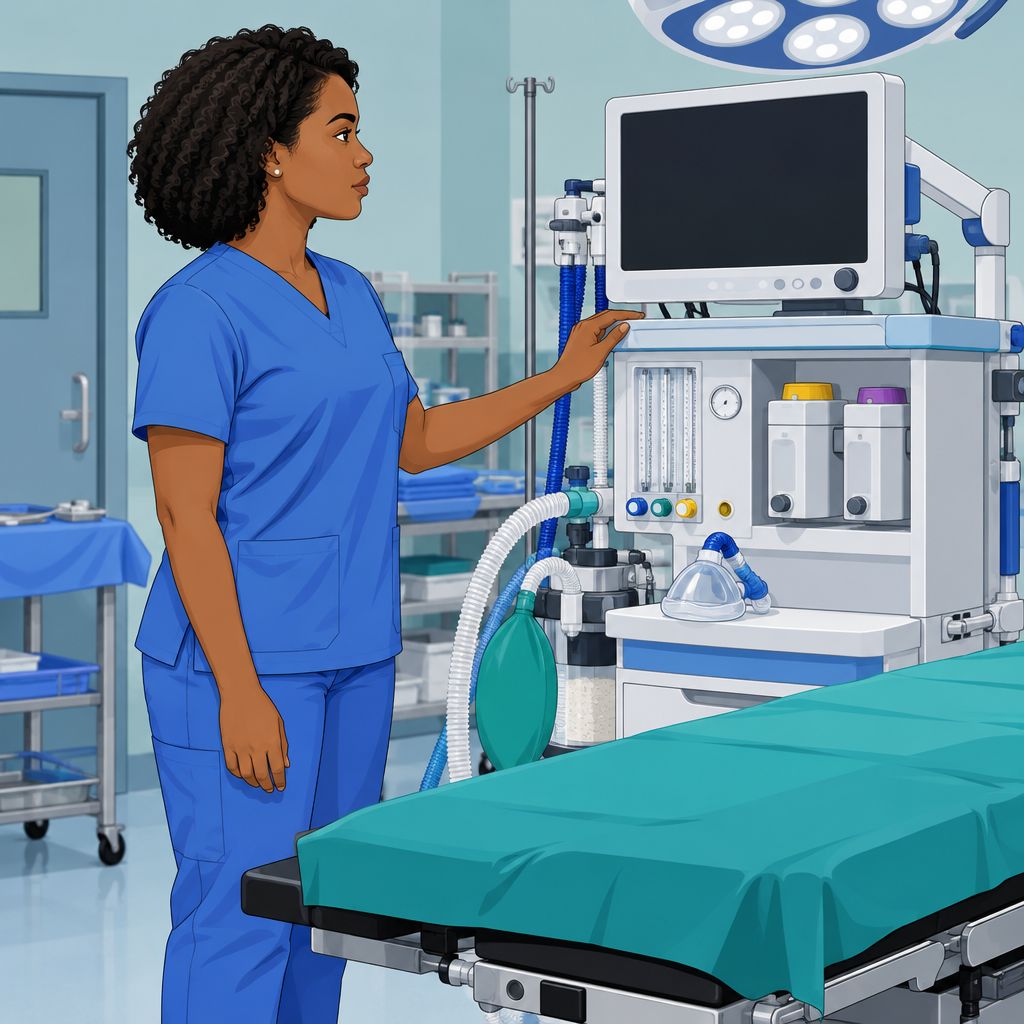
Hospitals may lack essential medications and reliable anaesthesia equipment.
Outdated or malfunctioning machines can make it harder for anaesthesiologists to deliver appropriate care.
Consequently, limited resources can restrict their ability to respond safely to patient needs.
Staff Shortages
Nigerian hospitals often have too few qualified anaesthesiologists.
As a result, existing staff may manage excessive workloads and experience burnout.
Staff shortages can also delay care and reduce the quality of services patients receive.
Limited Training Opportunities
Many anaesthesiologists face obstacles when seeking further education and professional training.
Limited development opportunities can prevent them from staying current with techniques and advancements.
Therefore, hospitals need to support ongoing learning so specialists can provide the best possible care.
Support for Anaesthesia Services
Addressing these challenges requires healthcare facilities and policymakers to provide necessary support and resources.
Such action can help anaesthesiologists perform their roles effectively and safely.
It can also strengthen the quality and timeliness of care available to patients.
Learn More: Choosing the Right ENT Surgeon in Nigeria
How Anaesthesiologists Improve Patient Outcomes
Skilled anaesthesiologists help prevent complications during surgical procedures.
They select suitable anaesthesia types and dosages for each patient’s needs.
Furthermore, they maintain patient stability by monitoring vital signs throughout surgery.
- They adjust anaesthesia levels when necessary to help prevent adverse events.
- They keep patients adequately sedated and free from pain during procedures.
After surgery, anaesthesiologists manage pain to support a faster recovery.
Through personalized attention, they also reduce anxiety and improve the patient experience.
Uncover the Details: Role of Simulation Labs in Nigerian Medical Training
Collaboration Across Hospital Teams
Anaesthesiologists collaborate with healthcare professionals to coordinate patient care in Nigerian hospitals.
This cooperation supports coordinated decisions before, during, and after surgical procedures.
It also connects perioperative decisions with broader hospital services.
Coordinating Care With Clinical Colleagues
Anaesthesiologists work closely with surgeons to protect patient safety and comfort during operations.
They collaborate with nurses who monitor patients before, during, and after surgery.
They also coordinate with radiologists and laboratory technicians to support comprehensive care.
- Anaesthesiologists work closely with surgeons during surgical procedures.
- Nurses help monitor patients before, during, and after surgery.
- Radiologists and laboratory technicians contribute to comprehensive patient care.
- Pharmacists support proper medication administration for pain management and sedation.
Communication and Teamwork in Operating Rooms
Clear communication helps operating room teams protect patients during surgical procedures.
Teamwork improves coordination and supports better patient outcomes.
Additionally, anaesthesiologists anticipate colleagues’ needs and respond promptly to patient changes.
- Clear communication supports patient safety among operating room team members.
- Teamwork promotes smooth coordination during surgical procedures.
- Anticipating surgeons’ needs can improve operating room efficiency.
- Nursing collaboration helps teams address patient changes promptly.
You Might Also Like: How Physiotherapy Helps Nigerian Stroke Patients
Recent Advances in Nigerian Anaesthesiology
Recent advances have expanded anaesthesiology practice in Nigeria.
These developments combine updated techniques, technology, medicines, and equipment.
Consequently, anaesthesiologists can adapt anaesthesia plans to individual patient needs.
New Techniques and Technology in Anaesthesia
Continuous improvements in anaesthesia techniques support better patient outcomes.
Regional techniques, including nerve blocks, have become more common.
Ultrasound guidance improves precision and safety during anaesthesia procedures.
- Continuous advancements in anaesthesia techniques have improved patient outcomes.
- Regional anaesthesia techniques, such as nerve blocks, have become more common.
- Ultrasound-guided anaesthesia enhances precision and safety during procedures.
- New drugs and equipment support better pain management and patient monitoring.
- Anaesthesiologists can tailor anaesthesia plans to individual patient needs.
Training Opportunities for Anaesthesiologists
Specialized training programs and workshops help anaesthesiologists strengthen their professional skills.
Continuing medical education keeps practitioners informed about recent developments.
Further opportunities support specialization, knowledge exchange, and practical preparation.
- Specialized training programs and workshops enhance skills and professional knowledge.
- Continuing medical education courses help anaesthesiologists stay current.
- Fellowship programs support further specialization in specific anaesthesia fields.
- International conferences and collaborations encourage knowledge exchange and professional networking.
- Simulation training lets anaesthesiologists practise complex scenarios in controlled environments.
These advances improve patient care and strengthen the quality of anaesthesia services in Nigeria.
Strengthening Anaesthesia Services in Nigerian Hospitals
Anaesthesiologists play a critical role in Nigerian hospitals by providing safe, effective care during surgery.
They ensure patient comfort, monitor vital signs, and manage pain during and after procedures.
Moreover, anaesthesiologists remain essential members of the healthcare team.
Continued support and adequate resources are important for these healthcare professionals.
By investing in training, equipment, and research, Nigerian hospitals can improve patient outcomes and healthcare quality.
Anaesthesiologists help ensure safe, efficient, and successful surgeries for patients in need.
Consequently, Nigerian hospitals should value and prioritize anaesthesiologists to strengthen healthcare delivery.
Additional Resources
Google search results for Role of Anaesthesiologists in Nigerian Hospitals Medical
Bing search results for Role of Anaesthesiologists in Nigerian Hospitals Medical


