




Introduction
In Nigeria, physiotherapy plays a crucial role in stroke rehabilitation.
It helps stroke patients restore mobility and independence after a stroke.
This post discusses physiotherapy’s benefits for Nigerian stroke patients.
It also explains why physiotherapy remains essential during their recovery journey.
The Prevalence of Stroke in Nigeria
Nigeria reports thousands of stroke cases annually.
Stroke remains a major cause of death and disability across the country.
Meanwhile, hypertension, diabetes, and lifestyle choices increase stroke risk among Nigerians.
Factors Behind Stroke’s High Incidence
Urbanization has changed daily routines and contributed to growing stroke risks.
Changing lifestyles also expose more people to factors associated with stroke.
Furthermore, limited awareness prevents some people from recognizing stroke symptoms and risk factors quickly.
- Stroke causes substantial mortality and morbidity in Nigeria.
- Urbanization and lifestyle changes have increased stroke-related risks.
- Limited awareness contributes to the country’s high stroke incidence.
Rehabilitation Needs for Stroke Survivors
Stroke survivors often face significant challenges after leaving acute medical care.
They may need support while recovering movement and rebuilding everyday independence.
Effective rehabilitation can improve recovery and strengthen survivors’ quality of life.
Physiotherapy’s Role in Stroke Recovery
Physiotherapy forms an important part of stroke rehabilitation in Nigeria.
It helps survivors restore movement, build strength, and improve physical function.
Additionally, physiotherapists create exercise programs that address each patient’s specific needs.
- Stretching can support movement recovery after stroke.
- Strengthening exercises help patients improve physical capacity.
- Balance training helps survivors relearn essential movement skills.
- Physiotherapy can prevent secondary complications and promote overall well-being.
Physiotherapy in Stroke Rehabilitation
Physiotherapy supports stroke rehabilitation by targeting movement, function, and independence.
In Nigeria, physiotherapists work with stroke patients as members of the healthcare team.
They help patients regain mobility, strength, and daily function through personalized rehabilitation.
Benefits of Physiotherapy for Stroke Patients
These benefits can support recovery and help patients manage physical challenges after stroke.
Treatment may improve movement while addressing balance, coordination, strength, endurance, and pain.
Additionally, physiotherapy can help prevent secondary complications during rehabilitation.
- Improved motor function
- Enhanced balance and coordination
- Increased strength and endurance
- Pain management
- Prevention of secondary complications
Ways Physiotherapists Help Patients
Physiotherapists tailor treatment to each patient’s needs and functional goals.
Moreover, they combine exercises, hands-on care, equipment guidance, and education.
This approach helps patients practice skills safely during therapy and at home.
- Customized exercise programs
- Manual therapy techniques
- Adaptive equipment recommendations
- Supportive devices for mobility
- Education on self-care and home exercises
Importance of Early Intervention and Ongoing Therapy
Early intervention and ongoing therapy can influence a patient’s long-term recovery.
Therapists provide personalized support throughout the rehabilitation journey.
Consistent care also addresses movement limitations and promotes safer daily activities.
- Prevention of muscle atrophy and contractures
- Improved range of motion and flexibility
- Enhanced quality of life
- Reduced risk of falls and other injuries
- Empowerment and independence for the patient
Independence and Quality of Life
Physiotherapy remains a vital part of stroke rehabilitation in Nigeria.
It addresses physical and functional impairments caused by stroke.
Through continued support, physiotherapists help stroke survivors regain independence and improve quality of life.
Discover More: Choosing the Right Material for Dental Restorations
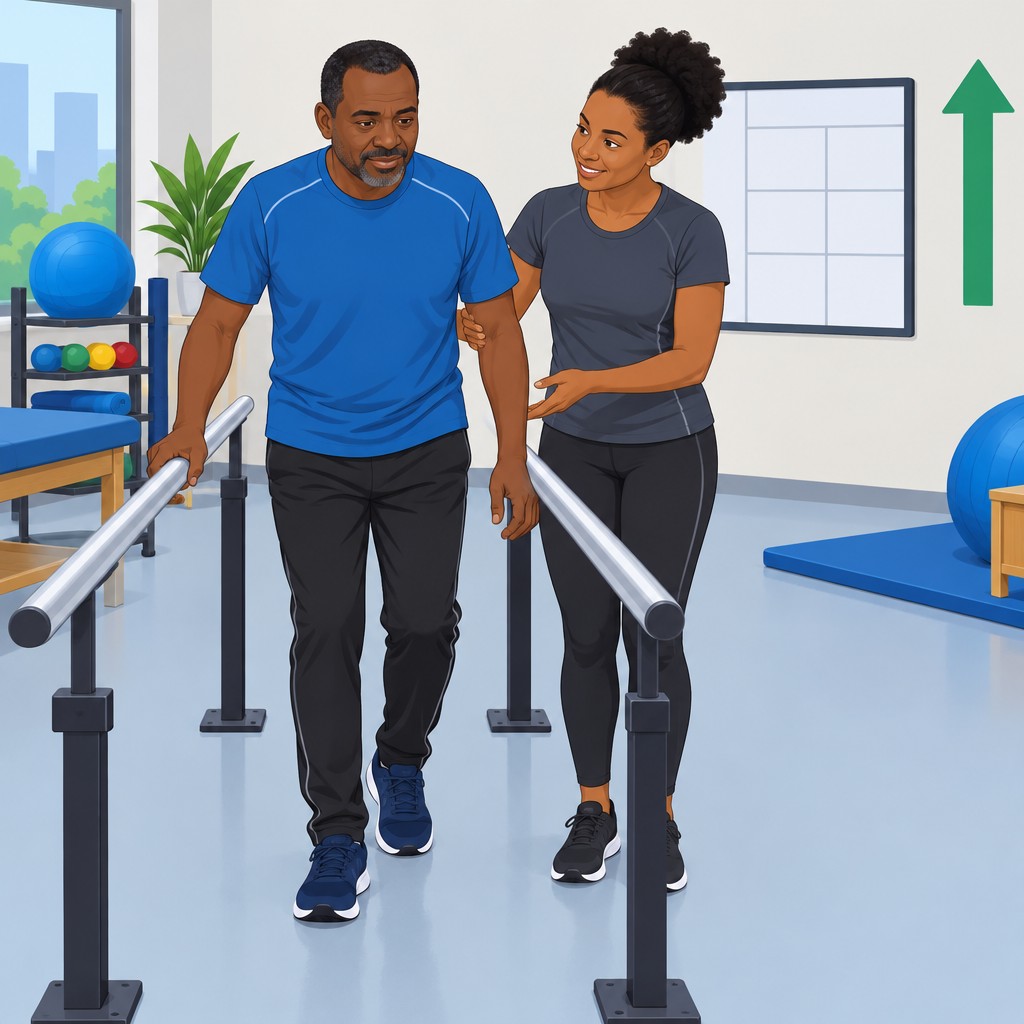
Challenges Faced by Stroke Patients in Nigeria
Stroke survivors in Nigeria face major obstacles when they seek healthcare services.
These barriers can delay recovery and reduce quality of life.
Several factors contribute, including limited resources, trained professionals, and rehabilitation facilities.
Obstacles to Accessing Healthcare Services
Many patients struggle to obtain timely and appropriate stroke care.
Limited awareness can delay recognition of symptoms and treatment decisions.
Additionally, rural infrastructure and travel distances restrict access to specialized services.
- Many people lack awareness of stroke symptoms and available treatment options.
- Rural areas often lack adequate healthcare infrastructure for specialized stroke services.
- High healthcare costs can limit access to medication, rehabilitation, and follow-up appointments.
- Long travel distances create additional difficulties for people living in remote areas.
- Nigeria has limited access to stroke specialists and dedicated rehabilitation centers.
Gaps in Resources, Training, and Rehabilitation Facilities
Healthcare facilities often lack the equipment and technology needed for stroke diagnosis and treatment.
Insufficient funding also limits stroke research, professional education, and community outreach.
Transform Your Career with Expert Guidance
Get personalized mentorship consulting that’s tailored to your unique path. Our expert advice is actionable and exclusive.
Get StartedFurthermore, healthcare workers may lack specialized training in stroke management and rehabilitation.
- Medical facilities may lack equipment and technology for stroke diagnosis and treatment.
- Limited funding restricts stroke research, education, and outreach programs.
- Training programs for stroke care and rehabilitation remain insufficient.
- Some healthcare facilities lack standardized protocols for managing stroke patients.
- Survivors may receive limited counseling, caregiver training, and ongoing support.
Effects on Recovery and Quality of Life
These barriers can delay diagnosis, limit treatment quality, and worsen recovery outcomes.
Patients may experience prolonged disability, recurrent strokes, and reduced well-being.
Furthermore, limited rehabilitation services can increase dependence on caregivers.
Nigeria can improve stroke care by strengthening infrastructure, funding research, and expanding professional training.
Healthcare facilities also need standardized management protocols and stronger survivor support systems.
Moreover, awareness programs can encourage earlier treatment and help families understand rehabilitation needs.
Prioritizing these services can improve access to timely and effective care for stroke survivors.
See Related Content: Importance of Early Childhood Care in Nigeria
The Impact of Physiotherapy on Nigerian Stroke Patients
Physiotherapy supports recovery for Nigerian stroke patients.
It can improve movement, strength, balance, and independence after a stroke.
This section describes patient progress, functional improvements, and coordinated rehabilitation.
A Stroke Survivor’s Progress Through Physiotherapy
A 55-year-old Nigerian man experienced a stroke that caused hemiparesis.
The condition affected his walking and ability to perform daily tasks.
After physiotherapy, he improved his mobility, balance, and strength.
- He regained greater independence in his daily activities.
- Physiotherapy helped him rebuild confidence and improve his quality of life.
- He resumed social activities and returned to work.
Functional Improvements Linked to Physiotherapy
Gait training, strengthening, and range-of-motion exercises can improve walking ability.
These interventions can also reduce muscle stiffness after a stroke.
Regular sessions may enhance balance, coordination, and endurance.
- Improved endurance can help patients complete daily tasks more effectively.
- Physiotherapy can help manage spasticity and reduce pain.
- Treatment can help prevent contractures after a stroke.
Multidisciplinary Stroke Rehabilitation
Stroke rehabilitation benefits from coordinated care by several healthcare professionals.
Physiotherapists address physical function, mobility, and strength.
Other specialists support self-care, communication, swallowing, and emotional wellbeing.
- Occupational therapists help patients relearn self-care skills and adapt to their surroundings.
- Speech therapists address communication difficulties and swallowing problems.
- Psychologists help patients manage emotional challenges and mental health concerns.
Integrated care can strengthen recovery and maximize each patient’s potential for independence.
Explore Further: Innovations in Anatomical Pathology Nigeria
Improving Access to Physiotherapy Services
Several practical strategies can improve access to physiotherapy for stroke survivors across Nigeria.
These strategies should address geographic barriers, limited services, and difficulties reaching healthcare facilities.
Therefore, providers can combine facility expansion, mobile services, telemedicine, and community outreach.
- Increased accessibility: Healthcare providers should establish more physiotherapy centers in urban and rural areas.
- Mobile physiotherapy units: Mobile teams can visit remote communities and serve patients who cannot travel easily.
- Telemedicine: Virtual consultations and remote monitoring can support patients who cannot reach therapy centers.
- Community outreach programs: Outreach activities can explain physiotherapy benefits and encourage early, consistent rehabilitation.
Increasing Awareness of Physiotherapy Benefits
Awareness can help stroke survivors and caregivers recognize physiotherapy’s value during recovery.
Furthermore, clear information can encourage early intervention and continued participation in rehabilitation.
Healthcare professionals, support groups, and online communities can share practical rehabilitation information.
- Educational workshops: Workshops can explain useful exercises, techniques, and interventions for stroke survivors.
- Support group collaboration: Physiotherapists can work with stroke support groups to reach wider audiences.
- Social media campaigns: Informative posts and recovery stories can promote physiotherapy and encourage service use.
Strengthening Funding, Training, and Infrastructure
Physiotherapy services require reliable funding, skilled professionals, and suitable rehabilitation facilities.
Advocates can present physiotherapy’s benefits when requesting stronger support for stroke rehabilitation programs.
In addition, professional development and facility improvements can strengthen the quality of available care.
- Government advocacy: Stakeholders can request budget allocations for physiotherapy and stroke rehabilitation services.
- Professional development: Training can improve physiotherapists’ knowledge and skills in stroke rehabilitation.
- Infrastructure development: Upgraded facilities, technology, and equipment can support effective rehabilitation services.
Learn More: Scope of Practice for Dental Therapists in Nigeria
Physiotherapy Supports Stroke Recovery and Community Reintegration
Physiotherapy helps Nigerian stroke patients recover and regain independence.
Through targeted exercises and interventions, physiotherapists help patients improve motor function and balance.
These improvements can enhance patients’ overall quality of life.
Recognizing physiotherapy’s value remains crucial during stroke rehabilitation.
By restoring mobility and function, physiotherapy helps individuals rebuild their lives and rejoin society.
Therefore, readers should spread awareness about physiotherapy’s benefits for stroke patients in Nigeria.
Supporting initiatives that expand access can help more survivors receive needed care and thrive.
Additional Resources
Google search results for How Physiotherapy Helps Nigerian Stroke Patients Medical
Bing search results for How Physiotherapy Helps Nigerian Stroke Patients Medical


