




Prosthetics and Orthopaedic Technology in Nigeria
Prosthesis and orthopaedic technology in Nigeria play crucial roles in improving quality of life.
These disciplines support healthcare by addressing physical disabilities and musculoskeletal issues.
Over the years, prosthetics and orthopaedic technology in Nigeria have experienced remarkable growth and development.
Moreover, technological advances and increased awareness have expanded access to these services.
Consequently, more individuals can improve their mobility and overall well-being.
History of Prosthesis and Orthopaedic Technology in Nigeria
- Prosthesis and orthopaedic technology in Nigeria have evolved significantly over the years.
- Previously, limited resources and expertise slowed progress in these fields.
- However, specialized centers have marked important milestones in their development.
- Additionally, international partners have helped shape these disciplines through collaboration.
- Finally, technological advances and training programs have supported continued growth.
Current State of Prosthetic and Orthopaedic Technology in Nigeria
Prosthetic and orthopaedic technology in Nigeria continues to develop, although major gaps remain.
Growing awareness highlights how prosthetic devices can improve amputees’ quality of life.
Access remains uneven because costs, distribution difficulties, and limited facilities restrict availability.
Access to Prosthetic Devices
Many amputees still use crude or outdated devices that limit mobility and daily activities.
However, more people recognize the value of suitable prosthetic support.
Rural and underserved communities often face the greatest access barriers.
- Device costs continue to restrict access for many amputees.
- Distribution challenges make suitable prosthetic devices difficult to obtain.
- Limited facilities reduce the availability of proper prosthetic care.
Resources, Facilities, and Professional Expertise
Nigeria has too few well-equipped orthopaedic hospitals and clinics, particularly in rural areas.
Imported materials and components increase costs and delay device acquisition.
Orthopaedic surgeons and technicians need more training in advanced prosthetic technology.
- Specialized facilities remain insufficient across many Nigerian communities.
- Imported prosthetic components contribute to higher patient expenses.
- Limited expertise can reduce access to advanced prosthetic solutions.
Recent Innovations and Technical Progress
Nigerian researchers and innovators are developing more affordable, locally made prosthetic devices.
Meanwhile, 3D printing supports customized prosthetic limbs and may reduce production delays.
International collaborations have introduced new technologies and techniques to Nigeria.
- Local development efforts focus on affordable prosthetic devices.
- 3D printing enables customized prosthetic limb production.
- International partnerships support technology and skills development.
These developments show progress within Nigeria’s prosthetic and orthopaedic technology sector.
Nevertheless, improved accessibility and affordability remain essential for wider patient support.
Continued investment, professional training, and innovation can strengthen outcomes for amputees.
You Might Also Like: Residency Programs for Surgeons in Nigeria: What to Expect
Training and Education Pathways in Nigeria
Nigeria offers several pathways for people interested in prosthetics and orthopaedic technology.
These pathways include specialized programs, vocational training, technical schools, and some universities.
Students can prepare for careers focused on prosthetics, orthotics, or both disciplines.
Specialized Training Programs
Specialized programs combine theoretical coursework with practical experience.
Students study anatomy, biomechanics, materials science, and technologies used in prosthetic devices.
They also develop knowledge relevant to orthopaedic devices and patient support.
- Technical schools may offer training in prosthetics and orthopaedics.
- Vocational centers can provide practical instruction for people entering the field.
- Some universities offer educational opportunities related to prosthetics and orthotics.
- Programs may focus on prosthetics, orthotics, or both areas.
- Coursework typically includes anatomy, biomechanics, and materials science.
- Hands-on practice helps students apply concepts to prosthetic and orthopaedic devices.
Qualifications and Professional Certification
People entering this field generally need a high school diploma or an equivalent qualification.
They must also complete formal training in prosthetics, orthopaedics, or both areas.
Professional development helps practitioners remain informed about changing technologies and accepted practices.
- A high school diploma or equivalent qualification commonly supports entry into training.
- Formal education provides the technical foundation required for professional practice.
- Recognized organizations may administer certification examinations.
- Certification examinations can demonstrate a professional’s competence.
- Continuing education supports ongoing professional development.
Challenges Affecting Education and Workforce Development
Training opportunities exist, but Nigeria still has important gaps in prosthetic and orthopaedic education.
Few institutions offer accredited programs, which limits the number of qualified professionals.
Some curricula may also require updates to reflect technological advances and current professional practices.
- Limited accredited institutions restrict access to specialized education.
- A shortage of qualified professionals can reduce access to needed services.
- Existing curricula may not fully reflect recent developments in technology.
- International collaborations can support improvements in training programs.
- New educational programs could help address workforce shortages.
- Greater awareness can highlight the importance of prosthetic and orthopaedic care.
Expanding quality training can improve access to prosthetic and orthopaedic services for people who need them.
See Related Content: Common Obstetric Procedures in Nigerian Hospitals
Availability and Affordability of Prosthetic Devices
Access to prosthetic devices differs across Nigeria, with major cities generally offering better services than rural areas.
Patients often face high device costs because insurance coverage rarely supports prosthetic care.
Limited government funding further prevents many patients from obtaining necessary devices.
- Major cities provide better access to prosthetic devices than rural communities.
- High device costs create serious affordability challenges for many patients.
- Insurance programs often exclude prosthetic devices and related services.
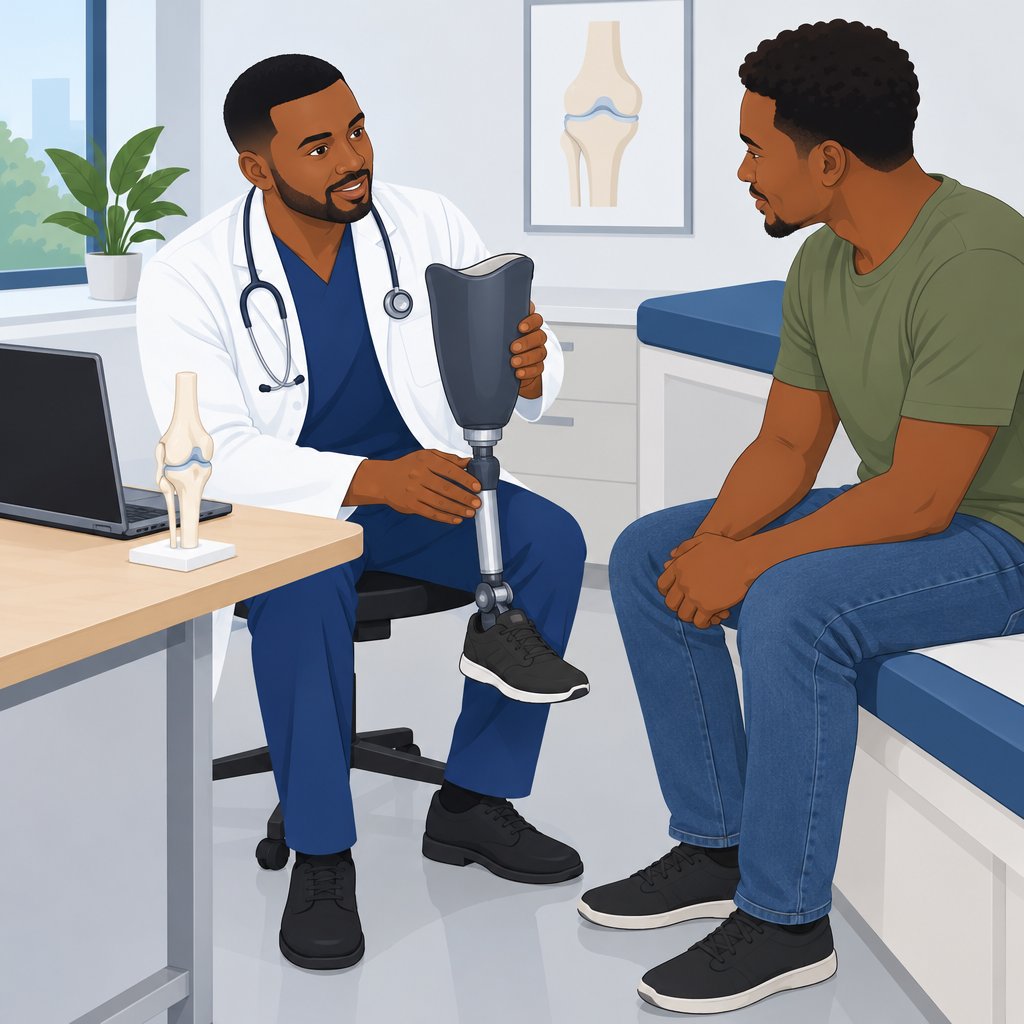
Challenges Affecting Access to Orthopaedic Technology
Many communities lack specialized facilities that provide prosthetic services.
Patients also encounter shortages of trained professionals who can deliver appropriate care.
Transform Your Career with Expert Guidance
Get personalized mentorship consulting that’s tailored to your unique path. Our expert advice is actionable and exclusive.
Get StartedFurthermore, stigma and limited public awareness discourage people from seeking rehabilitation support.
- Specialized healthcare facilities remain limited in many areas.
- Shortages of trained professionals restrict access to prosthetic treatment.
- Stigma and discrimination make it harder for individuals with disabilities to seek help.
- Limited awareness reduces understanding of prosthetics and orthopaedic technology.
Programs Expanding Prosthetic and Orthopaedic Services
Several initiatives now aim to improve access to prosthetic and orthopaedic services.
Non-profit organizations provide free or low-cost devices to people who need support.
Government partnerships and community outreach also strengthen training, infrastructure, and public understanding.
- Organizations such as the Mobility Aid Foundation provide free or low-cost prosthetic devices.
- Government partnerships with international agencies support professional training and service infrastructure.
- Community programs educate the public and help reduce disability-related stigma.
Cost, uneven availability, and stigma still limit access to quality prosthetic services across Nigeria.
Continued cooperation among government agencies, healthcare professionals, and communities can address these barriers.
Improved access would help more Nigerians achieve better mobility and participate in daily life.
Discover More: Government Policies on Orthopaedic Tech in Nigeria
Success Stories and Impact of Prosthetic and Orthopaedic Technology in Nigeria
Numerous inspiring stories show how prosthetic and orthopaedic technology benefits individuals across Nigeria.
For example, a young athlete continued his career after receiving a high-quality prosthetic following an accident.
These interventions help patients regain mobility, independence, and participation in daily activities.
- Patients often experience an improved quality of life after receiving prostheses and orthopaedic technology.
- Communities benefit when individuals contribute to society and remain active community members.
- Nigerian innovators have developed locally made prosthetic limbs.
- This innovation increases access for individuals who cannot afford imported devices.
Explore Further: How to Become a Radiographer in Nigeria
Future Priorities for Prosthetic and Orthopaedic Care
Prosthetic and orthopaedic technology can strengthen healthcare delivery for people living with physical disabilities in Nigeria.
These fields help patients regain mobility, increase independence, and participate more fully in daily life.
Furthermore, orthopaedic devices support rehabilitation after injuries or surgical procedures.
However, many patients still face limited access, high costs, and insufficient technical support.
Healthcare planners should therefore strengthen investment in research, equipment, and professional development.
Such investment can encourage practical innovation and help facilities adopt appropriate technologies.
Research can also identify solutions that respond to local healthcare needs and available resources.
Meanwhile, sustained support can improve services and expand opportunities for patients requiring prosthetic interventions.
By prioritizing these disciplines, Nigeria can improve patient care and strengthen rehabilitation outcomes.
Continued support can help maintain progress in prosthetic and orthopaedic technology.
These improvements can contribute to a more responsive healthcare system and better patient experiences.
Additional Resources
Google search results for Overview of Prosthesis and Orthopaedic Tech in Nigeria Medical
Bing search results for Overview of Prosthesis and Orthopaedic Tech in Nigeria Medical


