




Future Prospects for Orthopaedic Technology in Nigeria
Orthopaedic technology in Nigeria continues to evolve through advances in prosthetics and orthotics.
However, limited access still restricts the benefits these technologies can provide.
As awareness of mobility and rehabilitation grows, demand for innovative solutions continues to increase.
Furthermore, 3D printing and materials science could transform orthopaedic technology.
These advances may make custom-fit, affordable prosthetics available to more people.
Telemedicine and digital health platforms could also connect remote patients with orthopaedic specialists.
Meanwhile, local universities, research institutions, and international organizations can strengthen innovation through collaboration.
A supportive ecosystem for entrepreneurship and research can encourage homegrown solutions.
Those solutions can address challenges specific to Nigeria.
Consequently, orthopaedic technology could improve quality of life for people with musculoskeletal disabilities.
By combining technology and collaboration, Nigeria can achieve significant progress in this field.
Current Challenges in Orthopaedic Technology in Nigeria
- Limited access to advanced orthopaedic technology
- Shortage of skilled orthopaedic professionals
- Insufficient research and development funding
- Inadequate infrastructure for orthopaedic care
Addressing these challenges remains crucial for Nigeria’s orthopaedic technology prospects.
First, limited access to advanced equipment restricts the quality of orthopaedic care available to patients.
Without modern tools, healthcare providers cannot consistently deliver the best possible treatment.
Furthermore, Nigeria lacks enough professionals with specialized orthopaedic knowledge and expertise.
Consequently, some patients may not receive the quality care they deserve.
Research and development also require stronger financial support to encourage innovation and improve treatment.
Meanwhile, inadequate infrastructure makes orthopaedic services more difficult to provide effectively.
Potential Solutions for Orthopaedic Technology
Several measures could help Nigeria strengthen orthopaedic technology and improve patient care.
- Increase healthcare infrastructure investment to expand access to advanced orthopaedic technology.
- Implement specialized training programs to strengthen orthopaedic professionals’ skills.
- Allocate additional funding for orthopaedic technology research and development.
- Upgrade healthcare facilities to create more suitable environments for orthopaedic care.
Better equipment would help providers address orthopaedic conditions more effectively.
Likewise, specialized training would expand the skilled workforce available to patients.
Increased research funding could support innovation and improve orthopaedic treatment approaches.
Finally, upgraded facilities would create more supportive conditions for delivering orthopaedic care.
Potential Growth Areas for Orthopaedic Technology in Nigeria
Nigeria’s orthopaedic technology sector has several opportunities for future development.
Growing healthcare needs can increase demand for orthopaedic services across the country.
Additionally, partnerships, innovation, and government investment can support sector growth.
Increasing Demand for Orthopaedic Services
Nigeria’s population is rapidly growing, which increases demand for healthcare services.
As healthcare needs rise, more people may require orthopaedic care.
Therefore, providers can respond by expanding orthopaedic services and related technology.
Collaboration with International Organizations and Companies
International collaboration can strengthen Nigeria’s orthopaedic technology sector.
Such partnerships can provide access to advanced technology and professional expertise.
Furthermore, shared knowledge can support improvements in orthopaedic care.
Development of Locally Made Orthopaedic Technology
Nigerian innovators have opportunities to create orthopaedic technology locally.
Local development can address needs using available resources and practical approaches.
Moreover, tailored solutions can support the country’s orthopaedic care requirements.
Government Support for Healthcare Infrastructure
The Nigerian government is investing in healthcare infrastructure and services.
These initiatives can create stronger conditions for orthopaedic technology development.
As infrastructure improves, orthopaedic providers can gain greater support for delivering care.
You Might Also Like: Scholarships for Nigerian Medical Students: Top Sources
Training and Education Opportunities in Orthopaedic Technology
Nigeria offers several training opportunities for aspiring orthopaedic technicians and professionals.
Transform Your Career with Expert Guidance
Get personalized mentorship consulting that’s tailored to your unique path. Our expert advice is actionable and exclusive.
Get StartedThese opportunities combine classroom instruction with practical experience in clinical environments.
Professional development also helps practitioners maintain current skills and improve patient care.
Existing Training Programs for Orthopaedic Technicians
Hospitals, vocational schools, and technical colleges currently provide orthopaedic technology training programs in Nigeria.
Students learn essential scientific knowledge before applying techniques during supervised clinical practice.
Many programs award certifications or diplomas that support employment in orthopaedic technology.
- Training institutions include hospitals, vocational schools, and technical colleges.
- Coursework covers anatomy, physiology, and medical terminology.
- Students study orthopaedic techniques, prosthetics, and orthotics.
- Programs also teach rehabilitation principles.
- Practical sessions take place in orthopaedic clinics and hospitals.
- Students gain hands-on experience through clinical training.
- Many programs provide certificates or diplomas after completion.
- Some programs prepare students for professional certification examinations.
Continuous Education and Professional Development
Continuous education keeps orthopaedic technicians informed about new technologies, treatments, and professional techniques.
Practitioners can strengthen their abilities, broaden their knowledge, and improve patient care through further learning.
Professional development can also support career advancement and increase job satisfaction.
- Practitioners can attend workshops, seminars, and conferences.
- Online courses provide additional opportunities for continuing education.
- Advanced certifications can expand professional knowledge and skills.
- Research participation offers another professional development pathway.
- Leadership roles within healthcare organizations can strengthen professional experience.
Ways to Attract Young People to Orthopaedic Technology
Career awareness can show young people the rewarding opportunities available in orthopaedic technology.
Schools and healthcare organizations can introduce students to the field through targeted outreach activities.
Practical support can make orthopaedic technology education more accessible and engaging for aspiring technicians.
- School career fairs can highlight orthopaedic technology career opportunities.
- Informational sessions can explain the field to interested students.
- Outreach programs can increase awareness among young people.
- Scholarships can provide financial support for aspiring orthopaedic technicians.
- Internships can provide hands-on experience and field exposure.
- Mentorship programs can guide students during their training.
- Educational institutions can develop programs suited to young people’s interests.
- Modern teaching methods can make learning more engaging and relevant.
- Industry partnerships can strengthen practical training opportunities.
Gain More Insights: Common Mental Health Disorders Among Nigerians
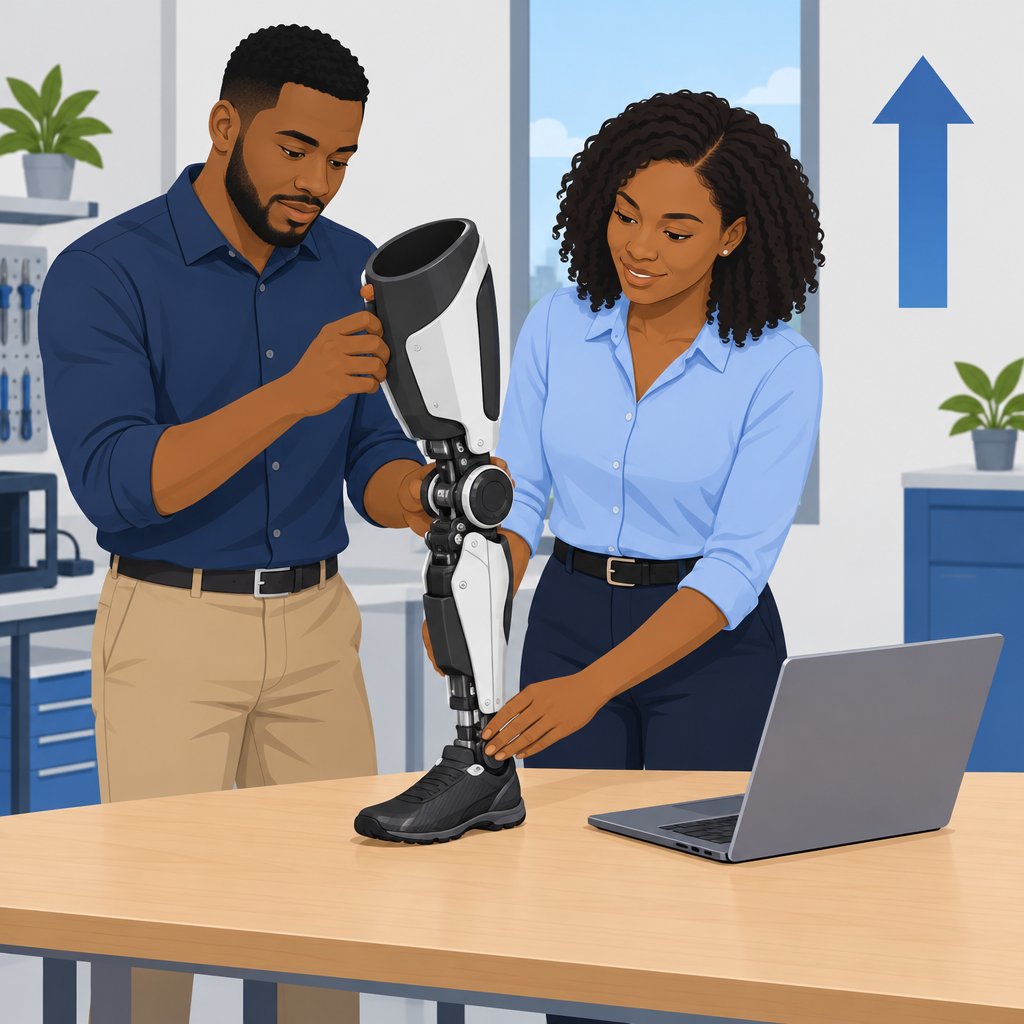
Government Policy and Orthopaedic Technology
Government policies directly influence orthopaedic technology growth and development in Nigeria.
Supportive policies can encourage innovation, improve services, and expand access for patients.
Therefore, policymakers should coordinate investment, research, infrastructure, and professional development.
- Tax incentives can encourage orthopaedic technology companies to develop innovative solutions.
- Subsidies can reduce financial barriers affecting orthopaedic technology development.
- Research funding can support discoveries and advancements in orthopaedic technology.
- Infrastructure development can improve access to orthopaedic technology services.
- Training support can strengthen the quality of orthopaedic care.
Regulatory Standards and Patient Safety
Regulatory bodies help ensure that orthopaedic devices and procedures remain safe and effective.
They establish requirements for manufacturing, professional practice, and facility operations.
Additionally, effective oversight protects patients while supporting confidence in orthopaedic services.
- Quality standards guide the manufacture and use of orthopaedic devices.
- Certification requirements support consistent standards among professionals and facilities.
- Monitoring activities identify regulatory gaps and encourage compliance.
- Enforcement measures help protect patients from unsafe practices.
- Continuing education keeps professionals informed about technological advancements.
Government Support for Sector Development
The government can actively promote orthopaedic technology through coordinated financial and institutional support.
Collaboration with industry stakeholders can connect public priorities with practical technological development.
Furthermore, targeted support can help promising ideas progress toward useful orthopaedic solutions.
- Public funding can strengthen research and development activities.
- Industry partnerships can foster innovation and support sector growth.
- Grants can help orthopaedic technology startups develop new solutions.
- Funding opportunities can encourage private participation in innovation.
- Simplified approval processes can accelerate device availability.
Policy Priorities for Future Progress
Government and regulatory bodies will remain central to orthopaedic technology development in Nigeria.
Clear standards can promote safety, while supportive policies can encourage responsible innovation.
Together, these measures can strengthen the orthopaedic technology sector and improve healthcare delivery.
Find Out More: Top Physiotherapy Exercises for Nigerians
Challenges Affecting Orthopaedic Technology in Nigeria
- Limited resources
- Infrastructure challenges
- Resistance to change
In Nigeria, orthopaedic technology faces several obstacles that hinder its growth and development.
Limited resources make it difficult for healthcare facilities to acquire modern equipment and tools.
These shortages also restrict professional training and contribute to fewer qualified orthopaedic specialists.
In addition, infrastructure challenges limit complex orthopaedic procedures in many healthcare facilities.
Many facilities lack the equipment and suitable spaces required for advanced surgery.
Consequently, patients receive fewer treatment options, while providers face limits on care quality.
Resistance to change creates another barrier.
Healthcare professionals, patients, and policymakers may lack awareness, training, or understanding of new technologies.
Therefore, reluctance can delay adoption and slow progress in orthopaedic care.
Strategies for Advancing Orthopaedic Technology in Nigeria
- Investment in training and education
- Improvement of infrastructure
- Collaboration with international partners
- Public awareness campaigns
Investment in training and education can help healthcare professionals develop advanced orthopaedic skills.
Specialized programs and continuing education can strengthen staff knowledge and procedural competence.
Improved infrastructure can also expand the quality and range of orthopaedic services.
Healthcare providers can upgrade equipment, facilities, and operating rooms to support complex procedures.
These improvements can benefit patients and attract skilled orthopaedic professionals.
Furthermore, international collaboration can provide access to technologies, research, and established orthopaedic practices.
Partnerships with organizations, hospitals, and universities can support innovation within Nigerian healthcare facilities.
Public awareness campaigns can address concerns about new orthopaedic technologies.
Clear information can correct misconceptions and explain potential benefits to patients and healthcare professionals.
As awareness increases, communities and policymakers may support broader technology adoption.
Explore Further: Key Skills for Nigerian Orthopaedic Technologists
Future Priorities for Orthopaedic Technology in Nigeria
Investing in orthopaedic technology can strengthen healthcare delivery in Nigeria as orthopaedic conditions become more prevalent.
Consequently, rising demand makes innovative solutions increasingly important for patients and healthcare providers.
Stakeholders can help shape this future by staying informed and supporting responsible technology development.
Moreover, research and education should remain central to the sector’s continued growth.
Collaboration can connect relevant expertise and encourage practical improvements in orthopaedic care.
These priorities can help the sector evolve while addressing the healthcare needs of Nigerians.
Shared commitment can improve the quality of orthopaedic care for all Nigerians.
Additional Resources
Google search results for Future Prospects for Orthopaedic Tech in Nigeria Medical
Bing search results for Future Prospects for Orthopaedic Tech in Nigeria Medical


