




Key Skills for Orthopaedic Technologists in Nigeria
Orthopaedic technologists support surgeons who diagnose and treat musculoskeletal conditions.
They contribute to patient care through technical assistance and professional healthcare practices.
Several skills help them perform their responsibilities effectively within healthcare teams.
Critical Thinking
Orthopaedic technologists analyze complex situations during patient care.
They make sound decisions when treatment needs require careful consideration.
Furthermore, effective problem-solving helps them manage challenging clinical situations.
Technical Skills
Technical knowledge helps orthopaedic technologists perform their duties accurately.
They use specialized equipment, including X-ray machines and casting materials.
Proper equipment use supports the accurate delivery of orthopaedic treatments.
Communication Skills
Clear communication helps orthopaedic technologists interact effectively with patients.
They also communicate with colleagues and other healthcare professionals.
Consequently, effective communication supports successful treatment outcomes.
Attention to Detail
Orthopaedic technologists carefully review details during treatment procedures.
Accurate measurement helps them prepare and apply treatments correctly.
Careful attention also supports consistent and reliable patient care.
Teamwork
Orthopaedic technologists collaborate with surgeons during patient care.
They also work closely with nurses and other team members.
Through collaboration, healthcare teams can deliver quality patient care.
Empathy
Empathy helps orthopaedic technologists understand patients’ experiences.
They show understanding while assisting people during treatment.
This approach helps establish trust and improve the patient experience.
Adaptability
Orthopaedic technologists remain flexible when healthcare situations change.
They respond to unexpected challenges during their daily responsibilities.
Adaptability helps them continue supporting patients and healthcare teams.
Continuous Learning
Orthopaedic technologists keep learning throughout their professional careers.
They follow developments in orthopaedic technology and procedures.
Ongoing learning helps them deliver high-quality care.
Professionalism
Professionalism guides orthopaedic technologists’ conduct in healthcare settings.
They demonstrate integrity when interacting with patients and colleagues.
Ethical behavior supports respectful and responsible professional practice.
Educational Requirements
Aspiring orthopaedic technologists in Nigeria must possess a high school diploma or equivalent.
Additionally, biology and chemistry provide a strong foundation for this career.
These subjects help candidates prepare for further education in orthopaedic technology.
Relevant Degrees and Certifications
- A degree or certification in orthopaedic technology provides specialized knowledge.
- Relevant qualifications demonstrate competency and improve career opportunities.
- Certifications from recognized institutions demonstrate commitment to professional growth.
- Continuous education helps technologists stay updated with developments in the field.
Technical Skills for Orthopaedic Technologists
Technical skills help Nigerian Orthopaedic Technologists perform diagnostic and treatment duties effectively.
These professionals operate medical equipment and support orthopaedic care.
Additionally, they apply technical knowledge while assisting medical teams and patients.
- Proficiency in using medical equipment
- Knowledge of casting techniques
- X-ray interpretation skills
- Understanding of orthopaedic surgical procedures
- Ability to operate diagnostic imaging machines
Proficiency with medical equipment remains essential for effective orthopaedic support.
These technologists operate X-ray machines, MRI scanners, and ultrasound devices during diagnostic work.
Knowledge of casting techniques also supports safe patient care.
They apply and remove casts and splints according to clinical instructions.
Transform Your Career with Expert Guidance
Get personalized mentorship consulting that’s tailored to your unique path. Our expert advice is actionable and exclusive.
Get StartedProper application promotes patient comfort and supports recovery.
X-ray interpretation skills help technologists provide useful information to orthopaedic surgeons.
They review images to support diagnosis and treatment of musculoskeletal conditions.
Accurate interpretation allows the medical team to receive timely information.
Understanding orthopaedic surgical procedures prepares technologists to assist surgeons during operations.
They must recognize relevant instruments and understand the techniques used during procedures.
Moreover, they follow instructions accurately and anticipate the surgeon’s needs.
Finally, diagnostic imaging skills enable technologists to capture detailed skeletal images.
They operate MRI scanners and CT scanners when supporting orthopaedic diagnosis.
This ability assists accurate diagnosis and treatment planning.
Delve into the Subject: Research Opportunities in Nigerian Microbiology
Communication Skills
Effective communication helps orthopaedic technologists interact successfully with patients and colleagues.
It helps professionals build trust, convey information accurately, and establish positive therapeutic relationships.
Clear communication also supports patient understanding, cooperation, and confidence during treatment.
Importance of Effective Communication
- Respectful communication encourages patients to trust orthopaedic technologists.
- Clear explanations help patients understand their treatment plans and avoid misunderstandings.
- Supportive communication creates a safe environment that can aid patient recovery.
Communication Practices That Enhance Patient Care
- Clear procedure explanations help patients feel comfortable and cooperate during treatment.
- Prompt responses to concerns can reduce anxiety and improve patient satisfaction.
- Effective collaboration with colleagues supports coordinated care and better treatment outcomes.
Communication skills help orthopaedic technologists provide high-quality care and support positive patient outcomes.
They should continually hone these skills through training and practice to excel in this field.
You Might Also Like: Radiography and Radiology: Future Trends in Nigeria
Problem-Solving Skills for Orthopaedic Technologists
Orthopaedic technologists need strong problem-solving skills.
They must think quickly and make decisions under pressure for several reasons.
- Emergency situations may arise and require immediate action.
- Proper problem-solving skills can prevent complications during surgeries.
- Additionally, troubleshooting equipment issues remains crucial for efficiency.
- Quick thinking helps professionals handle unexpected patient reactions during procedures.
Orthopaedic technologists may encounter several challenging scenarios during their work.
- An unforeseen allergic reaction to medication may occur during surgery.
- A crucial piece of equipment may suddenly malfunction during a procedure.
- Positioning a patient properly may prove difficult during a complex surgical technique.
- Complications may arise while a technologist applies a cast or brace.
Strong problem-solving skills enable orthopaedic technologists to address challenging situations effectively and efficiently.
Uncover the Details: Eye Health Education: Resources for Nigerians
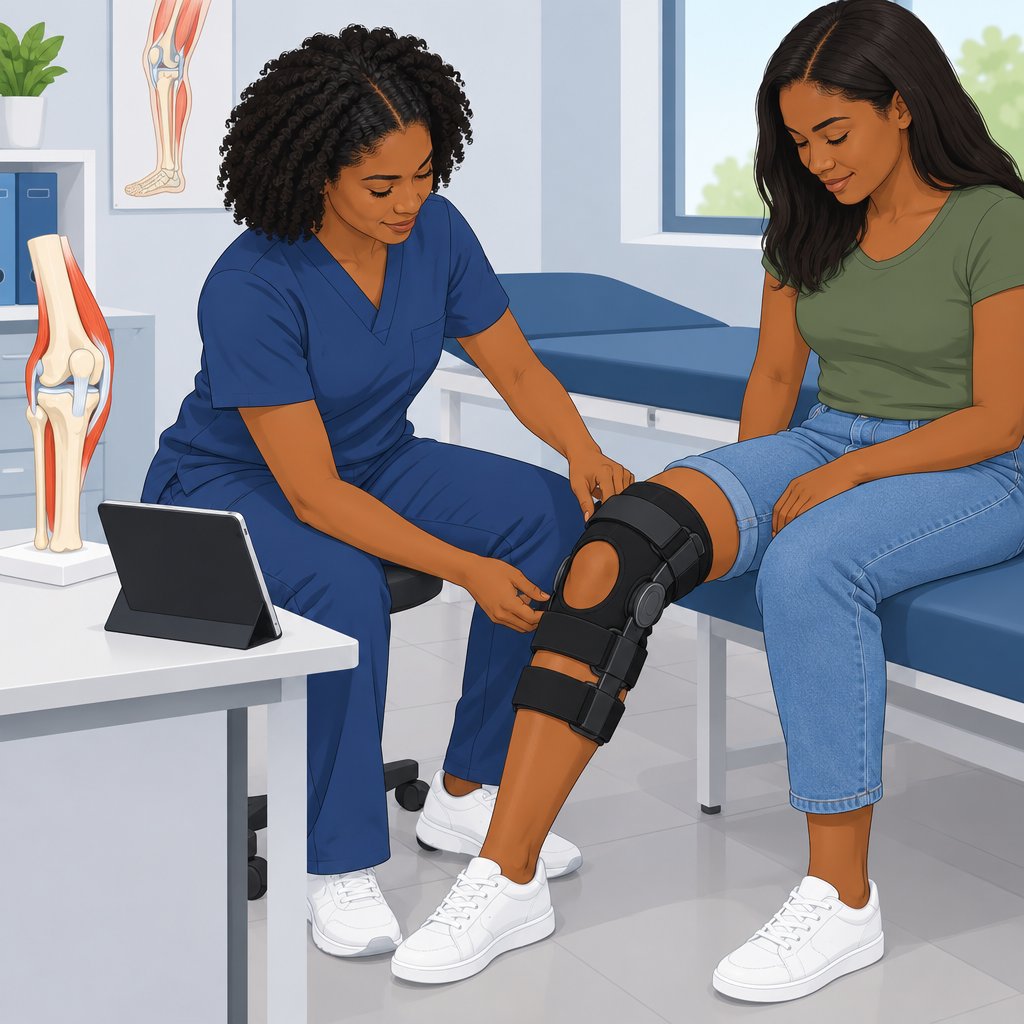
Teamwork Abilities in Orthopaedic Care
Teamwork abilities help Nigerian orthopaedic technologists support safe, coordinated patient care.
Healthcare teams include surgeons, nurses, physical therapists, and other professionals.
Therefore, technologists must cooperate effectively with colleagues throughout orthopaedic care.
Orthopaedic technologists contribute to interdisciplinary care through technical and supportive responsibilities.
They assist surgeons during procedures and help prepare operating rooms.
Additionally, they provide post-operative care and support a seamless continuum of patient care.
Several practices strengthen teamwork among Nigerian orthopaedic technologists.
- Effective communication supports coordination within healthcare teams.
- Technologists communicate clearly so colleagues can address patient needs.
- Collaboration and cooperation support successful patient outcomes.
- Team members share information and contribute to shared care responsibilities.
- Respect for colleagues helps maintain a positive work environment.
Through effective teamwork, Nigerian orthopaedic technologists strengthen coordinated care in orthopaedic settings.
Their contributions help healthcare professionals serve patients more efficiently.
Find Out More: Blood Transfusion Safety Measures in Nigeria
Attention to Detail
Orthopaedic procedures require precision and accuracy.
Errors in this field can seriously affect patients.
Therefore, detail-oriented technologists perform every step correctly.
Careful attention to small details can prevent post-surgical complications.
Additionally, orthopaedic technologists must follow protocols meticulously.
Even minor errors can cause infections or improper healing.
Maintaining focus on details remains crucial for successful outcomes.
Finally, double-checking equipment and measurements can prevent avoidable errors.
Continuing Education for Orthopaedic Technologists
Continuous education helps Nigerian Orthopaedic Technologists remain relevant in their profession.
It also supports high-quality patient care.
Because technology and procedures advance rapidly, professionals must continue learning.
Professional Development Resources and Strategies
Several activities can help technologists strengthen their knowledge and professional abilities.
Furthermore, regular learning exposes professionals to current developments in orthopaedic care.
These opportunities also encourage networking and practical skill development.
- Attend conferences and seminars to learn about current technologies and techniques.
- Join professional organizations for educational resources, networking opportunities, and industry updates.
- Take online courses to improve knowledge and skills with greater flexibility.
- Read professional journals to follow current orthopaedic research and developments.
- Participate in workshops and training sessions to gain practical experience.
Professional Impact of Orthopaedic Technologists
Strong attention to detail, effective communication, and proficient technical abilities support Nigerian orthopaedic technologists.
Aspiring orthopaedic technologists should develop these skills to succeed in the profession.
These abilities help professionals provide quality patient care and support effective treatment.
Furthermore, orthopaedic technologists assist orthopaedic surgeons during various procedures.
They also contribute to patients’ overall well-being through their healthcare responsibilities.
Therefore, professionals should continually strengthen these skills to excel in this challenging yet rewarding field.
Additional Resources
Google search results for Key Skills for Nigerian Orthopaedic Technologists Medical
Bing search results for Key Skills for Nigerian Orthopaedic Technologists Medical


