



Nutrition and Dietetics Volunteer Roles in Nigeria
Exploring nutrition and dietetics volunteer roles in Nigeria supports efforts to address public health challenges.
Nutrition and dietetics promote healthy eating habits and help prevent diseases.
Nigeria increasingly needs nutrition education and support for its communities.
Therefore, volunteers help fill service gaps and reach underserved communities.
Nutrition and Dietetics in Nigeria
Nigeria faces numerous challenges in nutrition and dietetics.
The country has a diverse population.
People have varying dietary needs and access to resources.
Common Nutritional Challenges
Malnutrition remains a significant issue in Nigeria.
Children and pregnant women face this challenge.
Poverty and food insecurity contribute to malnutrition.
Roles of Nutritionists and Dietitians
Nutritionists and dietitians play vital roles in addressing these challenges.
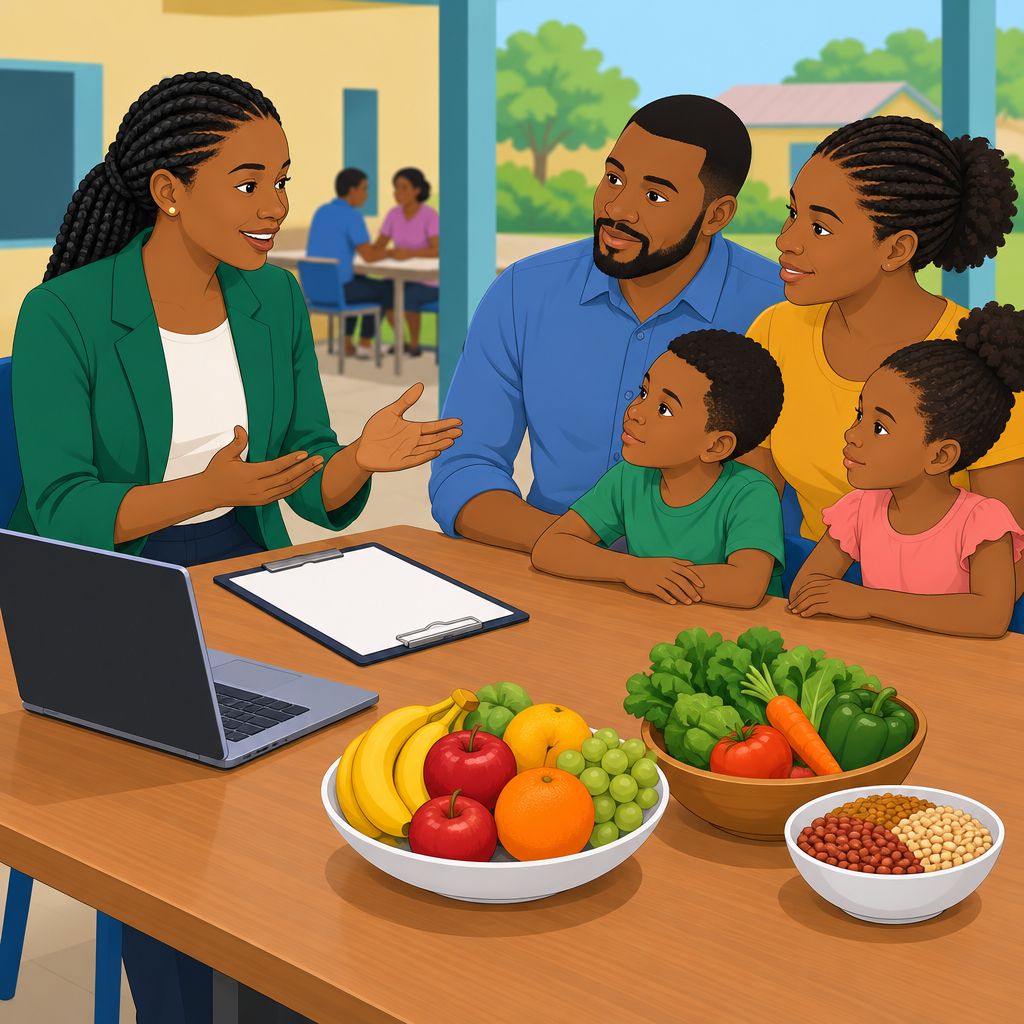
They provide nutrition education and counseling.
They also create personalized meal plans.
Types of Volunteer Opportunities in Nutrition and Dietetics
Exploring volunteer opportunities in Nigeria can provide a rewarding experience.
Volunteers can choose roles that support nutrition and dietetics efforts.
They can work in hospitals, NGOs, and community centers.
Nutrition Education
- Volunteers can educate communities about the importance of nutritious eating habits.
- They can conduct workshops and seminars that promote healthy lifestyles through proper nutrition.
- Volunteers can create pamphlets and posters for public distribution.
Meal Planning
- Volunteers can help plan balanced meals for individuals and families in need.
- They can collaborate with nutritionists and dietitians on specific dietary needs.
- Volunteers can teach people to prepare healthy meals within their budgets.
Food Distribution
- Volunteers can distribute food items to vulnerable children and older adults.
- They can coordinate food drives and donations for people who need nutritious options.
- Volunteers can work with local organizations to establish distribution centers.
Volunteer Settings
Hospitals allow volunteers to interact with patients and provide nutritional support.
Healthcare professionals guide volunteers during their hospital activities.
NGOs involve volunteers in larger nutrition initiatives addressing food insecurity and malnutrition.
These initiatives often require collaboration with organizations and government agencies.
Community centers provide a grassroots setting for nutrition and dietetics volunteering.
Volunteers can engage community members, promote healthy eating, and provide wellness resources.
Volunteering in nutrition and dietetics can help support individual and community well-being.
Learn More: Radiology Ethics and Legal Issues in Nigeria
Benefits of Volunteering in Nutrition and Dietetics
Volunteering in nutrition and dietetics offers meaningful benefits for volunteers and the community.
Volunteers gain practical experience while supporting nutrition education and health-related efforts.
The experience can strengthen skills, confidence, and commitment to community service.
- Volunteers gain hands-on experience in real-world settings.
- They develop communication, teamwork, problem-solving, and time management skills.
- They help improve community health through nutrition education and support.
- Helping others can encourage personal growth, confidence, and fulfillment.
Professional Benefits for Volunteers
Practical involvement can clarify volunteers’ interests, strengths, and possible career directions.
Volunteers deepen their understanding of nutrition and dietetics through practical application.
Additionally, professional connections may support future career advancement.
These experiences can enhance career prospects within nutrition and dietetics.
Community Health Contributions
Community members receive useful nutrition information and valuable educational resources.
Volunteers help people consider healthier lifestyle choices.
Moreover, volunteer-led initiatives can address food insecurity among diverse populations.
These programs also promote nutrition education throughout the community.
Volunteer support contributes to the community’s broader health and well-being.
Through service, individuals build knowledge, connections, and confidence while helping others.
Find Out More: Role of Technology in Nigeria's Health Sector
Skills and Qualifications for Nutrition and Dietetics Volunteers
Nutrition and dietetics volunteers need relevant knowledge, strong communication, and compassion.
They should respect cultural practices while supporting people with diverse dietary needs.
Transform Your Career with Expert Guidance
Get personalized mentorship consulting that’s tailored to your unique path. Our expert advice is actionable and exclusive.
Get StartedOrganizational ability, ethical conduct, and teamwork help volunteers provide dependable nutritional support.
- A background in nutrition, dietetics, or a related field is crucial.
- Strong communication skills help volunteers interact effectively with clients.
- Empathy helps volunteers understand and connect with people seeking nutritional guidance.
- Cultural sensitivity helps volunteers respect diverse dietary practices.
- Knowledge of nutrition principles and dietary guidelines benefits volunteer roles.
- Understanding food allergies, intolerances, and special dietary needs remains important.
- Volunteers should work collaboratively with healthcare professionals.
- Strong organizational skills support appointment management, documentation, and client information handling.
- Problem-solving skills help address complex dietary issues and create personalized nutrition plans.
- Flexibility allows volunteers to accommodate changing client needs and schedules.
- Patience and compassion support people facing dietary challenges.
- Strong time management helps balance volunteer duties with personal and professional commitments.
- Volunteers should remain willing to learn about current nutrition and dietetics trends.
- They must maintain confidentiality and uphold ethical standards during client interactions.
- Certification in nutrition, dietetics, or a related field is an asset.
- Experience with community nutrition programs or healthcare facilities is advantageous.
- Continuous professional development strengthens knowledge and skills in nutrition.
- Volunteers should promote healthy eating habits and wellness within the community.
- Resilience helps volunteers overcome obstacles and setbacks while supporting clients.
- Volunteers should educate and empower people to make informed dietary choices.
- Awareness of cultural norms and beliefs helps explain food choices and eating behaviors.
- Volunteers should collaborate with interdisciplinary teams to coordinate care.
- Interpersonal skills help volunteers build trust with clients from diverse backgrounds.
- Adaptation to different communication styles supports personalized nutrition education.
- Creativity helps volunteers design engaging nutrition workshops for diverse audiences.
- Understanding social determinants of health clarifies their effects on nutritional well-being.
- Volunteers can advocate for policies supporting healthy food access and nutrition services.
- Strong advocacy skills can raise awareness about nutrition and dietetics in healthcare.
See Related Content: Innovations in Nigerian Physiology Studies
Challenges Facing Nutrition and Dietetics Volunteers
- Volunteers often face limited resources that restrict adequate services and assistance.
- Furthermore, cultural differences can hinder communication and understanding within the communities they serve.
- Language barriers may prevent volunteers from clearly explaining important nutrition and dietetics information.
- These challenges can reduce volunteer effectiveness without suitable support and preparation.
Strategies for Addressing Service Barriers
- Volunteers can seek organizational partnerships, grants, and donations to strengthen available resources.
- Additionally, cultural competency training helps volunteers understand community customs and perspectives.
- Language classes and interpreters can support clearer communication with clients.
- Meanwhile, relationships with community leaders and stakeholders can build trust and improve integration.
Approaches for Creating Lasting Community Impact
- By remaining proactive and adaptable, volunteers can manage challenges and support nutrition and dietetics efforts.
- Moreover, strong community relationships help volunteers understand local needs and preferences.
- Sustainable practices and programs can extend the benefits of volunteer work beyond their involvement.
- Collaboration with healthcare professionals and organizations can create a comprehensive response to community nutrition concerns.
Discover More: Licensing and Certification for Radiographers in Nigeria
Practical Steps for Nutrition Volunteer Work
Volunteering in nutrition and dietetics can help Nigerians contribute to community health efforts.
Practical planning helps volunteers choose suitable roles and prepare for meaningful service.
Clear goals also help participants gain relevant experience while supporting local initiatives.
- Volunteers should identify the nutrition area that most interests them before seeking opportunities.
- They can research reputable NGOs and community groups offering nutrition-related activities.
- They may contact local nutritionists and dietitians for mentorship and guidance.
- Attending workshops and seminars can strengthen their knowledge and practical skills.
- Volunteers can assist with events, research, or nutrition education within local communities.
Finding Suitable Volunteer Opportunities
Several channels can help prospective volunteers locate suitable nutrition and dietetics opportunities.
Online platforms may list openings across different organizations and communities.
Local contacts and social media can also reveal current programs and events.
- Websites such as volunteermatch.org and idealist.org may list relevant volunteer roles.
- Local NGOs, hospitals, and community centers may need support for nutrition programs.
- Following nutrition organizations on social media can provide updates about opportunities.
Personal and Professional Gains From Service
Service can provide practical learning while volunteers support nutrition-related activities.
It can also help participants meet professionals and observe how programs operate.
Additionally, volunteering may strengthen resumes and create a sense of personal fulfillment.
- Volunteers can gain hands-on experience that supports future nutrition careers.
- They can build professional connections with people working in nutrition and dietetics.
- Their efforts can support individuals and communities through nutrition-related activities.
- Volunteer experience can develop skills that improve professional marketability.
Building Experience Through Continued Service
People can begin by matching their interests with suitable nutrition volunteer activities.
They can then contact organizations, seek guidance, and participate in relevant training.
Consistent involvement allows volunteers to support communities while developing useful knowledge and experience.
Community Impact of Nutrition Volunteer Work
Nutrition and dietetics volunteers can support public health efforts across communities in Nigeria.
They promote healthy eating habits and provide practical nutrition education.
These activities can help people make informed choices about their diets.
Furthermore, volunteer service can address malnutrition and diet-related diseases.
Volunteers therefore contribute to healthier communities and improved population well-being.
Community awareness of proper nutrition may also help reduce malnutrition and chronic disease prevalence.
Additionally, volunteers can use their time and expertise to support positive social change.
By serving their communities, they can strengthen public health efforts through nutrition-focused education.
Readers can consider volunteering in nutrition and dietetics to participate in community improvement.
Such service allows individuals to make a lasting contribution to public health.
Additional Resources
Google search results for Exploring Nutrition and Dietetics Volunteer Roles Nigeria Health Sciences
Bing search results for Exploring Nutrition and Dietetics Volunteer Roles Nigeria Health Sciences


