



Radiology Ethics and Legal Issues in Nigeria
Radiology ethics and legal issues shape professional practice in Nigeria.
These issues require radiologists to balance patient needs with professional responsibilities.
Understanding these responsibilities supports safer care and stronger professional integrity.
Ethical Standards in Radiology Practice
Radiologists should uphold high ethical standards when treating patients and working with colleagues.
They must protect patient confidentiality and obtain informed consent before providing care.
They should also report findings accurately for the benefit of patients and the community.
Legal Responsibilities in Radiology
Radiology law in Nigeria includes licensing requirements, malpractice concerns, and government policies.
Radiologists must follow applicable regulations throughout their professional practice.
Compliance helps them avoid legal repercussions that could jeopardize their practice.
Professional Benefits of Ethical Compliance
Ethical conduct helps radiologists build and preserve patient trust.
It also protects professional reputation and supports the integrity of medical practice.
Furthermore, ethical compliance encourages accountability and transparency within the healthcare system.
Radiology’s Role in Healthcare Improvement
Ethical and legal awareness influences the quality of radiology services in Nigeria.
Radiologists can strengthen healthcare by following ethical standards and understanding legal requirements.
Their commitment supports continued improvement across the country’s healthcare system.
Ethics in Radiology
Ethics guides radiology practice and supports responsible patient care.
It helps professionals protect patient safety and confidentiality.
Furthermore, ethical practice strengthens trust in the healthcare system.
- Importance of ethics in radiology practice
- Key ethical principles in radiology
- Impact of ethical lapses on patient care and trust in the healthcare system
Importance of Ethics in Radiology Practice
Ethics supports safe and responsible radiology practice.
It helps radiology professionals protect patients during care.
Moreover, ethical conduct preserves confidentiality and patient trust.
Key Ethical Principles in Radiology
Radiology professionals apply several principles when caring for patients.
These principles guide decisions and support responsible professional conduct.
They also help professionals balance patient needs with fair treatment.
- Beneficence
- Non-maleficence
- Respect for patient autonomy
- Justice
Impact of Ethical Lapses on Patient Care and Trust
Ethical lapses can harm patient care and weaken confidence in healthcare.
They may contribute to misdiagnosis or inappropriate treatment.
They can also breach confidentiality and erode patient trust.
Therefore, radiology professionals must uphold ethical standards consistently.
Legal Framework in Nigeria
Nigeria regulates radiology practice to promote quality and ethical standards.
These regulations protect patients and support professional integrity.
The framework addresses professional practice, licensing, malpractice, and ethical violations.
- Overview of legal regulations governing radiology practice in Nigeria
- Licensing requirements for radiologists
- Legal consequences of malpractice or ethical violations in radiology
Licensing Requirements for Radiologists
Radiologists must obtain a license from the appropriate regulatory body before practicing in Nigeria.
Licensing ensures that qualified professionals perform radiology procedures.
Applicants may need educational qualifications, professional training, and a successful licensing examination.
Legal Consequences of Malpractice and Ethical Violations
Radiologists may face legal consequences when they commit malpractice or violate ethical standards.
Possible consequences include lawsuits, fines, license suspension, or license revocation.
Severe cases may also result in criminal charges.
Explore Further: Role of Technology in Nigeria's Health Sector
Patient Consent and Confidentiality
Radiology practice requires informed consent before diagnostic procedures.
Patients should understand the associated risks and benefits.
Transform Your Career with Expert Guidance
Get personalized mentorship consulting that’s tailored to your unique path. Our expert advice is actionable and exclusive.
Get StartedConfidentiality protects personal information and supports patient trust.
Importance of Informed Consent
Patients have the right to make informed healthcare decisions.
Consent confirms that patients understand the procedure and its possible outcomes.
Furthermore, informed consent builds trust between patients and healthcare providers.
- Patients can decide whether to accept proposed healthcare procedures.
- Consent explains the procedure, associated risks, and possible outcomes.
- Healthcare providers must obtain consent as a legal and ethical requirement.
- Clear explanations help patients participate meaningfully in their care.
Confidentiality in Radiology Practice
Patients share sensitive information during radiology procedures.
Radiology professionals must protect that information throughout patient care.
Additionally, restricted access helps preserve privacy within healthcare facilities.
- Confidentiality protects patient privacy and maintains trust in healthcare services.
- Radiologists must maintain confidentiality during and after radiology procedures.
- Only authorized personnel should access patient information.
- Healthcare professionals should handle sensitive information responsibly at all times.
Legal Implications of Breaching Confidentiality
Nigerian law protects patients against violations of their privacy.
Healthcare providers may face legal action after breaching patient confidentiality.
Such breaches can also damage healthcare facility reputations and reduce patient trust.
- Patients may sue healthcare providers for violating their privacy rights.
- Healthcare professionals may face disciplinary action for violating confidentiality requirements.
- Legal consequences can follow unauthorized disclosure of patient information.
- Confidentiality breaches can weaken trust in healthcare facilities.
Radiology providers must respect patient autonomy and protect confidential information.
These responsibilities support ethical practice and uphold professional standards in Nigeria.
Uncover the Details: Innovations in Nigerian Physiology Studies
Radiation Safety and Protection
Radiation safety protects patients and healthcare professionals during radiology practice.
Therefore, radiology teams must apply established safety protocols consistently.
- Radiology professionals must follow radiation safety protocols during daily practice.
- Healthcare facilities must meet legal requirements for radiation protection.
- Staff must understand the consequences of ignoring radiation safety guidelines.
Healthcare facilities must minimize radiation exposure and maintain their equipment properly.
They must also provide adequate radiation safety training for staff.
Failure to follow these guidelines can expose patients to excessive radiation.
Additionally, noncompliance can create legal consequences for facilities and staff.
Regular training, risk assessments, and regulatory compliance strengthen radiation safety programs.
Learn More: Licensing and Certification for Radiographers in Nigeria
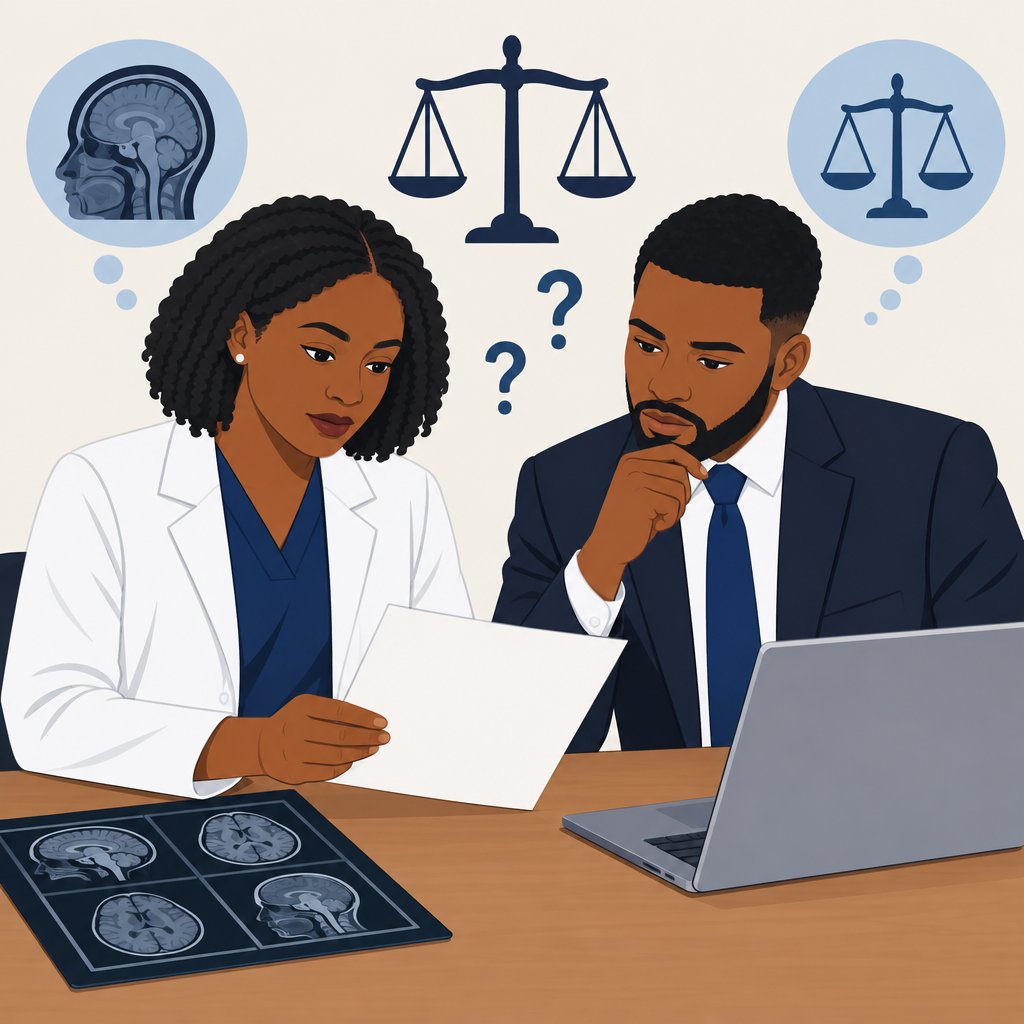
Professional Integrity and Conflicts of Interest
Ethical considerations remain paramount in radiology, particularly when professionals face conflicts of interest.
Radiologists must place patient care above personal or financial interests.
A strict code of ethics helps radiologists preserve professional integrity.
- Radiologists should prioritize patient welfare during every professional decision.
- They must disclose relevant financial or personal relationships that could influence their judgment.
- Transparency supports unbiased diagnoses and appropriate treatment decisions.
Ethical Management of Conflicts of Interest
Radiologists should avoid situations that could compromise objectivity or professional judgment.
Furthermore, they should disclose relationships that might influence their decisions.
Open communication helps patients understand potential conflicts and supports trust.
- Radiologists should not accept gifts or incentives that could influence diagnostic decisions.
- Financial interests in recommended equipment or services can create conflicts.
- Patients deserve clear information about potential conflicts affecting their care.
Professional Integrity in Patient Care and Reporting
Professional integrity guides patient care and radiology reporting.
Radiologists should provide accurate and timely diagnoses that serve patient interests.
Additionally, privacy and confidentiality standards protect patient information.
- Radiologists must act consistently in the best interests of their patients.
- They should disclose biases that might affect patient care or reporting.
- They must protect confidential information throughout professional practice.
Legal Consequences of Unethical Conduct
Unethical conduct for personal gain can create serious legal consequences for radiologists.
Moreover, misconduct can damage professional relationships and patient confidence.
Disciplinary authorities may respond when radiologists violate ethical or professional requirements.
- Ethical violations can result in lawsuits, malpractice claims, and reputational damage.
- Unethical conduct can undermine trust between radiologists, patients, and colleagues.
- Radiologists may face disciplinary action, fines, or loss of their medical license.
You Might Also Like: Medical Lab Science Curriculum in Nigerian Universities
Quality Assurance and Accountability in Radiology
Radiology services require high standards to produce accurate and reliable diagnostic results.
Radiologists support patient care by maintaining quality throughout imaging and interpretation.
Furthermore, accountability helps radiology professionals identify errors and improve clinical practice.
Maintaining High Professional Standards
Radiology continues to develop through advances in technology and imaging techniques.
Therefore, radiologists must stay informed about current practices and applicable professional guidance.
Updated knowledge enables radiologists to provide accurate diagnoses and support appropriate treatment decisions.
Legal Responsibilities of Radiologists
Radiologists must follow professional standards and guidelines established by relevant regulatory bodies.
They must also apply accepted procedures during imaging and diagnostic interpretation.
Failure to meet these obligations can harm patients and expose radiologists to serious consequences.
Accuracy and Quality in Diagnostic Imaging
Radiologists must promote accuracy during testing, image review, interpretation, and reporting.
Standardized protocols help reduce errors and improve the reliability of diagnostic findings.
Additionally, clear communication helps other healthcare providers understand findings and plan patient care.
Consequences of Negligence or Substandard Care
Negligence or substandard practice can produce incorrect diagnoses and delayed treatment.
Such failures may cause preventable harm and weaken confidence in healthcare services.
Moreover, patients or healthcare facilities may pursue legal action after serious professional failures.
Continuous Quality Improvement and Accountability
Radiologists should prioritize quality assurance and accountability throughout their professional duties.
Ongoing education, training, and evaluation help professionals remain current with accepted radiology practices.
By pursuing continuous improvement, radiologists can reduce errors and strengthen patient care.
Ethical and Legal Responsibilities in Radiology
Ethics and legal compliance are crucial in radiology practice for patient safety.
Radiologists must prioritize ethical standards and legal responsibilities to ensure quality care.
Together, ethical standards and legal responsibilities support safe and quality care.
Additional Resources
Google search results for Radiology Ethics and Legal Issues in Nigeria Health Sciences
Bing search results for Radiology Ethics and Legal Issues in Nigeria Health Sciences


