



Volunteer Opportunities for Medical Students in Nigeria
Volunteer opportunities for medical students in Nigeria provide valuable hands-on experience.
By volunteering, students can strengthen their skills and deepen their understanding of medicine.
Additionally, this work lets students collaborate with healthcare professionals in real-life settings.
Students also support their communities by providing much-needed assistance.
Because healthcare resources are often limited, medical student volunteers play a crucial role in Nigeria.
Thus, volunteering offers medical students a rewarding and fulfilling experience.
Volunteer Settings for Medical Students in Nigeria
Medical students in Nigeria can volunteer across hospitals, clinics, community programs, and outreach initiatives.
Each setting offers different ways to observe healthcare delivery and support patient care.
These experiences also expose students to varied health needs and service environments.
- Volunteering in Hospitals
- Participating in Clinics
- Engaging in Community Health Programs
- Contributing to Medical Outreach Programs
Volunteering in Hospitals
Hospital volunteering allows students to observe doctors, nurses, and other healthcare professionals.
Students can follow daily hospital activities and observe how teams manage patient care.
This environment helps them understand hospital operations through direct observation.
Participating in Clinics
Clinic participation gives students experience within a more focused healthcare setting.
They may assist with basic procedures, health screenings, or patient education.
Additionally, clinic activities allow students to interact more closely with patients.
Engaging in Community Health Programs
Community health programs connect students with local residents and public health concerns.
Students may support health fairs, vaccination drives, or educational activities.
Through these activities, they can promote healthy lifestyles and disease prevention.
Contributing to Medical Outreach Programs
Medical outreach programs can take students to underserved communities or rural areas.
There, they may help provide medical care to people who need assistance.
Such work introduces students to healthcare delivery in resource-limited settings.
Developing Broader Healthcare Perspectives
Volunteering across different settings exposes students to varied approaches to healthcare.
As a result, students can expand their perspectives while supporting community health.
These opportunities also let students contribute to improved healthcare access and outcomes.
Benefits of Volunteering for Medical Students
Volunteering can support medical students’ professional and personal growth.
It connects academic learning with experiences involving patients and healthcare professionals.
These experiences can strengthen preparation for future healthcare careers.
Practical Experience in Healthcare Settings
Students can apply classroom knowledge while participating in real-world healthcare activities.
They can develop practical understanding through interactions with patients and healthcare professionals.
Furthermore, this experience can strengthen their preparation for future job applications and interviews.
- Volunteering provides exposure to real-world healthcare settings.
- Students can apply theoretical knowledge during practical situations.
- Patient interactions can provide insights unavailable through textbooks alone.
- Practical experience can help students stand out during job applications and interviews.
Communication Skills Development
Volunteering lets students communicate with patients, families, colleagues, and other people.
These interactions help students practice clear, respectful, and empathetic communication.
They can also learn to explain complex medical information in understandable language.
- Students interact with people from diverse backgrounds.
- Regular communication strengthens essential healthcare communication skills.
- Students can practice communicating medical information clearly and empathetically.
- Improved communication can support future interactions with patients and colleagues.
Professional Networking and Career Growth
Volunteering helps medical students connect with healthcare professionals, mentors, and medical organizations.
These relationships can provide guidance, mentorship, and information about future career opportunities.
Moreover, professional connections can broaden students’ understanding of specialties and career paths.
- Students can build relationships with healthcare professionals and mentors.
- Professional networks can support mentorship and career development.
- Healthcare connections can reveal different specialties and career paths.
- Volunteering relationships can contribute to future professional growth.
These benefits can enhance students’ educational journeys and professional preparation.
They can also help students approach future healthcare roles with stronger skills and connections.
You Might Also Like: Paediatric Emergency Services in Nigerian Hospitals
Challenges Medical Students Face While Volunteering
Medical students may face several challenges while volunteering.
Transform Your Career with Expert Guidance
Get personalized mentorship consulting that’s tailored to your unique path. Our expert advice is actionable and exclusive.
Get StartedThese challenges affect communication, safety, training, and their ability to provide effective care.
Students must also balance volunteering with academic requirements and personal wellbeing.
- Limited resources can hinder medical students from providing effective care to the community.
- Lack of supervision may lead to mistakes or improper handling of medical procedures.
- Cultural barriers can make communication difficult and prevent students from understanding patients’ needs.
- Time constraints may limit the time medical students dedicate to volunteering activities.
- Transportation issues can make it difficult to reach remote areas where students’ services are needed.
- Language barriers can hinder communication with patients who speak different languages or dialects.
- Safety concerns may arise when students volunteer in high-risk areas or during emergencies without proper support.
- Challenging medical cases can cause burnout and emotional strain.
- Academic requirements can make volunteering commitments overwhelming for medical students.
- Limited training and experience can challenge students as they provide quality care.
Explore Further: Top Nigerian Microbiology Research Papers
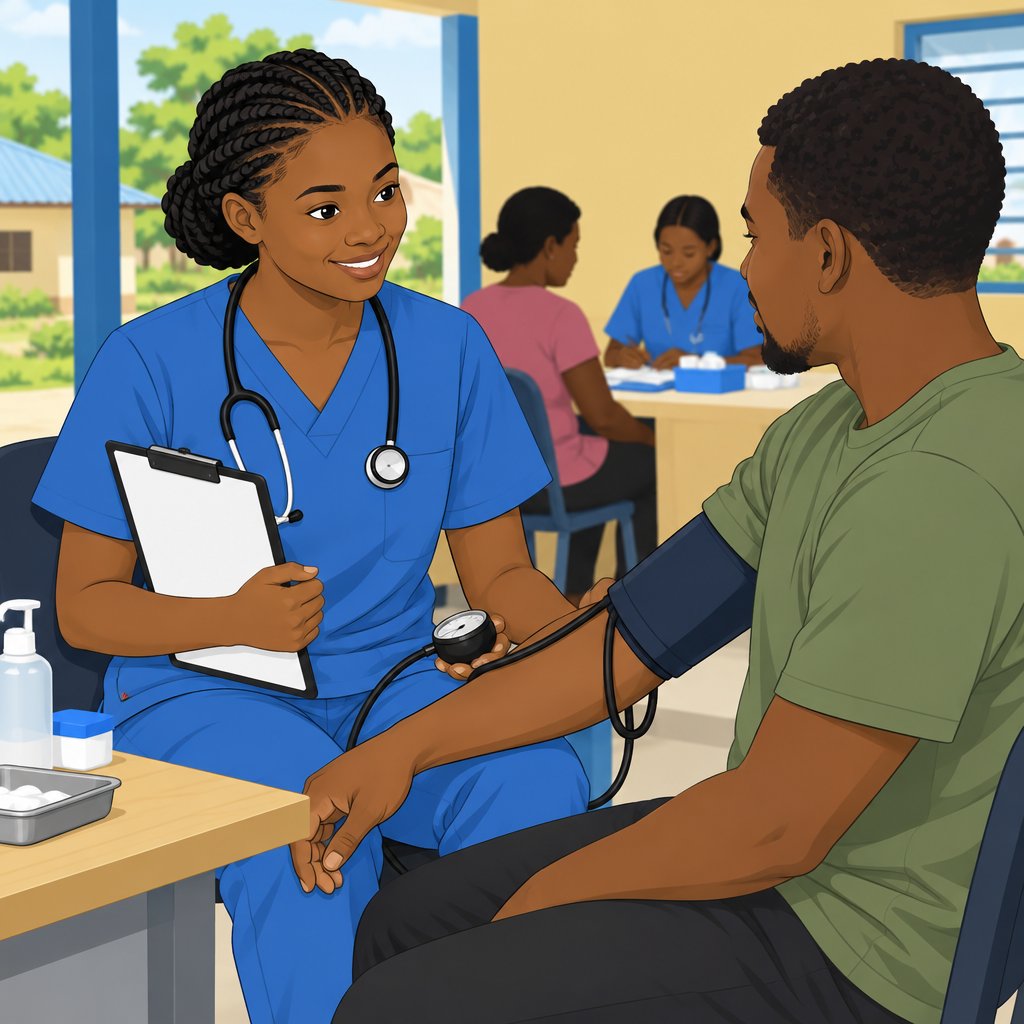
Ways to Find Volunteer Opportunities in Nigeria
Medical students in Nigeria can explore several avenues when searching for volunteer opportunities.
These options can help them identify roles that match their interests and skills.
A proactive search can reveal opportunities to support the Nigerian healthcare system.
Local Hospitals as Starting Points
Local hospitals provide a practical starting point for finding volunteer opportunities.
Many hospitals offer programs designed specifically for medical students.
Students can contact a hospital volunteer coordinator to ask about available roles.
Opportunities with NGOs and Health Organizations
NGOs and health organizations also seek volunteers with medical backgrounds.
Students can contact these organizations directly about current volunteer programs.
They can then compare available opportunities with their skills and interests.
Networking with Senior Medical Professionals
Senior medical professionals may connect students with organizations and hospitals needing volunteers.
Students can build these connections by attending conferences, seminars, and workshops.
Networking can therefore help students discover opportunities through established professional contacts.
Exploring these avenues can help students find rewarding volunteer opportunities.
Such efforts can provide valuable experience while supporting healthcare services in Nigeria.
Students should remain proactive as they search for suitable volunteer roles.
Explore Further: Radiological Science Graduate Testimonials
Impact of Medical Volunteering on Future Careers
Volunteering in medical fields can significantly influence medical students’ future careers.
It demonstrates commitment, develops practical skills, and supports professional growth.
These experiences can also help students compete more effectively for future opportunities.
- Enhancing Resumes: Volunteering demonstrates commitment, passion, and practical skills to potential employers.
- Improving Job Prospects: Volunteer work can distinguish medical students from other candidates in a competitive job market.
- Leading to Potential Job Offers: Volunteering helps students build professional networks and make valuable connections within their desired fields.
Medical students gain hands-on experience while contributing to their communities through medical volunteering.
This experience can give them a competitive edge as they pursue future career paths.
Uncover the Details: Eye Donation and Corneal Transplants in Nigeria
Case Studies of Successful Volunteers
One success story involves a medical student who volunteered in a rural clinic in Nigeria.
Through this experience, she learned to work with limited resources and gained hands-on clinical skills.
Another example involves medical students who organized a health outreach program in a local community.
They collaborated with local healthcare providers to deliver medical services to underserved populations.
Additionally, the students provided medical care and conducted health education workshops on preventive measures.
Volunteering helped them improve their communication skills and develop empathy toward patients.
One student shared how volunteering in Nigeria gave her a broader perspective on healthcare disparities.
She realized that addressing social determinants of health can improve overall well-being.
These case studies demonstrate the diverse ways volunteering can benefit medical students.
From clinical skills development to cultural awareness, volunteers gain valuable experience and personal growth.
Community and Professional Growth Through Volunteering
Volunteering helps medical students in Nigeria connect their education with real-life situations.
Through these experiences, students can strengthen skills that support their development.
Furthermore, volunteer work enables them to contribute positively to their communities.
Students also meet healthcare professionals and other volunteers through these activities.
These connections can expand their professional networks.
Additionally, volunteering supports personal growth alongside professional development.
By seeking suitable opportunities, medical students can take an active role in their growth.
Such participation can benefit students while contributing to society’s betterment.
This rewarding experience can help shape future healthcare professionals in Nigeria.
Additional Resources
Google search results for Volunteer Opportunities for Medical Students in Nigeria Medical
Bing search results for Volunteer Opportunities for Medical Students in Nigeria Medical


