



Introduction
Paediatric emergency services in Nigerian hospitals provide specialized care for children in critical situations.
Efficient and timely care helps save young lives during emergencies.
Therefore, these services remain important in hospital emergency response.
Availability of Paediatric Emergency Services
Paediatric emergency services differ across Nigerian hospitals.
Hospital resources and location strongly influence service availability.
Rural communities often face the greatest limitations.
Hospitals With Specialised Paediatric Emergency Units
Few Nigerian hospitals operate specialised paediatric emergency units.
Major cities such as Lagos, Abuja, and Port Harcourt offer several well-equipped units.
These hospitals also employ trained professionals to support emergency treatment.
- Urban hospitals usually provide better-equipped paediatric emergency services.
- Rural hospitals and smaller towns often lack specialised facilities.
- Expanding these units would improve emergency access for underserved children.
Regional Access to Paediatric Emergency Care
Families in urban centres can usually reach multiple paediatric emergency units.
Remote families often travel farther because specialised facilities remain limited.
This distance can delay urgent assessment and treatment for children.
- Lagos and Abuja provide families with several hospital options.
- Rural communities face shortages of specialised facilities and trained professionals.
- Better rural access would help children receive life-saving interventions promptly.
Expanding Paediatric Emergency Capacity
Nigeria has improved service availability in recent years, but important gaps remain.
Further investment can expand and strengthen services, especially in underserved areas.
More specialised units would help hospitals meet children’s emergency healthcare needs.
Challenges Faced by Paediatric Emergency Services in Nigeria
Paediatric emergency services in Nigerian hospitals face several challenges that affect timely and effective care.
These challenges can reduce care quality and worsen outcomes for children requiring urgent medical attention.
Hospitals need trained staff, essential supplies, and adequate staffing to strengthen paediatric emergency response.
- Lack of trained personnel in paediatric emergency care
- Inadequate medical equipment and supplies in emergency units
- High patient-to-doctor ratios that cause delayed care
Limited Training in Paediatric Emergency Care
Many Nigerian hospitals lack enough healthcare professionals trained in paediatric emergency care.
This shortage affects doctors, nurses, and technicians who manage children during emergency situations.
Without specialised training, providers may struggle to assess and treat paediatric patients accurately.
Consequently, medical errors or delayed treatment may threaten children with critical conditions.
Insufficient Equipment and Supplies in Emergency Units
Many emergency units lack essential medical equipment and supplies for managing paediatric emergencies.
Limited resources and funding often prevent hospitals from maintaining adequate stocks.
Healthcare providers may therefore lack crucial devices, medications, and tools during treatment.
This shortage can cause complications, longer hospital stays, and higher mortality among children.
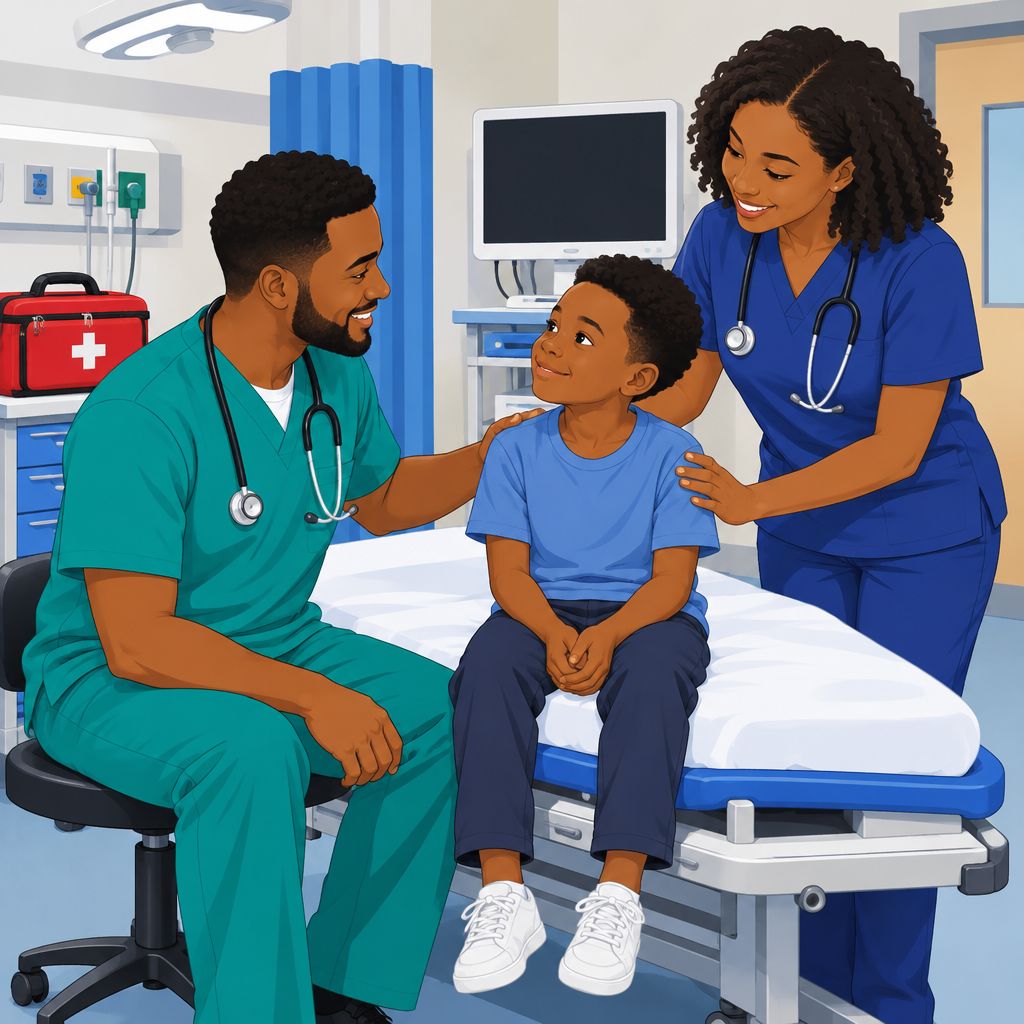
High Patient Loads and Delayed Care
Nigerian hospitals often manage many patients with too few healthcare professionals.
As a result, children may wait too long before receiving medical attention.
Overcrowded emergency departments can further slow assessment, treatment, and care delivery.
Timely intervention remains essential for children with acute illnesses or injuries.
Hospitals can improve services by expanding training programs for emergency healthcare professionals.
They can also strengthen care by providing sufficient equipment, supplies, and qualified staff.
These improvements can enhance paediatric emergency services and help save children’s lives.
Find Out More: Top Nigerian Microbiology Research Papers
Solutions to Improve Paediatric Emergency Services
- Training and certification programs for healthcare professionals in paediatric emergency care
- Investments in modern medical equipment and facilities for paediatric emergencies
- Protocols for triage and prioritization of paediatric patients
Improving paediatric emergency services in Nigerian hospitals requires a multi-faceted approach to healthcare delivery.
Hospitals can improve emergency care by focusing on training, investments, and effective protocols.
These measures can strengthen hospitals’ ability to provide high-quality care during paediatric emergencies.
Training and Certification Programs
Training and certification programs can strengthen paediatric emergency services.
Doctors, nurses, and other staff need skills for managing paediatric emergencies.
Ongoing education can help hospital teams respond effectively to urgent situations.
Transform Your Career with Expert Guidance
Get personalized mentorship consulting that’s tailored to your unique path. Our expert advice is actionable and exclusive.
Get StartedModern Medical Equipment and Facilities
Hospitals also need modern equipment and suitable facilities for paediatric emergencies.
Advanced monitoring devices and treatment equipment can support faster diagnosis and care.
Consequently, well-equipped departments can improve the quality of paediatric emergency services.
Triage and Patient Prioritization Protocols
Effective triage and prioritization help hospitals manage paediatric emergencies.
Clear protocols can guide staff when assessing patients’ conditions.
These protocols can help staff provide prompt attention to patients with urgent needs.
Paediatric emergency experts should help hospitals develop these protocols.
Hospital teams should review the protocols regularly to maintain their effectiveness.
Prioritizing patients according to need can help hospitals use resources effectively.
Through training, investment, and clear protocols, hospitals can strengthen paediatric emergency care.
These improvements can support better outcomes and greater patient satisfaction.
Explore Further: Radiological Science Graduate Testimonials
Government Support for Paediatric Emergency Services
Government support plays a crucial role in strengthening paediatric emergency services in Nigerian hospitals.
It can help hospitals improve emergency care for children.
Furthermore, coordinated support can address needs through funding, standards, and partnerships.
Hospital Funding and Grants
The government should allocate sufficient funds and provide grants for paediatric emergency care.
This financial support can help hospitals upgrade facilities and improve emergency care capacity.
It can also support necessary equipment purchases and medical staff training.
Regulations and Quality Policies
The government should implement regulations that protect quality and safety in paediatric emergency units.
These guidelines can standardize procedures, protocols, and practices across hospital emergency units.
Moreover, consistent policies can promote safer practices and improve patient care.
Collaboration with International Organizations
The government should collaborate with international organizations specializing in paediatric emergency care.
Such partnerships allow healthcare providers to share knowledge and access established practices.
They also create training opportunities that can strengthen care standards in Nigerian hospitals.
Therefore, government funding, effective regulations, and international collaboration remain essential for improving paediatric emergency services.
These measures can help Nigerian hospitals provide stronger emergency support for children.
Delve into the Subject: Eye Donation and Corneal Transplants in Nigeria
Community Engagement and Awareness
- Parents and caregivers should learn to recognize signs of paediatric emergencies.
- Communities can promote preventive measures to reduce paediatric emergencies.
- Parents and caregivers should seek medical care promptly during children’s emergency situations.
Discover More: Nigerian Organizations Supporting Prosthesis Tech
Strengthening Paediatric Emergency Care
Proper paediatric emergency services help Nigerian hospitals protect children during medical emergencies.
Children need specialized care because emergencies can place them at serious risk.
Therefore, healthcare professionals, government officials, and community members must collaborate to strengthen these services.
Such cooperation can improve children’s well-being and support better health outcomes.
Prioritizing paediatric emergency care remains a shared responsibility that can help save children’s lives.
Additional Resources
Google search results for Paediatric Emergency Services in Nigerian Hospitals Medical
Bing search results for Paediatric Emergency Services in Nigerian Hospitals Medical


