




Introduction to Marine Engineering
Marine engineering involves designing, building, and maintaining structures and equipment used at sea.
Consequently, it plays a crucial role in the maritime industry.
Professionals need key skills and competencies to succeed in this field.
This section explores the essential skills needed for a career in marine engineering.
Technical Knowledge and Expertise
A strong background in engineering principles and practices supports success in marine engineering.
Specific technical skills include ship design, propulsion systems, and naval architecture.
Fluid mechanics and thermodynamics help engineers optimize ship performance.
Structural analysis helps engineers protect marine structure safety and stability.
Electrical systems and automation support modern ship operation and control.
Marine materials and corrosion protection techniques help preserve ship durability.
- Fluid mechanics helps engineers understand water movement and thermodynamic effects.
- Structural analysis supports the safety and stability of marine structures.
- Electrical systems and automation enable effective ship operation and control.
- Marine materials and corrosion protection techniques improve ship durability.
These technical areas help marine engineers conduct tasks efficiently.
- Hydrodynamics explains how water affects ship performance.
- Propulsion systems show how engines move ships forward.
- Naval architecture guides ship design for performance and stability.
A solid technical foundation supports excellence in marine engineering.
Problem-Solving and Critical Thinking
Problem-solving and critical thinking guide engineers through complex marine engineering challenges.
These skills help them assess issues and develop effective solutions.
- Engineers use problem-solving skills to troubleshoot mechanical failures and structural issues in marine vessels.
- They evaluate data critically before making informed decisions about design modifications.
- For example, engineers may devise a new propulsion system to improve fuel efficiency.
- Moreover, critical thinking helps engineers analyze problems, identify root causes, and propose innovative solutions.
- Engineers also evaluate how decisions affect the safety and efficiency of marine structures.
- For instance, they use critical thinking when designing navigation systems for accurate ship positioning.
Together, these skills support successful marine engineering projects.
Without them, engineers may struggle to overcome challenges and optimize project outcomes.
Uncover the Details: Career Opportunities in Materials Engineering in Nigeria
Communication and Interpersonal Skills
Effective communication skills coordinate team members, clients, and stakeholders.
Clear, concise communication keeps everyone aligned and reduces errors and misunderstandings.
Meanwhile, interpersonal skills build relationships and help teams resolve conflicts during marine engineering projects.
- Use active listening to understand others’ perspectives and ideas.
- Communicate clearly and concisely to prevent confusion.
- Provide regular updates to keep everyone informed about project progress.
- Ask for feedback to confirm that others understand your message.
- Show empathy and understanding toward team members’ perspectives.
- Remain calm and composed during conflicts to find amicable solutions.
- Encourage open communication and feedback within the team.
- Build trust and rapport with team members to foster a positive work environment.
To strengthen collaboration, professionals can apply several communication and interpersonal development practices.
- Attend communication workshops or training sessions to enhance your skills.
- Practice active listening and seek to understand before being understood.
- Request feedback from colleagues and supervisors to identify improvement areas.
- Develop emotional intelligence to connect more effectively with team members.
See Related Content: Industry Trends in Mechanical Engineering in Nigeria
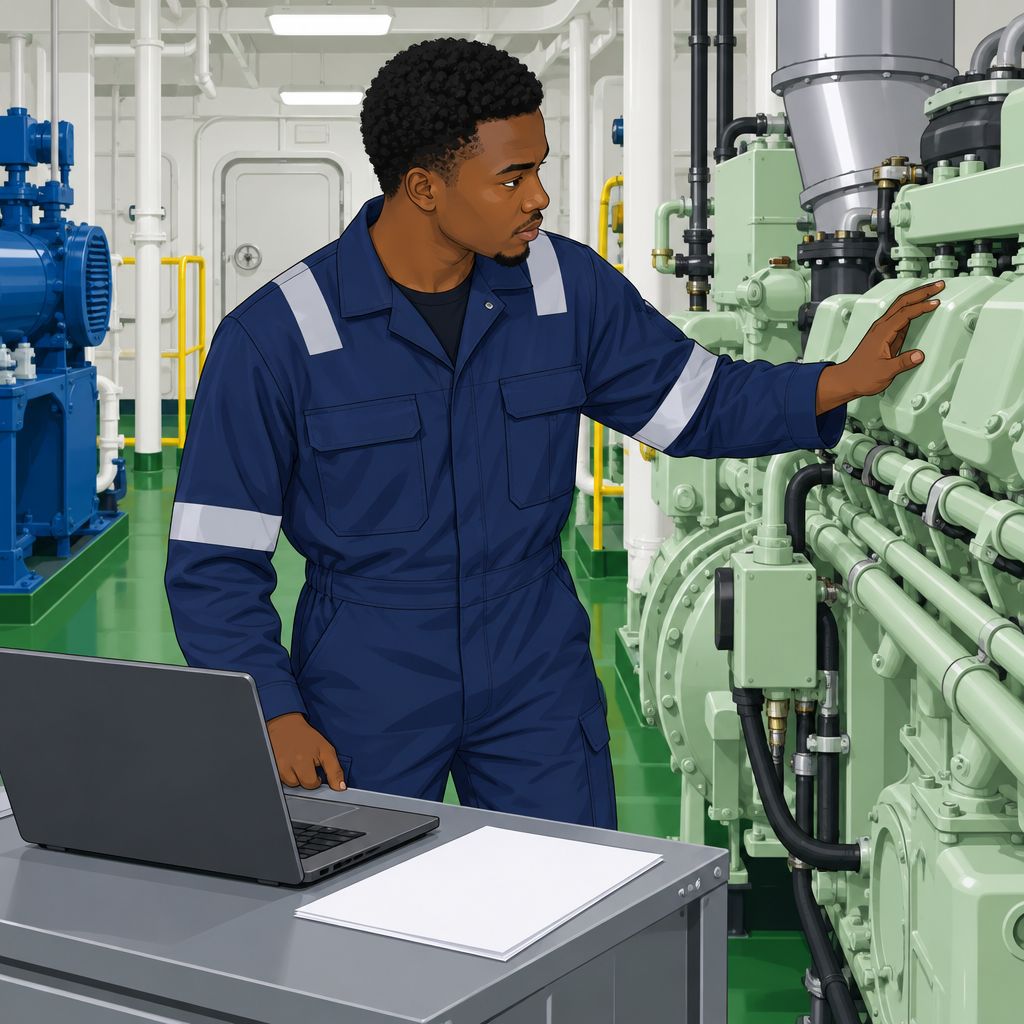
Adaptability and Flexibility in Marine Engineering
Adaptability helps marine engineers address changing work environments, project requirements, and technological advancements.
- It enables marine engineers to pivot quickly and respond effectively to industry shifts.
- Furthermore, adaptability helps professionals stay ahead of the curve and remain competitive.
- Flexibility helps engineers adjust to new challenges and devise innovative solutions.
- Moreover, marine engineers must embrace new ideas and implement unconventional methods.
- A flexible mindset helps professionals navigate complex projects and overcome unforeseen obstacles.
Adaptability and flexibility significantly influence marine engineers’ success.
For example, when a new regulation arrives, marine engineers must adapt designs to meet its requirements.
Similarly, technological advances require engineers to stay updated and implement new systems effectively.
Additionally, flexibility helps professionals explore different approaches in dynamic marine engineering environments.
This approach strengthens problem-solving skills while helping engineers respond to unexpected challenges.
Adaptability and flexibility support individual success and advance the marine engineering field.
Discover More: Importance of Networking Security in Nigerian Economy
Safety and Risk Management
- Marine engineering projects must prioritize safety protocols and risk management practices.
- Key competencies include attention to detail, problem-solving skills, and hazard anticipation.
- Therefore, operations must protect personnel, equipment, and the environment.
Developing a Safety-Conscious Mindset
- Teams develop a safety-conscious mindset through proactive risk identification and assessment.
- Regular training on safety procedures and protocols prepares everyone for marine engineering projects.
- Additionally, reporting near misses and incidents helps teams prevent future accidents.
Implementing Risk Mitigation Strategies
- Effective operations require contingency plans for potential risks and emergencies.
- Moreover, regular safety audits and inspections help teams address concerns promptly.
- Continuous improvement requires teams to learn from incidents and implement corrective actions.
Uncover the Details: Top Nigerian Universities for Cartography
Continuous Development in Marine Engineering
Marine engineers need technical expertise and complementary professional competencies to perform effectively.
Moreover, problem-solving, attention to detail, teamwork, and communication support effective work in this field.
Continuous learning and professional development help individuals maintain their effectiveness as marine engineering evolves.
Therefore, targeted training enables professionals to strengthen their existing skills and address changing industry demands.
Staying updated with marine engineering technologies and advancements supports continued professional growth.
By developing these capabilities, individuals can pursue success in this dynamic industry.
Readers can explore further learning opportunities and seek training that supports their marine engineering goals.
Additional Resources
Google search results for Marine Engineering: Key Skills and Competencies Needed Engineering
Bing search results for Marine Engineering: Key Skills and Competencies Needed Engineering
Transform Your Career with Expert Guidance
Get personalized mentorship consulting that’s tailored to your unique path. Our expert advice is actionable and exclusive.
Get Started


