




Introduction
Childhood diseases affect many young children in Nigeria.
Effective disease management supports the well-being of Nigerian children.
However, healthcare professionals face several challenges when managing childhood diseases in Nigeria.
Common Childhood Diseases in Nigeria
Malaria remains a leading cause of illness and death among children in Nigeria.
Pneumonia and diarrheal diseases also cause many childhood illnesses and hospital admissions.
Measles and polio continue to threaten children when vaccination coverage remains incomplete.
- Malaria can cause severe anemia, cognitive impairment, and death without timely treatment.
- Pneumonia may cause respiratory distress and permanent lung damage without prompt care.
- Diarrheal diseases can cause dehydration, malnutrition, and impaired growth.
- Measles remains preventable through vaccination, yet outbreaks still occur in Nigeria.
- Polio cases still occur in some regions, despite progress toward eradication.
Health Effects and Warning Signs
These diseases can produce serious complications when caregivers delay medical attention.
Children may experience fever, cough, diarrhea, rash, weakness, or breathing difficulties.
Severe infections can cause disability, paralysis, developmental problems, or death.
How Childhood Diseases Spread
Contaminated food and water can transmit diarrheal diseases among children.
Mosquito bites spread malaria, while respiratory droplets can spread pneumonia and measles.
Direct contact with infected people can also transmit several childhood diseases.
Prevention and Early Treatment
Early detection and prompt treatment can reduce complications from childhood diseases.
Routine vaccination can substantially reduce measles, polio, and other preventable childhood illnesses.
Regular handwashing, clean water, and safe food practices help prevent disease transmission.
Nutritious diets support children’s growth and strengthen their ability to recover from illness.
Responsibilities of Families and Health Programs
Parents and caregivers should arrange timely healthcare, vaccination, and supportive home environments.
Government initiatives and community outreach programs can improve prevention and treatment access.
Partnerships with international organizations can strengthen efforts against childhood diseases.
Health education can help families recognize symptoms and seek appropriate care quickly.
Factors Contributing to Childhood Disease Spread in Nigeria
Several conditions increase children’s exposure to infectious diseases across Nigeria.
These conditions often affect rural communities most severely.
Public health improvements can reduce these risks and protect children’s well-being.
- Lack of access to clean water and sanitation facilities
- Poor nutrition and hygiene practices
- Limited healthcare infrastructure and resources in rural areas
Access to Clean Water and Sanitation
Many Nigerian communities, especially rural areas, lack clean water and proper sanitation facilities.
Consequently, children may consume contaminated water and contract water-borne diseases.
Cholera and typhoid can spread when communities lack safe water supplies.
Additionally, inadequate sanitation creates conditions that support disease transmission.
Nutrition and Hygiene Practices
Good nutrition supports children’s health and strengthens their immune systems.
However, poverty and food insecurity prevent many children from receiving adequate nourishment.
Malnutrition therefore leaves children more vulnerable to illness.
Moreover, infrequent handwashing can increase the spread of infectious diseases.
Limited hygiene education further increases the risk of disease transmission among children.
Healthcare Infrastructure in Rural Areas
Rural communities often lack sufficient healthcare infrastructure and medical resources.
As a result, many children cannot receive timely medical attention.
Untreated illnesses may worsen and create additional health complications.
Furthermore, shortages of healthcare professionals make quality pediatric care difficult to provide.
Preventable diseases may consequently remain undiagnosed and untreated.
Addressing these challenges requires stronger public health interventions and better health education.
Investment in healthcare resources can also improve children’s access to essential services.
These measures can reduce infections and support healthier childhoods throughout Nigeria.
Transform Your Career with Expert Guidance
Get personalized mentorship consulting that’s tailored to your unique path. Our expert advice is actionable and exclusive.
Get StartedSee Related Content: Challenges in Nigerian Paediatric Healthcare
Strategies for Preventing Childhood Diseases
Preventing childhood diseases protects children’s health and well-being in Nigeria.
Several preventive measures can reduce disease spread among children.
These measures include vaccination, health education, hygiene promotion, and regular check-ups.
- Vaccination campaigns and immunization programs
- Health education and promotion of hygiene practices
- Early detection and treatment through regular check-ups
Vaccination Campaigns and Immunization Programs
Vaccination campaigns provide children with protection against several common diseases.
These programs help children build immunity against measles, polio, and tuberculosis.
Therefore, timely vaccination can significantly reduce the risk of contracting these diseases.
Health Education and Hygiene Practices
Health education helps parents and caregivers prevent childhood diseases.
For example, handwashing, proper sanitation, and safe food handling can limit infectious disease spread.
Additionally, vaccination and check-up awareness can support children’s health.
Early Detection Through Regular Check-Ups
Regular check-ups help healthcare providers detect childhood diseases early.
Routine assessments also monitor children’s growth and development.
As a result, healthcare providers can offer timely treatment and intervention.
This proactive approach can prevent diseases from progressing.
It can also improve children’s overall health outcomes.
Combining vaccination, health education, and regular check-ups can reduce childhood diseases in Nigeria.
Prioritizing prevention supports children’s health and well-being.
These efforts can help create a healthier future for the next generation.
Gain More Insights: Training and Certification for Restorative Dentists
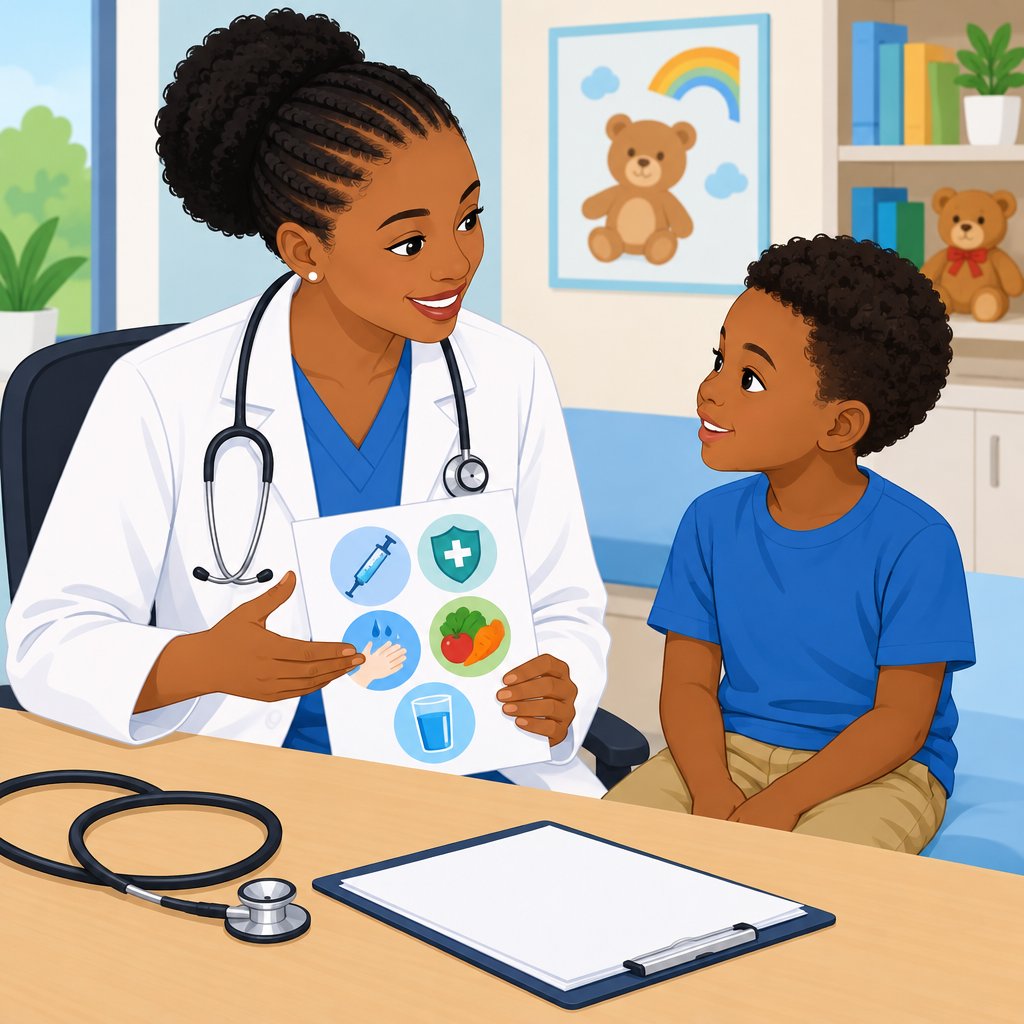
Challenges in Managing Childhood Diseases in Nigeria
- Limited access to healthcare facilities and trained medical professionals
- High cost of medications and treatment
- Cultural beliefs and practices affecting healthcare-seeking behaviors
Managing childhood diseases in Nigeria presents several serious challenges.
These challenges can hinder effective disease treatment and prevention among children.
Several major barriers affect healthcare delivery and treatment outcomes.
Limited Access to Healthcare Facilities and Trained Professionals
Many rural areas lack proper healthcare infrastructure.
This shortage makes timely medical care difficult for children in those communities.
Additionally, remote areas often lack enough trained medical professionals.
High Costs of Medications and Treatment
Many families struggle to afford necessary medications and treatments for sick children.
Consequently, financial difficulties can delay healthcare-seeking or result in inadequate treatment.
These delays can negatively affect health outcomes for children with diseases.
Cultural Beliefs Affecting Healthcare-Seeking Behaviors
Some communities hold traditional beliefs that conflict with modern medical practices.
As a result, families may hesitate to seek professional healthcare for children.
Traditional healers and spiritual remedies can also delay proper medical treatment.
Addressing the Challenges
Healthcare leaders can improve infrastructure and expand access to trained medical professionals.
Reducing treatment costs can help families seek care earlier and complete recommended treatment.
Health education can address cultural concerns and encourage timely medical care for children.
Gain More Insights: Government Policies Impacting Optometry in Nigeria
Government and NGO Roles in Childhood Disease Management
Government agencies and NGOs help manage childhood diseases in Nigeria.
They support prevention, diagnosis, treatment, and improved child health outcomes.
Their coordinated efforts strengthen services for vulnerable children and communities.
- Develop policies and programs that improve child health outcomes.
- Fund healthcare services and essential medications.
- Collaborate with international partners to address healthcare challenges.
Government Support for Childhood Disease Management
The government implements policies and programs that improve child health outcomes.
These initiatives support disease prevention, diagnosis, and treatment for children.
Government funding helps healthcare providers deliver essential services and medications.
Without adequate funding, many families may struggle to afford necessary care.
The government also collaborates with NGOs, healthcare professionals, and international partners.
These partnerships support comprehensive strategies for preventing and managing childhood diseases.
NGO Contributions to Child Healthcare
NGOs partner with the government to provide healthcare services to vulnerable populations.
They deliver community-based programs that promote prevention, early detection, and treatment.
These programs help underserved communities access medical attention for children.
NGOs also work with international partners to obtain resources, expertise, and funding.
Such partnerships enable NGOs to expand healthcare projects and support more children.
Coordinated Support for Child Health
Government and NGO cooperation creates stronger systems for managing childhood diseases.
Shared resources and expertise can improve healthcare access for children and families.
These combined efforts reduce the burden of childhood diseases on communities.
Delve into the Subject: Top Nigerian Universities for Anaesthesiology
Community Involvement in Managing Childhood Diseases
Community involvement plays a crucial role in managing childhood diseases in Nigeria.
Local communities often serve as the first line of defense for children’s health.
Therefore, community participation can strengthen health promotion and disease prevention efforts.
- Engaging local communities in health promotion activities
- Training community health workers to provide basic healthcare services
- Encouraging parents to seek timely medical care for their children
Local Communities in Health Promotion
Local communities provide valuable insight into the health challenges affecting their children.
Moreover, residents can identify local needs and priorities more effectively.
Healthcare providers can use this knowledge to design suitable health promotion activities.
As a result, community participation helps tailor disease prevention strategies to grassroots needs.
Community Health Workers and Basic Healthcare Services
Community health workers can deliver basic healthcare services to children in underserved areas.
Training local residents improves access to essential care and strengthens community ownership.
These workers can provide basic treatment and teach families about preventive measures.
They can also refer seriously ill children to healthcare facilities when necessary.
Parents’ Role in Timely Childhood Care
Parents play an important role in protecting their children’s health.
Health education can help parents recognize early signs of illness.
Additionally, outreach programs can encourage families to seek medical care without delay.
Community-based health centers can make timely care more accessible to families.
Early recognition and prompt treatment can support better health outcomes for children.
Collaborative Action for Child Health in Nigeria
Effective management of childhood diseases supports children’s well-being in Nigeria.
Therefore, stakeholders must collaborate and implement preventive strategies to improve child health.
Through collective effort, all children in Nigeria can pursue healthy, disease-free lives.
Additional Resources
Google search results for Managing Childhood Diseases in Nigeria Medical
Bing search results for Managing Childhood Diseases in Nigeria Medical


