




Introduction
Restorative dentistry restores tooth function and improves dental appearance.
Furthermore, restorative dentists address damaged, weakened, or missing tooth structures.
Therefore, thorough training and certification support high-quality patient care and treatment outcomes.
Importance of Training and Certification
Training gives dentists the skills and knowledge required for effective restorative procedures.
Meanwhile, certification shows that dentists meet specific competency standards.
- Continuing education helps dentists learn current techniques and technologies.
- Certification strengthens a restorative dentist’s professional reputation and credibility.
- Proper preparation can improve patient satisfaction and treatment outcomes.
- Well-trained dentists can manage complex restorative cases more successfully.
- Training encourages dentists to follow accepted practices and ethical standards.
- Certification also reassures patients about the dentist’s professional competence.
- Additionally, ongoing learning helps dentists maintain effective clinical skills.
- Investing in education benefits both restorative dentists and their patients over time.
Education in Restorative Dentistry
Formal education shapes the skills and knowledge that aspiring restorative dentists need.
Structured programs combine theory and practice to prepare individuals for restorative procedures.
These programs also support professional growth through organized learning and clinical development.
Importance of Formal Education
Formal education gives aspiring restorative dentists a foundation in theory and practice.
It explains diagnosis, treatment planning, and the execution of restorative procedures.
Additionally, training develops professionalism and ethical responsibility in patient care.
It also strengthens communication with patients and colleagues, supporting collaborative dental care.
Available Courses and Programs
Aspiring restorative dentists can choose undergraduate and postgraduate dental programs.
They can also pursue specialized courses, workshops, and seminars in restorative dentistry.
Courses in prosthodontics, endodontics, and periodontics develop focused expertise.
Furthermore, continuing education helps practicing dentists learn current restorative techniques.
Value of Continuing Education
Restorative dentists need current knowledge to provide high-quality care.
Continuing education introduces innovative technologies, materials, and treatment methods.
Consequently, dentists can improve treatment outcomes and patient satisfaction.
Ongoing learning also helps dentists adapt professionally as restorative dentistry changes.
Certification Requirements for Restorative Dentists
- Restorative dentists must complete advanced training programs before seeking certification.
- These programs focus on techniques for restoring damaged or missing teeth.
- Additionally, dentists must pass rigorous exams that demonstrate their proficiency.
- Continuing education often maintains certification and keeps dentists up to date.
The Certification Process for Restorative Dentists
- Restorative dentists typically complete dental school and obtain a license first.
- They then pursue additional restorative dentistry training through specialized programs.
- After completing the required training, dentists can apply for certification exams.
- Certification exams may include written tests, clinical exams, and case presentations.
- Once certified, dentists must meet ongoing requirements to maintain their credentials.
Certification Boards and Organizations
- The American Board of Prosthodontics provides a well-known certification pathway for restorative dentists.
- The American Academy of Cosmetic Dentistry offers certification in cosmetic and restorative dentistry.
- The International Congress of Oral Implantologists provides certification in implant dentistry.
- Other organizations may offer specialized certifications in endodontics or periodontics.
Benefits of Restorative Dentistry Certification
- Certification demonstrates a dentist’s commitment to excellence and ongoing education.
- Certified dentists may attract patients seeking high-quality restorative care.
- Furthermore, certification can support professional growth and increased earning potential.
- Certification can enhance a dentist’s reputation and credibility within the field.
- Certified dentists may also access exclusive training and networking opportunities.
Explore Further: Government Policies Impacting Optometry in Nigeria
Specialized Training for Advanced Restorative Procedures
Restorative dentistry requires advanced training in complex procedures.
Therefore, dentists can pursue specialized programs that develop their knowledge and technical abilities.
These programs help practitioners perform challenging restorative treatments effectively and efficiently.
- Advanced programs address specific restorative procedures.
- Continuing education strengthens restorative skills and knowledge.
- Hands-on workshops provide opportunities to practice advanced techniques.
Advanced Programs for Specific Restorative Procedures
Specialized programs focus on procedures such as dental implants, veneers, and full mouth reconstruction.
These courses provide focused instruction for dentists who want to expand their restorative capabilities.
Additionally, advanced training helps practitioners approach complex procedures with greater preparation.
Continuing Education for Restorative Dentistry
Continuing education keeps dentists informed about developments in restorative dentistry.
Through these programs, practitioners learn updated techniques and strengthen their existing skills.
Moreover, professional learning creates opportunities to exchange ideas and practices with colleagues.
Hands-On Workshops and Practical Training
Hands-on workshops allow dentists to practice restorative techniques on models.
Experienced professionals can provide feedback during these practical learning sessions.
As a result, dentists can build confidence while refining their approach to complex procedures.
This preparation supports high-quality restorative care and better patient outcomes.
Explore Further: Top Nigerian Universities for Anaesthesiology
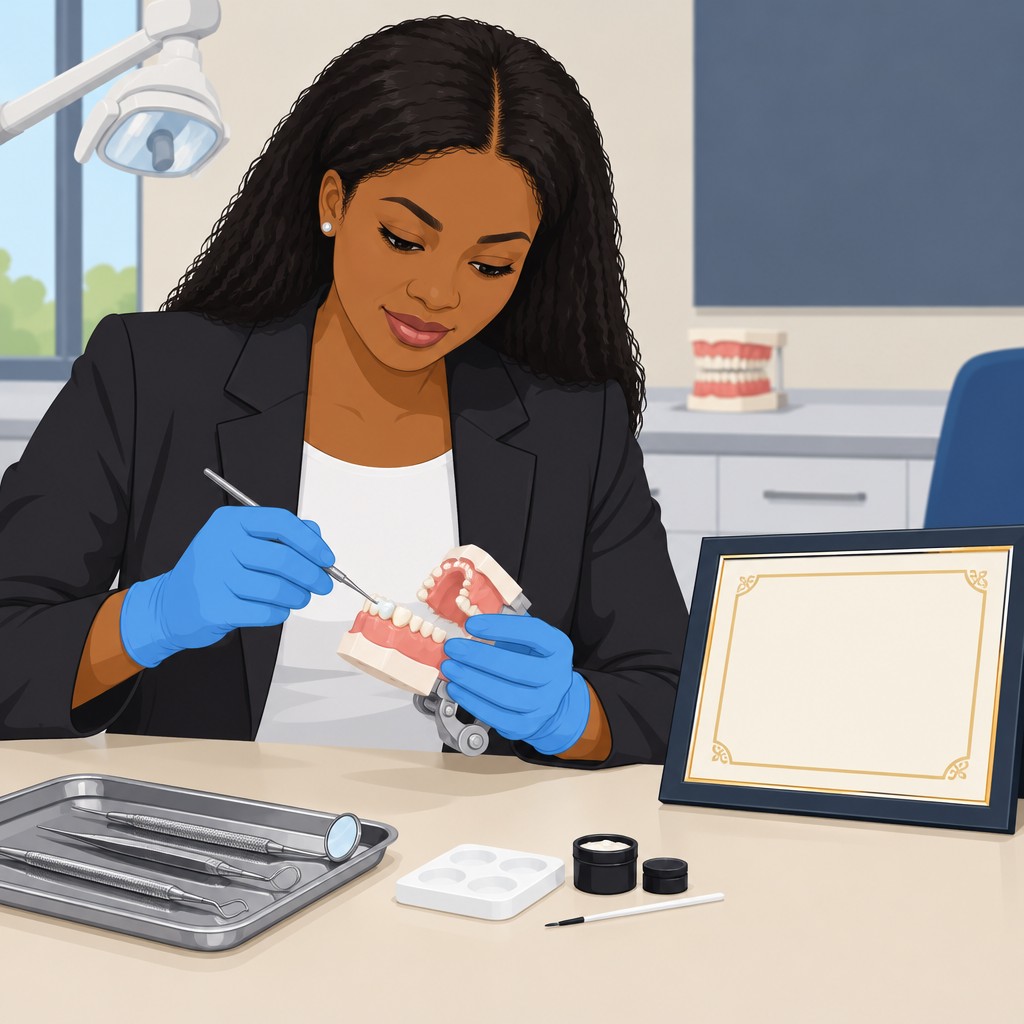
Mentorship and Apprenticeship in Restorative Dentistry
Experienced restorative dentists offer valuable knowledge and practical skills to aspiring professionals.
They demonstrate clinical techniques, explain procedures, and share guidance from their professional experience.
Furthermore, mentorship can help developing dentists build confidence, improve communication, and expand professional connections.
Benefits of Learning from Experienced Professionals
Experienced professionals connect clinical theory with real-world situations.
They also allow learners to observe restorative techniques and procedures firsthand.
Transform Your Career with Expert Guidance
Get personalized mentorship consulting that’s tailored to your unique path. Our expert advice is actionable and exclusive.
Get StartedAdditionally, their advice can clarify best practices and support professional networking.
- Access to real-world experience and practical knowledge
- Opportunities to observe techniques and procedures firsthand
- Guidance on best practices and tips for professional success
- Potential opportunities to network and build industry connections
Mentorship for Clinical Skill Development
Mentors provide personalized feedback that helps learners improve their clinical performance.
They explain complex procedures and support thoughtful treatment planning.
Moreover, mentors strengthen confidence and communication during clinical practice and patient interactions.
- Personalized feedback and guidance for improving performance
- A deeper understanding of complex procedures and treatment planning
- Greater confidence through experienced guidance and support
- Improved communication skills and patient interactions
Ways to Find a Restorative Dentistry Mentor
Professional conferences and networking events can introduce aspiring dentists to potential mentors.
Local dental associations may also provide mentorship opportunities and useful professional connections.
Peers, colleagues, online platforms, and professional forums can further support mentor searches.
- Attend professional conferences and networking events
- Contact local dental associations or professional organizations
- Request mentor recommendations from peers or colleagues
- Use online platforms and forums to connect with experienced professionals
Mentorship and apprenticeship help aspiring restorative dentists strengthen their clinical abilities.
Experienced guidance can help learners refine techniques and improve their interactions with patients.
Consequently, sustained mentorship supports professional development and a successful career in restorative dentistry.
Learn More: Female Surgeons in Nigeria: Breaking Barriers
Continuing Education Requirements for Maintaining Certification
Continuing education helps certified restorative dentists maintain their credentials and deliver high-quality patient care.
Because restorative dentistry evolves quickly, dentists must regularly update their knowledge and clinical abilities.
Ongoing learning also supports professional credibility and demonstrates a commitment to excellence.
Ongoing Training for Restorative Dentists
New techniques and technologies continue to influence restorative dentistry.
Certified dentists pursue ongoing training to understand these developments and apply them appropriately.
This preparation helps practitioners improve treatment planning and support effective patient outcomes.
Current Industry Standards and Best Practices
Regular education helps restorative dentists remain familiar with current industry standards.
They can also evaluate best practices and select effective treatment approaches for their patients.
Furthermore, current knowledge strengthens professional credibility and supports consistent clinical decision-making.
Resources for Continuing Education
Certified restorative dentists can use several resources to fulfill continuing education requirements.
Online courses, seminars, workshops, and conferences provide opportunities to expand professional knowledge.
Professional organizations also support learning, while advanced certifications and research projects offer further development.
Professional Benefits of Ongoing Education
Continuing education strengthens clinical skills and introduces dentists to additional restorative techniques.
As dentists expand their abilities, they can offer patients more treatment options.
Consequently, ongoing development can improve patient satisfaction and support successful restorative procedures.
See Related Content: Mental Health Advocacy and NGOs in Nigeria
International Certifications and Recognition for Restorative Dentists
Restorative dentistry requires advanced skills and knowledge.
Dentists pursue international certifications to demonstrate expertise and professional commitment.
These credentials also support continuous learning and professional development.
International Certification Bodies in Restorative Dentistry
Several international organizations provide certifications for specialized dental techniques.
Each organization focuses on specific areas within restorative and related dental practice.
Dentists can select a certification body that matches their professional goals.
- The International Congress of Oral Implantologists offers certification programs for implant dentistry.
- The Academy of Laser Dentistry provides certification in laser dentistry techniques.
- The American Academy of Cosmetic Dentistry offers certification for cosmetic dentistry procedures.
- The World Clinical Laser Institute provides certification for advanced laser dentistry techniques.
Benefits of International Recognition for Career Advancement
International recognition can strengthen a restorative dentist’s professional credibility.
It can also create opportunities to collaborate with international dental professionals.
Furthermore, recognized credentials can support continued access to professional development resources.
- Recognition can enhance credibility and reputation in restorative dentistry.
- International credentials can increase collaboration and networking opportunities.
- Certification can provide access to advanced training and educational resources.
- Recognition can improve career prospects, income potential, and job opportunities.
Steps for Obtaining International Certification
Certification requires careful planning and consistent preparation.
Dentists should review each organization’s requirements before applying.
After certification, professionals must continue their education to maintain recognition.
- Research certification bodies that align with your career goals.
- Attend training programs, workshops, and courses to develop the required skills.
- Prepare and submit your application with the required documents and fees.
- Complete the certification examination or assessment successfully.
- Maintain certification through continuing education and professional development activities.
International certification can strengthen professional credentials and expand clinical skills.
It can also support career advancement in restorative dentistry.
Professional Preparation for Restorative Dentistry
Training and certification help restorative dentists maintain a high standard of care.
Education and ongoing training support aspiring restorative dentists as they prepare for successful careers.
These professional development efforts strengthen their preparation for restorative dentistry.
Additional Resources
Google search results for Training and Certification for Restorative Dentists Medical
Bing search results for Training and Certification for Restorative Dentists Medical


