




Environmental Biology Internships in Nigeria
Internships in environmental biology in Nigeria provide valuable practical experience for students and professionals alike.
Through these placements, participants apply theoretical knowledge to real-world situations.
Moreover, interns work with industry professionals and researchers.
They gain insight into current trends and best practices.
These experiences also develop valuable skills and professional networks.
Those networks can support future career opportunities.
Additionally, participants explore field research, data analysis, and other areas of environmental biology.
This exploration helps them refine their interests and focus their career goals.
Finally, hands-on experience reveals the practical challenges and rewards of environmental work.
It also prepares participants for future roles in environmental science and conservation.
Environmental Biology in Nigeria
Environmental biology examines relationships between living organisms and their environment in Nigeria.
The field examines how human activities affect biological systems and natural resources.
It also supports biodiversity conservation and sustainable development across the country.
Importance of Environmental Understanding and Biodiversity
Biodiversity helps ecosystems remain stable and resilient.
Environmental biology enables researchers to assess ecosystem health and predict human impacts.
Furthermore, biodiversity supports essential services, including clean water, air, and soil.
Protecting biological diversity therefore supports healthier ecosystems and sustainable resource use.
Key Environmental Issues Facing Nigeria
Nigeria faces several environmental challenges that affect ecosystems, communities, and natural resources.
These challenges often result from industrial activity, inadequate waste disposal, deforestation, and expanding urbanization.
Climate change further increases pressure on habitats and environmental systems.
- Pollution affects air, water, and land through industrial activities, waste disposal, and deforestation.
- Deforestation causes habitat loss, soil erosion, and climate change.
- Biodiversity loss threatens plant and animal species through habitat destruction and poaching.
- Climate change produces extreme weather, rising temperatures, and changing rainfall patterns.
- Weak waste management contributes to environmental degradation, pollution, and public health risks.
- Rapid urbanization pressures natural resources and contributes to land degradation and biodiversity loss.
Environmental Biology and Sustainable Development
Environmental biology helps address environmental challenges and protect biodiversity in Nigeria.
Researchers can study environmental changes and develop approaches that reduce human impacts.
These efforts can support healthy ecosystems and preserve natural resources for future generations.
Available Internship Pathways
Nigeria offers several environmental biology internship pathways for students and recent graduates.
Field research placements examine flora, fauna, biodiversity, population trends, and habitat conditions.
Conservation placements protect endangered species, preserve habitats, and support biodiversity management.
- Field Research Internship: Interns collect ecological data across various ecosystems.
- Conservation Internship: Interns support endangered species protection and habitat restoration.
- Environmental Education Internship: Interns promote environmental awareness and sustainable practices.
Intern Responsibilities and Field Activities
Interns assist research teams with data collection, analysis, documentation, and reporting.
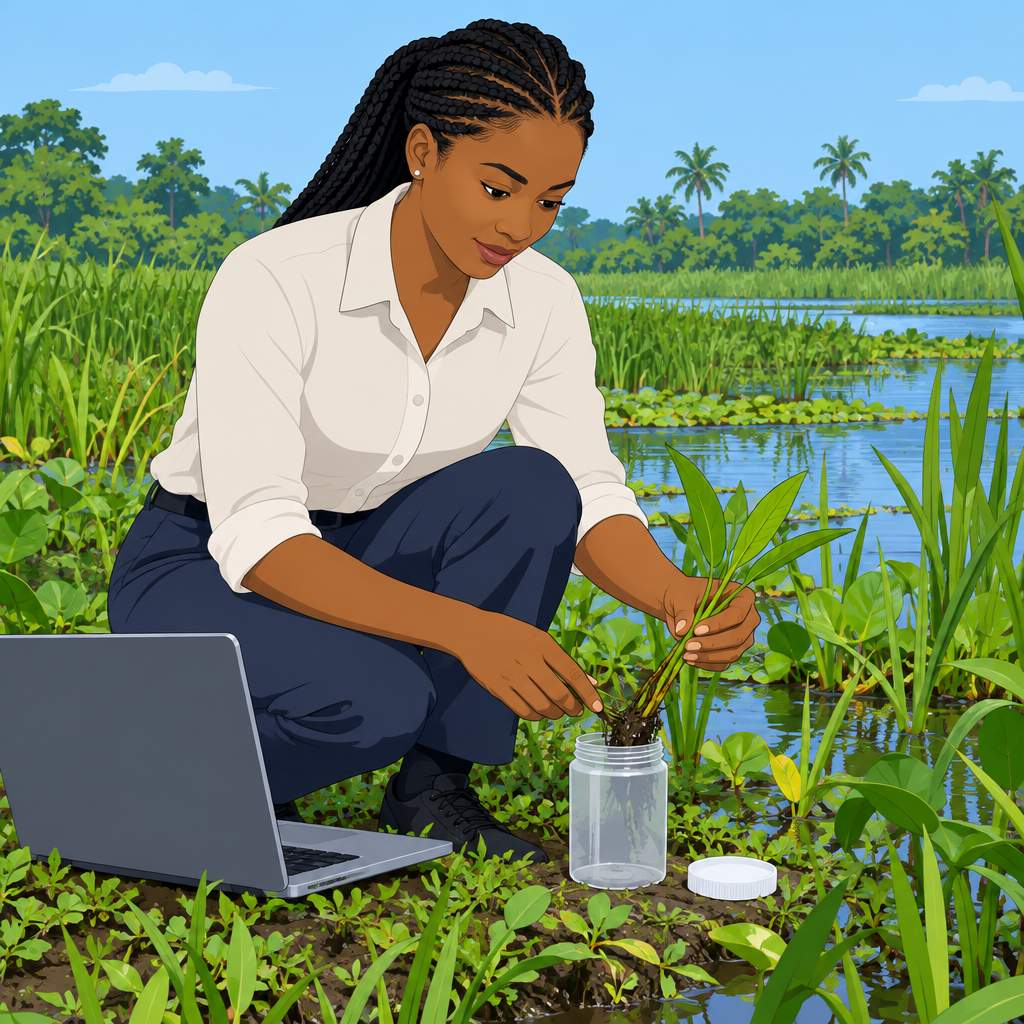
They may conduct wildlife surveys, vegetation assessments, camera trapping studies, or water quality testing.
Conservation activities can include monitoring wildlife populations and implementing habitat restoration projects.
Additionally, interns help develop research proposals and present findings to project teams or stakeholders.
- Assist with data collection and analysis for research projects.
- Participate in wildlife surveys and habitat restoration activities.
- Develop educational materials and support outreach events.
Organizations Offering Environmental Biology Internships
Several Nigerian organizations provide internships involving conservation, research, education, and community engagement.
The Nigerian Conservation Foundation offers placements in conservation biology, research, and policy advocacy.
Wildlife Conservation Society Nigeria provides opportunities involving wildlife monitoring, research, and community development.
Environmental Conservation Organization supports environmental education, communication, and conservation advocacy activities.
- Nigerian Conservation Foundation: Interns may support wildlife protection and habitat restoration projects.
- Wildlife Conservation Society Nigeria: Interns may assist with wildlife surveys and community programs.
- Environmental Conservation Organization: Interns may create educational resources and promote sustainable practices.
Educational and Conservation Contributions
Environmental education interns develop materials, lead workshops, and organize outreach events.
They engage schools, community groups, and other audiences through conservation communication.
These activities strengthen communication skills while encouraging environmental protection and sustainable practices.
Through fieldwork and outreach, interns contribute to conservation efforts across Nigeria.
Explore Further: Nigeria's Contributions to Environmental Science
Applicants for environmental biology internships in Nigeria must meet educational, technical, and personal requirements.
Transform Your Career with Expert Guidance
Get personalized mentorship consulting that’s tailored to your unique path. Our expert advice is actionable and exclusive.
Get StartedThese requirements help organizations identify candidates prepared for research and conservation activities.
Additionally, applicants should review each program’s conditions before submitting an application.
Educational Qualifications for Internship Applicants
Most programs require a Bachelor’s degree in Environmental Biology or a related field.
However, students studying Environmental Science, Ecology, or Conservation Biology may also qualify.
Some organizations accept applicants who currently pursue relevant undergraduate degrees.
- Applicants typically need a Bachelor’s degree in Environmental Biology or a related field.
- Students pursuing Environmental Science, Ecology, or Conservation Biology may also qualify.
- Some internship programs accept students enrolled in relevant undergraduate programs.
Technical Skills and Relevant Experience
Successful applicants should understand ecological principles and environmental conservation techniques.
Furthermore, fieldwork, data collection, and analysis experience can support an application.
Clear communication enables interns to present research findings effectively.
- Applicants need strong knowledge of ecological principles and conservation techniques.
- Fieldwork, data collection, and analysis experience can benefit applicants.
- Environmental monitoring tools and software provide valuable technical skills.
- Strong written and verbal communication supports effective presentation of research findings.
- Applicants should work independently and collaborate effectively with teams.
Personal Qualities and Additional Conditions
Applicants should demonstrate genuine interest in environmental biology and conservation.
Some programs also require practical arrangements for fieldwork in remote locations.
Adaptability and problem-solving skills help interns respond to changing environments.
- Applicants must show genuine interest in environmental biology and conservation.
- Some internship programs require a valid driver’s license for fieldwork.
- Certain remote field placements may require proof of medical insurance coverage.
- Strong problem-solving skills help candidates address unexpected challenges.
- Applicants should adapt effectively to changing environmental conditions.
You Might Also Like: Trends in Environmental Management Technology in Nigeria
Practical Benefits of Environmental Biology Internships
Environmental biology internships connect academic learning with practical workplace experience.
Interns contribute to real-world projects while developing skills that classroom lessons cannot fully provide.
These placements also help students and young professionals understand potential career directions.
Hands-On Experience and Practical Skills
Interns gain hands-on experience by participating in fieldwork and practical environmental projects.
They can conduct research, analyze data, and apply biological concepts to workplace tasks.
As a result, interns strengthen their ability to handle responsibilities beyond academic exercises.
Professional Connections and Career Development
Internships introduce participants to professionals working in environmental biology.
These relationships can support future employment opportunities and continued career growth.
Meanwhile, workplace exposure helps interns compare career paths and clarify their professional goals.
Academic Progress and Professional Growth
Some environmental biology internships allow students to earn academic credit.
This arrangement lets participants gain experience while meeting relevant academic requirements.
Internships also develop communication, teamwork, problem-solving, and time management skills.
Exploring Environmental Biology Specialties
Interns encounter different areas of environmental biology during their placements.
This exposure helps them recognize personal strengths, weaknesses, and professional interests.
Consequently, participants can make better-informed decisions about future education and employment.
Strengthening a Resume for Future Employment
Internship experience demonstrates practical involvement in environmental biology.
A strong resume can highlight relevant skills, responsibilities, and achievements from the placement.
Therefore, internship experience can help candidates attract attention from potential employers.
See Related Content: Estate Management Degrees: What to Expect
Challenges Facing Environmental Biology Interns
Environmental biology interns may encounter obstacles while pursuing meaningful learning opportunities.
Limited resources can restrict access to equipment and materials needed for research.
Additionally, strong competition can reduce opportunities and create rivalry among interns.
- Lack of resources may limit interns’ access to research equipment and materials.
- Limited opportunities may prevent interns from securing meaningful projects.
- Competition can create intense rivalry among environmental biology interns.
Strategies for Overcoming Internship Challenges
Interns can respond to these challenges through deliberate professional and personal development.
Furthermore, practical initiative can help them discover projects and collaborations.
Mentorship and persistence can guide interns as they strengthen their environmental biology knowledge.
- Build a network by connecting with professionals who can provide resources and opportunities.
- Take initiative by seeking projects and collaborations throughout the internship.
- Gain skills by learning new methods and expanding environmental biology knowledge.
- Stay persistent when obstacles arise, and continue pursuing professional goals.
- Seek mentorship from someone who can offer guidance and support.
See Related Content: Green Building Technologies in Nigeria
Career Value of Environmental Biology Internships
Environmental biology internships in Nigeria give students practical experience in the field.
They help individuals apply theoretical knowledge to real-world scenarios, strengthening their skills and understanding of environmental issues.
Internships also help participants network with professionals and potential employers in the environmental sector.
These practical experiences support career development and future job opportunities.
Interested individuals should seek internship opportunities to gain hands-on experience and positively affect Nigeria’s environment.
Additional Resources
Google search results for Internships in Environmental Biology in Nigeria Environmental
Bing search results for Internships in Environmental Biology in Nigeria Environmental


