



Introduction
Gynaecological health in Nigerian women supports overall well-being.
Addressing common issues helps maintain a healthy reproductive system.
Women in Nigeria face various gynaecological challenges due to cultural, social, and economic factors.
Therefore, raising awareness and improving access to quality healthcare services remains vital.
Cervical Cancer
Cervical cancer mainly develops after HPV infection.
Smoking, multiple sexual partners, and a weakened immune system increase the risk.
Additionally, regular Pap smears can reveal precancerous cervical changes early.
HPV vaccination helps protect young girls from infection and future cervical cancer.
In Nigeria, treatment may include surgery, chemotherapy, or radiation therapy.
Early screening improves the chances of successful treatment.
Importance of Regular Screenings and Vaccinations
Regular screenings identify abnormalities in the cervix before cancer advances.
Meanwhile, HPV vaccines protect against common strains linked to cervical cancer.
Screening can also identify early-stage cancer when treatment works most effectively.
Health providers recommend vaccination for girls aged 9-14 to help prevent infection.
Therefore, check-ups and vaccination can significantly reduce cervical cancer risk.
Available Treatment Options in Nigeria
Surgery can remove cancerous tissue from the cervix.
Chemotherapy uses medicines to kill cancer cells.
Radiation therapy directs high-energy beams at cancer cells.
For advanced cancer, palliative care focuses on improving quality of life.
Treatment choices depend on the cancer’s stage and severity.
Finally, access to quality healthcare remains crucial for better outcomes in Nigeria.
Fibroids
Fibroids are common gynecological growths among Nigerian women.
They can affect symptoms, daily comfort, and reproductive health.
Proper diagnosis helps healthcare providers recommend suitable management.
Prevalence Among Nigerian Women
Fibroids represent a significant gynecological concern among Nigerian women.
Age, family history, obesity, and hormonal imbalances can influence risk.
Awareness of these factors can encourage women to seek appropriate assessment.
- Fibroids are estimated to affect about 3 out of 10 Nigerian women.
- They occur most commonly among women between 30 and 40 years old.
- Family history, obesity, and hormonal imbalances can increase the risk.
Symptoms and Possible Complications
Fibroids can produce symptoms that affect comfort and daily activities.
Some symptoms result from bleeding, pain, or pressure on nearby organs.
Medical evaluation can identify complications and guide appropriate care.
- Common symptoms include heavy menstrual bleeding, pelvic pain, and frequent urination.
- Blood loss can cause anemia, while fibroids may also create fertility issues.
- Large fibroids can pressure the bladder or bowel and cause discomfort.
Treatment Options
Treatment decisions depend on the fibroids’ size and location.
Healthcare providers may consider symptoms, complications, and individual reproductive needs.
Both medical and surgical approaches can help manage fibroids.
- Hormonal therapy can help manage symptoms in some cases.
- Myomectomy removes fibroids while preserving the uterus.
- Hysterectomy removes the uterus and provides another surgical option.
Traditional Remedies and Safety Considerations
Some Nigerian women use traditional remedies to manage fibroid symptoms.
These remedies may include herbs and other prepared concoctions.
Women should discuss alternative treatments with a healthcare provider before using them.
- Traditional remedies may not have strong scientific support.
- Some alternative treatments could create potential health risks.
- Professional guidance supports safer decisions about symptom management.
Fibroids require proper diagnosis and management to support quality of life.
Delve into the Subject: Professional Organizations for Anatomical Pathologists Nigeria
Pelvic Inflammatory Disease (PID)
PID is a common gynaecological problem among Nigerian women.
It can cause serious health implications without prompt diagnosis and treatment.
Transform Your Career with Expert Guidance
Get personalized mentorship consulting that’s tailored to your unique path. Our expert advice is actionable and exclusive.
Get StartedTherefore, women should recognise symptoms and seek medical attention quickly.
Causes of PID
- Sexually transmitted infections (STIs), including gonorrhoea and chlamydia, commonly cause PID in Nigerian women.
- Untreated or inadequately treated STIs can spread beyond the initial infection.
- This spread can affect the reproductive organs and produce PID.
Symptoms and Long-Term Effects of PID
- PID may cause abdominal pain, abnormal vaginal discharge, and painful urination.
- It can also cause irregular menstrual bleeding.
- Untreated PID may cause infertility, chronic pelvic pain, or ectopic pregnancy.
Importance of Early Diagnosis and Treatment
- Early diagnosis can prevent infection progression and reduce long-term complications.
- Treatment delays can cause irreversible damage to the reproductive organs.
This damage can affect fertility and overall health.
Women should seek medical attention promptly after experiencing symptoms or suspecting STI exposure.
Regular gynaecological check-ups support the prevention of PID and other gynaecological issues.
Safe sex and good sexual health habits also help prevent PID.
Gain More Insights: How to Choose a Veterinary School in Nigeria
Endometriosis Among Nigerian Women
Endometriosis affects many Nigerian women.
The condition causes tissue similar to the uterine lining to grow outside the uterus.
This growth can cause pain and affect fertility.
Challenges in Endometriosis Diagnosis
Limited awareness can prevent women from recognising possible endometriosis symptoms.
Healthcare providers may mistake severe symptoms for ordinary period pain.
Furthermore, some women cannot easily access facilities with endometriosis diagnostic expertise.
- Women may lack information about endometriosis symptoms.
- Providers may diagnose the condition late when they mistake symptoms for normal period pain.
- Limited specialist services can delay accurate diagnosis.
Effects on Fertility and Quality of Life
Endometriosis can contribute to infertility in some women.
Severe pelvic pain can disrupt daily activities and reduce personal comfort.
Moreover, chronic pain can contribute to anxiety and depression.
- Some women experience infertility linked to endometriosis.
- Pelvic pain can interfere with everyday activities.
- Chronic discomfort can affect mental health through anxiety and depression.
Management Options for Endometriosis
Healthcare providers can recommend treatment according to each woman’s symptoms and needs.
Laparoscopic surgery can remove endometrial tissue and adhesions.
Hormonal medicines and pain management strategies can also reduce symptoms.
- Laparoscopic surgery can remove endometrial tissue and adhesions.
- Hormonal medicines include birth control pills and GnRH agonists.
- Heat therapy and over-the-counter pain relievers can support pain management.
Greater awareness can help women discuss persistent symptoms with healthcare providers.
Appropriate care can address pain, fertility concerns, and quality of life.
Uncover the Details: Choosing a Gynaecologist in Nigeria: Tips
Vaginal Infections Among Nigerian Women
Vaginal infections commonly affect Nigerian women and may cause discomfort, pain, or embarrassment.
Recognising symptoms early helps women seek suitable care and protect their gynaecological health.
Understanding causes, prevention, and treatment supports healthier choices and timely medical attention.
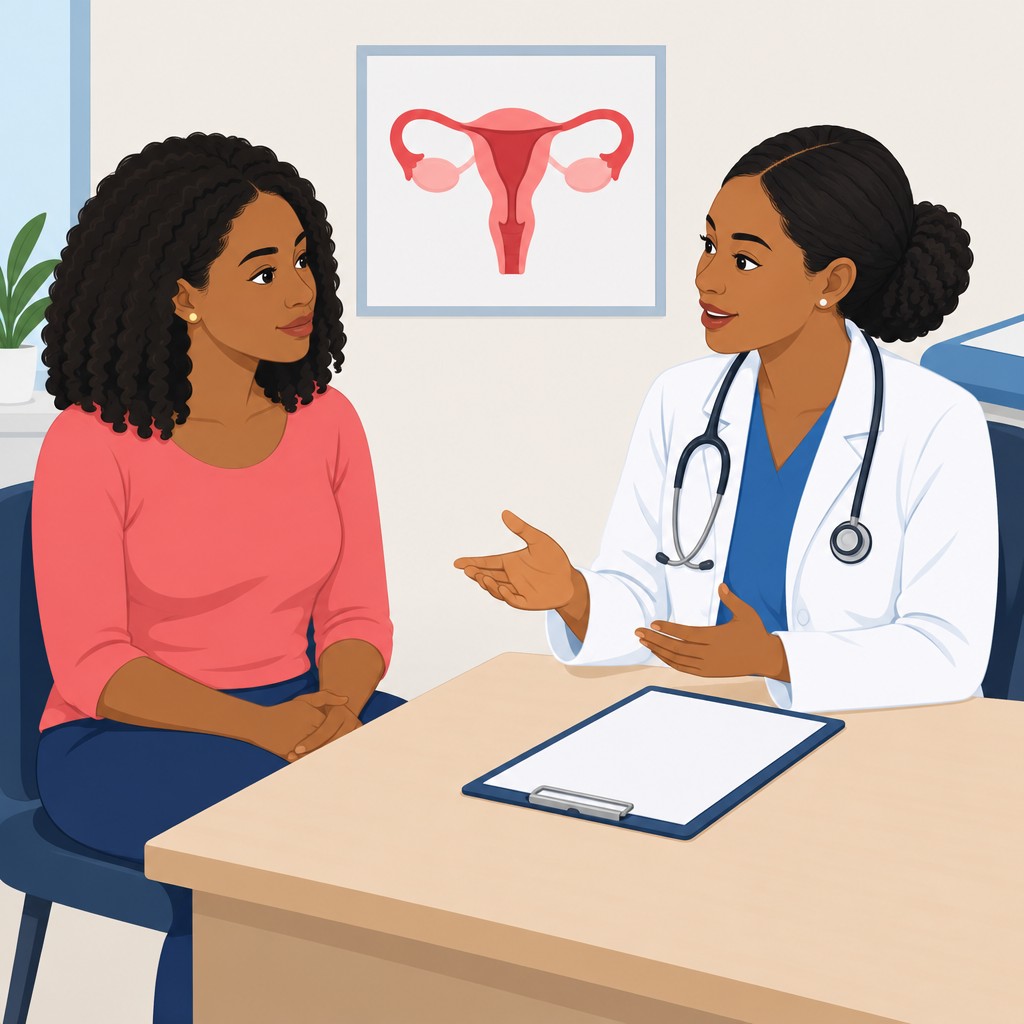
Common Types of Vaginal Infections
Several vaginal infections can affect Nigerian women.
Each infection may require a different treatment approach.
A healthcare provider can confirm the infection and recommend appropriate treatment.
- Bacterial vaginosis (BV)
- Yeast infections
- Trichomoniasis
Symptoms and Risk Factors
Vaginal infections may produce noticeable changes that require medical assessment.
Symptoms can vary according to the specific infection.
Women should seek care when symptoms persist, worsen, or cause significant discomfort.
- Abnormal vaginal discharge
- Itching or burning sensation
- Unpleasant odour
Several factors may increase the likelihood of developing a vaginal infection.
Sexual activity and some medications can contribute to infection risk.
Hygiene practices may also influence vaginal health.
- Poor hygiene practices
- Sexual activity
- Use of certain medications
Prevention and Treatment Strategies
Good hygiene and healthy lifestyle choices can help prevent vaginal infections.
Women should avoid practices and products that irritate the vaginal area.
Healthcare providers can recommend antibiotics, antifungal medicines, or other prescribed treatments.
- Maintain proper hygiene.
- Avoid douching.
- Wear breathable cotton underwear.
- Avoid scented products and other irritants.
- Practise safe sex.
- Seek timely medical attention.
You Might Also Like: How Often Should You Visit a Preventive Dentist?
Menstrual disorders are common among Nigerian women.
These conditions can affect daily life and fertility.
Heavy Menstrual Bleeding
Excessive menstrual bleeding, known as menorrhagia, can cause anemia and fatigue.
Medication and hormonal therapy can help manage heavy bleeding.
Healthcare providers may recommend surgical interventions when bleeding becomes severe.
Irregular Menstrual Cycles
Hormonal imbalances, stress, or underlying health issues can cause irregular menstrual cycles.
Irregular cycles can affect fertility and reproductive health.
Furthermore, unpredictable periods can create anxiety and uncertainty.
Effects on Daily Life and Fertility
Menstrual disorders can disrupt daily activities through discomfort and pain.
Emotional distress may also accompany menstrual difficulties.
Irregular periods can make conception more difficult for some women.
Management and Medical Support
Hormone therapy can regulate menstrual cycles and treat heavy bleeding.
Stress reduction, exercise, and a balanced diet may support symptom management.
For severe disorders, providers may recommend endometrial ablation or hysterectomy.
Women experiencing menstrual disorders should seek medical help and appropriate support.
Early intervention can improve quality of life and reproductive health.
Obstetric Fistula
Obstetric fistula develops when prolonged, obstructed labor creates an abnormal opening.
It may connect the birth canal with the bladder or rectum.
Consequently, timely care and social support remain important for affected women.
Causes and Risk Factors
- Prolonged, obstructed labor without timely medical intervention mainly causes obstetric fistula.
- Additionally, early marriage, limited maternal healthcare, and poverty increase the risk.
- Poor nutrition and inadequate antenatal care can also contribute to fistula development.
Social Stigma and Psychological Effects
- Women with obstetric fistula may face social ostracism and discrimination.
- As a result, many women experience shame, isolation, and depression.
- The psychological effects can lower self-esteem and create feelings of hopelessness.
Treatment and Support Services in Nigeria
- Surgeons can repair obstetric fistula through a procedure called fistula repair surgery.
- In Nigeria, organizations and NGOs provide free or subsidized fistula repair surgeries.
- Furthermore, counseling, rehabilitation, and skills training can support social reintegration.
Medical treatment can address the physical opening and improve affected women’s lives.
Social and psychological support can also help women recover confidence and reconnect with their communities.
Common Gynaecological Conditions and Their Effects
Fibroids, endometriosis, and cervical cancer affect many Nigerian women.
These conditions may influence fertility, cause chronic pain, or create serious health complications.
Therefore, understanding possible concerns can encourage women to protect their gynaecological health.
Recognising Symptoms and Seeking Timely Care
Women should notice concerning symptoms and seek medical help without hesitation.
Moreover, early detection and treatment can improve outcomes for these gynaecological conditions.
Prompt professional assessment helps women receive care suited to their health needs.
Support for Better Gynaecological Health Outcomes
Healthcare providers should offer women appropriate support and care during evaluation and treatment.
Additionally, greater awareness can help women make timely decisions about medical attention.
Together, awareness, intervention, and support can strengthen gynaecological health among Nigerian women.
Additional Resources
Google search results for Common Gynaecological Issues in Nigerian Women Medical
Bing search results for Common Gynaecological Issues in Nigerian Women Medical


