



Introduction
Definition of Mechatronics Engineering: Mechatronics engineering is a multidisciplinary field combining mechanical, electrical, and computer engineering.
Importance of Mechatronics Engineering in the Modern World: Mechatronics engineering advances automation, robotics, and artificial intelligence.
It supports technologies such as self-driving cars, industrial automation, and smart home systems.
Current Trends in Mechatronics Engineering
Global automation trends continue to create new opportunities for mechatronics engineers.
Universities and industry partners increasingly support specialized education and technology development.
Meanwhile, artificial intelligence and machine learning improve the performance of mechatronics systems.
Overview of the Current State of Mechatronics Engineering Globally
- Industries worldwide increasingly seek mechatronics engineers as automation expands across various applications.
- Universities offer specialized mechatronics programs to address growing industry needs.
- Academic and industry collaboration supports the development of advanced mechatronics technologies.
- Artificial intelligence and machine learning enhance mechatronics system performance.
- Mechatronics startups and companies develop innovative solutions for robotics and automation.
Key Advancements and Innovations in the Field
- Advanced sensors and actuators provide more precise control and feedback in mechatronics systems.
- Internet of Things technology connects mechatronics devices for communication and data sharing.
- Virtual reality and augmented reality support mechatronics design and simulation processes.
- Additive manufacturing, including 3D printing, enables rapid prototyping of mechatronics components.
- Bio-inspired design principles can produce more efficient and adaptive mechatronics systems.
These developments place mechatronics engineering at the forefront of technological innovation.
Together, they continue to reshape automation and robotics.
Engineers who track emerging technologies can help create future opportunities in the field.
Career Paths and Opportunities in Mechatronics Engineering
Technology continues to advance across many industries.
Consequently, employers increasingly seek skilled mechatronics professionals.
These professionals can pursue several specialized engineering careers.
Robotics Engineering
Robotics engineers design, develop, and maintain robots and robotic systems.
They create robots for manufacturing, healthcare, agriculture, and other industries.
Specialized robotics training can support a promising career in this field.
Automation Engineering
Automation engineers optimize processes and systems through automated technology.
Their work improves efficiency, safety, and productivity across multiple industries.
Automotive, aerospace, and manufacturing companies use their automation expertise.
Control Systems Engineering
Control systems engineers design and implement systems for diverse applications.
These applications include industrial machinery, transportation systems, and smart devices.
This career requires knowledge of electronics, computer science, and mechanical engineering.
Embedded Systems Engineering
Embedded systems engineers develop software and hardware for specialized devices.
Their work supports smartphones, Internet of Things devices, and medical equipment.
Programming, electronics, and firmware development skills support this career path.
Product Development Engineering
Product development engineers design and improve products from concept through production.
They can contribute to consumer electronics, automotive, and aerospace products.
Cross-functional collaboration helps these engineers bring innovative products to market.
Research and Development Engineering
Research and development engineers create new technologies and products.
They can pursue opportunities in defense, energy, and healthcare industries.
Their expertise helps address complex engineering challenges and advance innovation.
Growing Demand for Mechatronics Engineers
Employers increasingly value professionals with mechanical, electronic, and control systems skills.
Several developments continue to expand opportunities for mechatronics engineers.
These developments affect manufacturing, technology, and other industrial sectors.
Industry 4.0 Applications
Industry 4.0 integrates digital technologies into manufacturing and other industries.
Mechatronics engineers implement automation, robotics, and Internet of Things solutions.
These solutions support efficiency and innovation within connected industrial environments.
Technological Advancements
Artificial intelligence, machine learning, and sensor technologies create new opportunities.
Companies seek professionals who can apply these technologies effectively.
Such expertise helps teams develop smart systems and innovative products.
Cross-Disciplinary Engineering Skills
Mechatronics roles draw on mechanical engineering, electrical engineering, and computer science.
Transform Your Career with Expert Guidance
Get personalized mentorship consulting that’s tailored to your unique path. Our expert advice is actionable and exclusive.
Get StartedProfessionals with combined expertise can adapt to different roles and industries.
As a result, employers often seek versatile mechatronics engineering candidates.
Global Competition and Innovation
Global competition encourages companies to seek innovative engineering solutions.
Mechatronics engineers support innovation and product development across industries.
Their contributions help companies pursue stronger competitive positions.
Professional Opportunities in Mechatronics Engineering
Mechatronics engineering offers diverse career paths for technology-focused professionals.
Engineers can apply their skills across robotics, automation, products, and research.
Growing industry demand highlights this field’s continuing importance to engineering development.
Learn More: Automobile Engineering Admission Requirements in Nigeria
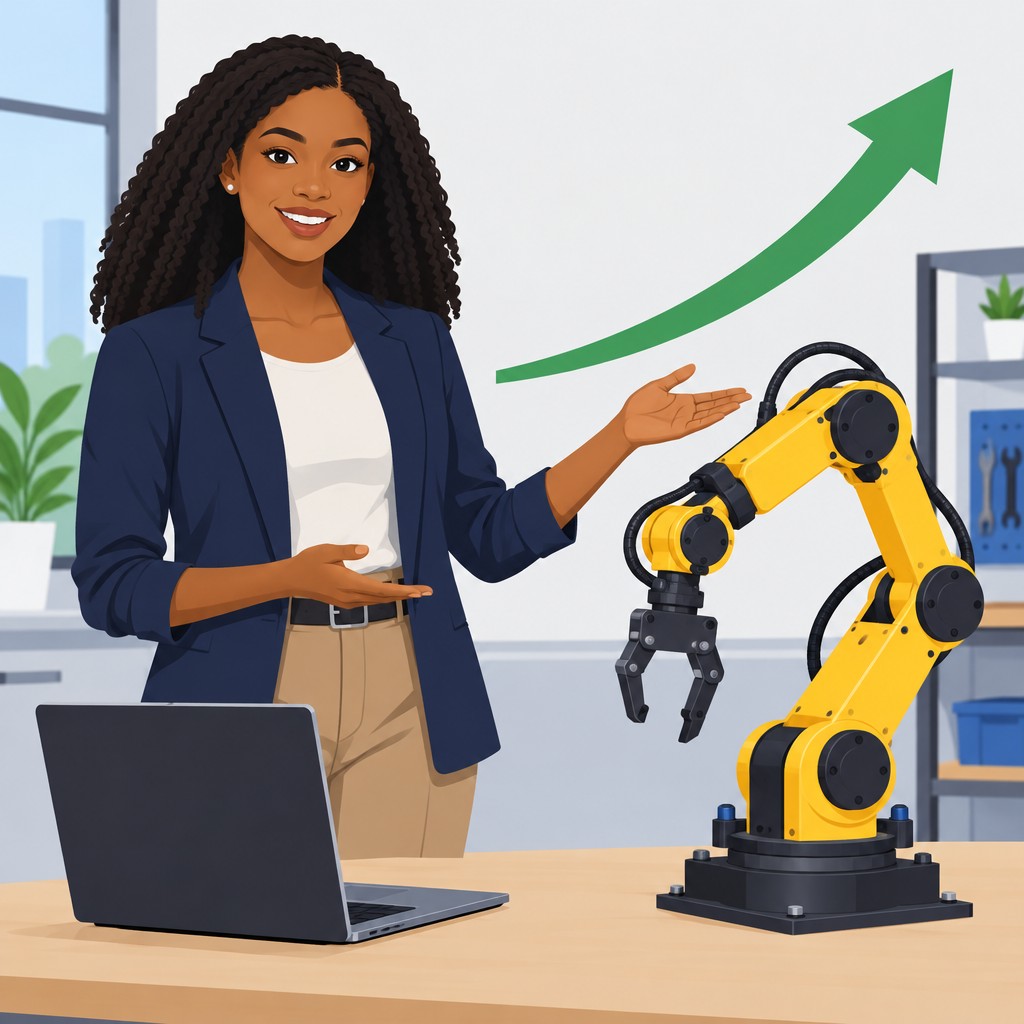
Future Developments in Mechatronics Engineering
Mechatronics engineering will continue advancing as its combined technologies create new possibilities.
Engineers will develop systems that improve machine performance, adaptability, and efficiency.
These developments will influence automation, robotics, manufacturing, and portable technologies.
- Automation will increase as industries demand robotic systems that perform complex tasks precisely and efficiently.
- Artificial intelligence and machine learning will help systems learn, adapt, and make autonomous decisions.
- Robots will become more sophisticated, versatile, and capable of working alongside people.
- Smart factories will integrate digital technologies with autonomous manufacturing systems.
- Compact components will support wearable devices, micro-robots, and portable gadgets.
Emerging Technologies in Mechatronics Engineering
Several emerging technologies will guide future research and practical development.
Engineers will connect devices, energy systems, biological functions, sensors, and vehicles.
These areas will expand how mechatronic systems operate and interact with their environments.
- The Internet of Things will improve communication, functionality, and connectivity among mechatronic devices.
- Renewable energy systems will support sustainability and environmental responsibility in mechatronics.
- Bio-mechatronics will support advanced prosthetics, exoskeletons, and medical implants.
- Advanced sensors will provide precise feedback and data for control and monitoring.
- Autonomous vehicles will use advanced mechatronic systems for self-driving capabilities.
Mechatronics engineers will help shape how people interact with machines and systems.
Gain More Insights: Land Surveying: Essential Skills and Qualifications
Challenges and Opportunities in Mechatronics Engineering
Mechatronics engineering presents demanding challenges and valuable opportunities.
Engineers must coordinate several technical areas while developing reliable systems.
Meanwhile, continued learning helps engineers succeed in this dynamic field.
Challenges Faced by Mechatronics Engineers
Mechatronics engineers integrate mechanical, electrical, and software systems.
They must also understand concepts from several engineering disciplines.
Additionally, rapid technological change requires engineers to update their skills continuously.
- Complex systems can make integration and development difficult.
- Engineers need strong knowledge of mechanical, electrical, and computer engineering concepts.
- Rapid technological advancements require continuous learning and skill development.
- High equipment costs can make system development and implementation expensive.
- Engineers must ensure seamless integration among different system components.
Opportunities for Growth and Development
Automation continues to increase demand for mechatronics engineers.
Cross-functional skills can give engineers a competitive advantage in the job market.
Furthermore, engineers can contribute to advanced technologies and research.
- Growing automation creates increased demand for mechatronics engineers.
- Mechanical, electrical, and software skills can strengthen professional opportunities.
- Robotics, artificial intelligence, and automation offer opportunities in advanced fields.
- Industry 4.0 relies on mechatronics to improve manufacturing innovation and efficiency.
- Research and development projects offer additional opportunities for professional contribution.
Although challenges remain, mechatronics engineering supports substantial professional growth.
Engineers can navigate these challenges by strengthening their skills and following technological advancements.
As a result, they can build rewarding careers in this evolving field.
Uncover the Details: Overview of Mechatronics Engineering in Nigeria
Education and Training for Mechatronics Engineers
- Aspiring mechatronics engineers need a minimum of a bachelor’s degree in engineering or a related field.
- Advanced positions may require a master’s or Ph.D. in mechatronics, robotics, or a related discipline.
- Mathematics, physics, computer science, and electrical engineering provide essential mechatronics courses.
- Training programs often include hands-on experience with automation systems, robotics, and control technologies.
- Continuous learning remains crucial for mechatronics engineers who want to stay updated with evolving technologies.
- Attending workshops, conferences, and seminars helps professionals enhance their skills and knowledge.
- Research and development projects provide practical experience and exposure to cutting-edge technologies.
- Certifications in areas such as PLC programming or FANUC robotics can enhance job prospects.
Explore Further: Exploring Vernacular Architecture in Nigerian Villages
Future Prospects of Mechatronics Engineering
The future prospects of mechatronics engineering remain highly promising.
By integrating mechanical, electrical, and computer science principles, the field creates opportunities for continued innovation.
Mechatronics engineers develop advanced technologies, including robotics, automation, and artificial intelligence.
Their multidisciplinary approach helps them address complex problems and create advanced solutions.
Moreover, industries can use mechatronics engineering to improve efficiency, productivity, and safety.
This potential extends across manufacturing, healthcare, aerospace, and entertainment.
As technology advances rapidly, demand for skilled mechatronics engineers will continue to grow.
Therefore, aspiring professionals should follow emerging trends and technologies to remain competitive.
Mechatronics engineering will help shape the future of technology and innovation.
It offers opportunities for people passionate about expanding technological possibilities.
Embracing this field involves more than creating new gadgets or machines.
It also means transforming how people interact with the world around them.
Consequently, mechatronics engineering can contribute to improved quality of life.
The field offers broad possibilities for future innovation.
Additional Resources
Google search results for Future Prospects of Mechatronics Engineering Engineering
Bing search results for Future Prospects of Mechatronics Engineering Engineering


