



Vernacular Architecture in Nigerian Villages
Vernacular architecture in Nigerian villages reflects the country’s rich cultural heritage.
It includes traditional building techniques and materials specific to each region or community.
Moreover, it showcases the diversity and history of various Nigerian ethnic groups.
It also represents the people’s lifestyle, climate, and available resources.
Characteristics of Vernacular Architecture in Nigerian Villages
Vernacular architecture in Nigerian villages reflects local traditions, environmental conditions, and available resources.
Builders adapt structures to meet practical needs while preserving community identity.
These buildings also express knowledge passed between generations.
Common Materials Used
Local builders rely on materials they can obtain within their surrounding environment.
These materials provide practical solutions for construction and indoor comfort.
Furthermore, their use strengthens connections between buildings and local landscapes.
- Mud supports construction because it remains abundant and provides useful thermal properties.
- Wood forms structural elements, including columns, beams, and roofing components.
- Thatch uses natural fibers, such as palm leaves, to create traditional roofs.
- Stone serves as a foundation and wall material in certain regions.
- Bamboo supports structural work and creates interior partitions.
Traditional Building Techniques
Traditional builders use straightforward techniques that transform local materials into durable structures.
These methods combine manual skill with practical responses to local building needs.
Consequently, communities preserve construction knowledge through repeated use and instruction.
- Wattle and daub weaves sticks together before builders coat them with mud.
- Earth bags use packed earth or sand to create insulated walls.
- Builders shape handmade mud bricks, then sun-dry or bake them.
- Thatching layers and secures natural roofing materials to create waterproof coverings.
- Timber framing assembles wooden members into a building structure.
Architectural Styles in Nigerian Villages
Different Nigerian communities express identity through distinctive building forms and compound arrangements.
Regional styles often combine practical planning with recognizable decorative features.
Moreover, mobility, religion, and local customs influence how communities organize buildings.
- Hausa architecture reflects Islamic influence through flat roofs and intricate patterns.
- Igbo architecture uses high-pitched roofs, clay walls, and compound layouts.
- Yoruba architecture features courtyard arrangements with wood and mud construction.
- Fulani architecture includes mobile tents or huts made from natural materials.
- Edo architecture includes palatial buildings, decorative motifs, and exotic woods.
Climate, Culture, and Local Materials
Climate strongly influences how builders shape vernacular structures across Nigerian villages.
Many regions experience hot and humid conditions that affect building design.
Wide eaves provide shade, while thick walls help maintain comfortable indoor temperatures.
Culture also shapes compound layouts, decorative elements, and architectural traditions.
Communities use local materials such as mud, wood, and thatch.
These materials reflect available resources and support sustainable building practices.
They also strengthen relationships between communities and their surrounding environment.
Vernacular structures provide functional shelter while expressing local cultural values.
Through their forms and materials, these buildings preserve knowledge passed through generations.
Case Studies of Vernacular Architecture in Nigerian Villages
Several buildings in Nigerian communities demonstrate distinctive vernacular designs and important historical connections.
Each example reflects local materials, traditional craftsmanship, and cultural practices.
Together, these structures illustrate the varied architectural heritage found across Nigeria.
Mud Brick Houses of Kano
Kano contains traditional mud brick houses that represent the region’s established architectural style.
Builders use locally sourced earth, clay, and straw to construct these homes.
These materials reflect the community’s long-standing approach to sustainable construction.
Historically, these houses represented status and wealth within Kano communities.
Local artisans often decorate the buildings with geometric patterns and detailed carvings.
These decorations demonstrate the skill passed through generations of craftsmen.
Despite modern construction methods, many residents continue living in these traditional dwellings.
Residents value their natural cooling properties and cultural importance.
As a result, the houses remain relevant within contemporary society.
Palace of the Emir of Zazzau
The Palace of the Emir of Zazzau stands in Zaria as an important vernacular structure.
Builders completed the grand residence during the early nineteenth century.
The palace serves as the Emir’s official residence and a cultural symbol.
Transform Your Career with Expert Guidance
Get personalized mentorship consulting that’s tailored to your unique path. Our expert advice is actionable and exclusive.
Get StartedThe community uses the palace for important ceremonies and traditional gatherings.
These events reinforce the customs and values of the Zazzau people.
Intricate carvings and architectural details reveal the region’s artistic traditions.
Although centuries old, the palace continues to represent community pride.
Today, cultural events still make the building a focal point for the region.
The palace therefore connects contemporary activities with Zazzau’s historical identity.
Ningi Slave House
The Ningi Slave House in Bauchi State presents a sobering example of vernacular architecture.
Historical accounts describe the building as a place where enslaved people were held.
Authorities later sold or transported those people to other parts of the country.
The site reminds visitors of Nigeria’s history of slavery.
It also documents the suffering caused by past atrocities.
At the same time, the building represents the resilience of Nigerian communities.
Despite its painful history, the Ningi Slave House remains an important landmark.
Preservation efforts seek to protect the structure and educate visitors.
These efforts encourage future generations to remember slavery and pursue a fairer society.
Cultural Significance of the Case Studies
These buildings connect architectural form with the histories of their communities.
Their materials, decorations, and uses reveal different aspects of Nigerian cultural heritage.
Preserving them helps communities maintain historical knowledge and cultural identity.
Gain More Insights: How to Choose the Right Metallurgical Engineering Program
Preservation Challenges
Urbanization threatens traditional villages and their architecture.
Limited awareness weakens recognition of vernacular architecture’s value.
Modern materials replace traditional building techniques.
- Urbanization threatens traditional villages and their architecture.
- Lack of awareness reduces appreciation for vernacular architecture.
- Modern materials replace traditional building techniques.
- Economic constraints cause neglect and abandonment of old structures.
Importance of Maintenance
Vernacular architecture reflects cultural identity and heritage.
Traditional buildings support sustainable and environmentally friendly practices.
Preservation maintains continuity in indigenous architectural knowledge.
- Vernacular architecture reflects cultural identity and heritage.
- Traditional buildings are sustainable and environmentally friendly.
- Preservation ensures continuity of indigenous architectural knowledge.
- Promoting traditional styles contributes to tourism and the local economy.
Solutions and Initiatives
Education programs can increase understanding of vernacular architecture.
Government incentives can support restoration and maintenance projects.
Collaboration can guide architects and preservation experts.
- Education programs can explain the significance of vernacular architecture.
- Government incentives can support restoration and maintenance projects.
- Architects and preservation experts can collaborate on project guidance.
- Modern construction can integrate traditional techniques.
Gain More Insights: Biomedical Engineering Salary Expectations in Nigeria
Modernization and Vernacular Architecture in Nigerian Villages
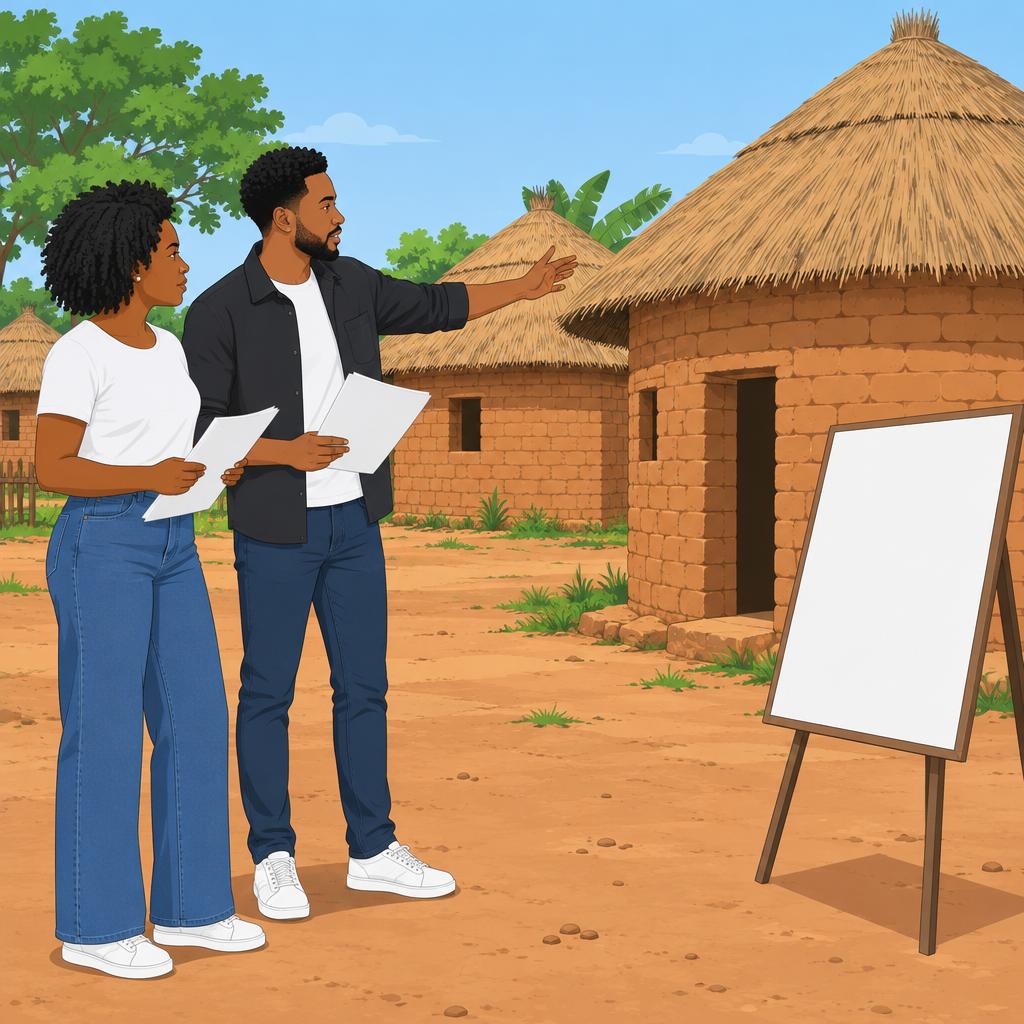
Modernization and urbanization have changed how Nigerian villages design and construct buildings.
These changes often replace traditional practices with methods that reflect broader architectural trends.
Consequently, communities face difficult choices between development and cultural continuity.
Forces Behind the Decline of Traditional Building Practices
Modern builders increasingly use materials and techniques that differ from established local practices.
Urban migration also draws villagers toward economic opportunities outside their communities.
As residents leave, fewer people learn traditional construction skills from experienced local builders.
- Modern materials can replace locally established building resources.
- New construction techniques can reduce reliance on inherited methods.
- Urban migration can weaken the transmission of practical building knowledge.
- Government policies may favor Western architectural styles over local forms.
Cultural Implications of Architectural Change
The decline of traditional buildings can weaken the architectural heritage of Nigerian village communities.
Furthermore, residents may lose meaningful connections with ancestral building practices.
Traditional structures often support cultural rituals and ceremonies within community life.
- Communities may lose distinctive architectural features and heritage.
- Residents may feel disconnected from ancestral construction practices.
- Architectural changes can affect rituals connected with traditional structures.
- Global design trends can create more uniform village environments.
Integrating Modern Design with Vernacular Architecture
Communities can combine modern design principles with valuable vernacular building knowledge.
This approach may improve structural stability, durability, comfort, and visual appeal.
However, designers must respect cultural values while introducing contemporary solutions.
- Modern techniques may improve structural stability and building durability.
- Updated designs can enhance comfort and aesthetics for inhabitants.
- Poor integration may dilute cultural identity and traditional meaning.
- Modern and traditional values may conflict during design decisions.
Balancing Development and Cultural Heritage
Modernization offers practical benefits, yet it can also threaten the identity of Nigerian villages.
Careful planning can preserve traditional knowledge while supporting safer and more comfortable buildings.
This balance can help communities pursue development without abandoning their architectural heritage.
See Related Content: Key Cartography Techniques in Nigeria
Vernacular architecture in Nigerian villages reflects the social structure, values, and traditions of local communities.
These buildings communicate cultural identity through their forms, materials, construction methods, and decorative details.
Studying these structures reveals how architecture connects community life, heritage, and sustainable practices.
Social Structure, Values, and Traditions
Vernacular buildings can reveal social hierarchy within Nigerian village communities.
Their size, design, and materials can indicate the social status of their residents.
Furthermore, inherited building techniques express cultural values and preserve knowledge across generations.
- Building features can showcase the community’s social hierarchy.
- Residents may use decorative elements to express local customs and beliefs.
- Patterns on buildings can carry symbolic meanings within the community.
Community Identity and Belonging
Local materials and construction methods create a shared architectural identity among residents.
Community members often cooperate when constructing or repairing traditional buildings.
As a result, shared building practices encourage collaboration, unity, and belonging.
- Traditional architectural styles preserve reminders of community heritage and history.
- Courtyards and verandas provide spaces for social interaction among neighbors.
- Shared construction activities can strengthen relationships within the community.
Vernacular Architecture and Sustainable Living
Vernacular architecture often responds directly to the local climate.
Builders use natural ventilation and shading techniques to support comfortable indoor conditions.
Local materials also reduce environmental impacts and support sustainable construction practices.
- Mud bricks and thatch roofs provide environmentally friendly building options.
- Traditional methods can improve energy efficiency in village buildings.
- Durable structures can withstand harsh weather conditions and support community resilience.
These structures help preserve cultural heritage while supporting social cohesion within Nigerian villages.
They also connect traditional knowledge with practical approaches to sustainable living.
Consequently, vernacular architecture embodies the history, values, and community ties of the people who maintain it.
Explore Further: Mechanical Engineering vs Civil Engineering: A Comparison
Preserving Nigeria’s Architectural Heritage
Nigerian villages display diverse building styles and construction methods that reflect the country’s rich cultural heritage.
Therefore, communities should preserve and celebrate these architectural gems as lasting expressions of history and collective pride.
Furthermore, readers can explore more villages and learn the stories behind each traditional structure.
Additional Resources
Google search results for Exploring Vernacular Architecture in Nigerian Villages Engineering
Bing search results for Exploring Vernacular Architecture in Nigerian Villages Engineering


