



Dietitians and Health Promotion
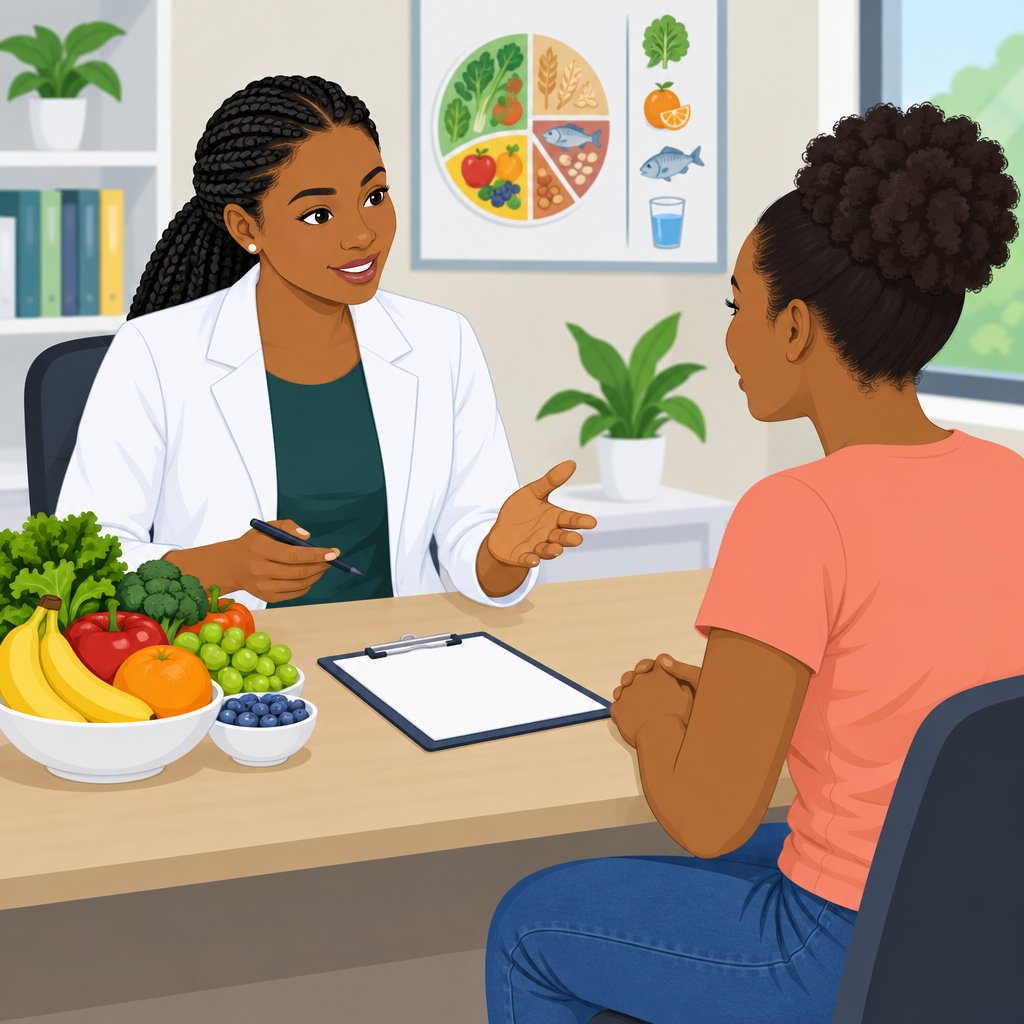
Dietitians provide expert nutrition advice to individuals.
They help people choose healthier foods.
Additionally, dietitians support chronic condition management and disease prevention.
The Growing Impact of Nigerian Dietitians
Nigerian dietitians increasingly influence nutrition and dietetics.
Their expertise addresses the unique dietary needs of Nigerian populations.
Moreover, they continue gaining recognition for their contributions to health.
Challenges Facing Nigerian Dietitians
Despite their contributions, Nigerian dietitians encounter limited resources.
They also face inadequate training opportunities and misconceptions about their healthcare role.
Nevertheless, they continue striving for excellence and better health outcomes for clients.
Community Successes and Professional Advocacy
Many Nigerian dietitians improve community health through innovative nutrition programs.
They also support chronic disease management through successful interventions.
Furthermore, they advocate for stronger nutrition policies and better health for Nigerians.
Future Opportunities for Nigerian Dietitians
Nutrition and dietetics continue evolving in Nigeria.
Therefore, Nigerian dietitians can play a larger role in promoting national health and wellness.
Ongoing education, training, and advocacy position them to influence population health.
Overview of Nigerian Dietitian Educational Background
- Many Nigerian dietitians hold bachelor’s degrees in nutrition, dietetics, or related fields.
- Some dietitians pursue master’s or doctoral degrees for advanced knowledge and specialized expertise.
- Continuing education and professional development help dietitians stay current in the field.
Training and Education Required for Nigerian Dietitians
- Aspiring dietitians in Nigeria must complete a bachelor’s degree in nutrition or dietetics.
- Dietetic programs often include internships and practical training.
- Nigeria requires aspiring registered dietitians to pass a licensure examination.
Accreditation and Certification for Dietitians in Nigeria
- Professional bodies, including the Nutrition Society of Nigeria, typically certify dietitians.
- Accreditation from the NSN confirms that dietitians meet education and training standards.
- Dietitians often maintain accreditation through continuing education and professional participation.
Implementing Nutrition Programs in Local Communities
In Nigeria, exemplary dietitians implement nutrition programs in underserved communities.
Dr. Sarah Adams leads passionate dietitians who serve these communities.
They provide nutrition education and support to low-income families in rural areas.
Impact of Nutrition Programs on Health Outcomes
These programs improve health outcomes through education, food access, and preventive nutrition strategies.
- Dietitians help community members choose balanced foods and reduce chronic disease risks.
- Nutrition programs address malnutrition by providing nutritious foods and supplements to vulnerable populations.
- Community efforts promote healthier lifestyles and strengthen overall well-being.
- Preventive strategies help reduce diabetes, obesity, and hypertension.
These nutrition programs significantly improve quality of life for many individuals in local communities.
Find Out More: Funding and Scholarships for Medical Lab Science Students
Collaborating With Healthcare Professionals
Nigerian dietitians collaborate with doctors, nurses, and other healthcare professionals to provide comprehensive patient care.
This teamwork helps healthcare providers address nutritional, medical, and individual patient needs together.
Through shared knowledge, healthcare teams can develop more personalized treatment plans for patients.
- Dietitians can work with endocrinologists to help diabetic patients manage their condition.
- Healthcare professionals can coordinate care while considering each patient’s varying needs.
Importance of Interdisciplinary Collaboration
Dietitians need close professional relationships to support holistic healthcare.
Interdisciplinary collaboration enables teams to address multiple aspects of a patient’s health.
Additionally, coordinated care helps professionals work toward the patient’s overall well-being.
Improved Patient Outcomes
When dietitians collaborate with doctors and nurses, patients receive more personalized treatment plans.
For example, a dietitian and an endocrinologist can jointly support diabetes management.
Moreover, shared expertise helps teams create well-rounded plans for different patient needs.
Enhanced Communication and Coordination
Interdisciplinary teamwork improves communication among healthcare professionals.
Dietitians can share information with doctors and nurses while tracking patient progress.
Consequently, team members can adjust treatment plans while pursuing common patient-care goals.
Optimal Use of Resources
Collaboration helps dietitians and other professionals use healthcare resources efficiently.
For instance, dietitians and physicians can create shared care plans.
These plans can support cost-effective care without compromising quality.
Benefits for Patient Care
Interdisciplinary collaboration helps Nigerian dietitians provide comprehensive care.
It also supports personalized treatment that responds to diverse patient needs.
Furthermore, coordinated teamwork can strengthen communication, resource use, and patient outcomes.
Learn More: Nursing Science Ethics and Professionalism
Transform Your Career with Expert Guidance
Get personalized mentorship consulting that’s tailored to your unique path. Our expert advice is actionable and exclusive.
Get StartedUsing Social Media for Nutrition Education
With social media use rising globally, Nigerian dietitians use these platforms to promote nutrition awareness.
Social media helps dietitians reach wider audiences.
It also engages people who lack access to traditional nutrition education.
How Nigerian Dietitians Use Social Media Platforms
- Dietitians create informative content, including videos, infographics, and blog posts.
- They host live Q&A sessions to answer common nutrition questions.
- They join online challenges or campaigns that promote healthy eating practices.
These initiatives educate individuals about nutrition.
They also empower people to make healthier food choices daily.
As a result, social media supports wider nutrition education.
Social Media Campaigns Led by Nigerian Dietitians
- #HealthyPlateChallenge encourages followers to share pictures of balanced meals.
- #Nutrition101 provides daily nutrition tips and facts to followers.
- #AskADietitian offers personalized advice and recommendations to online followers.
Through these campaigns, Nigerian dietitians establish themselves as trusted nutrition sources online.
Social media has changed how Nigerian dietitians educate the public about healthy eating.
By using these platforms effectively, dietitians can support healthier choices across Nigeria.
Their efforts can support the health and well-being of the Nigerian population.
Learn More: Top Universities for Physiology in Nigeria
Resource Constraints Affecting Nigerian Dietitians
One common challenge facing Nigerian dietitians is the limited availability of professional resources.
These resources include updated research, practical tools, and necessary equipment.
Limited resources affect the information, tools, and equipment available to Nigerian dietitians.
Another challenge involves limited recognition of dietetics within Nigeria’s healthcare system.
Many people remain unaware of how dietitians contribute to healthcare.
Strategies for Improving Dietetics Support
Better funding and support for dietetics programs could help address resource limitations.
Such support should include investment in research and access to necessary tools.
Meanwhile, public awareness campaigns can explain dietitians’ roles in health promotion and disease prevention.
Additionally, dietitians can work with healthcare professionals and policymakers to promote nutrition in healthcare.
This cooperation could increase recognition and support for dietitians in Nigeria.
Strengthening Dietetics Practice in Nigeria
Nigerian dietitians face resource limitations and insufficient professional recognition.
Advocating for stronger support can improve access to research, tools, and equipment.
Public education and policy engagement can also strengthen recognition of dietetics in Nigeria.
Together, these efforts can help dietitians contribute more effectively to healthcare in Nigeria.
See Related Content: How to Become a Radiologist in Nigeria
Opportunities for Growth and Development
Nigerian dietitians can expand their professional influence across several areas of nutrition and dietetics.
They can develop focused expertise, pursue research, build businesses, and establish international partnerships.
These pathways can help dietitians serve clients while strengthening their position within the profession.
Specialization in Niche Areas
Dietitians can focus on sports nutrition, pediatric nutrition, or community health.
Specialized knowledge can help them develop a clear professional niche.
Moreover, focused practice can support more targeted nutrition services.
Research and Academia
Advanced degrees can deepen dietitians’ knowledge and support their professional progression.
Research activities can create opportunities within academia and research organizations.
Additionally, dietitians can use their expertise as consultants for research projects.
Entrepreneurship in Nutrition
Dietitians can establish private practices, consulting firms, or nutrition-focused businesses.
Entrepreneurship can give them greater control over their professional services.
Furthermore, direct client relationships can help dietitians apply their knowledge in practical settings.
Global Partnerships
International collaborations can connect Nigerian dietitians with organizations and professionals worldwide.
These relationships can expose practitioners to different approaches within nutrition and dietetics.
They can also encourage learning from professional practices used in other settings.
Emerging Opportunities for Wider Impact
Changes in technology and workplace health are creating new possibilities for Nigerian dietitians.
Dietitians can use these opportunities to reach audiences beyond traditional practice environments.
Meanwhile, public communication can increase awareness of their expertise and services.
Telehealth and Virtual Consultations
Online consultations can help dietitians serve clients across wider geographic areas.
Virtual services can also provide clients with more convenient access to consultations.
Therefore, telehealth can extend professional reach beyond traditional face-to-face appointments.
Corporate Wellness Programs
Dietitians can partner with companies to create workplace wellness initiatives.
These programs can promote healthier practices among employees.
In addition, corporate partnerships can create valuable professional and business opportunities.
Government Collaborations
Dietitians can work with government agencies on nutrition policies and public health campaigns.
Such collaboration can bring professional expertise into national nutrition discussions.
It can also amplify the contribution of Nigerian dietitians to public health efforts.
Media and Public Speaking
Television and radio appearances can help dietitians communicate nutrition information to broader audiences.
Public speaking can provide another way to share professional knowledge.
Social platforms can further support public engagement without limiting communication to clinical settings.
Pathways for Career Advancement
Career advancement requires deliberate planning and continued professional development.
Dietitians can combine education, professional relationships, leadership, and advocacy to progress.
Each pathway can strengthen their skills and increase their influence within nutrition and dietetics.
Continuing Education and Certifications
Workshops can help dietitians maintain and expand their professional knowledge.
Advanced certifications can demonstrate focused skills and support career progression.
Regular engagement with current research can help practitioners maintain informed professional practice.
Mentorship and Networking
Experienced professionals can provide guidance to dietitians developing their careers.
Mentorship can help practitioners evaluate opportunities and make informed professional decisions.
Networking can also connect dietitians with relationships that support future opportunities.
Professional Associations and Leadership
Participation in professional associations can increase dietitians’ involvement within the field.
Leadership roles can allow practitioners to demonstrate organizational and professional abilities.
Furthermore, active participation can help dietitians showcase their expertise to other professionals.
Advocacy and Policy Work
Dietitians can participate in advocacy efforts involving nutrition policies and regulations.
Policy work can give practitioners opportunities to contribute their professional perspectives.
Through advocacy, Nigerian dietitians can strengthen their influence within nutrition-related discussions.
Nigerian Dietitians’ Contribution to National Well-Being
Nigerian dietitians advance health and wellness by guiding people toward healthier eating habits.
They also provide dietary support that helps prevent and manage various health conditions.
Consequently, their nutrition expertise strengthens public health efforts across the country.
Supporting these professionals can help them improve the well-being of more Nigerians.
Recognizing their expertise can also increase their contribution to the healthcare system.
Therefore, continued appreciation of their work can promote stronger health outcomes nationwide.
Additional Resources
Google search results for Case Studies: Nigerian Dietitians in Action Health Sciences
Bing search results for Case Studies: Nigerian Dietitians in Action Health Sciences


