




Introduction
Definition of climate change.
Climate change refers to long-term shifts in temperature, precipitation, and other atmospheric conditions.
Overview of veterinary medicine in Nigeria.
Veterinary medicine in Nigeria focuses on the health and well-being of animals, including livestock and pets.
Importance of addressing the impact of climate change on veterinary medicine.
Climate change can alter disease patterns, affect animal health, and disrupt food production systems.
It is crucial to understand and mitigate these effects.
Climate change impacts veterinary medicine in Nigeria.
It affects the health and well being of animals.
One key area affected is livestock health.
Effects of Climate Change on Livestock Health
- Changes in temperature leading to heat stress in animals
- Increase in infectious diseases
- Decrease in availability of clean water and food for livestock
Rising temperatures can cause heat stress in livestock.
This stress reduces animal growth and milk production.
Such effects lower overall health and productivity.
Climate change creates conditions that favor infectious diseases.
Moreover, changing temperature and rainfall patterns allow pathogens to thrive.
These shifts increase the risk of disease outbreaks in animals.
Climate change reduces availability of clean water and food for livestock.
For example, drought and altered rainfall cause water scarcity and pasture loss.
Consequently, animals suffer poor nutrition and dehydration.
Challenges Faced by Veterinarians in Nigeria
- Lack of resources for disease prevention and treatment
- Limited access to veterinary education and training
- Difficulty in providing adequate healthcare to livestock due to climate-related challenges
Veterinarians in Nigeria face many practical challenges linked to climate change impacts.
These obstacles hinder effective delivery of veterinary services to animals across regions.
They increase workloads and strain limited infrastructure and supplies.
Lack of Resources for Disease Prevention and Treatment
Veterinarians often lack timely access to vaccines and essential medications.
Climate variability has increased disease incidence among animals in many areas.
Consequently, veterinary teams cannot always perform urgent diagnostics or treatments.
Limited Access to Veterinary Education and Training
Many practitioners have restricted opportunities for ongoing professional training.
Rural areas especially lack educational programs and technical support resources.
As a result, veterinarians face gaps in skills needed to manage emerging diseases.
Difficulty Providing Adequate Livestock Healthcare During Climate Challenges
Extreme weather events disrupt access to grazing, water, and veterinary clinics.
Heat stress and flooding increase morbidity and complicate treatment protocols.
Infrastructure damage often prevents timely interventions and follow up care.
Addressing Challenges in Veterinary Practice
Addressing these issues requires increased investment in prevention resources and treatment supplies.
Stakeholders should expand access to veterinary education and practical training programs.
Additionally, teams must develop adaptable strategies to care for livestock during extreme weather.
See Related Content: The Evolution of Social Medicine in Nigeria
Strategies to Mitigate the Impact of Climate Change on Veterinary Medicine
This section describes strategies to protect animal health amid climate change.
The strategies focus on farming, disease control, and professional training.
Each approach aims to support veterinarians and animal welfare in Nigeria.
Implementing Sustainable Farming Practices
Promote sustainable farming practices to lessen agriculture’s environmental impact on animal health.
Use crop rotation, organic farming, and agroforestry as practical methods.
Transform Your Career with Expert Guidance
Get personalized mentorship consulting that’s tailored to your unique path. Our expert advice is actionable and exclusive.
Get StartedMoreover, these methods can improve ecosystem resilience and animal welfare.
Improving Disease Surveillance and Control Measures
Enhance disease surveillance and control measures across veterinary services.
Implement early detection systems and effective vaccination programs for timely responses.
Additionally, adopt biosecurity measures to prevent infectious disease spread among animals.
Education and Training for Veterinarians on Climate Change Adaptation
Train veterinarians on climate change adaptation to build practical knowledge.
Include instruction on animal health impacts and sustainable practice implementation.
Also, teach adaptation techniques for changing environmental conditions.
Together, these strategies aim to strengthen veterinary responses to climate related risks.
They support animal health through prevention, surveillance, and professional capacity building.
Effective implementation depends on coordination among farming and veterinary stakeholders.
Discover More: Integrating Preventive Medicine in Nigerian Healthcare
Investing in infrastructure for veterinary healthcare
Governments and NGOs should invest in veterinary clinics and laboratories.
They should build and maintain facilities for animal care.
Such infrastructure supports diagnosis, treatment, research, and education.
Implementing policies to address climate change impacts on livestock
Government and NGOs can develop policies that help farmers adapt to changing climate conditions.
For example, they can provide training on climate smart agriculture practices.
They can also promote drought resistant breeds and strengthen veterinary services in vulnerable areas.
Supporting research and development in veterinary medicine
Government and NGOs can fund veterinary research and provide essential resources.
Research should focus on how changing environments affect animal health.
Results can inform development of treatments, vaccines, and disease management strategies.
Protecting animal and human well being through coordinated support
Government and NGO support protects animal and human well being.
Coordinated investments, policies, and research strengthen veterinary capacity nationwide.
These actions help veterinarians and farmers prepare for climate related challenges.
Learn More: Bridging Gaps: Restorative Dentistry for Bridges
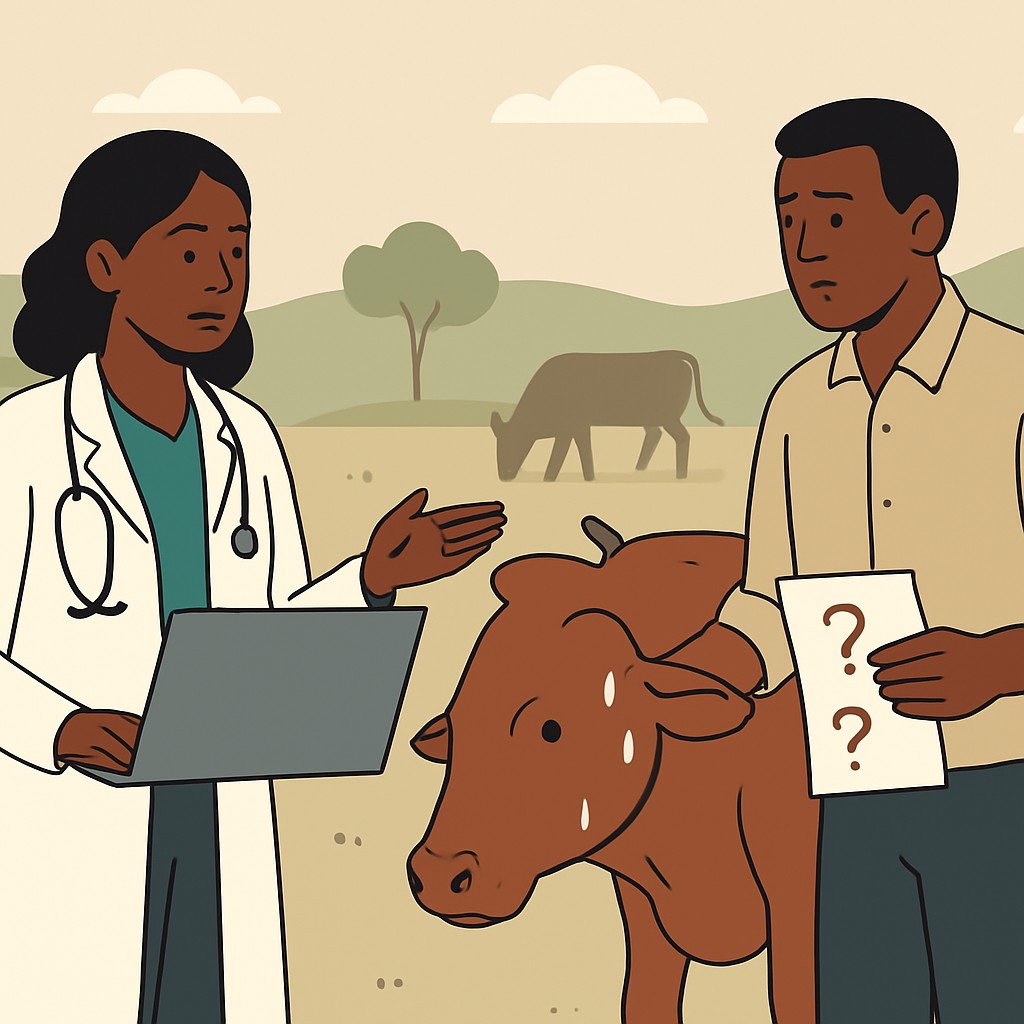
Case Studies of Climate Change Impact on Veterinary Medicine in Nigeria
This section presents case studies about climate effects on veterinary medicine.
It includes examples of disease outbreaks and local adaptation stories.
These cases illustrate real challenges and community responses.
- Examples of outbreaks of diseases due to climate variability
- Success stories of communities adapting to climate change challenges in veterinary medicine
Outbreaks of Diseases Due to Climate Variability
Climate change has increased incidence of some animal diseases.
Rising temperatures and erratic rainfall have promoted disease spread.
Examples include Rift Valley fever and Avian influenza.
Veterinary professionals report shifts in disease patterns across regions.
Authorities implemented surveillance and monitoring to detect outbreaks.
They also educate farmers on prevention and biosecurity practices.
Community Adaptations and Veterinary Success Stories
Some communities have shown resilience against climate pressures.
Local groups worked with veterinary professionals and authorities collaboratively.
They adopted agroecological practices to support livestock and land.
Farmers used drought resistant crops and improved water management.
Community veterinary programs engaged animal health workers and traditional healers.
These programs increased access to care and reduced disease prevalence.
You Might Also Like: Recovery Tips After ENT Surgery in Nigeria
Veterinary Priorities for Climate Resilience
Climate change poses significant challenges to veterinary medicine in Nigeria.
Furthermore, stakeholders must collaborate to address these challenges through innovative solutions.
Therefore, prioritize veterinary medicine in climate change adaptation and mitigation efforts.
Finally, by working together we can build resilience in the veterinary sector and protect animal health.
Additional Resources
Google search results for Impact of Climate Change on Veterinary Medicine in Nigeria Medical
Bing search results for Impact of Climate Change on Veterinary Medicine in Nigeria Medical


