




Introduction:
Social medicine refers to the study of how social and economic conditions impact health outcomes.
Understanding social medicine is crucial in addressing healthcare disparities in Nigeria.
The evolution of social medicine in Nigeria has been driven by various factors.
Historical Overview of Social Medicine in Nigeria
This section reviews historical developments in Nigerian healthcare.
It outlines traditional practices and colonial influences.
It also covers facility establishment, post independence evolution, and integration.
Traditional Healing Practices in Nigeria
Traditional healing practices have been a significant part of healthcare in Nigeria for centuries.
These practices are deeply rooted in cultural beliefs.
They often involve the use of herbs, incantations, and rituals to address health issues.
Influence of Colonialism on Healthcare in Nigeria
The arrival of colonial powers in Nigeria had a profound impact on the healthcare system.
Colonial rulers introduced Western medicine and established hospitals and clinics for medical care.
However, traditional healing practices continued to coexist with Western medicine.
Establishment of the First Modern Healthcare Facilities in Nigeria
The first modern healthcare facilities in Nigeria were established during the colonial era.
These facilities were primarily located in urban centers.
They initially catered to the healthcare needs of colonial administrators and expatriates.
Over time, these facilities expanded to serve the broader population.
Evolution of Healthcare After Independence
After gaining independence from colonial rule in 1960, Nigeria began to develop its healthcare system.
The government invested in building more healthcare facilities and training healthcare professionals.
It also implemented public health programs to improve health outcomes.
However, funding, infrastructure, and manpower challenges persisted and affected service delivery.
Integration of Traditional and Modern Healthcare Practices
In recent years, recognition has grown for integrating traditional and modern healthcare practices in Nigeria.
Efforts have been made to collaborate with traditional healers.
Stakeholders worked to incorporate traditional medicine into the mainstream healthcare system.
Current State of Social Medicine in Nigeria
Despite progress in healthcare delivery, Nigeria still faces many challenges.
The country experiences limited access to healthcare services.
It also has inadequate healthcare infrastructure and insufficient funding.
A shortage of healthcare professionals further constrains service delivery.
Government and stakeholders are working to address these challenges.
They aim to improve health and well being for the population.
Challenges Faced in Early Social Medicine in Nigeria
During the early days of social medicine in Nigeria, several challenges emerged.
These challenges hindered progress and efficiency of healthcare delivery.
They affected population health outcomes.
- Lack of infrastructure and resources
- Limited access to healthcare services
- High mortality rates due to preventable diseases
Lack of Infrastructure and Resources
One of the major challenges faced by healthcare providers in Nigeria was the lack of adequate infrastructure and resources.
Hospitals and clinics were often ill-equipped and underfunded, making it difficult to provide quality healthcare services to the population.
Consequently, healthcare professionals struggled to deliver timely and effective treatment to patients.
Limited Access to Healthcare Services
Another critical challenge was the limited access to healthcare services, particularly in rural areas.
The majority of the population lived in remote areas with poor transportation networks.
Consequently, many individuals did not receive timely medical attention.
High Mortality Rates from Preventable Diseases
High mortality rates from preventable diseases were a significant issue.
Diseases such as malaria, cholera, and tuberculosis caused many unnecessary deaths.
Transform Your Career with Expert Guidance
Get personalized mentorship consulting that’s tailored to your unique path. Our expert advice is actionable and exclusive.
Get StartedFurthermore, lack of preventive measures and early detection exacerbated mortality rates.
Approaches to Address Early Challenges
Addressing these challenges required a multi-faceted approach.
For example, improving infrastructure and increasing access were necessary steps.
Also, implementing preventive measures helped reduce mortality rates.
Learn More: Integrating Preventive Medicine in Nigerian Healthcare
Role of Government in the Development of Social Medicine in Nigeria
The government plays a crucial role in shaping social medicine in Nigeria.
Moreover, it implements initiatives and policies to improve healthcare services.
Consequently, these efforts affect access, prevention, and delivery of care.
Establishment of the Ministry of Health in Nigeria
- The Ministry of Health was established to oversee the health sector.
- It serves as the primary agency for health policy formulation and implementation.
- The ministry promotes public health, disease prevention, and healthcare delivery.
Government Initiatives and Policies for Healthcare
- The government has implemented various initiatives to improve national healthcare.
- The National Health Insurance Scheme aims to provide affordable care for Nigerians.
- The Primary Healthcare Development Agency strengthens primary care at the grassroots level.
- The government also launched immunization programs to reduce child mortality.
Collaborations with International Organizations to Support Healthcare Development
- The government has partnered with the World Health Organization to improve infrastructure.
- It also collaborates with UNICEF to address child health needs.
- The government works with the Bill and Melinda Gates Foundation to tackle diseases.
- These partnerships have enhanced capacity to respond to public health emergencies.
Implications for Social Medicine Development
Government policies, initiatives, and partnerships drive health system improvements.
Moreover, coordinated action can increase access and reduce preventable diseases.
Therefore, sustained government engagement is vital for advancing social medicine.
Learn More: Bridging Gaps: Restorative Dentistry for Bridges
Adoption of modern medical practices in Nigeria
- Western medicine has significantly influenced healthcare practices in Nigeria.
- The introduction of vaccinations has helped curb the spread of infectious diseases.
- Modern treatment methods have improved patient outcomes and overall healthcare delivery.
- Nigeria is shifting towards evidence-based medicine to enhance quality of care.
- Research in various medical fields is being encouraged to drive innovation and improvement.
Nigeria has adopted modern medical practices in recent years.
This shift has improved healthcare delivery across the country.
Vaccination emphasis stands out among modern medical practices.
Vaccinations have helped curb infectious disease spread.
The government and healthcare organizations implemented vaccination programs.
Additionally, modern treatment methods include advanced diagnostics and pharmaceuticals.
These methods have led to better patient outcomes.
Also, evidence-based practices have increased survival for many medical conditions.
Patients now access a wider range of treatment options.
Consequently, quality of care has improved.
Furthermore, Nigeria is shifting toward evidence-based medicine.
Healthcare providers rely more on scientific research and clinical evidence.
This practice helps clinicians make informed decisions about patient care.
Research has become a cornerstone of modern medical practice in Nigeria.
The government and academic institutions invest in research infrastructure.
Researchers use findings to drive innovation and develop new treatment protocols.
These efforts address healthcare challenges specific to Nigeria.
The adoption of modern practices improves health outcomes across the nation.
These developments advance the national health system and service delivery.
Stakeholders encourage continued research and evidence-based improvement.
See Related Content: Recovery Tips After ENT Surgery in Nigeria
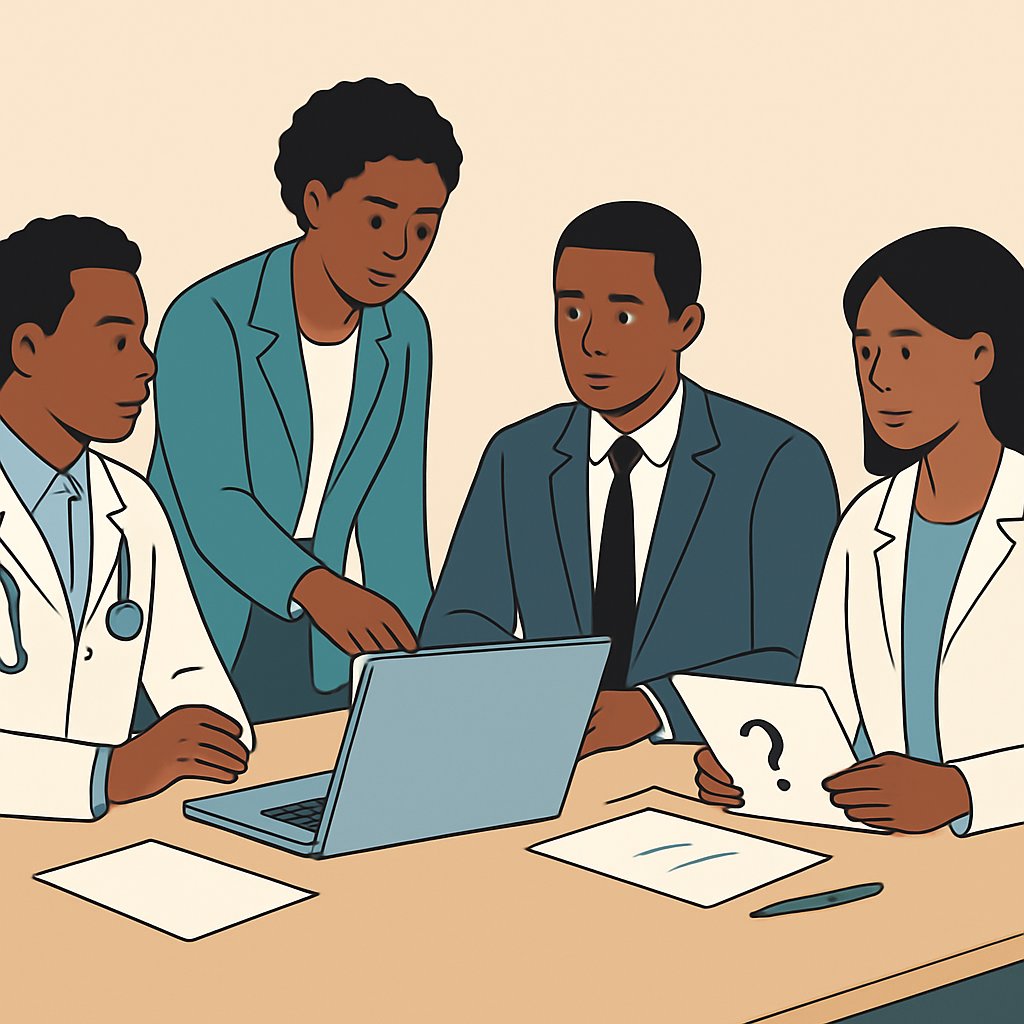
Integration of Traditional and Modern Medicine in Nigeria
Traditional medicine holds a significant place in Nigerian culture.
It serves as the primary form of healthcare for many communities.
Moreover, traditional healers combine knowledge of natural remedies and spiritual practices.
- Importance of Traditional Medicine in Nigerian Culture: Traditional healers are revered for their knowledge of natural remedies and spiritual practices.
- Efforts to Incorporate Traditional Healing Practices: The Nigerian government has recognized the value of traditional medicine.
- Benefits of Integrating Traditional and Modern Practices: Integration can offer patients a more holistic approach to treatment.
Integration of traditional and modern medicine in Nigeria can transform the healthcare system.
Therefore, it can improve health outcomes.
Recognizing the cultural heritage of traditional medicine is essential while embracing modern healthcare advancements.
Find Out More: How to Choose an Anaesthesiology Specialization
Progress made in healthcare infrastructure and accessibility:
Notably, infrastructure expanded in hospitals and healthcare centers across the country.
Moreover, rural and underserved communities experienced improved access to healthcare services.
Consequently, facilities grew to meet the needs of a growing population.
- Infrastructure development in hospitals and healthcare centers across the country.
- Improved access to healthcare services in rural and underserved communities.
- Expansion of healthcare facilities and services to accommodate growing population needs.
Ongoing challenges in social medicine in Nigeria:
However, disparities persist between urban and rural healthcare services.
Additionally, funding for healthcare programs remains inadequate.
Also, certain regions still lack sufficient healthcare professionals.
- Healthcare disparities between urban and rural areas.
- Inadequate funding for healthcare programs and initiatives.
- Lack of healthcare professionals in certain regions of the country.
Recent advancements in healthcare technology and research:
Telemedicine services now reach remote areas.
Research collaborations with international partners improved healthcare outcomes.
Health systems integrated electronic health records to streamline patient care.
- Introduction of telemedicine services to reach remote areas.
- Research collaborations with international partners to improve healthcare outcomes.
- Integration of electronic health records to streamline patient care and management.
The evolution of social medicine in Nigeria has been a gradual process.
From traditional healing practices to modern healthcare systems, the journey has been remarkable.
It is crucial to acknowledge the significance of ongoing efforts to enhance healthcare services in Nigeria.
Furthermore, improved access to healthcare, better facilities, and trained medical professionals are essential for progress.
Moreover, collaboration among government, healthcare providers, NGOs, and the community is vital for advancement.
Additionally, support for initiatives that focus on preventive care, health education, and awareness campaigns remains crucial.
We must continue to advocate for better healthcare policies, increased funding, and infrastructure development in Nigeria.
Together, we can create a healthier future for all Nigerians by prioritizing social medicine and public health.
Additional Resources
Google search results for The Evolution of Social Medicine in Nigeria Medical
Bing search results for The Evolution of Social Medicine in Nigeria Medical


