



Veterinary Care for Animals
A veterinarian is a trained professional who provides medical care for animals.
They diagnose and treat illnesses, injuries, and other health issues in pets and livestock.
Veterinarians also support animal health through professional medical services.
Importance of Veterinarians in Nigeria
Veterinarians help protect animal health and well-being in Nigeria.
They help prevent disease spread, improve animal welfare, and support the agriculture sector.
Additionally, veterinary services support ecosystem health and food security in the country.
Academic Requirements for Veterinary Medicine
- Completion of a bachelor’s degree in veterinary medicine
- Accreditation by the Veterinary Council of Nigeria
- Passing the Veterinary Medical College Admission Test (VMCAT)
Completing a bachelor’s degree in veterinary medicine begins the path toward becoming a veterinarian in Nigeria.
This four- to five-year program focuses on animal anatomy, physiology, diseases, and medical treatments.
Additionally, the institution offering the program must hold accreditation from the Veterinary Council of Nigeria.
This accreditation confirms that the program meets required veterinary education standards.
Afterward, aspiring veterinarians must pass the Veterinary Medical College Admission Test.
The VMCAT assesses applicants’ knowledge and skills in various areas of veterinary medicine.
Gain Practical Experience
Practical experience plays a crucial role in becoming a successful veterinarian in Nigeria.
A one-year internship at a reputable clinic provides valuable hands-on preparation for future veterinary work.
Interns should follow structured steps to develop practical skills and professional knowledge.
- Complete a one-year internship at a recognized veterinary clinic
- Work under the supervision of a licensed veterinarian
- Gain hands-on experience with animal care and treatment
Supervised Veterinary Training
Interns work closely with experienced veterinarians during their clinical placement.
This setting introduces them to daily professional responsibilities and workplace challenges.
Licensed veterinarians provide guidance while interns observe and participate in clinical activities.
Hands-On Animal Care
Interns gain direct experience with animal care and treatment.
They may assist with examinations, administer medications, perform surgeries, and provide general animal care.
Active participation helps them develop practical skills and confidence in veterinary care.
This experience helps aspiring veterinarians build the skills and knowledge needed for their careers.
See Related Content: Advances in Gynaecological Surgery in Nigeria
Veterinary Licensure in Nigeria
Licensure allows qualified veterinarians to practice legally in Nigeria.
After completing education and gaining work experience, applicants can begin the licensing process.
They must meet the stated requirements before practicing as veterinarians in the country.
- Pass the Nigerian Veterinary Medical Association Examination
- Submit required documentation to the Veterinary Council of Nigeria
- Pay licensing fees and renew the license annually
Passing the Nigerian Veterinary Medical Association Examination
The examination tests knowledge and skills in veterinary medicine.
Applicants must pass it to demonstrate their qualification for veterinary practice in Nigeria.
Therefore, successful completion supports the remaining licensing steps.
Submitting Documentation to the Veterinary Council of Nigeria
After passing the examination, applicants must submit required documentation to the Veterinary Council of Nigeria.
These records typically include educational transcripts and work experience records.
Applicants may also provide other relevant information proving their veterinary qualifications.
Paying Fees and Renewing the License
After submitting the documentation, applicants must pay licensing fees to the Veterinary Council of Nigeria.
Fee amounts may vary, so applicants should check current requirements with the council.
Additionally, license holders must renew their licenses annually to continue practicing.
Failure to renew a license could result in practice suspension.
Uncover the Details: Innovations in Nigerian Physiotherapy Practices
Specialization in Veterinary Medicine
After completing your veterinary degree and gaining work experience, you may consider specializing in a particular field.
Specialization can open new opportunities and help you focus on an area of interest.
It can also support more specialized care for animals.
Transform Your Career with Expert Guidance
Get personalized mentorship consulting that’s tailored to your unique path. Our expert advice is actionable and exclusive.
Get Started- Consider pursuing a Master’s degree or specialization in a specific area.
- Options include surgery, internal medicine, or public health.
- Advanced training can lead to higher job opportunities and income.
Pursuing Advanced Education
One way to specialize is by pursuing a Master’s degree or further training in veterinary medicine.
This education can deepen your knowledge and strengthen your skills in a chosen area.
Before choosing a program, consider your interests and professional goals.
Areas of Veterinary Specialization
Veterinary specialization includes fields such as surgery, internal medicine, and public health.
Focusing on one area can help you develop expertise in that field.
That focus may shape the type of veterinary work you pursue.
Career Benefits of Advanced Training
Advanced training can create more job opportunities for veterinarians.
Employers often value specialized skills and knowledge.
As a result, specialization can improve career prospects and income potential.
See Related Content: Innovations in Eye Care by Nigerian Optometrists
Continuing Education for Veterinarians in Nigeria
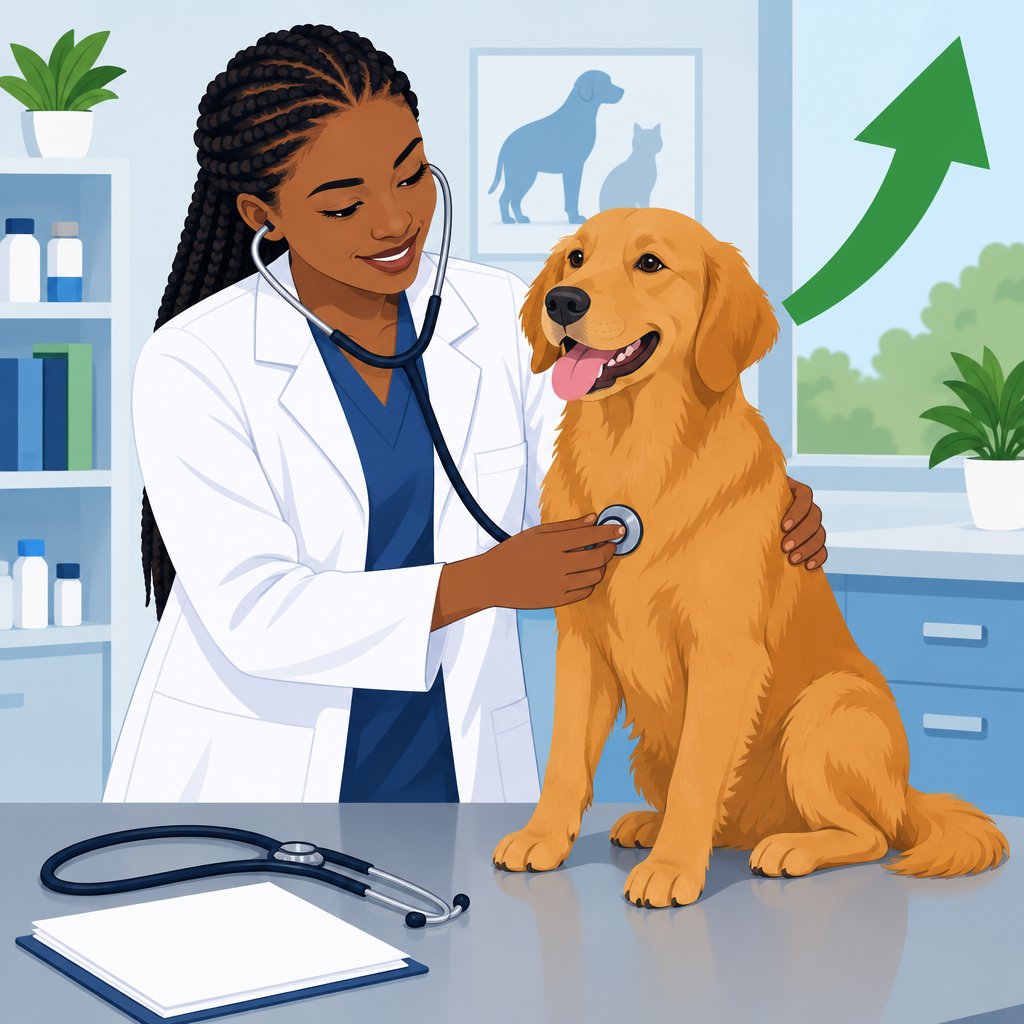
After completing veterinary school, veterinarians in Nigeria must continue learning to remain relevant.
Continuing education helps them provide the best possible care for animals.
It also helps them stay current with developments in veterinary medicine.
Workshops, Conferences, and Seminars
Workshops, conferences, and seminars offer valuable opportunities for ongoing learning.
At these events, experts explain recent advancements in veterinary medicine.
Additionally, veterinarians can network and share knowledge and best practices.
Professional Development Through Continuing Education Credits
Veterinarians can maintain professional development by earning Continuing Education Credits (CECs).
Organizations and institutions offer CEC programs through courses and events.
They may also award credits for participating in research projects.
Professional Organizations and Networks
Professional organizations and networks provide resources, support, and ongoing learning opportunities.
They also create opportunities for professional development and continued education.
Furthermore, networking can connect veterinarians with colleagues, mentors, and field experts.
By pursuing continuing education, veterinarians can provide the best possible care for animals.
This commitment also helps them remain at the forefront of veterinary medicine.
Explore Further: Challenges in the Radiography Profession in Nigeria
Strong professional networks help aspiring veterinarians develop valuable relationships in Nigeria.
These connections can provide useful insights, support, and career opportunities.
Active participation also helps professionals nurture relationships throughout their careers.
Professional Associations for Veterinary Networking
Professional associations connect veterinarians across different regions and areas of practice.
Conferences, seminars, and workshops create opportunities for professional interaction and learning.
Online discussions can also connect veterinarians who work in different parts of Nigeria.
- Join professional organizations such as the Nigerian Veterinary Medical Association (NVMA).
- Attend conferences, seminars, and workshops organized by professional associations.
- Participate in online forums and discussion groups with veterinarians nationwide.
Mentorship Opportunities in Veterinary Practice
Experienced veterinarians can guide aspiring professionals through important career decisions.
Mentorship also provides opportunities to discuss challenging cases and learn from professional experiences.
Strong mentor relationships can continue supporting veterinarians throughout their careers.
- Seek experienced veterinarians who are willing to provide career guidance.
- Participate in mentorship programs offered by veterinary schools, hospitals, or professional organizations.
- Ask mentors for advice about challenging veterinary cases.
Collaboration with Animal Health Professionals
Collaboration with other animal health professionals can strengthen veterinary support networks.
Referral relationships help professionals direct clients toward appropriate services when necessary.
Multidisciplinary collaboration supports better care for animals requiring different forms of expertise.
- Build relationships with pet groomers, trainers, and breeders.
- Refer clients to other professionals when necessary.
- Collaborate on cases requiring a multidisciplinary approach.
By building and nurturing professional relationships, aspiring veterinarians can access valuable support and opportunities.
Gaining Practical Experience and Skills
Aspiring veterinarians in Nigeria need practical experience and skills to succeed.
They can build this foundation through several essential steps.
These steps prepare them for varied responsibilities in veterinary practice.
- Practice a wide range of animal care and treatment methods.
- Develop strong communication and interpersonal skills with clients and colleagues.
- Hone problem-solving skills in diagnosing and treating animal illnesses.
Practice a Wide Range of Animal Care and Treatment Methods
Successful veterinarians need hands-on experience with various animal care and treatment methods.
This experience includes physical examinations, medication administration, surgeries, and post-operative animal care.
By learning different techniques, aspiring veterinarians develop skills for varied situations.
Develop Strong Communication and Interpersonal Skills
Effective communication is essential in veterinary medicine because veterinarians must explain diagnoses, treatments, and care instructions clearly.
They must also collaborate with veterinary professionals, such as veterinary technicians, to provide comprehensive animal care.
Consequently, strong interpersonal skills help veterinarians build relationships with clients and colleagues.
Hone Problem-Solving Skills in Animal Diagnosis and Treatment
Diagnosing and treating animal illnesses can challenge veterinarians because animals cannot communicate their symptoms.
Therefore, practitioners rely on observation and medical knowledge to identify underlying causes.
Aspiring veterinarians need strong problem-solving skills for accurate diagnoses and treatments.
They conduct examinations, interpret tests, and create tailored treatment plans.
Ultimately, these skills help veterinarians improve animal patients’ quality of life.
Ethical Veterinary Practice and Animal Welfare
- Follow ethical guidelines set by the Veterinary Council of Nigeria.
- Prioritize animal welfare and provide quality care during every practice.
- Maintain confidentiality and professionalism during all client interactions.
Ethical veterinary practice builds trust with clients and supports public confidence in the profession.
The Veterinary Council of Nigeria provides guidelines that veterinarians should follow in daily work.
Therefore, veterinarians should understand these requirements and apply them consistently.
Animal welfare should guide every professional decision.
Veterinarians must choose options that serve an animal’s best interests, even when care requires more time or money.
Furthermore, practitioners should provide high-quality care without placing financial gain above an animal’s well-being.
Professional conduct also protects trust during client interactions.
Clients share sensitive information about their animals, so veterinarians must protect their privacy.
Likewise, veterinarians should communicate professionally with clients, colleagues, and other industry professionals.
By following these principles, veterinarians fulfill their obligations and strengthen their reputation within Nigeria’s veterinary community.
Building a Successful Veterinary Career in Nigeria
Becoming a veterinarian in Nigeria requires a veterinary medicine degree and practical experience.
Afterward, the Veterinary Council of Nigeria must license qualified graduates.
Dedication and hard work help veterinarians develop dependable professional skills.
Ongoing learning keeps them informed about advances and supports high-quality animal care.
Additional Resources
Google search results for Steps to Becoming a Veterinarian in Nigeria Medical
Bing search results for Steps to Becoming a Veterinarian in Nigeria Medical


