




Introduction
Anaesthesiology plays a vital role in medical procedures by administering anesthesia to patients.
Various equipment, such as ventilators, monitors, and infusion pumps, supports anaesthesiology practice.
Understanding anaesthesiology equipment used in Nigeria benefits healthcare professionals in the country.
Anaesthesiology Equipment Used in Nigeria
This equipment supports anaesthesia delivery during surgery, labour, and other medical interventions in Nigeria.
Healthcare facilities use these devices to administer drugs, support airways, and monitor patients.
Reliable equipment helps anaesthesiologists maintain safe and effective care throughout procedures.
Anaesthesia Machines
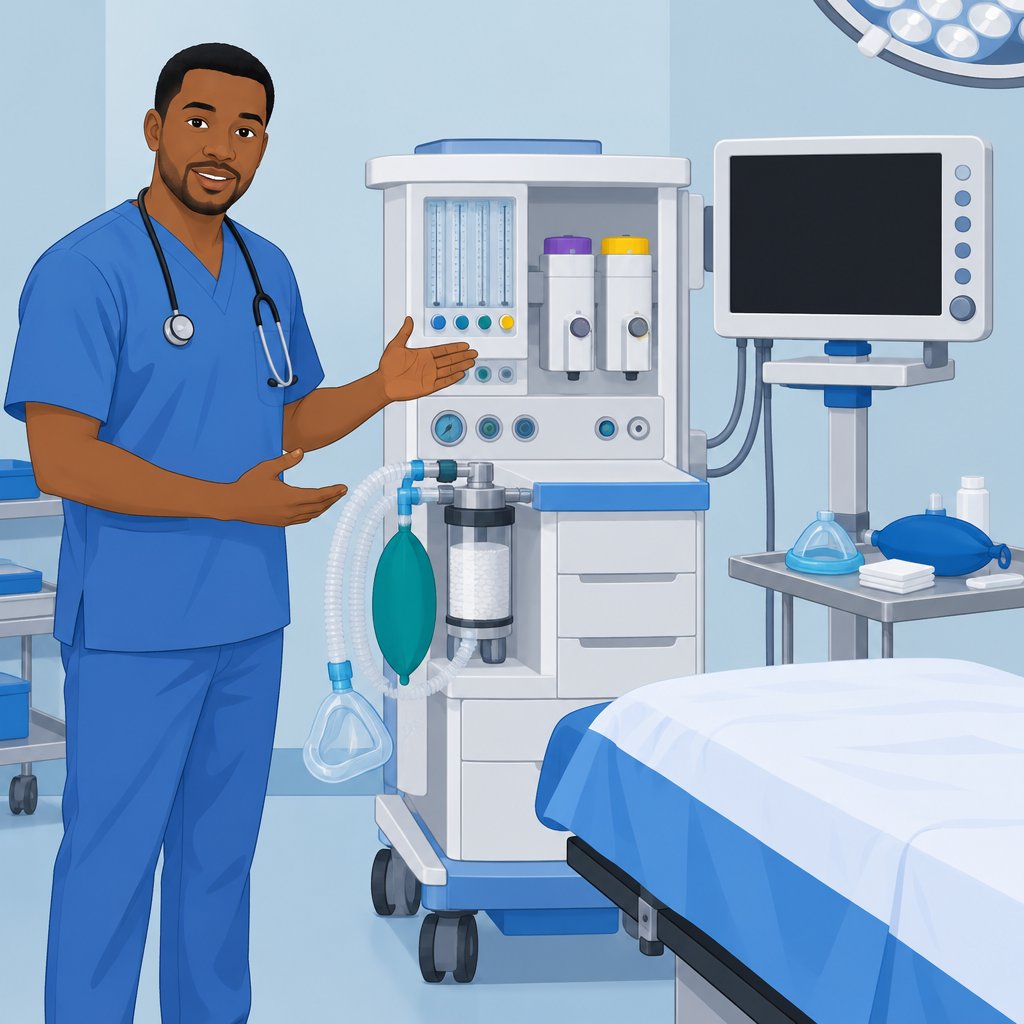
An anaesthesia machine delivers a controlled mixture of gases and vapours to the patient.
It supports the administration of general anaesthesia during surgery and other medical procedures.
In Nigeria, these machines form an important part of anaesthesia setups.
Monitoring Devices
Monitoring devices help anaesthesiologists observe patients throughout anaesthesia.
ECG machines track heart activity, while pulse oximeters measure blood oxygen saturation.
Blood pressure monitoring also helps clinicians adjust anaesthesia and medications when necessary.
Airway Management Tools
Airway management tools help maintain ventilation and oxygenation during anaesthesia.
Endotracheal tubes secure the airway, while laryngoscopes assist their placement.
These tools help prevent hypoxia and airway obstruction during procedures.
Syringe Pumps and Infusion Devices
Syringe pumps and infusion devices deliver precise doses of medications and fluids.
They help anaesthesiologists manage sedation, blood pressure, and hydration during procedures.
Consequently, controlled delivery supports patient stability and comfort during surgery and other interventions.
Healthcare professionals in Nigeria face several challenges when accessing vital anaesthesiology equipment.
High costs, limited availability, weak maintenance, and importation barriers often restrict access.
These obstacles can affect treatment delivery, patient safety, and healthcare outcomes.
High Costs of Equipment
Healthcare facilities often struggle to afford current equipment and basic anaesthesiology supplies.
Limited budgets can prevent hospitals from replacing outdated tools or obtaining essential devices.
Consequently, facilities may lack the equipment required for safe and effective procedures.
Effects of High Costs
Many facilities therefore continue using outdated or inadequate equipment.
Such limitations can compromise patient care, safety, and anaesthesiology procedures.
Some facilities may also limit surgeries because necessary equipment remains unavailable.
Limited Availability in Healthcare Facilities
Many hospitals and clinics do not possess the equipment needed for safe anaesthesia.
This shortage can delay treatment or encourage substandard care.
Healthcare providers may struggle to deliver anaesthesia safely and efficiently without suitable tools.
Impact on Patient Care
Patients may face complications when providers lack appropriate equipment.
Treatment delays can increase patient suffering and worsen healthcare experiences.
Moreover, inadequate tools can raise the risks associated with anaesthesia delivery.
Lack of Maintenance and Repair Services
Many facilities struggle to keep anaesthesiology equipment working properly.
They often lack trained technicians or adequate repair resources.
Therefore, equipment problems may remain unresolved for extended periods.
Consequences of Lack of Maintenance
Poor maintenance can cause equipment malfunctions or breakdowns during procedures.
These failures can threaten patient safety and reduce anaesthesia effectiveness.
Providers may then use faulty equipment or postpone procedures.
Importation Challenges
Importation difficulties also restrict access to anaesthesiology equipment in Nigeria.
Transform Your Career with Expert Guidance
Get personalized mentorship consulting that’s tailored to your unique path. Our expert advice is actionable and exclusive.
Get StartedImport restrictions, customs delays, and bureaucratic hurdles can slow procurement.
These barriers may prevent facilities from obtaining newer equipment and technologies.
Impact on Healthcare Providers
Healthcare providers may struggle to keep pace with developments in anaesthesiology.
They may also use substandard or outdated equipment when imports arrive late.
Consequently, importation barriers can hinder consistent, high-quality care.
Coordinated Action for Safer Anaesthesia
Addressing these challenges requires coordinated efforts from healthcare providers, policymakers, and other stakeholders.
These groups must help hospitals and clinics obtain reliable equipment.
Improved access would support safer and more effective anaesthesia delivery.
Gain More Insights: Effective Mental Health Treatments in Nigeria
Initiatives Improving Access to Anaesthesiology Equipment
Government investments in healthcare infrastructure have supported improvements in hospitals and clinics across Nigeria.
These investments strengthen healthcare facilities and support equipment access.
Additionally, international partnerships have helped expand access to affordable anaesthesiology equipment.
Organizations such as the World Health Organization and UNICEF support these efforts in Nigeria.
Furthermore, training programs teach healthcare workers to use anaesthesiology equipment properly.
This education supports better patient outcomes and reduces the risk of complications.
Meanwhile, promoting local production can reduce anaesthesiology equipment costs.
It can also improve access for healthcare facilities across Nigeria.
Together, these initiatives can help bridge gaps in access to anaesthesiology equipment.
They can also help healthcare providers deliver quality care to patients.
Explore Further: How to Apply for Anatomical Pathology Programs in Nigeria
Technology and Features of Anaesthesiology Equipment
Equipment in more developed countries often includes advanced technology and expanded features.
These features may include electronic monitoring, automated drug delivery, and integrated communication systems.
By contrast, Nigerian facilities may use simpler equipment because resources remain limited.
Consequently, healthcare professionals may face greater difficulty monitoring patients and adjusting anaesthesia levels.
This technology gap can affect patient care and surgical outcomes.
Availability of Anaesthesiology Equipment Brands
Healthcare facilities in more developed countries often access equipment from numerous manufacturers.
This wider selection helps facilities choose equipment that matches their specific clinical needs.
However, Nigerian facilities may encounter fewer available brands and equipment options.
As a result, some facilities may use equipment that does not fully suit their requirements.
Therefore, brand availability can influence the quality of anaesthesia care.
Cost Considerations for Healthcare Facilities
Equipment costs create another important difference between Nigeria and more developed countries.
Healthcare facilities in wealthier countries may have larger budgets for advanced anaesthesiology equipment.
Meanwhile, Nigerian facilities may struggle to purchase the latest available technology.
This financial pressure can leave healthcare professionals working with outdated or inadequate equipment.
Consequently, equipment costs may affect patient safety and contribute to differences in healthcare outcomes.
You Might Also Like: Advancements in Medical Rehabilitation Nigeria
Impact of Inadequate Anaesthesiology Equipment on Patient Care
When anaesthesiology equipment is insufficient in Nigeria, patient care can suffer.
These shortages can reduce service quality and threaten patient safety.
Consequently, patients may face treatment disruptions and additional health risks.
Delayed or Cancelled Surgeries
- Patients may experience surgical delays when facilities lack adequate equipment.
- Healthcare providers might cancel procedures because essential tools remain unavailable.
- These disruptions can affect treatment plans and extend patient recovery timelines.
Complications During Procedures
- Inadequate equipment can increase complications during anaesthesia administration.
- Missing tools and resources can compromise patient safety during procedures.
- Complications may prolong recovery and create additional health risks for patients.
Infections and Other Adverse Effects
- Without proper sterilization equipment, patients face a higher risk of infection.
- Insufficient monitoring devices can contribute to allergic reactions or medication errors.
- Poor maintenance can cause equipment malfunctions during procedures and endanger patients.
Reduced Quality of Healthcare Services
- Equipment shortages can reduce the quality of healthcare services.
- Equipment deficiencies may negatively affect patient outcomes.
- Healthcare providers may struggle to deliver effective care without essential resources.
Therefore, healthcare facilities must recognize equipment availability as an important part of safe patient care.
Facilities should prioritize equipment maintenance and procurement to protect patient safety and well-being.
Learn More: Role of Nigerian Medical Associations and Councils
Anaesthesiology Equipment in Nigerian Healthcare
Medical technology has improved anaesthesiology equipment in Nigeria over the years.
These tools support safe and effective patient care during surgical procedures.
An anaesthesia machine delivers controlled mixtures of gases and vapours to patients.
Consequently, clinicians can control anaesthesia levels more precisely.
Equipment Functions in Surgical Care
Monitoring equipment tracks vital signs throughout surgery.
It records heart rate, blood pressure, and oxygen saturation continuously.
Additionally, anaesthesia delivery systems provide a reliable, consistent flow during procedures.
These systems help maintain stable anaesthesia levels and support patient comfort.
Therefore, healthcare professionals should follow equipment developments and apply suitable techniques.
Better-equipped facilities can strengthen the quality of care available to patients.
Additional Resources
Google search results for Anaesthesiology Equipment Used in Nigeria Medical
Bing search results for Anaesthesiology Equipment Used in Nigeria Medical


