



Zoology and Biodiversity Conservation in Nigeria
Zoology studies animal life and supports wildlife conservation in Nigeria.
Nigeria’s biodiversity policies establish regulations to protect the variety of plant and animal species.
Preserving biodiversity maintains ecological balance and supports species survival.
Zoological Contributions to Biodiversity Policies
Zoologists research different animal species across Nigeria.
Their findings support effective biodiversity policies.
They study animal behavior, habitats, and distribution.
This knowledge helps policymakers create conservation strategies and protected areas for endangered species.
Zoologists monitor wildlife populations and assess human impacts on biodiversity.
They collect data about species abundance, diversity, and distribution.
This evidence helps them identify threats and recommend mitigation measures.
Zoologists also collaborate with government agencies, NGOs, and local communities.
Their expertise supports comprehensive policies for preserving Nigeria’s flora and fauna.
Thus, zoology provides research, data, and expertise for Nigeria’s conservation efforts.
Zoological Research and Data Collection
Zoologists conduct research and collect data on animal species throughout Nigeria.
They document terrestrial and aquatic biodiversity through field studies, surveys, and experiments.
Furthermore, their findings support efforts to understand animal distribution, behavior, and ecology.
Roles in Research and Data Collection
Nigerian zoologists study the species present across different habitats and environments.
They gather information that reveals how animals live, interact, and respond to their surroundings.
Additionally, researchers record observations that help document Nigeria’s biological variety.
Importance of Accurate Biodiversity Data
Accurate data helps policymakers make informed decisions about wildlife conservation and management.
For example, research findings can identify threatened species and guide protected-area planning.
Current information also helps policymakers establish conservation priorities for Nigeria’s wildlife.
Examples of Zoological Research Projects
The Nigerian Conservation Foundation conducts a marine turtle conservation project along Nigeria’s coast.
Zoologists study marine turtle nesting habits, migration patterns, and threats to these endangered animals.
Meanwhile, the Wildlife Conservation Society Nigeria studies Cross River gorillas in Nigeria.
Researchers monitor this critically endangered population and examine its habitat requirements.
Their work also examines population dynamics and possible conservation strategies for the species.
At the University of Ibadan, zoologists research Nigeria’s avian biodiversity.
Their studies examine bird distribution, habitat preferences, and environmental effects on bird populations.
Consequently, these findings support the development of bird conservation strategies in Nigeria.
Conservation Efforts
- Zoologists support Nigerian conservation by researching endangered species.
- They clarify these species’ habitats and behaviors.
- Additionally, zoologists work with local communities to promote conservation awareness.
- They develop policies and strategies that protect endangered species and their habitats.
Policies Protecting Endangered Species
- Government agencies and zoologists develop and enforce conservation laws.
- Surveys and assessments identify areas important for biodiversity conservation.
- Protected areas give endangered species safer places to thrive.
- Population monitoring supports species survival and genetic diversity.
Collaboration with Government Agencies
- Zoologists collaborate with wildlife authorities to rescue and rehabilitate injured or orphaned animals.
- They provide expertise for managing wildlife populations and preventing illegal wildlife trade.
- Furthermore, zoologists help develop conservation plans and sustainable practices for wildlife reserves.
- Law enforcement partnerships help combat poaching and trafficking of endangered species.
Their expertise strengthens Nigeria’s biodiversity policies.
Their dedication helps safeguard Nigeria’s biodiversity for future generations.
You Might Also Like: Women in Applied Biology: Nigerian Pioneers and Leaders
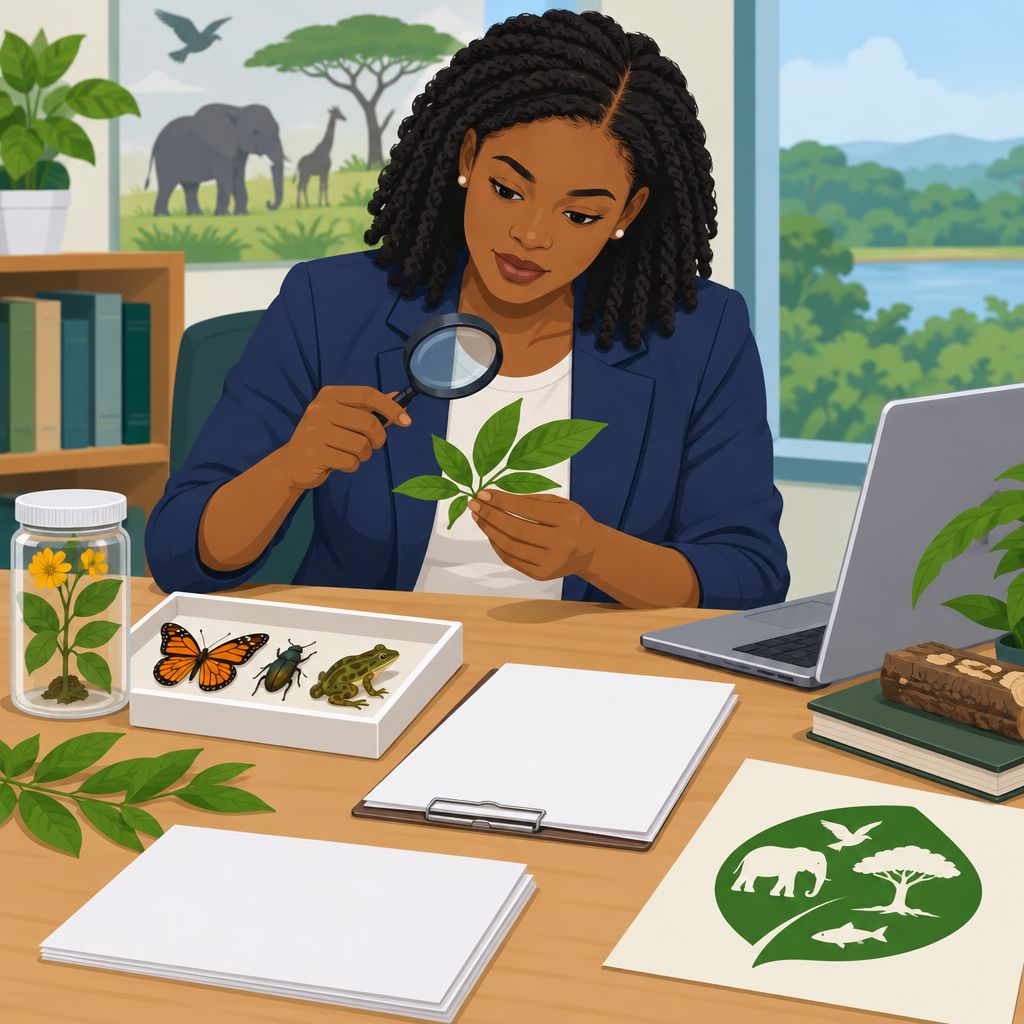
Education and Awareness for Biodiversity
- Zoologists help the public understand why biodiversity matters.
- They host workshops and seminars that explain conservation challenges.
- They encourage local communities to join biodiversity preservation activities.
Zoologists use public education to explain the value of Nigeria’s diverse ecosystems.
Through accessible discussions, they describe threats affecting wildlife and natural habitats.
Workshops and seminars give experts opportunities to share conservation knowledge with wider audiences.
These events also encourage people to recognize their responsibilities toward biodiversity.
Additionally, zoologists collaborate with local communities during preservation activities.
Community participation strengthens local involvement in protecting plant and animal species.
Consequently, education helps build lasting support for biodiversity preservation across Nigeria.
Transform Your Career with Expert Guidance
Get personalized mentorship consulting that’s tailored to your unique path. Our expert advice is actionable and exclusive.
Get StartedYou Might Also Like: Challenges Facing Zoology Students in Nigeria
Influence on Policy Making
- Zoologists provide policymakers with expert advice on biodiversity issues.
- They contribute research findings that shape government policies.
- They advocate sustainable development practices throughout Nigeria.
Zoologists help policymakers base biodiversity decisions on scientific knowledge and reliable data.
Consequently, their advice supports policies that protect and conserve Nigeria’s natural resources.
Their research also gives policymakers valuable insights for developing effective biodiversity policies.
Furthermore, zoologists promote sustainable practices that connect environmental protection with national development.
They encourage policies that balance human needs with the long-term health of ecosystems.
Through this advocacy, zoologists support decisions that protect biodiversity while encouraging social and economic progress.
Therefore, their expertise strengthens scientifically informed policymaking and supports biodiversity conservation efforts.
Uncover the Details: Online Bioinformatics Courses for Nigerians
Monitoring and Evaluation
Monitoring and evaluation represent essential roles for zoologists in Nigeria’s biodiversity policies.
They assess policy effectiveness through several scientific methods.
- Zoologists monitor how biodiversity policies affect wildlife populations.
- They use population surveys and habitat assessments to evaluate conservation efforts.
- Moreover, they conduct research and analyze data to identify current policy successes or failures.
- Based on their findings, zoologists recommend improvements to biodiversity policies in Nigeria.
- These recommendations help target conservation efforts effectively and protect Nigeria’s rich biodiversity.
Uncover the Details: Future Prospects of Bioinformatics in Nigeria
International Collaboration in Biodiversity Conservation
Nigerian zoologists recognize international collaboration as essential for strengthening biodiversity conservation.
They partner with established institutions to exchange best practices and adapt successful approaches to Nigerian conditions.
Additionally, global research partnerships expand their knowledge and introduce innovative conservation techniques and technologies.
- They work with international organizations to share biodiversity conservation best practices.
- They participate in collaborative research projects with global partners.
- They use international expertise to strengthen Nigeria’s biodiversity policies.
This exchange of ideas and expertise improves the effectiveness of biodiversity conservation efforts in Nigeria.
Furthermore, international guidance helps zoologists develop policies suited to Nigeria’s distinct biodiversity needs.
Experts from different countries can inform conservation initiatives with current research and practical approaches.
Through these partnerships, Nigerian zoologists support sustainable practices and protect diverse ecosystems for future generations.
Zoology’s Role in Nigeria’s Biodiversity Future
Zoologists provide research that helps policymakers shape effective biodiversity strategies in Nigeria.
Their studies examine species and ecosystems, giving decision-makers valuable information for conservation planning.
Continued support for zoological research can strengthen Nigeria’s response to habitat loss and climate change.
These threats make zoologists’ expertise increasingly important for preserving the country’s natural heritage.
Additionally, zoologists help protect Nigeria’s diverse flora and fauna for future generations.
Their dedication supports thriving ecosystems that continue providing beauty and benefits to society.
Additional Resources
Google search results for How Zoology Contributes to Nigeria's Biodiversity Policies Sciences
Bing search results for How Zoology Contributes to Nigeria's Biodiversity Policies Sciences


